
Are you considering adding some rustic charm to your backyard flock? Look no further than the Barred Rock chicken breed! Known for their stunning appearance and friendly personalities, these birds have captured the hearts of many backyard chicken enthusiasts. But what makes them so special?
In this article, we’ll delve into the origins of the Barred Rock breed, exploring how they got their distinctive black-and-white feathering. We’ll also take a closer look at their physical characteristics, temperament, and care requirements, giving you a comprehensive understanding of whether these birds are right for your flock. Whether you’re a seasoned chicken keeper or just starting out, this guide will provide valuable insights into what makes the Barred Rock breed such a beloved choice among chicken enthusiasts. Let’s get started on this journey to learn more about this charming breed!
Origins and History
The Barred Rock chicken breed has a rich history that dates back to the early 19th century, originating from Rhode Island. Let’s dive into their fascinating origins and evolution over time.
Early Beginnings
The Barred Rock chicken breed has its roots in the United States, specifically in New York State. In the late 19th century, farmers began selecting and breeding birds that excelled in egg production and hardiness. The goal was to create a dual-purpose bird that could thrive in the harsh Northeast climate.
One of the key influences on the development of the Barred Rock breed was the Marans fowl from France. This breed brought desirable traits such as high egg production, docility, and strong foraging ability. By crossing the Marans with other breeds like the Dominique and the Brahma, American farmers created a robust and prolific bird.
The name “Barred Rock” comes from the breed’s distinctive black-and-white striped feathers, which give it a unique appearance. This striking coloration also makes it easy to identify the breed in a flock. As you consider adding Barred Rocks to your backyard flock, keep in mind their rich history and robust characteristics.
Breeding and Development
The development of the Barred Rock breed is attributed to crossbreeding between Plymouth Rock and Dominique chickens in the early 20th century. To create this distinctive breed, poultry farmers selected for birds with a striking black-and-white barred plumage pattern.
To refine their characteristics, breeders employed selective breeding techniques, focusing on desirable traits such as high egg production, docile temperament, and robust constitution. This deliberate selection process allowed them to enhance the breed’s genetic makeup over time. As a result, the Barred Rock emerged as a popular dual-purpose bird, prized for both its egg-laying capabilities and meat quality.
A key factor in the Barred Rock’s development was the emphasis on maintaining a consistent appearance throughout the flock. Breeders worked tirelessly to ensure that every bird exhibited the breed’s signature barred pattern, resulting in a uniform look that has become synonymous with the Barred Rock name. Today, this breed remains a favorite among backyard chicken keepers and commercial farmers alike due to its impressive egg production and friendly demeanor.
Physical Characteristics
The Barred Rock chicken has some unmistakable physical traits that set it apart from other breeds. Let’s take a closer look at their size, weight, plumage, and overall appearance in this breed profile.
Size and Weight
When it comes to the physical characteristics of Barred Rock chickens, their size and weight are two key factors that set them apart from other breeds. On average, an adult Barred Rock rooster will weigh around 8-10 pounds (3.6-4.5 kg), while a hen will tip the scales at 6-8 pounds (2.7-3.6 kg). In terms of length, males can reach up to 20 inches (50 cm) in height, with hens being slightly smaller at around 18-20 inches (45-50 cm).
One of the distinctive features of Barred Rock chickens is their muscular build. They have a sturdy, compact body that’s well-suited for free-ranging and foraging. This makes them an excellent choice for small farms or backyard flocks where mobility is key.
In terms of feather length, Barred Rocks are known for their moderate-length plumage, which provides excellent insulation against the elements. The feathers are also relatively easy to maintain, requiring only occasional trimming to prevent overgrowth.
It’s worth noting that while these are general guidelines, individual birds can vary depending on factors such as diet and overall health. By providing a balanced diet and regular exercise, you can help your Barred Rock chickens reach their full potential in terms of size and weight.
Plumage and Coloration
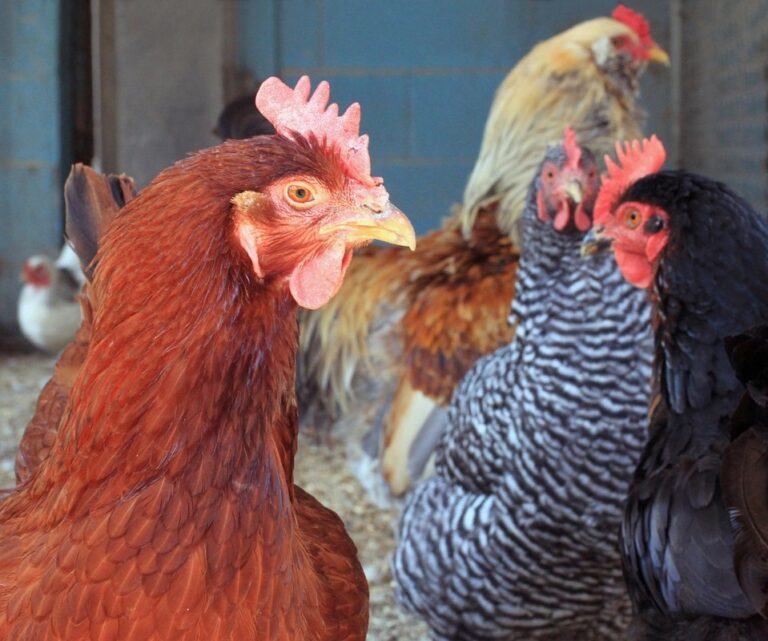
The distinctive barred pattern of the Barred Rock is one of its most recognizable features. This breed’s plumage showcases a striking black and white striped design that covers their entire body. One notable aspect of the barred pattern is the intensity of the colors – both black and white are vivid and well-defined, giving the bird a crisp appearance.
The distribution of the bars on the Barred Rock’s feathers is also unique. The stripes are evenly spaced and run parallel to each other, creating a sense of depth and dimensionality in their plumage. This pattern can vary slightly from one bird to another, but overall it contributes to the breed’s striking visual appeal.
To appreciate the beauty of the barred pattern, consider the following: when you’re admiring your Barred Rock’s feathers, look for the way the black stripes seem to pop against the white ones. You may notice that the colors appear more intense on certain parts of their body, such as around the neck or tail. This is a testament to the breed’s exceptional coloring and patterning.
Temperament and Personality
When it comes to personality, Barred Rocks are known for being friendly and outgoing, making them a great addition to any backyard flock. They’re also surprisingly gentle and easy-going.
Docile Nature
The Barred Rock’s docile nature makes them an excellent choice for families with children, novice chicken keepers, and even apartment dwellers. These friendly birds are adaptable to various living situations, from small backyards to spacious farms. One of the standout characteristics of Barred Rocks is their calm demeanor, which allows them to thrive in close proximity to humans.
Barred Rock chickens are known for their gentle nature, making them an ideal choice for families with children who want to teach their kids about responsible pet care. They are also relatively low-maintenance pets that require minimal supervision and can entertain themselves for extended periods. Whether you live in a small apartment or a spacious farm, Barred Rocks will settle in quickly and become part of your family.
In addition to their friendly disposition, Barred Rocks are also known for their intelligence and curiosity. They are often observed exploring their surroundings and investigating new objects with interest. This curiosity can be beneficial for chicken keepers who want to encourage their birds’ natural behavior. By providing a stimulating environment that includes scratching posts, perches, and toys, you can keep your Barred Rocks happy and engaged.
Barred Rock chickens are also relatively quiet compared to other breeds, making them suitable for apartment living or noise-restricted areas. Their calm nature and adaptability make them an excellent choice for anyone looking to add a chicken to their family.
Socialization and Interaction
When it comes to socialization and interaction, Barred Rocks are known for their friendly and outgoing personalities. They thrive on human interaction and attention, making them a great choice for families or individuals who want a chicken that will follow them around the yard.
In fact, Barred Rocks are often described as “lap chickens” because they love to snuggle up next to their owners and be petted. However, it’s essential to socialize your Barred Rock from an early age to ensure they become confident and calm in the presence of people. Start by introducing them to new environments, sounds, and experiences, and reward good behavior with treats and praise.
When it comes to interacting with other chickens, Barred Rocks are generally docile and easy-going. However, as with any breed, it’s crucial to introduce them slowly and under close supervision to prevent any conflicts or dominance issues. With proper socialization and a little patience, your Barred Rock will become an integral member of the flock and a loyal companion.
In terms of pets, Barred Rocks tend to get along well with dogs, but it’s essential to supervise their interactions closely. Cats, on the other hand, may require some extra attention and patience as they can be more territorial. With careful introduction and management, you can create a harmonious household where both humans and animals coexist peacefully.
Health and Longevity
When it comes to raising Barred Rock chickens, their overall health and longevity are crucial factors to consider, as they can live for up to 10 years with proper care.
Disease Resistance
When it comes to their health and longevity, Barred Rocks are known for their impressive disease resistance. This is a significant advantage for backyard flock owners who want a low-maintenance breed that can withstand common chicken diseases.
One of the most notable advantages of Barred Rocks is their natural immunity to Marek’s disease, a highly contagious viral illness that affects many poultry breeds. According to the American Association of Avian Pathologists, Marek’s disease has been reported in over 90% of commercial chicken flocks worldwide. The fact that Barred Rocks are less susceptible to this disease makes them an attractive choice for small-scale farmers.
While Barred Rocks are generally hardy birds, they can still be prone to certain health issues such as respiratory problems and leg injuries. To minimize the risk of these conditions, it’s essential to provide your flock with a clean, dry living environment and ensure access to fresh water at all times. Additionally, regular vaccinations and parasite control measures should be implemented to keep your birds healthy. By taking proactive steps to prevent disease and maintain good health habits, you can help your Barred Rock flock thrive for years to come.
Average Lifespan
When it comes to the Barred Rock chicken breed’s average lifespan, most healthy individuals can live for around 5-7 years. However, with proper care and management, some Barred Rocks have been known to live up to 10 years or more. Factors that significantly influence a Barred Rock’s longevity include nutrition, health checks, and protection from predators.
A well-balanced diet rich in protein, vitamins, and minerals is essential for maintaining your Barred Rock’s overall health. Ensure they have access to fresh water at all times and supplement their diet with calcium-rich foods to support strong bone development. Regular health checks will also help identify any potential issues early on, allowing you to take corrective action.
In addition to a healthy lifestyle, regular vaccinations can significantly impact your Barred Rock’s lifespan. Consult with a veterinarian to determine the best vaccination schedule for your flock. Furthermore, providing adequate shelter and protection from predators will also contribute to their longevity. By combining these factors, you can help ensure that your Barred Rock lives a long and happy life.
Breeding and Raising
If you’re planning to raise Barred Rock chickens, understanding their breeding and raising requirements is crucial for a healthy and thriving flock. This includes learning about their reproductive habits and ideal living conditions.
Availability and Cost
When it comes to acquiring Barred Rock chicks or adult birds, you have several options. You can start by searching for local breeders in your area through online directories like the American Poultry Association or Hatchery Directory. Many reputable hatcheries also offer shipping services for live chicks, which can be a convenient option if you’re looking to start with day-old pullets.
As for cost, the price of Barred Rock chicks can vary depending on factors such as age, sex, and location. On average, you can expect to pay between $3 to $5 per chick from a reputable hatchery. Adult birds, particularly those that are already laying or have a proven track record in egg production, may cost upwards of $20 to $30 per bird.
Before making a purchase, ensure the seller provides health guarantees and clear information about the birds’ ancestry, temperament, and productivity. Be cautious of extremely low prices, as this can be an indication of poor quality or unscrupulous breeding practices. Researching local breeders and hatcheries beforehand will help you make informed decisions when selecting your Barred Rocks.
Housing and Care Requirements
When it comes to providing the best possible life for your Barred Rock chickens, their housing and care requirements are crucial. These birds thrive in a space that’s well-ventilated, clean, and protected from predators.
A recommended minimum of 3-4 square feet per bird is essential to ensure they have enough room to move around comfortably. For example, if you’re planning to keep six Barred Rock hens, you’ll need an enclosure that measures at least 18 square feet.
Nutrition-wise, Barred Rocks are omnivores and require a balanced diet rich in proteins, vitamins, and minerals. A high-quality layer feed or a mix of grains, fruits, and vegetables should be provided daily. It’s also essential to provide fresh water at all times.
In terms of environmental considerations, Barred Rock chickens prefer cooler temperatures, so it’s best to house them in a shaded area or provide adequate ventilation during hot summer months. You can also consider adding nesting boxes and perches to create a comfortable and stress-free environment for your birds. By meeting these housing and care requirements, you’ll be well on your way to raising happy and healthy Barred Rock chickens.
Comparison to Other Breeds
When comparing the Barred Rock breed to others, it’s essential to consider their unique characteristics and traits that set them apart from popular breeds. Let’s explore how they stack up against some of their closest competitors.
Similar Breeds
The Barred Rock breed has some close relatives that share similar characteristics and traits. One such breed is the Plymouth Rock chicken, which is often considered to be a cousin of the Barred Rock. Both breeds have a similar appearance, with a barred pattern on their feathers and a friendly, outgoing temperament.
Another breed that shares similarities with the Barred Rock is the Australorp. While they differ in terms of size and egg-laying ability, both breeds are known for their calm and gentle nature. They also share a similar body type, with a compact build and broad wingspan.
If you’re considering getting a Barred Rock chicken but want to explore other options, it’s worth looking into these similar breeds. However, keep in mind that each breed has its unique characteristics, so it’s essential to research and understand their individual needs before making a decision.
Some key differences between the Barred Rock and its relatives include egg-laying ability (Barred Rocks are known for producing around 200 eggs per year), size (Plymouth Rocks are generally smaller than Barred Rocks), and feathering. Understanding these differences can help you choose the best breed for your needs and lifestyle.
Hybridization and Crossbreeding
Hybridization and crossbreeding with the Barred Rock chicken breed can be a fascinating endeavor for experienced poultry enthusiasts. By combining the robust characteristics of the Barred Rock with those of another breed, you can create a unique bird that exhibits desirable traits from both parent lines.
When considering hybridization or cross-breeding, it’s essential to understand the potential benefits and limitations. One advantage is that the offspring may inherit favorable features such as improved egg-laying capacity, enhanced foraging ability, or increased disease resistance. For instance, crossing a Barred Rock with a Leghorn can produce birds that are both prolific layers and agile foragers.
However, it’s crucial to note that cross-breeding can also lead to unforeseen consequences, such as reduced fertility rates or inconsistent offspring quality. To mitigate these risks, it’s vital to carefully select the parent breeds and adhere to strict breeding protocols. If you’re new to hybridization or cross-breeding, start with a controlled experiment using eggs from trusted breeders and closely monitor the results before scaling up. With proper planning and execution, you can unlock the full potential of this exciting endeavor.
Frequently Asked Questions
Can I keep Barred Rock chickens as pets, even if they’re primarily bred for egg production?
Yes, Barred Rocks make wonderful pets due to their friendly and docile nature. They thrive on attention and interaction, making them a great choice for families or individuals who want low-maintenance yet affectionate companions.
How do I introduce new Barred Rock chickens to my existing flock without causing stress or aggression?
When introducing new birds, it’s essential to follow a gradual integration process. Start by separating the new birds from your existing flock and allowing them to become familiar with each other’s sounds and scents. Once you’re confident they’ll get along, reintroduce them under close supervision, starting with visual introductions before gradually increasing face-to-face interactions.
What are some common health issues I should be aware of in Barred Rock chickens?
Barred Rocks are generally hardy birds but may be prone to respiratory issues and parasites due to their dense feathering. Regular cleaning of coops and runs, proper ventilation, and preventative measures such as deworming can help mitigate these risks.
Can I breed Barred Rock chickens if I’m a beginner, or do I need extensive experience?
While breeding requires expertise, you don’t necessarily need extensive experience to breed Barred Rocks. However, it’s crucial to understand the basics of chicken genetics and breeding practices before attempting to breed your own birds. Consider consulting with experienced breeders or taking online courses to learn more.
How can I ensure my Barred Rock chickens get enough exercise and mental stimulation in a small backyard setting?
In small spaces, provide your birds with plenty of perches, toys, and scratching posts to keep them active. Rotate these items regularly to prevent boredom. Also, consider creating a safe outdoor area where they can roam freely under supervision.