
Are you thinking of adding some lovable companions to your backyard flock? Look no further than the Buff Orpington chicken breed! Known for their friendly, docile nature, these birds are a perfect fit for families and hobby farmers alike. But what makes them so special? In this article, we’ll delve into the world of Buff Orpingtons, exploring their temperament, egg-laying capacity, and health considerations to help you decide if they’re right for you.
We’ll cover everything from their gentle disposition to their impressive egg production, giving you a comprehensive understanding of what it takes to raise and care for these beloved birds. Whether you’re a seasoned chicken keeper or just starting out, this breed profile will provide you with the insider knowledge you need to make informed decisions about your flock. So, let’s get started on our Buff Orpington adventure!
History and Origin of the Buff Orpington
To fully appreciate these lovely birds, let’s dive into their rich history and origin, tracing back to 1886 in England.
Early Development and Introduction to the Market
The Buff Orpington breed has its roots in England, dating back to the late 19th century. In 1886, William Cook, a poultry breeder from Cambridge, developed this beautiful breed by crossing an Old English Gamecock with a Black Orpington hen. The resulting offspring were sturdy, friendly birds with distinctive golden-brown feathers and excellent egg-laying abilities.
Initially, the Buff Orpingtons were bred as dual-purpose birds, meant for both meat and egg production. However, their exceptional mothering skills and gentle nature soon made them popular among backyard farmers and homesteaders. The breed quickly gained popularity in England, and by the early 1900s, they had become a staple in many farmyards.
Interestingly, the Buff Orpington’s English origins are still evident today, with many modern flocks retaining their traditional characteristics. If you’re considering raising Buff Orpingtons on your own homestead or backyard farm, look for breeders who prioritize preserving these authentic traits.
Key Characteristics that Defined the Initial Stock
When the Buff Orpington breed first emerged in England in the late 19th century, several key characteristics made it an instant hit among farmers and backyard chicken keepers. One of the most notable traits was its exceptional egg-laying ability. The original Buff Orpingtons produced around 200-220 large, brown eggs per year, making them a prized addition to any farm or homestead.
Another defining feature of the early Buff Orpingtons was their robust and friendly temperament. They were bred to be docile and easy-going, making them an excellent choice for families with children who wanted to raise chickens. In fact, many farmers and breeders at the time praised the breed’s “gentle disposition” and ability to adapt to new environments.
The original Buff Orpingtons also possessed impressive growth rates and were known for their exceptional meat production. They reached market weight quickly, making them a valuable asset to commercial farms. Additionally, they had a beautiful lustrous plumage that came in a range of colors, including buff, gold, and red. These desirable traits helped establish the Buff Orpington as one of the most popular chicken breeds in England during its early days.
Physical Characteristics and Appearance
When it comes to identifying a Buff Orpington, you’ll want to look for their distinctive golden-brown plumage and impressive size, which sets them apart from other breeds.
Size and Weight of Mature Birds
When it comes to size and weight, Buff Orpingtons are known for their impressive stature. Mature hens typically weigh between 9-12 pounds (4-5.4 kg), with some individuals reaching up to 14 pounds (6.3 kg) or more. Roosters, on the other hand, tend to be slightly larger and can tip the scales at around 13-16 pounds (5.9-7.3 kg).
It’s worth noting that individual birds can vary significantly, so these weights are only a general guideline. Some breeders have reported hens weighing as low as 8 pounds (3.6 kg) or as high as 15 pounds (6.8 kg). To give you a better idea of what to expect, consider the following factors:
* Genetics: The quality and lineage of your Buff Orpingtons can significantly impact their size.
* Nutrition: A balanced diet that includes plenty of protein, calcium, and other essential nutrients will support healthy growth and development.
* Health: Regular health checks and proper care can help ensure your birds reach their full potential.
Plumage and Feather Patterns
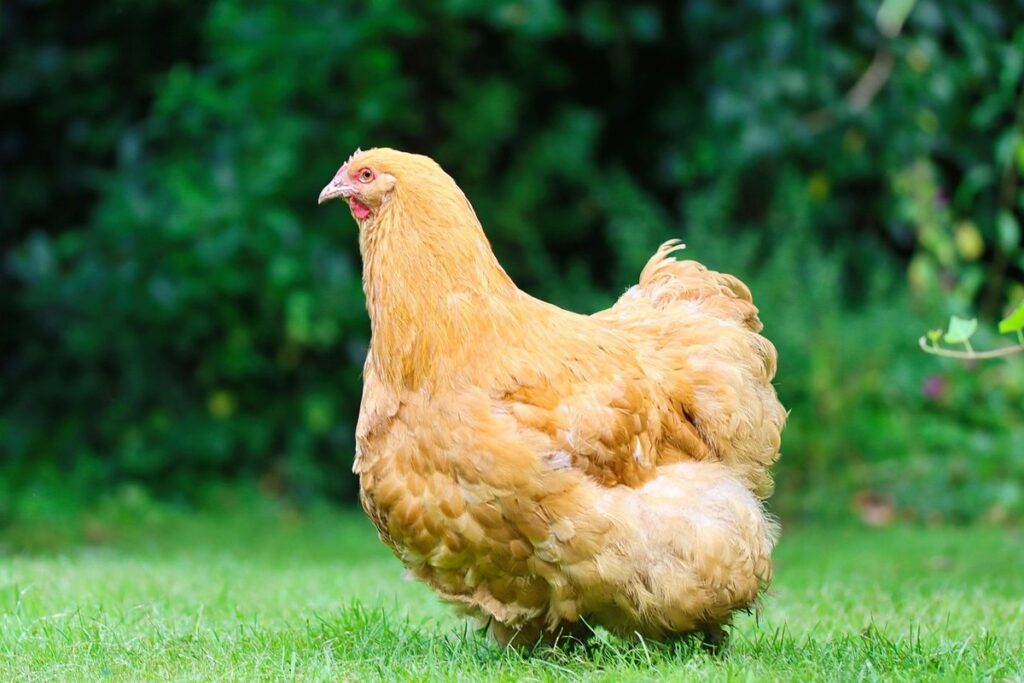
One of the most striking features of the Buff Orpington breed is its stunning plumage. These beautiful birds boast a soft, fluffy coat with a warm golden-brown hue that’s perfect for adding a touch of sunshine to any backyard flock. But what makes their feathers truly unique is the intricate pattern work that sets them apart from other breeds.
The Buff Orpington’s feather pattern is characterized by a subtle sheen and a delicate lacing effect, where tiny strips of darker golden color crisscross over the lighter buff tones. This creates a rich, multi-dimensional look that’s both visually striking and endearingly charming. But did you know that there are also several recognized color variations within the breed? In addition to the classic gold-buff coloring, you may come across Buff Orpingtons with a deep copper or golden-red tint, known as “Copper” or “Golden Copper.”
Beak Shape, Eye Color, and Comb Type
One of the most distinctive and recognizable features of the Buff Orpington chicken breed is its physical appearance. In terms of beak shape, the Buff Orpington’s beak is medium-sized and a pale yellow color, perfectly suited for pecking at grain and other foods. Their eyes are a warm, golden brown that seem to sparkle with friendliness.
The comb type on a Buff Orpington is perhaps one of its most iconic features – a soft, feathery rosecomb that sits atop the head in a gentle curve. This beautiful comb type adds to the bird’s overall charm and helps to distinguish it from other breeds. When choosing a Buff Orpington, look for a bird with a well-developed rosecomb as this is often an indicator of good health and robust constitution.
Overall, the physical characteristics of the Buff Orpington breed are truly stunning, making them a joy to behold in any backyard or farm setting. Whether you’re a seasoned chicken keeper or just starting out, the Buff Orpington’s unique appearance is sure to captivate and inspire.
Temperament and Personality Traits
When it comes to their temperament, Buff Orpingtons are known for being friendly, docile, and adaptable, making them a great fit for many backyard flocks. They’re also surprisingly intelligent and curious birds.
Friendly and Docile Nature
One of the most endearing qualities of Buff Orpingtons is their exceptionally gentle and friendly nature. This breed has earned a reputation for being incredibly docile, making them an ideal choice for families with children, novice chicken keepers, or even those who simply want to add some affectionate companions to their backyard flock.
In fact, Buff Orpingtons are known to be one of the most tolerant breeds when it comes to handling. They will often follow you around the yard, eager to receive pets and scratches behind the ears. This is not only a testament to their friendly disposition but also a reflection of their intelligence – they’ve learned that interacting with humans can be incredibly rewarding.
If you’re considering bringing Buff Orpingtons into your flock, remember that their gentle nature requires some special consideration. Provide them with plenty of space to roam and exercise, as well as plenty of attention and interaction. With proper care and handling, these lovable birds will become beloved members of your family, always eager to please and quick to form close bonds with their human caregivers.
Their friendly demeanor also makes them an excellent choice for backyard flocks where children are present. They’re unlikely to get aggressive or defensive when handled by kids, making them a great option for families who want to teach their young ones about responsible chicken care while fostering a lifelong appreciation for these wonderful birds.
Tendency to Follow and Forage with Owners
When it comes to social interaction, Buff Orpingtons are known for their loyal and affectionate nature. They tend to follow people around, often seeking attention and companionship. In fact, they’re one of the most popular breeds for families with children due to their gentle and docile temperament.
One of the joys of owning a Buff Orpington is watching them forage alongside you in the garden or yard. They’ll happily scratch and peck at the ground, exploring every nook and cranny in search of tasty bugs and treats. This behavior not only provides entertainment but also helps to strengthen the bond between chicken and owner.
To encourage your Buff Orpingtons to follow you around, try incorporating foraging activities into their daily routine. You can scatter treats or scratch grains throughout the yard, allowing them to sniff out the goodies on their own. Be sure to supervise and provide plenty of fresh water and shelter from the elements. By making foraging a fun and engaging experience, your Buff Orpingtons will be more likely to stick by your side, providing endless hours of companionship and joy.
Trainability and Adaptability to New Environments
When it comes to trainability and adaptability, Buff Orpingtons are known for being one of the easier breeds to work with. They’re often praised by novice chicken keepers for their gentle nature and willingness to learn. In fact, with consistent training and positive reinforcement, they can become quite skilled at performing tasks like egg collecting, foraging, or even tricks.
One key aspect to consider is their ability to adapt to new environments. Buff Orpingtons are relatively robust birds that can thrive in a variety of settings, from small backyards to larger farms. They’re also known to be excellent free-range candidates, as they’re naturally curious and love exploring their surroundings. However, it’s essential to provide them with adequate shelter, food, and water when introducing them to a new environment.
In terms of training, start by establishing a routine and setting clear boundaries. Reward your Buff Orpingtons with treats and praise for good behavior, and be patient during the learning process. With time and consistency, they’ll become well-behaved and reliable companions in any chicken-keeping endeavor.
Egg-Laying Capacity and Characteristics
One of the most exciting aspects of owning a Buff Orpington is their impressive egg-laying capacity, which we’ll dive into in more detail below. Let’s explore how many eggs these lovely ladies can produce each year.
Average Number of Eggs Produced per Week
When it comes to egg-laying capacity, Buff Orpingtons are known for their moderate production rates. On average, a healthy Buff Orpington hen will produce around 200-220 brown eggs per year. Broken down into weekly production, this translates to around 4-5 eggs per week per bird.
It’s worth noting that egg-laying capacity can vary depending on factors such as nutrition, health, and individual bird characteristics. Some top-producing Buff Orpingtons may lay upwards of 6-8 eggs per week, while others may produce fewer.
To optimize egg production in your flock, make sure to provide a balanced diet rich in protein and calcium. Also, ensure that your birds have access to plenty of fresh water and a stress-free living environment. Regular health checks can also help identify any potential issues affecting egg-laying capacity. With proper care and management, you can expect your Buff Orpingtons to be reliable and consistent producers.
Egg Size, Shape, and Shell Quality
Buff Orpingtons are known for producing a generous number of eggs, but what about their quality? The size and shape of their eggs are among the first things you’ll notice when collecting them from your backyard. On average, a Buff Orpington hen will lay an egg that is around 180-200 grams in weight, which is slightly above the standard for most breeds.
In terms of shape, the eggs produced by Buff Orpingtons tend to be more elongated than spherical, with a smooth and even curvature. The shell quality is generally excellent, with a nice thickness and texture that’s resistant to cracking. While some people might find it disappointing that their eggs don’t have a deeper brown color like some other breeds, the overall appearance of a freshly laid Buff Orpington egg is quite appealing.
To minimize any potential issues with egg breakage, it’s essential to handle your eggs gently when collecting them and store them in a cool, dry place. If you’re planning to sell your eggs or share them with friends and family, consider investing in some decorative cartons or packaging materials to protect the eggs during transport.
Broodiness and Mothering Instinct
One of the most endearing qualities of Buff Orpingtons is their exceptional broodiness and mothering instincts. These gentle giants are natural nurturers, taking great care to incubate and raise their chicks with dedication and love.
In fact, Buff Orpington hens are known to be some of the best mothers in the chicken world. They have a strong instinct to sit on eggs and keep them warm, often going into a deep broodiness that can last for several weeks. This means they’ll carefully guard their eggs, making sure they remain safe and secure until it’s time for the chicks to hatch.
If you’re planning to breed Buff Orpingtons or want to encourage your hens to be better mothers, here are some tips: Provide a quiet, draft-free area with adequate ventilation and plenty of food and water nearby. Make sure the hen has access to a nesting box that’s large enough for her to comfortably sit on her eggs. By creating an ideal environment, you’ll help your Buff Orpingtons fulfill their natural mothering instincts, ensuring healthy chicks and happy hens.
Health Considerations and Common Issues
When raising buff orpingtons, it’s essential to be aware of common health issues that may arise, such as obesity and Marek’s disease.
Susceptibility to Certain Diseases
Buff Orpingtons are generally a hardy breed, but like all chickens, they can be susceptible to certain diseases and health issues. One of the most significant concerns is Marek’s disease, a viral infection that affects many chicken breeds. However, Buff Orpingtons have shown some resistance to this disease, which is a plus for backyard flock owners.
Another issue that may affect your Buff Orpingtons is bronchitis, a respiratory infection caused by bacteria or viruses. To minimize the risk of developing bronchitis, ensure that your coop and run are well-ventilated and provide regular exercise for your birds. A balanced diet rich in nutrients will also help boost their immune system.
Parasites such as mites, lice, and internal worms can also affect Buff Orpingtons. Regular checks and treatments can help control these issues. Keep an eye out for symptoms like feather loss, skin irritation, or unexplained weight loss.
Proactive measures such as maintaining a clean living environment, providing adequate vaccinations, and monitoring your flock’s health regularly will go a long way in preventing diseases. If you notice any unusual behavior or symptoms, consult with a veterinarian experienced in poultry care to ensure the best possible treatment for your Buff Orpingtons.
Genetic Predispositions and Longevity Expectations
As you consider adding buff orpingtons to your backyard flock, it’s essential to understand their genetic predispositions and expected lifespan. Buff orpingtons are known for their friendly and docile nature, but like all breeds, they can be prone to certain health issues.
Research suggests that buff orpingtons may be more susceptible to obesity due to their high egg-laying capacity and tendency to overeat. Regular monitoring of feed intake and providing plenty of exercise opportunities can help mitigate this risk. Additionally, buff orpingtons are generally hardy birds but may experience heat stress during hot summer months.
On average, a well-cared-for buff orpington can expect to live for around 8-12 years. However, some individuals have been known to reach ages of 15 and beyond with proper nutrition and healthcare. To maximize your bird’s lifespan, ensure they receive regular check-ups from a veterinarian experienced in poultry care, maintain a balanced diet, and provide a safe and comfortable living environment.
By understanding these genetic predispositions and taking proactive steps, you can help your buff orpingtons live long, healthy lives.
Nutritional Requirements and Dietary Needs
As you care for your buff orpington chickens, it’s essential to provide them with a balanced diet that meets their nutritional requirements. Buff orpingtons are heavy birds and require a higher energy intake due to their size and egg-laying capacity.
A good quality layer feed should form the basis of their diet, but supplementing with fresh vegetables and fruits can also be beneficial. Leafy greens like kale, spinach, and collard greens are rich in calcium and protein, making them an excellent addition to their diet. Fresh fruits such as berries, apples, and carrots provide essential vitamins and minerals.
However, it’s crucial not to overdo the treats, as buff orpingtons can be prone to obesity if fed too many high-calorie foods. A general rule of thumb is to allocate 10-15% of their daily diet towards treats and supplements. Additionally, ensure they have access to fresh water at all times to prevent dehydration.
By providing a balanced diet that meets their nutritional requirements, you’ll help maintain the overall health and well-being of your buff orpington flock.
Breeding and Raising Buff Orpingtons
Breeding and raising buff orpingtons requires careful consideration of their unique characteristics, temperament, and reproductive needs to ensure a healthy and thriving flock. Here’s what you need to know about these essentials.
Selecting Quality Hatching Eggs or Chicks
When it comes to selecting high-quality hatching eggs or chicks, it’s essential to prioritize the health and well-being of your birds. To ensure you’re getting the best possible stock, start by researching reputable breeders who specialize in Buff Orpingtons. Look for breeders who are transparent about their breeding practices, provide detailed information about their birds’ ancestry, and offer guarantees on hatch rates.
When evaluating hatching eggs or chicks, inspect them carefully for any signs of damage, cracks, or bacterial contamination. For eggs, check the shell for cleanliness, firmness, and even coloration. Make sure they’re stored properly in a cool, dry place to preserve their viability. When selecting chicks, look for bright eyes, alert behavior, and sturdy legs.
To further minimize health risks, consider purchasing from breeders who use strict biosecurity measures, such as isolation and testing for diseases like Marek’s. This can give you peace of mind knowing your birds are less likely to contract these conditions. Finally, always read reviews and ask other Buff Orpington enthusiasts about their experiences with a particular breeder or supplier.
Incubation and Brooding Practices
When it comes to successfully rearing buff Orpington chicks, proper incubation and brooding practices are essential. As a breeder, you’ll want to create an optimal environment for the first few weeks of life, when the chicks are most vulnerable.
Start by selecting a reliable incubator that can maintain a consistent temperature between 99-100°F (37-38°C) for the first 24 hours after transfer. It’s also crucial to ensure proper humidity levels, around 50-60%. This will help prevent moisture loss and promote healthy development.
Once the chicks hatch, move them to a brooder with adequate ventilation and protection from drafts. A heating source, such as a heat lamp or ceramic heat emitter, is necessary to maintain a temperature range of 90-95°F (32-35°C) for the first week. Provide a starter feed that’s high in protein, around 20%, to support growth and development.
Monitor your chicks closely during this period, ensuring they have access to clean water and adequate shelter from stressors. By following these best practices, you’ll set your buff Orpingtons up for success as they grow into healthy, thriving adults.
Tips for Raising Healthy, Happy Birds
Raising healthy and happy birds is crucial for Buff Orpington breeders. A good start to their lives can set them up for a long and productive life on the farm. To ensure that your young chicks grow into robust and thriving adult hens, you need to provide them with proper care from day one.
Firstly, it’s essential to understand that Buff Orpingtons are a hardy breed, but they still require special attention to their diet, living conditions, and health checks. A balanced and nutritious feed should be provided ad lib, supplemented with fruits and vegetables as treats. The coop and run must be clean, dry, and well-ventilated to prevent disease.
Regular check-ups by a veterinarian are also necessary to detect any potential health issues early on. Vaccinations and parasite control measures should be implemented according to the breed’s specific needs. Provide your birds with adequate space to roam, forage, and exercise regularly to maintain their physical and mental health.
Some other factors that contribute to raising happy and healthy Buff Orpingtons include:
• Providing a stimulating environment by rotating toys and activities in the coop
• Creating a stress-free atmosphere through gentle handling and minimal noise exposure
• Keeping the flock size manageable to prevent overcrowding and competition for resources
Frequently Asked Questions
How Do I Introduce New Buff Orpingtons to My Existing Flock?
Introducing new birds to your flock requires patience and a gradual approach. Start by keeping the new birds separate for a few days, allowing them to get used to their new surroundings. Then, begin supervised interactions, monitoring body language and behavior. If necessary, use visual barriers or pheromone sprays to reduce stress.
Are Buff Orpingtons Suitable for Small Backyard Flocks?
Yes, Buff Orpingtons are an excellent choice for small backyard flocks due to their friendly and docile nature. They are relatively easy to care for and can thrive in smaller spaces with proper attention and resources. However, ensure you provide adequate space, nutrition, and social interaction to meet their needs.
How Can I Encourage My Buff Orpingtons to Forage and Explore?
To encourage your Buff Orpingtons to forage and explore, provide them with a balanced diet that includes a mix of grains, fruits, and vegetables. Offer foraging toys or puzzles filled with treats to stimulate mental activity. Create a safe outdoor area where they can exercise and engage in natural behaviors like scratching and pecking.
What Health Issues Should I Be Aware Of When Raising Buff Orpingtons?
Buff Orpingtons are generally healthy birds, but they may be susceptible to certain diseases such as Marek’s disease or respiratory issues. Regular health checks, proper nutrition, and maintaining a clean living environment can help prevent these issues. Also, monitor their behavior for signs of stress, which can lead to health problems.
How Do I Select High-Quality Hatching Eggs or Chicks from Reputable Breeders?
When selecting hatching eggs or chicks, look for reputable breeders who prioritize genetics and health. Check the breeder’s reputation online, ask about their breeding practices, and request documentation of genetic testing or vaccination records. Ensure you’re purchasing from a trusted source to ensure the best possible start for your Buff Orpingtons.