
Caring for Brahma roosters requires attention to their unique needs, from spacious housing to balanced nutrition. As a proud owner of these majestic birds, you want to ensure your feathered friends live long and healthy lives. But with their large size and energetic personalities, it can be challenging to provide the right care.
That’s why we’ve put together this comprehensive guide on Brahma rooster care. In this article, you’ll learn how to create a suitable environment for your birds, including housing requirements and health considerations. We’ll also cover nutrition tips, training methods, and socialization strategies to help you build a strong bond with your Brahma roosters. By following our expert advice, you can provide top-notch care and keep your Brahma roosters happy and thriving. Whether you’re an experienced breeder or just starting out, this guide has got you covered!
Choosing the Right Breed
When deciding to bring a Brahma rooster into your flock, selecting the right breed is crucial for its health and temperament. Let’s explore how to choose a suitable breed for you and your feathered friends.
Understanding the Characteristics of Brahma Roosters
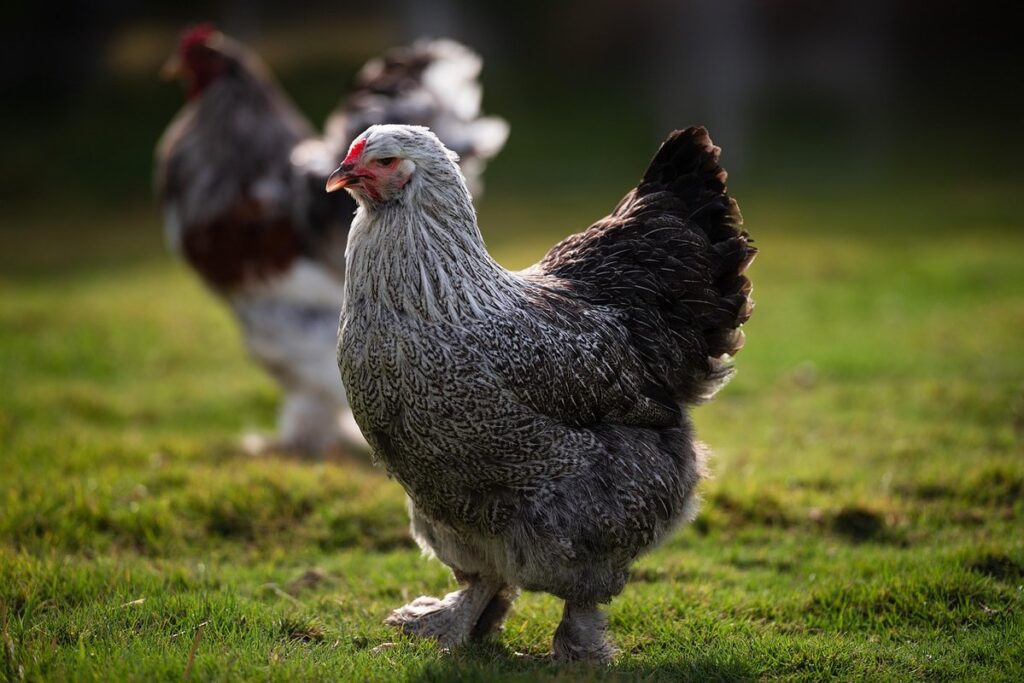
When it comes to understanding the characteristics of Brahma roosters, one thing is certain: they’re a force to be reckoned with. These gentle giants can grow up to 24-28 pounds and reach heights of 40 inches, making them an impressive addition to any backyard flock.
One of the most notable traits of Brahma roosters is their calm temperament. They are known for being friendly and docile, making them a great choice for families with children or for farmers who want to raise chickens without the stress of aggressive birds. However, it’s essential to remember that every bird has its own personality, so socialization from an early age is crucial.
Unlike many other breeds, Brahma roosters are not known for their egg-laying abilities. In fact, they’re often kept as pets or used for breeding purposes due to their impressive size and gentle nature. If you’re looking to add a new member to your flock, a Brahma rooster could be an excellent choice, but make sure to research local regulations regarding roosters in residential areas before making the decision.
Selecting Healthy Chicks from a Breeder
When selecting healthy Brahma chicks from a breeder, it’s essential to do your research and know what to look for. A reputable breeder will prioritize the health and well-being of their birds, but it’s still crucial for you to inspect the chicks yourself.
Start by checking for deformities or abnormalities in the chick’s structure. This can include misshapen beaks, crooked wings, or uneven legs. While some small imperfections may not impact the bird’s quality of life, significant deformities can lead to health issues down the line.
Inspect the chick’s legs and check if they’re sturdy enough to support its weight. Weak legs can put a strain on the joints and make the bird more susceptible to injury or disease. You should also listen for any unusual respiratory sounds, such as wheezing or labored breathing.
If you notice any potential health issues during your inspection, ask the breeder about their breeding practices and what they do to prevent health problems in their birds. A responsible breeder will be transparent about their methods and willing to answer your questions.
Housing and Environmental Considerations
When it comes to providing a happy, healthy home for your Brahma rooster, housing and environmental considerations are crucial. This includes thinking carefully about coop size, ventilation, and outdoor space.
Providing Adequate Space for Growth
When it comes to providing adequate space for growth and exercise, Brahma roosters have specific needs that cannot be ignored. These gentle giants can grow up to 2 feet tall and weigh as much as 20 pounds, so they require ample room to roam around.
To set up a suitable enclosure, start by ensuring the coop is at least 3×4 feet in size for each bird. This will give them enough space to move around comfortably, stretch their wings, and exercise their legs. Additionally, consider adding perches made of sturdy wood or metal that are at least 2-3 inches wide to accommodate their large feet.
If you plan on keeping a few roosters together, it’s essential to provide multiple perches to prevent fights and stress. You may also want to include nesting boxes if you plan on breeding your Brahma roosters, but keep in mind that they will not be used by the males. A good rule of thumb is to add one nesting box for every three females.
Remember, a happy and healthy rooster starts with plenty of space to live and grow.
Climate Control and Ventilation
When it comes to Brahma roosters, providing an optimal climate and ventilation system is crucial for their overall health and well-being. These large birds are prone to heat stress due to their massive size, and without proper airflow, they can quickly become overheated.
To ensure adequate airflow, you’ll want to install windows or vents that allow for cross-ventilation in your coop. This will help circulate air and reduce the risk of respiratory problems. You should also consider installing a window fan or two to supplement natural ventilation during hot summer months.
Regulating temperature extremes is also essential. Brahma roosters can tolerate temperatures as low as 40°F (4°C) but may struggle in temperatures above 85°F (29°C). Keep your coop well-insulated and use bedding materials like straw or pine shavings to help regulate the temperature.
When it comes to protecting against predators, ensure that all vents and windows are securely screened. This will prevent unwanted critters from getting into the coop while still allowing for airflow.
Nutrition and Feeding Guidelines
When it comes to keeping a Brahma rooster healthy, proper nutrition is crucial, so let’s dive into what your bird needs to thrive in terms of food and feeding.
Balanced Diets for Brahma Roosters
When it comes to feeding Brahma roosters, providing a balanced diet from an early age is crucial for their overall health and well-being. As they grow, Brahmahens require a significant amount of protein to support muscle growth and development. Aim to provide at least 16-18% protein in their starter feed, increasing it to 20-22% as they mature.
Calcium supplementation may also be necessary, especially if you’re feeding them commercial pellets that are low in calcium. You can add crushed oyster shells or dark leafy greens like kale and spinach to their diet to boost calcium levels. However, be cautious not to overdo it – excessive calcium can lead to kidney stones and other health issues.
To avoid overfeeding or underfeeding your Brahma rooster, monitor their weight closely and adjust feed amounts accordingly. A general rule of thumb is to provide 1/4 pound of feed per rooster per day for every 10 pounds of body weight. For example, a 20-pound rooster would require about 2 ounces of feed per day. Regularly check your rooster’s stool quality, feather condition, and overall appearance to ensure they’re receiving the right amount of nutrients.
Supplemental Treats and Foraging Opportunities
Incorporating supplemental treats and foraging opportunities into your Brahma rooster’s diet can provide numerous benefits. Not only do these activities stimulate their natural foraging behavior, but they also add variety to their meals and encourage mental and physical stimulation. A balanced diet is essential for maintaining the health and well-being of your Brahma roosters.
When it comes to safe options for fruits, vegetables, and grains, there are many choices available. For example, you can offer leafy greens like kale or spinach as a nutritious treat. Fresh berries such as strawberries or blueberries make great snacks, while sliced carrots or sweet potatoes provide essential fiber and vitamins. When introducing new foods, it’s best to start with small amounts to ensure they don’t cause digestive upset.
Some excellent options for grains include oats, barley, or quinoa, which can be scattered on the ground for your roosters to peck at. Avoid giving them onions, garlic, or avocado as these belong to the Allium family and are toxic to birds. Always introduce new foods gradually and in moderation to prevent overeating. By incorporating fresh fruits, vegetables, and grains into their diet, you’ll be providing a more diverse and interesting meal plan for your Brahma roosters.
Health Considerations and Preventative Care
When caring for a Brahma rooster, it’s essential to be aware of potential health issues and take preventative measures to ensure your bird stays happy and healthy. Regular check-ups and vaccinations can help prevent common diseases in this breed.
Recognizing Signs of Common Ailments
As a Brahma rooster owner, it’s essential to be aware of common health issues that can affect these magnificent birds. Respiratory problems, such as bronchitis and pneumonia, are prevalent among large breeds like the Brahma. Look out for symptoms like labored breathing, coughing, or wheezing, especially after exercise or in humid environments.
Mites and internal parasites are other potential threats to your rooster’s health. Check for mites by gently combing through their feathers, particularly around the vent area. If you notice small, moving specks, consult a veterinarian immediately. For internal parasites, monitor your rooster’s stool quality and watch for signs of digestive issues like diarrhea or constipation.
Early detection is key to effective treatment. Regularly inspect your Brahma rooster for any unusual behavior, appetite changes, or physical symptoms. Take prompt action if you suspect illness, as delaying treatment can lead to more severe consequences. Keep a record of your rooster’s health history and consult with a veterinarian experienced in poultry care to ensure timely diagnosis and effective treatment.
Vaccinations and Parasite Control Measures
As a Brahma rooster owner, it’s essential to prioritize vaccinations and parasite control measures to maintain the overall health of your flock. While Brahmas are generally hardy birds, they can still be susceptible to certain diseases and parasites.
When it comes to vaccinations, the specific needs of your Brahma roosters will depend on their age, health status, and geographical location. Consult with a veterinarian to determine the best vaccination schedule for your flock. For example, some common vaccinations include those against Newcastle disease, Infectious Bronchitis, and Avian Influenza.
Deworming medications are also crucial in controlling internal parasites such as roundworms and tape worms. Use products containing Ivermectin or Fenbendazole to treat infestations. For external parasites like mites and lice, use products containing Permethrin or Pyrethrin. Regularly inspect your birds for signs of infestation, including excessive scratching or feather loss.
By incorporating vaccinations and parasite control measures into your Brahma rooster care routine, you’ll be better equipped to prevent disease outbreaks and ensure the overall well-being of your flock.
Training and Socialization
Proper training and socialization are crucial for a Brahma rooster to become a well-behaved and friendly companion, but it requires patience and consistency. This is where you’ll learn essential tips and techniques to get started.
Taming and Handling Brahma Roosters
Taming and handling Brahma roosters requires patience, consistency, and positive reinforcement techniques to build trust and strengthen the human-animal bond. Start by introducing yourself to the rooster gradually, allowing him to become familiar with your presence and scent. Begin with short sessions of 5-10 minutes, offering treats and rewards for calm behavior.
Use clicker training or a verbal cue to associate positive outcomes with desired behaviors. For example, when approaching the rooster, use a consistent whistle or phrase, followed by a treat reward. This helps him learn to associate your presence with something pleasant. Gradually increase interaction time, allowing the rooster to become more comfortable and confident.
It’s essential to respect personal space and boundaries. Avoid sudden movements or loud noises, which can startle or frighten the rooster. By establishing trust through positive reinforcement, you’ll develop a strong bond with your Brahma rooster, making handling and care easier and more enjoyable for both of you. With time and consistency, your rooster will learn to accept and even seek human interaction.
Integrating with Other Flock Members
Integrating a new Brahma rooster into an existing flock can be a delicate process. It’s essential to do it gradually and under close supervision to ensure the new bird gets along with its new companions. When introducing birds of different ages, sizes, and temperaments, consider their individual personalities and needs.
For example, if you’re adding a young Brahma rooster to an older flock, start by keeping them in separate enclosures for a few days to allow them to get used to each other’s presence. You can also place them near each other but under close observation. Monitor their behavior closely, and if you notice any signs of aggression or fear, intervene promptly.
When combining birds of different sizes, larger roosters may unintentionally intimidate smaller ones. To avoid this, introduce the larger bird last or consider separating the flock during feeding time to ensure everyone gets a chance to eat without stress. By taking these precautions, you can create a harmonious and peaceful flock environment where all your Brahma roosters thrive together.
Conclusion
Now that you’ve learned the ins and outs of Brahma rooster care, let’s summarize the key takeaways from our comprehensive guide.
Recap of Key Takeaways
To ensure you’re providing the best possible care for your Brahma rooster, it’s essential to remember the key takeaways from this comprehensive guide. Firstly, provide a large enclosure with plenty of space for exercise and movement, as Brahma roosters are known to be energetic birds.
Next, make sure to offer a balanced diet that includes high-quality grains, fruits, and vegetables. A good starting point is to feed them 1/4 cup of layer pellets per day, supplemented with fresh veggies like carrots and leafy greens. Also, ensure they have access to fresh water at all times.
Another crucial aspect is regular health checks, including monitoring their weight, droppings, and overall behavior. Keep in mind that Brahma roosters are prone to certain health issues, such as respiratory problems and obesity, so it’s vital to be vigilant.
By following these guidelines and providing proper care and attention, you’ll be able to create a happy and healthy environment for your Brahma rooster to thrive. Remember to be patient, consistent, and attentive to their needs, and you’ll be rewarded with a loyal companion that brings joy and fulfillment to your life.
Final Thoughts on Caring for Your Flock
As you’ve made it to the end of this comprehensive guide on Brahma rooster care, we hope you feel equipped with the knowledge and confidence to provide a happy, healthy home for your magnificent birds. Caring for a Brahma flock comes with its rewards, but also demands attention to detail and dedication.
The sheer size and gentle nature of Brahmas make them an ideal choice for backyard flocks, providing endless entertainment for children and adults alike. However, it’s essential to remember that these birds still require regular care, including a balanced diet, clean living quarters, and regular health checks.
As you navigate the joys and challenges of Brahma rooster care, keep in mind that every flock is unique, and what works for one may not work for another. Be prepared to adapt your approach as needed, whether it’s adjusting feeding schedules or providing extra space during hot summer months. By doing so, you’ll reap the rewards of a happy, thriving flock – and enjoy the numerous benefits that come with sharing your life with these incredible birds.
Frequently Asked Questions
How do I determine if my Brahma rooster is getting enough space to roam?
Determine the minimum square footage per bird based on their adult size. For Brahmars, this is at least 4-6 square feet per bird. Ensure your coop has sufficient room for them to move around comfortably and engage in natural behaviors like foraging.
Can I keep multiple Brahma roosters together without any issues?
No, it’s not recommended to keep multiple males together due to the high risk of aggression and fighting. However, you can integrate a new rooster into an existing flock with proper introduction techniques and supervision. This involves introducing them slowly under close observation.
How often should I provide fresh water for my Brahma roosters?
Fresh water should be provided at all times, but it’s essential to change the water frequently, ideally twice daily. Ensure that the water source is clean, easily accessible, and protected from contamination.
What are some common health issues in Brahma roosters, and how can I prevent them?
Common health issues include respiratory problems due to poor ventilation, obesity, and parasites. To prevent these, maintain a well-ventilated coop, monitor their diet and ensure they get regular exercise. Regularly inspect your birds for signs of illness or parasites.
How long does it take for Brahma roosters to reach maturity?
Brahma roosters typically take around 28 weeks to reach maturity, but growth rates can vary depending on factors like nutrition, genetics, and overall health. Ensure they receive a balanced diet from an early age to support optimal growth.