
Are you eagerly awaiting your first eggs from your backyard flock? It can be frustrating to wait for your hens to start laying, especially when you’re excited to collect those fresh eggs. But before you can crack open that first egg, there are some key signs to look out for that indicate your hen is ready to lay.
As a chicken keeper, it’s essential to recognize the physical and behavioral changes that signal a hen is about to start laying eggs. This includes her age, overall health, and environmental factors like nutrition and living conditions. By understanding these indicators, you can anticipate when to expect eggs from your girls and make any necessary adjustments to support their reproductive cycle.
In this article, we’ll break down the signs a hen will start laying, covering topics like egg-laying age, common behaviors, and crucial health considerations.
Understanding Hen Development and Maturity
To determine when a hen will start laying eggs, it’s essential to understand her development and maturity process. This involves recognizing physical and behavioral changes that signal she’s nearing egg-laying age.
Age and Breed Considerations
When it comes to determining when a hen will start laying eggs, age and breed are two critical factors to consider. While most hens will begin laying eggs at around 18-24 weeks of age, some breeds may mature faster or slower than others.
For example, Leghorns are known for their rapid development and typically begin laying eggs at around 16-17 weeks, while larger breeds like Orpingtons may take up to 26 weeks to reach maturity. This is why it’s essential to research the specific breed you’re working with to understand its unique developmental needs.
In addition to breed-specific considerations, age is also a critical factor in determining when a hen will start laying eggs. As a general rule, hens under the age of 16 weeks are unlikely to lay eggs, as they are still developing their reproductive systems. However, by 18-24 weeks, most hens should be laying regularly. Keep in mind that individual birds may develop at different rates, so it’s essential to monitor your flock closely and adjust your expectations accordingly.
By understanding the unique characteristics of your breed and age range, you can better anticipate when your hen will start laying eggs and plan accordingly for a successful and productive flock.
Health and Nutrition Importance
When it comes to determining when a hen will start laying eggs, health and nutrition play a vital role. A well-balanced diet rich in nutrients is essential for optimal egg production. Hens require a mix of proteins, vitamins, and minerals to support their reproductive system, particularly calcium for strong eggshell development.
Ensure your hens have access to clean water at all times, as dehydration can significantly impact egg production. Regular exercise also promotes overall health and well-being, which in turn affects the hen’s ability to lay eggs efficiently. Provide adequate space for your flock to roam and engage in physical activities like scratching and pecking.
However, potential health issues such as hypovitaminosis A or Biotin deficiency can lead to reproductive problems, including irregular egg production or complete cessation of laying. Regular monitoring of your hens’ behavior and health will help identify any underlying issues early on. By maintaining a healthy diet, ensuring adequate exercise, and being aware of potential health risks, you can support your hens in reaching their full egg-laying potential.
Physical Signs Indicating Egg Laying is Near
As you wait for your hen to start laying eggs, there are several physical signs you can look out for that indicate egg production is imminent. These subtle changes will give you a heads up on when to expect those first eggs.
Feather Condition and Moult
As you observe your hen’s behavior and physical changes, pay attention to her feather condition and moult patterns. These subtle signs can indicate that she is approaching reproductive maturity and preparing to start laying eggs.
A healthy layer will typically go through a moult every year or so, but if your hen is nearing egg-laying age, you may notice some differences in her feather condition. She may start to lose feathers more rapidly than usual, especially around the vent area, which is a clear sign that she’s preparing for laying.
Keep an eye out for changes in feather quality too – new layers often develop shiny, vibrant feathers as they approach reproductive maturity. On the other hand, if your hen is going through stress or malnutrition, her feathers may become dull and brittle.
When observing these changes, keep track of the timing and note any patterns. If you notice a correlation between moult and egg-laying behavior, it could be a sign that your hen is approaching reproductive maturity.
Beak and Comb Development
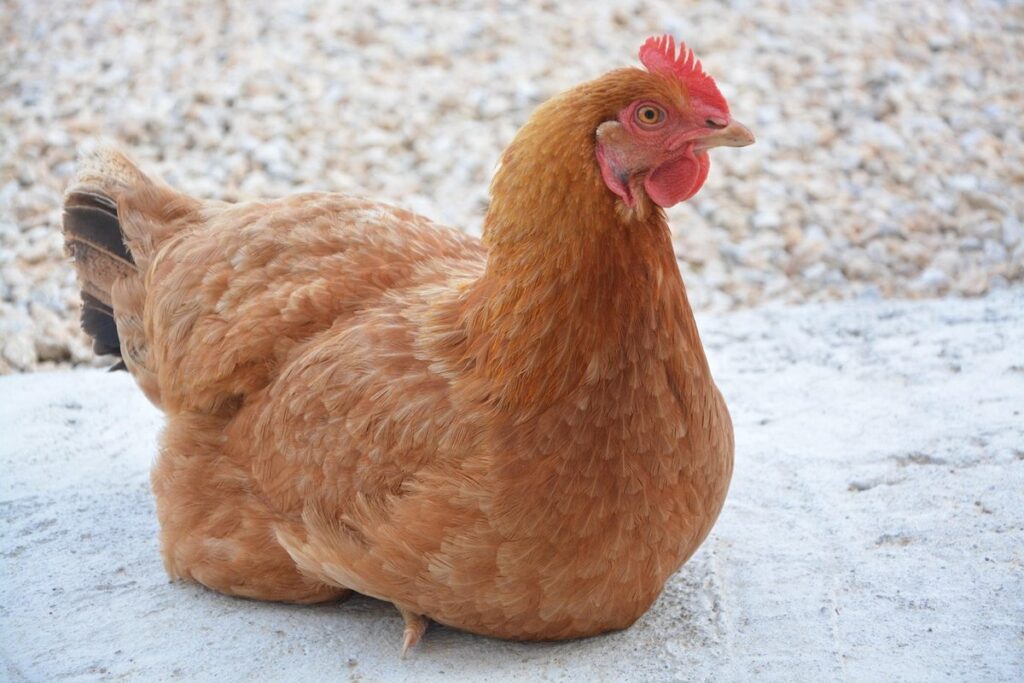
As you observe your hen’s physical development, pay close attention to her beak and comb. A healthy, well-developed beak is essential for pecking at feed, foraging, and even laying eggs. When a hen starts to lay, her beak will naturally become stronger and more prominent, taking on a more vibrant orange or red color. This change can begin as early as 16 weeks of age, signaling that your hen is ready to start laying.
A well-developed comb is also an essential indicator of reproductive maturity in hens. A healthy comb should be plump, firm, and have a bright red or pink color. As a hen approaches egg-laying age, her comb will become more vibrant and pronounced, indicating increased estrogen levels that are preparing the hen’s reproductive system for egg production.
Keep in mind that individual breeds can vary significantly when it comes to beak and comb development. Some breeds may exhibit these signs earlier or later than others. It’s essential to familiarize yourself with your specific breed’s characteristics and growth patterns to accurately assess your hen’s readiness to lay eggs.
Behavioral Changes Preceding Egg Laying
As you’re waiting for your hen to start laying, it’s essential to recognize changes in her behavior that indicate she’s nearing egg production. Look out for subtle signs like increased nesting box interest and altered pecking habits.
Increased Roaming and Exploration
As hens prepare to start laying eggs, you may notice them becoming more curious and adventurous. This is often a sign that they’re getting ready to take on the responsibility of egg-laying. One common behavior exhibited by hens before starting to lay eggs is increased roaming and exploration.
You might find your hen venturing further away from the coop than usual, investigating every nook and cranny of the yard. She may even try to sneak into neighboring areas or underbrush that she previously avoided. This exploratory behavior is a natural response to her increasing hormone levels and energy needs.
In addition to roaming, you might notice your hen examining objects more closely than before. She may peck at twigs, leaves, and other small items with renewed interest. This attention to detail could be a sign that she’s preparing for egg-laying by checking out potential nesting sites or materials.
Vocalizations and Social Interactions
As you watch your hen’s behavior, pay close attention to her vocalizations and social interactions – they can be indicative of her transition into egg-laying maturity. Changes in her normal routine may signal that she’s getting ready to lay eggs.
Hens often exhibit increased communication with their flock members before starting to lay, which is a natural process as they prepare for motherhood. You may notice them engaging in more frequent chirping, clucking, or even loud squawking to alert other hens of potential threats or food sources. This sudden increase in vocalizations can be an early sign that she’s preparing her reproductive system for egg-laying.
In some cases, you might observe your hen becoming more assertive within the flock, establishing dominance over other hens as they prepare for nesting and brooding behaviors associated with laying eggs. Observe how she interacts with her peers – does she seem to be taking charge or seeking attention from others? These subtle changes can be crucial in predicting when egg-laying will commence.
Keep an eye out for these early signs, as they often occur several days before actual egg-laying begins.
Environmental Factors Influencing Egg Laying
As you consider whether a hen is ready to start laying eggs, it’s essential to take into account the environmental factors that can impact her egg-laying ability. Let’s explore how things like light, temperature, and space can affect your hens’ reproductive cycles.
Light Exposure and Photoperiod
Light exposure and photoperiod play a crucial role in regulating a hen’s reproductive cycle and egg production. As days get longer, hens are stimulated to lay eggs, while shorter days induce molting. A hen needs around 14 hours of daylight to start producing eggs consistently.
A natural photoperiod is essential for maintaining a healthy reproductive cycle. Hens kept indoors with artificial lighting can experience stress due to an inconsistent day-night cycle, leading to irregular egg-laying patterns. To promote natural light exposure:
* Provide windows or skylights for direct sunlight
* Ensure adequate ventilation and airflow to prevent heat buildup
* Consider installing LED grow lights that mimic natural daylight
When introducing a new hen to your flock, it’s essential to acclimate her to the existing day-night cycle. Gradually increase daylight hours over 7-10 days to help her adjust and start laying eggs within 4-6 weeks. Monitor her behavior and adjust lighting accordingly to prevent stress and promote optimal egg production.
Temperature and Climate Considerations
When it comes to egg laying, temperature and climate play a significant role in determining the frequency and quality of eggs produced by your hens. In ideal conditions, most breeds will lay eggs between 40°F and 80°F (4°C and 27°C). However, extreme temperatures can impact their ability to produce eggs.
At the lower end of this range, egg production drops significantly. Below 32°F (0°C), hens will stop laying altogether due to energy conservation efforts. Conversely, high temperatures above 90°F (32°C) can also impede egg production as birds may divert energy towards evaporative cooling instead of laying eggs.
In temperate climates with moderate temperatures and humidity levels, you’re more likely to see consistent egg laying from your hens. However, in regions with extreme temperature fluctuations or prolonged heatwaves, it’s essential to provide a suitable environment for your flock, including adequate ventilation, shade, and access to cool water.
By understanding the impact of temperature and climate on your hens’ ability to lay eggs, you can take proactive steps to create an optimal environment that promotes regular egg production. This may involve providing sheltered areas or implementing cooling systems during heatwaves, ensuring your girls stay comfortable and healthy throughout the year.
Tips for Encouraging Healthy Egg Laying
To keep your hens happy and healthy, it’s essential to create an environment that encourages them to lay eggs regularly and sustainably. Here are some simple tips to get you started.
Providing Adequate Nutrition and Supplements
Providing hens with adequate nutrition is essential to encourage healthy egg laying. A balanced diet should include high-quality protein sources such as commercial layer feed, mealworms, and sunflower seeds. Fresh fruits and vegetables like leafy greens, carrots, and apples can also be given in moderation.
It’s crucial to avoid over-supplementing your hens with treats, as this can lead to a range of health problems. Instead, provide a calcium supplement specifically designed for laying hens. This will help maintain strong eggshell production without causing an imbalance in their diet.
Some common signs that your hen is receiving inadequate nutrition include soft or weak eggs, or even stopped laying altogether. To avoid these issues, make sure to follow the manufacturer’s recommendations for commercial feed and limit treats to 10% of their daily intake. This will help you strike a balance between providing a nutritious diet and not over-indulging your hens.
Some recommended supplements include oyster shells, which are rich in calcium, or probiotics to support gut health. Always research the ingredients and consult with a veterinarian before introducing new supplements to your flock’s diet.
Creating Optimal Living Conditions
Creating optimal living conditions is crucial to encourage healthy egg laying in hens. A well-designed coop and suitable environment can boost their overall health and fertility. When it comes to coop design, consider providing ample ventilation, natural light, and insulation to regulate temperature extremes.
Ensure each hen has at least 3-4 square feet of space inside the coop and 8-10 square feet in the run to prevent overcrowding and stress. This will also allow them to move around comfortably and engage in natural behaviors like scratching and pecking.
Maintaining good hygiene is equally important. Clean out the coop regularly, removing soiled bedding and manure to reduce disease risk. Consider using a deep litter system with materials like straw or pine shavings that can be composted and reused.
Fresh air, clean water, and nutritious feed are also essential for healthy egg laying. Make sure to place your hen’s feeding and watering stations in a quiet, draft-free area to prevent contamination and stress. By creating a comfortable living space, you’ll set your hens up for success and increase the chances of them laying eggs regularly.
Frequently Asked Questions
What’s a good age to expect my first eggs from my backyard flock?
If you’ve introduced young hens to your flock, it’s essential to know when to anticipate their first eggs. Generally, most chickens will start laying between 18-24 weeks of age. However, factors like breed, nutrition, and living conditions can influence this timeline. Consider monitoring your hens’ physical changes and behavioral shifts for a more accurate estimate.
Can I still get eggs from my older hen if she’s not laid in a while?
Yes, it’s possible to stimulate egg production in an older hen that has stopped laying. Ensure her diet is balanced with adequate calcium and protein sources. Also, provide your hen with adequate light exposure (around 14 hours of daylight) and maintain optimal living conditions.
How do I know if my hen’s health issues are affecting her egg-laying abilities?
If you’ve noticed a decline in your hen’s egg production or other concerning behaviors, it’s likely due to underlying health issues. Regularly inspect your hens for signs of illness (such as labored breathing, diarrhea, or lethargy) and consult with a veterinarian if necessary.
Can I introduce new chickens to my flock without disrupting their laying schedule?
When introducing new birds, make sure they’re healthy and from reputable sources. Monitor your entire flock’s behavior and adjust their environment accordingly. Keep in mind that stress caused by new additions can impact egg production temporarily, but with proper integration, your hens should return to normal.
How often should I collect eggs to ensure optimal storage conditions?
It’s essential to collect eggs daily or at least every other day to maintain cleanliness and prevent damage. Store them in a cool, dry place to keep the eggs fresh for longer. Be sure to handle the eggs gently to avoid breakage and preserve their quality.