
When it comes to breeding success, understanding the fertility of your birds is crucial. Fertility testing in hatching eggs can be a game-changer for many backyard chicken keepers and large-scale breeders alike. If you’re struggling with low hatch rates or inconsistent results, it’s likely due to factors affecting fertility that can be easily identified and improved upon. In this comprehensive guide, we’ll delve into the importance of fertility in hatching eggs, explore common factors that impact it, and walk you through various types of tests to determine your birds’ reproductive health. We’ll also share expert strategies for optimizing breeding programs and improving fertility rates, helping you make informed decisions and take your flock’s success to the next level.
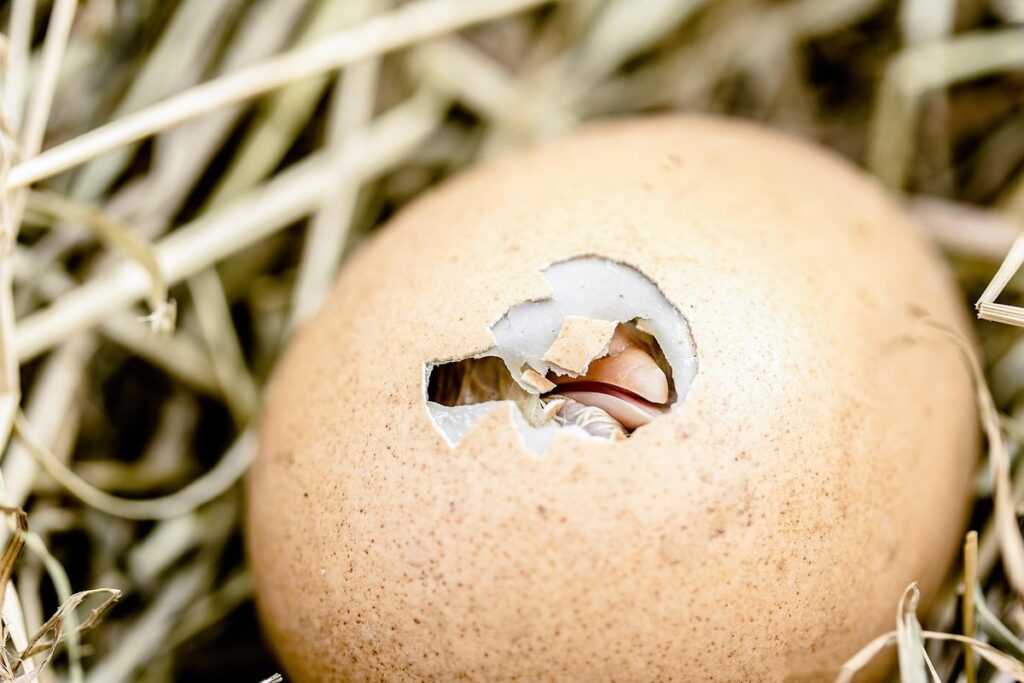
Understanding Fertility and Its Importance in Chickens
Let’s dive into why fertility matters when it comes to breeding chickens, including what factors can affect a chicken’s ability to reproduce.
What is Fertility in Chickens?
When it comes to chickens, fertility refers to the ability of roosters to fertilize eggs laid by hens. It’s a critical aspect of breeding programs and hatchery operations, as fertile eggs are essential for successful incubation and chick hatching. In simple terms, if an egg is not fertilized, it won’t develop into a healthy chick, no matter how well it’s incubated.
For breeders and hatcheries, fertility plays a significant role in maintaining genetic diversity and producing high-quality birds. Fertile eggs ensure that the desired traits are passed on to the next generation, which is crucial for breed improvement programs. Moreover, fertile eggs are also essential for commercial egg production, as they guarantee consistent egg quality and hatchability.
To gauge fertility levels, breeders often conduct sperm penetration tests or fertility testing kits. These tools help identify issues such as low sperm count, poor motility, or abnormal morphology in the rooster, allowing for targeted interventions to improve fertility. By monitoring fertility regularly, breeders can make informed decisions about their breeding programs and optimize egg production.
Factors Affecting Fertility in Chickens
Chickens’ fertility can be significantly impacted by several factors, which are essential to understand when evaluating egg fertility. The breed of chicken is a critical factor, with some breeds being more fertile than others due to their genetic makeup and reproductive characteristics. For instance, Leghorns are known for their high fertility rates compared to other breeds.
Age also plays a significant role in determining fertility, as young hens typically experience lower fertility rates compared to mature ones. According to studies, hens between the ages of 2-3 years exhibit optimal fertility levels. Moreover, poor health status can drastically reduce fertility, with issues such as egg yolk peroxidase activity being indicative of reproductive problems.
Nutritional factors are also crucial in maintaining high fertility levels in chickens. A balanced diet rich in essential vitamins and minerals, particularly calcium, is vital for reproductive health. Environmental conditions, including stress and exposure to disease, can further impact fertility rates.
Types of Fertility Tests Used in Hatching Eggs
Understanding what type of fertility test is best for your needs can be overwhelming, so let’s break down the various methods used to assess egg fertility. We’ll explore the different testing options in this section.
Visual Examination of Oviducts
When evaluating the fertility of hens, visual examination of oviducts is an essential technique. This process involves a veterinarian or experienced poultry breeder inspecting the oviducts, which are the tubes that transport eggs from the ovaries to the cloaca.
During the examination, several key factors are considered, including the presence of yolk in the oviducts, the condition of the shell glands, and any signs of inflammation or damage. A hen with good fertility will have a well-developed shell gland and visible yolk in the ampulla region of the oviduct.
To perform this examination, the hen is first restrained to ensure her safety and comfort. The oviducts are then gently palpated and visually inspected for any signs of abnormalities. Factors such as age, breed, and nutrition can impact fertility, so these considerations should also be taken into account when making a determination.
A well-performed visual examination of oviducts can provide valuable insights into the fertility potential of a hen, helping to identify any potential issues before breeding begins. By combining this technique with other fertility tests, such as semen analysis and ovulation timing, breeders can make informed decisions about their breeding program.
Biochemical and Hormonal Testing
Biochemical and hormonal testing is an essential aspect of evaluating fertility in hatching eggs. These tests measure various biomarkers and indicators that can reveal underlying reproductive health issues affecting the egg’s ability to hatch successfully.
One common biochemical test used is the estrogen and progesterone (E+P) ratio, which assesses the balance between these two hormones crucial for ovulation and fertilization. An abnormal E+P ratio can indicate reproductive problems such as anovulatory cycles or unexplained infertility. Another test measures the concentration of follicle-stimulating hormone (FSH), which helps evaluate ovarian reserve and reproductive age.
Hormonal tests, like the human chorionic gonadotropin (hCG) test, detect the presence of hCG in the egg’s reproductive tract, indicating successful implantation and ovulation. Conversely, high levels of luteinizing hormone (LH) can suggest issues with ovulation timing or frequency.
Interpreting these biochemical and hormonal results requires expertise; therefore, it is crucial to work with a trained professional who can provide accurate guidance on how to proceed with fertility treatments.
Preparing Hatching Eggs for Fertility Testing
Before conducting fertility testing on your hatching eggs, it’s essential to properly prepare them by following a few simple steps to ensure accurate results. This section will guide you through that process.
Collecting and Handling Eggs
Collecting and handling eggs for fertility testing requires careful attention to detail to ensure their quality and integrity are maintained. When collecting eggs from breeders or suppliers, it’s essential to inspect them carefully for any visible cracks, dirt, or damage that could compromise the fertility test results.
Before transporting eggs, make sure they are properly stored in a cool, dry place away from direct sunlight. The ideal storage temperature is between 55°F and 65°F (13°C and 18°C). Do not store eggs near drafts, heat sources, or strong-smelling materials that can affect their quality.
When handling eggs, always wash your hands thoroughly before touching them to prevent contamination. Gently place eggs in a ventilated container or bag to prevent moisture buildup. Keep the eggs upright to prevent yolks from settling and causing damage. If transporting eggs over long distances, consider using specialized egg transport containers with proper ventilation and cushioning.
During transportation, maintain a consistent temperature between 55°F and 65°F (13°C and 18°C). Avoid exposing eggs to extreme temperatures or vibrations that can cause damage.
Cleaning and Sanitizing Equipment
Cleaning and sanitizing equipment used for fertility testing is an essential step to prevent contamination and ensure accurate results. When handling hatching eggs, even small amounts of bacteria can compromise the integrity of the test and lead to false positives or negatives.
To maintain a clean environment, all equipment should be thoroughly cleaned and sanitized after each use. This includes pipettes, test tubes, and any other devices that come into contact with the egg. Use a mild detergent and warm water to wipe down surfaces, then rinse with distilled water. Next, immerse the equipment in a sanitizing solution for 10-15 minutes.
Regularly cleaning and sanitizing equipment helps prevent cross-contamination between eggs. For example, if an instrument is not properly cleaned after testing one egg, bacteria can be transferred to another egg, potentially skewing results. To avoid this risk, keep your workspace organized, designate a specific area for equipment storage, and follow established protocols for cleaning and sanitizing instruments. By prioritizing cleanliness, you’ll ensure the accuracy of fertility test results.
Conducting Fertility Tests: Procedures and Best Practices
To determine if your eggs are fertile, you’ll need to conduct a fertility test. This involves following specific procedures to assess embryo viability and identify any potential issues.
In-Vitro Fertilization (IVF) Testing
In-vitro fertilization (IVF) is a crucial testing method used to assess fertility in hatching eggs. The IVF process involves handling the eggs with utmost care, as any damage can affect the outcome of the test. Here’s an overview of how IVF works:
To initiate the IVF process, the egg must be released from its shell and placed in a specialized culture medium. This medium mimics the conditions found inside a hen’s reproductive tract, allowing the egg to begin developing normally. Once the egg is settled, it’s fertilized using a sperm sample. The fertilization process typically occurs within 12-24 hours of placement.
After fertilization, the embryo begins its developmental stages. This stage can take anywhere from 3-5 days, depending on various factors like temperature and medium quality. During this period, the IVF technician closely monitors the developing embryo for signs of viability, such as cell division, blastocyst formation, and morphological changes.
It’s essential to note that not all eggs will develop equally, so the results should be interpreted carefully. For instance, some embryos might have a lower rate of cell division or fail to form a proper blastocyst, which could indicate underlying fertility issues.
Microscopic Examination of Oviducts and Eggs
The microscopic examination of oviducts and eggs is a crucial fertility test that helps determine the quality and healthiness of reproductive cells. This procedure involves examining the oviducts, where egg-laying occurs, and the eggs themselves under a microscope to assess their viability.
To conduct this test, a sample from the ovary or oviduct is collected and prepared for microscopic examination. The examiner looks for signs of damage or abnormalities in the oviducts, such as inflammation, blockages, or scarring. They also inspect the eggs for any defects, such as irregular shape, size, or color.
During this test, several key factors are observed, including egg maturity, egg quality, and sperm penetration ability. Eggs that are deemed fertile will have a clear zona pellucida, smooth surface, and even shape. In contrast, infertile eggs may exhibit rough surfaces, uneven shapes, or other visible defects.
This test helps breeders identify potential fertility issues in their flock and take corrective measures to improve egg quality. By examining the oviducts and eggs microscopically, breeders can make informed decisions about which birds to breed and how to optimize their breeding programs for better fertility rates.
Interpreting Fertility Test Results
Understanding your fertility test results can be confusing, but don’t worry, we’ll break down what each result means and how to make informed decisions about your breeding program.
Understanding Fertility Rates and Statistics
When interpreting fertility test results for hatching eggs, it’s essential to understand common metrics used in fertility testing. Fertility rates refer to the percentage of fertile eggs present in a given sample. This is typically calculated by dividing the number of fertile eggs by the total number of eggs examined.
Conception rates, on the other hand, measure the likelihood of successful fertilization and development of an embryo. A high conception rate indicates that most fertile eggs are successfully fertilized.
Embryonic survival rates provide insight into the egg’s ability to support early-stage embryonic growth. A healthy embryonic survival rate suggests a stable environment for optimal development.
To put these statistics into perspective, consider this: a reputable breeder may aim for a minimum fertility rate of 80%, with conception and embryonic survival rates above 90%. Conversely, low fertility rates can indicate underlying health issues in the flock or inadequate nutrition. When interpreting your results, remember that even small variations in fertility metrics can significantly impact hatchability.
Strategies for Improving Fertility in Hatching Eggs
When interpreting fertility test results, breeders and hatcheries can use them to optimize breeding programs and improve overall reproductive efficiency. One key strategy is to identify the most fertile females within a flock and prioritize their breeding. This can be achieved by selecting females that have consistently high fertility rates across multiple tests.
Another approach is to analyze the data on sperm quality and concentration, and use this information to make informed decisions about breeding programs. For example, if a particular breed or line has low sperm quality, it may be beneficial to introduce genetic diversity through outbreeding.
Additionally, breeders can use fertility test results to identify potential issues with environmental factors such as lighting, nutrition, or temperature, which can impact reproductive efficiency. By taking steps to address these underlying causes, breeders can improve overall fertility rates and reduce the need for costly replacement stock.
Managing Fertility Programs: Challenges and Opportunities
As you navigate the complexities of fertility testing in hatching eggs, managing fertility programs poses a unique set of challenges that require careful consideration. Let’s explore these challenges together.
Balancing Breeding Objectives with Fertility Levels
Achieving desired breeding goals is crucial for poultry farmers and breeders. However, maintaining optimal fertility levels in chickens is equally important to ensure the success of their programs. The delicate balance between these two objectives can be challenging to achieve.
When setting breeding objectives, farmers must consider various factors such as growth rate, egg production, and disease resistance. They may also want to prioritize specific traits like feather quality or eggshell strength. However, pushing too hard for certain characteristics can compromise fertility levels. For example, selecting for faster-growing breeds can sometimes reduce fertility due to increased stress on the reproductive system.
To strike a balance between breeding objectives and fertility levels, farmers should monitor their flocks’ fertility closely throughout the breeding season. Regular fertility testing can help identify trends and patterns that indicate whether their breeding program is putting too much pressure on their birds.
Fertility testing also enables breeders to make informed decisions about their selection process. By identifying individuals with high fertility rates, they can prioritize them in their breeding programs. This approach can help maintain optimal fertility levels while still achieving desired breeding goals.
In practical terms, farmers should strive for a minimum average fertility rate of 80-90% for their breeding flocks. Below this threshold, fertility may be compromised due to factors like heat stress or disease pressure. By setting realistic targets and regularly monitoring fertility, breeders can find the optimal balance between achieving desired traits and maintaining healthy reproductive function in their birds.
Frequently Asked Questions
How soon after conducting fertility tests can I implement changes to improve my birds’ reproductive health?
You can start making adjustments immediately after receiving your test results. However, it’s essential to wait for a few breeding cycles to assess the effectiveness of the changes you’ve implemented. This allows you to accurately track improvements in fertility rates and make further adjustments as needed.
Can I perform fertility tests on eggs from any breed or age of chicken?
Fertility testing is most accurate when performed on eggs from breeds that are known to be fertile, such as Leghorns or Rhode Island Reds. It’s also best to test eggs from hens between 1-3 years old, as fertility tends to decrease with age.
How do I maintain the accuracy of my fertility tests and ensure reliable results?
To maintain accurate results, it’s crucial to follow proper handling, storage, and testing procedures for the eggs. This includes maintaining a consistent temperature during transportation, storing eggs at 55-60°F (13-16°C), and adhering to the recommended test protocols.
What if my fertility tests indicate that my birds’ reproductive health is satisfactory, but I still experience low hatch rates?
If your fertility tests show satisfactory results, yet you continue to struggle with low hatch rates, there may be other factors at play. Consider evaluating your incubation techniques, egg handling procedures, and environmental conditions within the coop or breeding area.
Can I rely solely on visual inspection of eggs for fertility testing, or are additional tests necessary?
While visual inspection can provide some insight into fertility, it’s not a reliable method for determining reproductive health. Additional tests such as In-Vitro Fertilization (IVF) Testing or Microscopic Examination of Oviducts and Eggs are more accurate and should be used in conjunction with visual inspections to get a comprehensive picture of your birds’ fertility.