
Feather pecking in chickens is one of those annoying behaviors that can leave even the most experienced backyard chicken keepers scratching their heads. Not only does it cause frustration, but it also poses a significant risk to your flock’s well-being. But why do chickens engage in feather pecking? Is it something you’ve caused, or is it just a natural behavior? Understanding the causes of feather pecking is essential to developing effective solutions that will prevent this damaging behavior from taking hold.
In this article, we’ll explore the reasons behind feather pecking and provide practical tips on how to prevent it. From nutrition and enrichment to social dynamics and environmental factors, we’ll cover all the key areas that contribute to feather pecking in chickens. By the end of this post, you’ll be equipped with the knowledge and strategies needed to create a happy, healthy flock that’s free from the stress and damage caused by feather pecking.
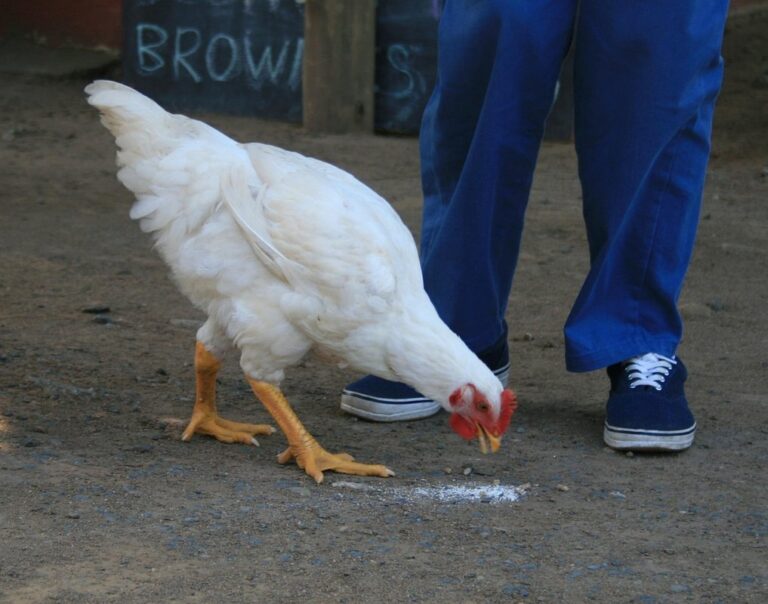
Understanding Feather Pecking Behavior
Feather pecking behavior can be a sign of underlying issues, so let’s dive into what causes it and how you can identify the signs in your flock.
What is Feather Pecking?
Feather pecking is one of the most common behavioral issues seen in backyard chicken flocks. It’s a destructive and distressing behavior that can cause significant stress to both the birds themselves and their owners. Chickens will often peck at their own or other flock members’ feathers, sometimes even pulling out entire clumps of plumage.
This behavior is not only unsightly but can also lead to serious consequences for your chickens’ health and well-being. Feather loss can expose sensitive skin to drafts and moisture, increasing the risk of frostbite and infection. In severe cases, feather pecking can even result in the death of a bird. For example, if a chicken is severely injured or stressed due to excessive feather pecking, it may become vulnerable to predators or succumb to illnesses.
It’s essential to identify and address this behavior as soon as possible to prevent further harm to your flock. In the next section, we’ll explore some of the common causes of feather pecking and provide practical advice on how to prevent and manage this issue in your backyard chicken flock.
Prevalence of Feather Pecking
Feather pecking is an alarming issue affecting chicken flocks worldwide. It’s not just a minor concern; it’s a widespread problem that impacts bird welfare and farm productivity significantly. According to a study published by the University of Cambridge, feather pecking affects up to 90% of commercial laying hens in some countries.
In backyard flocks, the prevalence is also high, with many owners unaware of the underlying causes or how to address it. Feather pecking not only leads to stress and injury but also results in significant losses for farmers due to reduced egg production and increased mortality rates. For instance, a study by the US Poultry & Egg Association found that feather pecking costs the poultry industry an estimated $300 million annually.
The key takeaway is that feather pecking is a complex issue that requires immediate attention from chicken keepers and farmers. It’s essential to understand its underlying causes – stress, boredom, nutritional deficiencies, or environmental factors – and address them proactively to prevent this behavior. By doing so, you can promote healthier, more productive flocks and improve overall welfare for your chickens.
Factors Contributing to Feather Pecking
Feather pecking is a complex behavior that can be influenced by multiple factors. One of the primary causes is nutritional deficiencies, particularly a lack of adequate protein and calcium in the diet. Chickens require these essential nutrients to maintain strong feathers and overall health. When their dietary needs are not met, they may resort to pecking at each other’s feathers as a means of compensation.
Another factor contributing to feather pecking is stress and boredom. Chickens that are confined to small spaces or lack access to engaging activities can become frustrated and redirect this energy towards feather pecking. Additionally, changes in the flock’s social dynamics, such as introducing new birds, can also trigger pecking behavior.
Individual personalities play a significant role in determining a chicken’s likelihood of developing feather pecking habits. Some chickens may be more prone to aggression or dominance due to their genetic makeup. Identifying and separating these birds can help reduce the risk of feather pecking within the flock.
Genetics and Breed Susceptibility
Some chicken breeds are naturally more prone to feather pecking due to their genetic makeup. Research suggests that certain breeds with strong foraging instincts and high energy levels may be more likely to engage in feather pecking behavior.
For instance, studies have shown that Leghorn chickens are one of the most common breeds affected by feather pecking. This is because Leghorns are bred for egg production and have a high energy level, which can lead them to develop stereotypical behaviors like feather pecking.
Another breed known to be susceptible to feather pecking is the White Cornish. This breed has been specifically developed for its rapid growth rate and meat production capabilities. However, their genetic predisposition makes them more prone to feather pecking due to boredom and lack of stimulation in intensive farming systems.
If you’re raising chickens from a breed that’s known to be susceptible to feather pecking, it’s essential to provide them with an enriching environment to mitigate this behavior. This can include adding foraging toys, scratching posts, and perches to keep your flock entertained and stimulated. By doing so, you may be able to reduce the incidence of feather pecking in your flock.
Environmental Factors
When it comes to understanding feather pecking behavior in chickens, environmental factors play a significant role. Proper nutrition is essential for maintaining healthy feathers and preventing pecking. A diet that lacks essential vitamins and minerals can lead to poor feather quality, causing stress on the bird’s skin and underlying tissues. This stress can trigger feather pecking as a coping mechanism.
Lighting also has an impact on feather pecking behavior. Chickens are natural foragers and prefer natural light, which helps regulate their circadian rhythms. Inadequate lighting or incorrect spectrum of light can lead to frustration and boredom, causing chickens to engage in feather pecking.
Space is another crucial environmental factor influencing feather pecking behavior. Chickens require adequate space to move around and engage in natural behaviors like foraging, dust bathing, and perching. Insufficient space can cause stress, leading to feather pecking as a coping mechanism.
To prevent or address feather pecking caused by environmental factors, provide your flock with a balanced diet that meets their nutritional needs, ensure adequate lighting that mimics natural conditions, and allocate sufficient space for exercise and natural behaviors.
Causes of Feather Pecking
Feather pecking can be a frustrating problem for chicken keepers, and understanding its underlying causes is key to finding effective solutions. Let’s explore some common reasons why your flock might be developing this behavior.
Nutritional Deficiencies
Nutritional deficiencies are a significant factor contributing to feather pecking behavior in chickens. One of the primary culprits is protein imbalance. When chickens don’t receive adequate protein, they may resort to pecking at feathers due to hunger or malnutrition. A study by the University of Cambridge found that hens fed low-protein diets were more likely to engage in feather pecking behavior than those on high-protein diets.
Another crucial nutrient linked to feather pecking is calcium. Insufficient calcium can lead to poor feather condition, making them more susceptible to damage and subsequent pecking. A survey by the Poultry Health Services found that over 50% of farms experiencing feather pecking issues had inadequate calcium levels in their feed. To address this issue, ensure your flock receives a balanced diet with adequate protein (around 16-18%) and sufficient calcium (around 2.5-3%). You can also consider adding supplements or adjusting the feeding schedule to meet your birds’ nutritional needs. Regular monitoring of feed quality and consumption will help identify any potential imbalances early on, preventing feather pecking behavior from developing.
Stress and Anxiety
Chickens are intelligent animals that thrive on routine and familiarity. When their environment is disrupted by changes such as a new flock member, predator sightings, or even a change in feed, it can cause significant stress and anxiety. These feelings of unease can manifest in various ways, including feather pecking behavior.
For instance, introducing new birds to an existing flock can be a recipe for disaster if not done properly. The sudden presence of unfamiliar animals can lead to fights, establishing dominance hierarchies, and even feather pecking. To minimize the risk, it’s essential to integrate new birds slowly, allowing them to get accustomed to each other gradually.
Moreover, changes in environment, such as moving the coop or adding a new enclosure, can also cause stress in chickens. This is because they have a strong instinctual memory of their surroundings and any alterations can make them feel vulnerable. To alleviate this anxiety, it’s crucial to provide a consistent environment that meets their needs and reduces stress triggers.
In addition, poor flock dynamics, such as bullying or pecking orders, can also contribute to feather pecking behavior. This is often caused by an imbalance in the flock’s social structure, where some birds are overly dominant while others feel subordinate. To rectify this issue, it’s vital to monitor your flock’s behavior and take steps to address any problems that may arise.
To mitigate stress and anxiety-related feather pecking, consider implementing enrichment activities such as foraging toys or providing more space for exercise. This can help redirect their attention away from destructive behaviors and towards positive ones. By recognizing the root causes of stress in your flock and taking proactive measures, you can create a healthier environment that promotes well-being and reduces the likelihood of feather pecking behavior.
Solutions for Preventing Feather Pecking
Now that we’ve explored the causes of feather pecking, let’s dive into practical solutions to prevent it from happening in your flock. Effective management strategies are key to keeping your chickens happy and healthy.
Providing a Nutritious Diet
Providing a balanced and nutritious feed is crucial in preventing feather pecking among chickens. Chickens have specific dietary needs that must be met to ensure they stay healthy and content. A diet lacking essential nutrients can lead to stress, which may trigger feather pecking behavior.
Key components of a nutritious chicken feed include high-quality proteins, calcium for strong bones, vitamins, and minerals. You can achieve this by using a commercial layer feed as the main staple and supplementing it with grains like oats or barley. Fresh fruits and vegetables also provide essential nutrients but should be given in moderation to avoid digestive issues.
For example, offering leafy greens like kale or spinach provides vital vitamins A and E, while carrots offer beta-carotene. However, make sure to introduce new foods gradually to prevent sudden changes that might cause stress. Always ensure access to fresh water, too, as dehydration can exacerbate the risk of feather pecking.
Aim for a mix that’s around 70-80% commercial feed, 10-15% grains, and 5-10% fruits and vegetables. Monitor your flock’s response and adjust accordingly to create an optimal diet tailored to their needs.
Ensuring Adequate Space and Enrichment
Providing your chickens with enough space to roam, exercise opportunities, and enrichment activities is crucial in reducing stress and boredom. These are primary causes of feather pecking behavior. A good rule of thumb is to allocate at least 2-4 square feet per chicken inside the coop and 8-10 square feet in the run.
Exercise is also essential for chickens’ physical and mental health. You can create a simple agility course using items like PVC pipes, tunnels, or even cardboard boxes to keep your flock active and engaged. Enrichment activities, such as providing scratching posts, climbing structures, or hiding treats, will also stimulate their natural foraging behavior.
Offering a varied diet and fresh water is equally important. A nutrient-deficient diet can lead to stress and boredom in chickens. Rotate your feed regularly and consider supplementing with fruits and vegetables. Ensure the coop is well-ventilated and maintained at a comfortable temperature to reduce stress on your flock.
Managing Feather Pecking Flocks
If you’re a flock owner struggling to manage feather pecking behavior, this section will provide practical tips on creating a stress-free environment for your chickens. We’ll cover strategies to prevent and address feather pecking in your flock.
Identifying and Isolating Problem Birds
Identifying birds that are engaging in feather pecking behavior is crucial to addressing this issue within your flock. To start, observe your birds closely for signs of aggression towards others, such as chasing, pecking at the back or shoulders of other birds, or stealing food from them. You can also look out for birds with damaged feathers or bare spots on their bodies.
Once you’ve identified a problem bird, it’s essential to isolate it from the rest of the flock immediately. This will help prevent further stress and damage to the other birds. To do this, place the problem bird in a separate enclosure or aviary until you can determine its behavior is not driven by hunger, thirst, or health issues.
When isolating a problem bird, consider providing a companion for it, such as another bird from a different flock that has shown gentle and calm nature. This can help alleviate any stress caused by separation and provide the bird with social interaction while preventing further feather pecking behavior in your main flock.
Implementing Behavior Modification Techniques
When you’ve identified problem birds contributing to feather pecking in your flock, it’s time to implement behavior modification techniques. This is where positive reinforcement training and environmental modifications come into play.
Positive reinforcement training involves rewarding desired behaviors with treats or praise, gradually increasing the frequency of those actions until they become a habit for the bird. For example, you can start by teaching problem birds to eat from their feeders without getting pecked at by others. Place two hens together in the same feeder and reward them both for calmly eating side by side.
Environmental modifications include changing the layout or design of your coop to reduce stressors that might be contributing to feather pecking behavior. This can involve rearranging nesting boxes, adding perches or scratching posts, or even creating a ‘quiet area’ where birds can retreat from the rest of the flock when needed. By altering these factors, you can reduce competition and stress among hens.
Make sure your environmental modifications align with your flock’s specific needs and preferences – it may require some trial and error to find what works best for them.
Best Practices for Backyard Chicken Keepers
To prevent feather pecking from becoming a serious issue, follow these essential best practices to keep your flock happy and healthy. This includes proper coop design and daily management routines.
Creating a Safe and Stress-Free Environment
When it comes to raising backyard chickens, providing a safe and stress-free environment is crucial for their overall well-being. A happy and healthy flock is less likely to engage in feather pecking behavior, which can be both distressing and damaging to the birds.
To create a calm atmosphere, ensure your coop has adequate ventilation, natural light, and insulation. Chickens prefer temperatures between 40°F and 80°F, so keep an eye on the thermometer. Provide plenty of space for them to move around, with at least 3-4 square feet per bird inside the coop and 8-10 square feet in the run.
Offer a variety of activities to keep your flock stimulated. For example, you can add toys like swings, ladders, or treat-dispensing puzzle toys to encourage exploration and foraging behavior. Also, rotate their feeding and watering stations regularly to prevent boredom and stress caused by repetitive tasks.
Avoid overcrowding, as this can lead to increased competition for resources and space. Introduce new birds gradually, allowing existing flock members to get accustomed to the newcomers’ presence and personalities.
Early Intervention and Monitoring
Regular monitoring of your flock is crucial to detect potential issues early on. As soon as you notice changes in behavior, such as pecking at each other’s feathers, it’s essential to intervene promptly. This could be a sign that something is amiss, whether it’s related to nutrition, stress levels, or even boredom.
When monitoring your flock, keep an eye out for signs of feather pecking. These may include bald patches on birds, excessive preening, and changes in appetite or sleep patterns. If you notice any of these red flags, start investigating the underlying causes.
To prevent issues from escalating, establish a routine check-in with each bird to observe their behavior, droppings, and overall health. Make notes on individual birds’ habits and report any concerns to your veterinarian. Keep your coop clean, well-ventilated, and free from drafts to minimize stress factors.
Addressing potential issues early can make all the difference in preventing feather pecking. Don’t wait until the problem has taken hold – act promptly to ensure a harmonious flock.
Frequently Asked Questions
Can I still get my flock to recover if they’ve already developed feather pecking behavior?
Yes, with patience and persistence, it is possible to help your flock recover from feather pecking behavior. Implementing a multi-faceted approach that addresses the underlying causes, such as nutritional deficiencies or inadequate space and enrichment, can be effective in reducing and eventually stopping the behavior.
How do I identify which birds are more prone to feather pecking?
Identifying individual birds’ risk factors for feather pecking involves observing their behavior, diet, and living conditions. Look for signs of stress, nutritional deficiencies, or boredom, and take note of any patterns in your flock’s behavior. Consult with a veterinarian or experienced backyard chicken keeper to get personalized advice on managing high-risk individuals.
Can I prevent feather pecking by separating aggressive birds from the rest of the flock?
Yes, separating aggressive birds can help reduce the stress and anxiety that contributes to feather pecking behavior. However, this should be done in conjunction with addressing the underlying causes, such as nutritional deficiencies or inadequate space and enrichment. Simply isolating problem birds may not address the root issue.
What are some immediate actions I can take to address environmental factors contributing to feather pecking?
To tackle environmental factors, start by ensuring your flock has access to adequate space and enrichment activities. Provide plenty of foraging opportunities, nesting boxes, and perches. Also, improve ventilation in your coop and run to reduce ammonia levels, which can contribute to stress and anxiety.
Can I still use free-range systems if my flock is prone to feather pecking?
While free-range systems offer many benefits, they may not be suitable for flocks with a history of feather pecking. Without proper management and supervision, these birds may continue to engage in destructive behavior. Consider transitioning your flock to a more controlled environment or consulting with an expert to develop a customized management plan.