
When raising quails for meat or eggs, providing the right nutrition is crucial to ensure optimal health and performance. One of the most critical aspects of quail feed is protein content. Quails have different nutritional requirements at various stages of their life cycle, from starters to growers and finishers. Getting it wrong can lead to decreased growth rates, reduced egg production, or even health issues.
In this article, we’ll break down the essential quail feed protein requirements for each stage, including starter nutrition and grower/finisher needs. We’ll also cover how to balance protein with other nutrients like carbohydrates, fats, and vitamins for optimal results. By understanding these specific requirements, you can create a well-rounded feed that promotes healthy growth and high egg production. Whether you’re an experienced quail breeder or just starting out, this guide will help you fine-tune your feeding strategy.
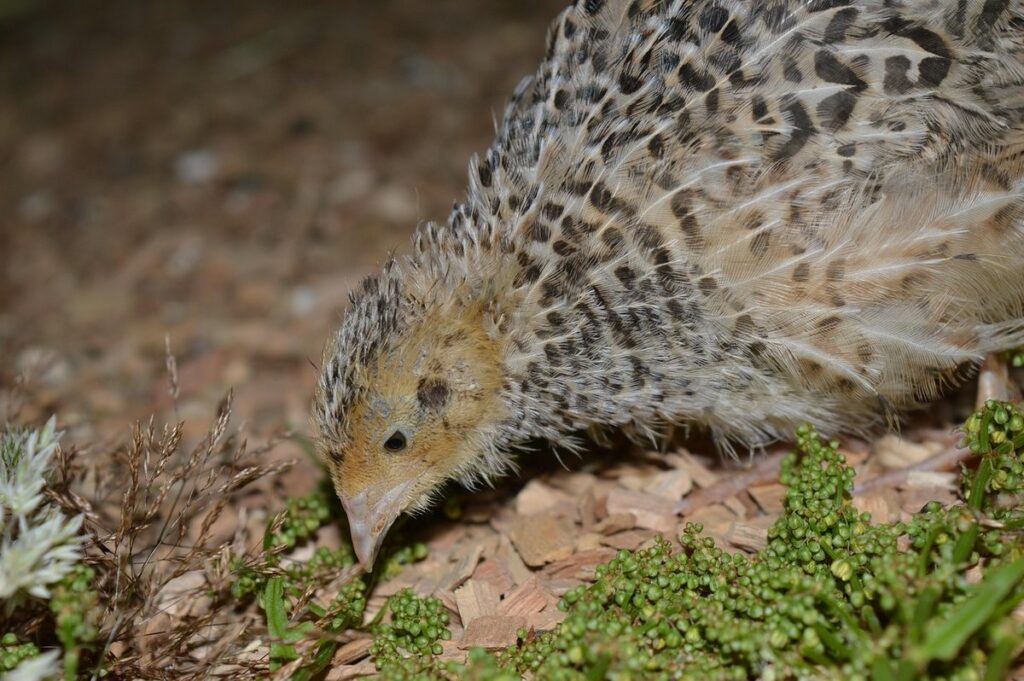
Understanding Quail Nutrition Basics
When it comes to feeding your quails, understanding their nutritional needs is crucial for optimal health and performance. Let’s break down the basics of quail nutrition to ensure you’re providing the best diet possible.
Importance of Protein in Quail Diets
Protein plays a vital role in quail nutrition, and it’s essential to understand its significance for their growth, development, and overall health. As the building blocks of life, proteins are responsible for repairing and maintaining tissues, including muscles, feathers, and bones. Amino acids, which are the components of protein, also play a crucial role in various bodily functions such as enzyme production, hormone regulation, and immune system function.
Quails require a sufficient amount of protein to support their rapid growth rate and high reproductive output. For example, a study on quail nutrition found that birds required around 16-20% crude protein in their diet to achieve optimal growth rates. Moreover, protein also helps maintain the integrity of the gut and supports the overall health of the bird.
To ensure your quails receive adequate protein, consider incorporating high-protein feed or supplements into their diet. You can also provide a variety of protein-rich foods such as mealworms, crickets, and hard-boiled eggs to complement their commercial feed.
Common Protein Sources in Commercial Quail Feeds
Commercial quail feeds often rely on a combination of protein sources to meet the nutritional needs of these birds. Grains like wheat, barley, and oats are commonly used as they provide a rich source of carbohydrates, fiber, and some essential amino acids. However, grains alone may not offer sufficient protein content for optimal growth and health.
To bridge this gap, many commercial quail feeds incorporate soybean meal as the primary protein supplement. Soybean meal is an excellent source of isoleucine and valine, two essential amino acids that are often limiting in grains. Animal by-products such as fishmeal, bone meal, and meat meal may also be added to provide a more comprehensive profile of essential amino acids.
When selecting commercial quail feeds, it’s crucial to consider the protein sources used and their impact on overall nutritional value. Look for feed formulations that include a balanced mix of grains and protein-rich ingredients to ensure your birds receive the necessary building blocks for optimal health and performance.
Recommended Protein Levels for Different Life Stages
When choosing a quail feed, understanding the recommended protein levels is crucial to ensure optimal health and performance at every life stage. Let’s take a closer look at the specific requirements for your quails.
Starter Quail Nutrition (0-4 weeks)
During the initial 4 weeks of life, quails have specific protein requirements to support rapid growth and development. It’s essential to provide optimal levels of protein to prevent deficiencies and ensure they reach their full potential.
Quail chicks require a minimum of 22-24% protein content in their starter feed during this period. However, research suggests that levels between 26-28% are more effective for promoting healthy growth rates and immune function. A study published in the Journal of Poultry Science found that quails fed with 27.5% protein had significantly better weight gain and feather development compared to those on a lower-protein diet.
Underfeeding protein during this critical period can lead to stunted growth, weakened immune systems, and increased susceptibility to diseases. On the other hand, overfeeding protein can cause digestive issues, such as diarrhea and malabsorption, which may result in reduced feed efficiency and overall productivity.
To ensure your quail starter feed meets their nutritional needs, aim for a balanced mix with 26-28% protein content. Regularly monitor their growth rates, health, and behavior to adjust the feed formulation accordingly.
Grower/Finisher Quails (4-12 weeks)
During the growth phase of 4-12 weeks, grower/finisher quails require an adequate balance of protein to support efficient weight gain. Quail feed manufacturers often recommend a minimum protein level of 18-20% for this life stage. However, research suggests that a slightly higher protein level, around 22%, can lead to better growth rates and improved efficiency.
To strike the right balance, it’s essential to consider the quails’ energy requirements as well. A general rule of thumb is to provide about 1.2-1.4 times more protein than metabolizable energy (ME). For example, if you’re providing 100 kcal ME per pound of feed, you should aim for around 120-140 grams of protein per pound.
To ensure efficient weight gain, make sure to monitor your quails’ performance and adjust the protein level as needed. Keep an eye on their growth rates, body condition, and overall health indicators such as egg production and feather quality.
Evaluating Protein Quality in Quail Feed
When selecting a feed for your quails, evaluating protein quality is crucial to ensure they receive all the essential amino acids their bodies need. This involves considering the protein’s digestibility and bioavailability.
Key Nutrient Indicators
When evaluating the quality of protein in quail feed, it’s essential to consider several key nutrient indicators. These indicators provide valuable insights into the nutritional value and digestibility of the protein source.
One critical aspect is the presence and balance of essential amino acids (EAAs). EAAs, such as methionine, lysine, and tryptophan, are vital for various bodily functions, including growth, repair, and maintenance. Amino acid profiles can vary significantly between different protein sources, making it crucial to select feed with a balanced EAA profile.
Digestibility coefficients (DCs) measure the extent to which a protein source is utilized by the quail’s body. The DC ranges from 0 to 1, with higher values indicating better digestibility. A DC above 80% indicates good quality protein.
Biological value (BV) measures the ratio of nitrogen retained in the body to nitrogen intake. This indicator assesses how efficiently a protein source is utilized for growth and maintenance. A BV above 50% is generally considered acceptable for poultry feed.
When selecting quail feed, look for products with high DCs (above 80%) and balanced EAA profiles. Consider consulting with a veterinarian or nutritionist to determine the best feed option for your specific flock.
Factors Affecting Digestibility
Protein digestibility is influenced by various environmental and physiological factors that can impact quails’ overall health and performance. Feed processing, for instance, plays a crucial role in protein availability to the birds. Over-processing can lead to denaturation of proteins, rendering them less accessible to enzymes and ultimately affecting digestibility.
Individual bird variations also significantly affect protein utilization. Factors such as age, sex, breed, and nutritional status can influence gut morphology and enzymatic activity, thereby influencing how efficiently quails can break down dietary proteins. For instance, young birds may require more efficient nutrient uptake due to their high growth rates compared to mature birds.
In addition to these factors, environmental conditions like temperature and humidity also impact protein digestibility. Research suggests that increased temperatures can lead to a decrease in protein digestibility, potentially leading to reduced bird performance. Therefore, it’s essential to consider these factors when formulating quail feed to ensure optimal health and performance.
Managing Protein Requirements for Specific Quail Production Systems
Let’s dive into managing protein requirements for different quail production systems, from backyard flocks to large-scale commercial farms, where specific needs apply. Each system requires tailored attention to optimal protein levels.
Free-Range vs. Intensive Production
When it comes to managing protein requirements for quails, producers must consider the type of production system used. Free-range and intensive systems have distinct nutritional needs that affect overall dietary formulation.
Free-range production allows quails to roam freely, foraging for food and exercising naturally. As a result, their diet can be formulated to meet lower protein levels, around 15-18% crude protein (CP), as they consume a diverse range of insects, seeds, and vegetation. This type of system also enables the quails to self-regulate their food intake based on nutritional needs.
In contrast, intensive production systems require more precise control over nutrition, as quails are confined to small areas and fed commercial feed. To meet high growth rates and egg production demands, intensive systems often use feeds formulated with higher protein levels (20-25% CP). This approach can lead to increased productivity but also poses the risk of overfeeding and nutrient imbalances if not managed correctly.
The choice between free-range and intensive systems significantly impacts dietary formulation, emphasizing the importance of understanding specific quail production needs.
Organic or Non-GMO Feed Options
Choosing organic or non-genetically modified (non-GMO) feed sources can be a viable option for quail producers seeking to minimize their environmental footprint and promote animal health. However, it’s essential to consider the varying protein levels found in these alternatives.
When selecting organic or non-GMO feeds, look for products that are certified by reputable organizations such as the USDA Organic label or Non-GMO Project Verified. These certifications ensure that the feed meets strict standards for organic production and genetic modification.
Protein levels in organic and non-GMO feeds can vary significantly depending on factors like crop type, soil quality, and climate conditions. For instance, legumes like beans and lentils tend to have higher protein content compared to grains like corn or wheat. Quail require a diet rich in protein to maintain optimal health and performance, so it’s crucial to select feed sources that meet their nutritional needs.
To transition to organic or non-GMO feeds, start by consulting with a qualified nutritionist or quail expert to determine the best feed options for your specific operation. Gradually introduce new feed sources into your quail’s diet to avoid digestive upset and ensure a smooth transition.
Potential Health Risks Associated with Imbalanced Protein Diets
If you don’t get the protein requirements right, your quail’s health can suffer significantly. This section highlights some of the potential health risks associated with feeding inadequate amounts of protein to these birds.
Nutritional Deficiencies
When it comes to quails, nutritional deficiencies can have severe consequences on their overall health and performance. One of the primary concerns is related to essential amino acid (EAA) imbalance. Quails require a balanced mix of nine EAAs to build and repair tissues, and an imbalance in these amino acids can lead to malnutrition.
Underfeeding or overfeeding quails can also cause nutritional deficiencies. Insufficient protein intake may result in stunted growth, reduced egg production, and weakened immune systems. On the other hand, excessive protein consumption can lead to kidney damage, liver problems, and even mortality.
A study on Japanese quail revealed that dietary imbalances led to decreased feed efficiency, increased excreta moisture, and higher incidence of diseases. Similarly, a research paper on coturnix quails found that inadequate protein intake resulted in reduced reproductive performance.
To avoid nutritional deficiencies in your quails, it is essential to understand their specific EAA requirements. Consult with a veterinarian or poultry expert to determine the optimal feed formulation for your flock. Monitor their growth rate, egg production, and overall health closely, and adjust their diet accordingly. Regular veterinary check-ups can also help identify potential issues early on.
Overreliance on Low-Quality Feed Sources
When it comes to quail feed protein requirements, many farmers and breeders may be tempted to use low-cost feed sources as a cost-saving measure. However, this can have severe consequences for the health and performance of these birds.
Low-quality feed sources often contain lower levels of essential amino acids, such as lysine and methionine, which are critical for optimal protein synthesis and overall nutritional value. As a result, quails may experience stunted growth, reduced egg production, and compromised immune function.
In addition, low-cost feed sources may also be contaminated with mycotoxins, heavy metals, or other toxins that can further exacerbate health problems in quails. For example, a study found that broiler quails fed on diets containing aflatoxin-contaminated grains had significantly lower weight gain and higher mortality rates compared to those fed on toxin-free diets.
To avoid these issues, it’s essential to choose high-quality feed sources that meet the specific protein requirements of your quail flock. This may involve consulting with a poultry nutritionist or using reputable commercial feeds specifically formulated for quails. By prioritizing nutrient-rich feed sources, you can help ensure optimal health and performance in your quails and minimize the risk of costly disease outbreaks.
Conclusion: Implementing Optimal Protein Levels for Healthy Quail Flocks
Now that we’ve discussed quail feed protein requirements, it’s time to put them into action by implementing optimal protein levels in your healthy quail flocks. This crucial step ensures peak performance and overall well-being of your birds.
Key Takeaways for Improved Nutrition
When formulating quail feed or managing flocks, it’s essential to consider the critical points we’ve discussed throughout this article. By implementing these strategies, you can provide optimal nutrition for your quails, ensuring their overall health and performance.
Firstly, understanding the unique protein requirements of quails is crucial. We’ve established that quails have higher protein needs compared to other bird species. When formulating feed, be sure to consider this increased demand, aiming to meet or exceed 18-20% crude protein levels in starter feeds and 16-18% in finisher feeds.
Another critical aspect of quail nutrition is the importance of balancing protein with energy sources. This means carefully selecting a mix of carbohydrates, fats, and other nutrients that provide sustained energy without causing imbalances. A well-formulated feed will have an optimal energy-to-protein ratio to support growth, maintenance, and productivity.
When it comes to managing flocks, remember that proper nutrition starts from day-old chicks. Providing high-quality starter feeds rich in essential amino acids can set the stage for optimal health and performance throughout their lives. Regular monitoring of feed intake, body weight, and egg production will help identify any potential issues related to protein levels or nutrient imbalances.
In conclusion, by incorporating these critical points into your quail feed formulation or management practices, you’ll be well on your way to providing the best possible nutrition for your birds. Remember, optimal nutrition is key to achieving healthy growth rates, improved egg production, and reduced mortality rates in your quail flocks.
Frequently Asked Questions
Can I use a single protein level for all life stages of my quails, or do I need to adjust the feed accordingly?
While it’s tempting to simplify feeding by using a one-size-fits-all approach, different quail life stages require varying levels of protein. Quails have unique nutritional needs at each stage, from growth to egg production. Using feeds formulated for specific age groups ensures optimal nutrition and performance.
How do I balance protein with other nutrients like carbohydrates, fats, and vitamins in my quail feed?
Balancing protein with other essential nutrients is critical for overall health and performance. Aim for a balanced ratio of 1:2 or 1:3 (protein to energy) in your quail feed. Include a mix of complex carbohydrates, healthy fats, and essential vitamins and minerals to support optimal growth and egg production.
What are some common challenges I might face when managing protein levels in my quail flock, and how can I address them?
Protein level management can be tricky due to factors like genetics, environmental conditions, and feed quality. Monitor your quails’ performance closely and adjust the protein level as needed. Regularly check for signs of under- or over-nutrition, such as reduced growth rates or egg production.
Can I use organic or non-GMO feed options exclusively in my quail operation, even if they might be more expensive?
While choosing high-quality feeds is essential for your quails’ health and performance, the choice between organic and conventional feed ultimately depends on your specific situation. Consider factors like your farm’s resources, target market, and production systems before deciding.
How do I ensure that my quail feed meets the necessary protein requirements without compromising animal welfare or the environment?
When selecting a commercial quail feed, look for reputable manufacturers with transparent labeling and certification from organizations like the American Association of Feed Industry (AAFI). Additionally, consider using locally sourced ingredients to minimize transportation costs and environmental impact.