
If you’re looking to take your garden to the next level, have you considered adding some feathered friends to the mix? Integrating chickens into your backyard can be a game-changer for any gardener. Not only do they provide a natural source of pest control, but their nutrient-rich manure is like liquid gold for your plants. By learning how to design a coop that fits your space and choosing breeds that thrive in your climate, you can create a thriving ecosystem where chickens and gardens work together in harmony. In this article, we’ll explore the ins and outs of integrating chickens into your garden, covering topics such as coop design, breed selection, feeding strategies, and more. With these tips, you’ll be well on your way to growing a healthier, more sustainable garden that’s teeming with life.
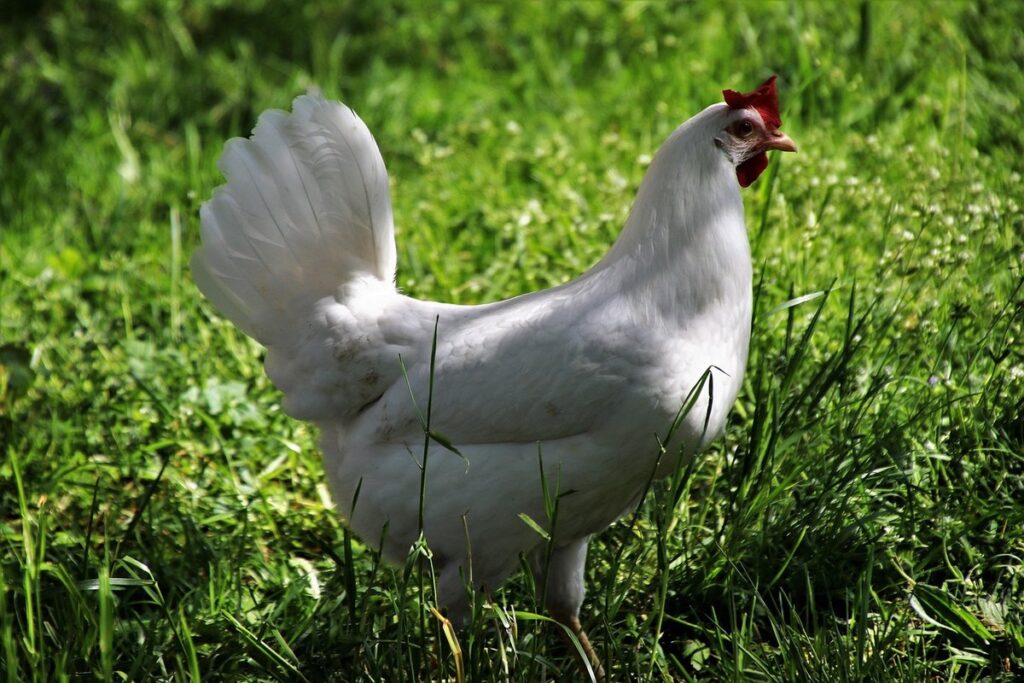
Benefits of Keeping Chickens in Your Garden
Keeping chickens in your garden can bring numerous rewards, from fresh eggs to improved soil health and a unique gardening experience for you and your family. Let’s explore some of these benefits up close!
Improved Pest Control
Chickens are not only valuable for their eggs and meat, but they also play a crucial role in maintaining a healthy garden ecosystem. One of the most significant benefits of keeping chickens is their ability to control pests that can damage plants.
Slugs and snails, in particular, can be notorious garden pests, causing significant damage to leaves, stems, and flowers. Chickens are attracted to these slimy creatures, and they will eagerly devour them. In fact, a single chicken can eat up to 200 slugs and snails per day. This natural pest control method is not only effective but also free from chemicals.
In addition to controlling pests, chickens’ natural foraging behavior can be beneficial for garden health. As they roam through the garden, they will scratch up weeds, aerate soil, and spread out droppings that act as a natural fertilizer. This process helps to improve soil structure, increase nutrient availability, and promote healthy microbial activity.
By introducing chickens into your garden, you can create a balanced ecosystem where pests are controlled naturally, and plants thrive.
Nutrient-Rich Manure
When you integrate chickens into your garden, their droppings become a valuable asset. Chicken manure is an excellent natural fertilizer that can provide essential nutrients to plants and improve soil structure. This eco-friendly approach not only reduces the need for synthetic fertilizers but also creates a nutrient-rich cycle in your garden.
Here’s why chicken manure stands out as a superior fertilizer:
* High nitrogen content: Chickens produce around 1-2 pounds of manure per day, which is rich in nitrogen. When applied to the soil, this nitrogen promotes healthy plant growth and development.
* Rich in phosphorus and potassium: Chicken manure also contains significant amounts of phosphorus and potassium – essential nutrients for plant growth and development.
* Improves soil structure: As the manure breaks down, it increases the soil’s water-holding capacity and aeration. This allows roots to grow deeper, making plants more resilient.
To harness the benefits of chicken manure in your garden, consider these practical tips:
* Mix 1/2 cup of dried or fresh manure into the planting hole when transplanting new seedlings.
* Spread a layer of composted manure (about 2-3 inches thick) around established plants to maintain soil fertility.
* Create a dedicated compost pile using chicken manure, adding other organic materials like leaves and grass clippings.
Preparing Your Garden for Chickens
Before bringing home your new feathered friends, it’s essential to prepare your garden to ensure a harmonious and healthy environment for both humans and chickens. This section will guide you through the necessary steps.
Coop Design and Placement
When it comes to integrating chickens into your garden, the design and placement of their coop is crucial for their health, happiness, and safety. A well-designed coop will not only protect your flock from predators but also ensure they stay comfortable and healthy throughout the year.
Proper sun exposure is essential, as chickens need direct sunlight to produce vitamin D, which is vital for strong bones and immune function. Aim to place the coop in a spot that receives at least 6 hours of direct sunlight daily, taking into account the time of day and season. Consider the wind direction too – you don’t want your coop situated where harsh winds will blow debris or make it difficult to clean.
When choosing a coop type, consider your garden’s layout and available space. For small gardens, a compact coop can be an ideal solution, while larger properties may accommodate more elaborate designs. Some popular types of coops include the traditional wooden coop, hoop house, and even repurposed shipping containers – each with its unique benefits and challenges.
When placing the coop, ensure it’s at least 20 feet away from any water sources to prevent contamination and disease transmission. Also, consider accessibility for easy cleaning, feeding, and egg collection. With careful consideration of these factors, you can create a harmonious balance between your chickens and garden, ensuring both thrive together in perfect sync.
Fencing and Enclosures
When integrating chickens into your garden, it’s essential to consider the role of fencing and enclosures. Not only do they provide a safe haven for your feathered friends, but also protect both chickens and plants from predators like foxes, raccoons, and stray dogs.
You have several options when it comes to creating a secure enclosure. Chicken wire is a popular choice, as it’s relatively inexpensive and easy to install. However, it may not be sufficient to keep out larger predators, so consider adding an extra layer of protection with electric netting or hardware cloth. These materials are more durable and can withstand attempts by strong-willed critters.
When selecting fencing material, consider the size of your garden and the type of animals that inhabit it. For example, a garden with multiple chicken breeds may require sturdier fencing to prevent escape artists from making a break for it. By choosing the right enclosure materials, you’ll create a safe and secure space for both your chickens and plants to thrive.
Remember to also consider the style and design of your fence. A neat and tidy appearance can add aesthetic value to your garden while also providing the necessary protection.
Choosing the Right Chicken Breed
When it comes time to bring home your first flock, selecting the right chicken breed is crucial for a harmonious and productive garden experience. You’ll want to consider factors like egg-laying habits and noise levels when making this decision.
Considerations for Small Gardens
When selecting chicken breeds for small gardens, it’s essential to consider the unique characteristics of each breed. If you’re concerned about noise level, some excellent options include quiet breeds like Silkies, Polish, and Campines. These gentle birds are perfect for small spaces and won’t disturb your neighbors.
Egg production is also a vital factor, especially if you plan on using fresh eggs from your garden. Consider breeds that lay smaller to moderate-sized eggs, such as Leghorns or Orpingtons, which will meet your needs without taking up too much space. Keep in mind that larger breeds like Brahmas and Sussex can still thrive in small gardens, but they’ll require a bit more room.
Another crucial aspect is space requirements. Chickens need adequate room to roam, stretch their wings, and exercise. Even with limited space, it’s vital to ensure your breed of choice has enough room to move around comfortably. Some breeds are better suited for vertical integration, such as hanging coops or raised nesting boxes, which can help maximize space in small gardens.
Breed selection can also significantly impact garden aesthetics. Choose breeds with attractive plumage and personalities that will add to the charm of your garden. With careful consideration, you can find a breed that not only thrives in your small garden but also becomes an integral part of its beauty.
Tips for Raising Multiple Breeds Together
Raising multiple breeds together can be a great way to create a diverse and resilient flock. However, it requires careful consideration and planning to ensure harmony among the different breeds. When integrating multiple breeds, it’s essential to start with compatible breeds that share similar temperaments and growth rates.
Begin by selecting breeds that are known to get along well, such as Leghorns, Rhode Island Reds, and Barred Rocks. These breeds tend to be friendly and docile, making them an excellent choice for a multi-breed flock. When introducing new birds to the existing flock, do it gradually and under close supervision.
To minimize aggression, create a pecking order by allowing the chickens to establish their social hierarchy naturally. Avoid separating or isolating individual birds, as this can lead to stress and resentment among the flock members. By following these simple tips and choosing breeds that are compatible, you can create a harmonious multi-breed flock that will thrive in your garden.
Feeding Your Chickens
When it comes to raising happy, healthy chickens, feeding them is one of the most important considerations. Let’s explore the ins and outs of providing your flock with a balanced diet.
Balancing a Chicken’s Diet with Garden Resources
Providing a balanced diet for your chickens is crucial when integrating them into your garden. Commercial chicken feed serves as the foundation of their nutrition, but it can be supplemented with fresh garden produce to enhance their health and well-being.
When choosing commercial feed, look for products that are formulated to meet your flock’s specific needs, such as laying hens or grower/finisher feed for chickens destined for meat production. Be aware that some feed may contain fillers like corn, which can be lacking in essential nutrients. Identify nutrient deficiencies by monitoring your chickens’ health and behavior, checking their droppings for consistency and color, and conducting regular weight checks.
Supplementing their diet with garden produce is a great way to address these deficiencies. Leafy greens like kale, spinach, and collard greens are rich in calcium, vitamins A and E, and iron. Fresh fruits like berries and apples provide essential vitamins and fiber. Consider planting a “chicken garden” specifically designed to provide your flock with the nutrients they need. By combining commercial feed with fresh produce, you can ensure your chickens receive a balanced diet that keeps them healthy and thriving in their new garden home.
Using Leftover Fruits and Vegetables as Treats
When it comes to feeding your chickens, it’s easy to get caught up in purchasing commercial feed mixes. However, this can be a costly and wasteful approach, especially when you’re already growing an abundance of fruits and vegetables in your garden. By incorporating leftover produce into their diet, not only will you reduce waste, but you’ll also provide essential nutrients for optimal health.
A simple way to start is by offering a mix of fresh fruits such as berries, apples, or melons. These are high in fiber, vitamins, and antioxidants, making them an excellent addition to your flock’s diet. For vegetables, leafy greens like kale or spinach are rich in iron and calcium, while carrots provide essential beta-carotene.
Consider setting aside a dedicated feeding area where you can offer these treats on a daily basis. This not only keeps the treats separate from their regular feed but also encourages foraging behavior, which is natural for chickens. By incorporating this habit into your routine, you’ll be providing your flock with a more varied and nutritious diet, while reducing waste and supporting sustainable gardening practices.
Managing Chicken Health
To keep your flock thriving, it’s crucial to understand common health issues and take proactive measures to prevent them from arising. In this section, we’ll cover essential tips for managing chicken health in harmony with your garden ecosystem.
Recognizing Common Ailments in Chickens
As you integrate chickens into your garden, it’s essential to be aware of common health issues that can affect them. Respiratory problems are a frequent concern, especially during cold weather or when birds are exposed to dust and debris. Look for symptoms like labored breathing, coughing, and sneezing. Regular cleaning of the coop and run, as well as providing adequate ventilation, can help prevent respiratory issues.
Parasites like mites, lice, and fleas can also infest your flock. Check for signs such as excessive scratching, feather loss, or an unusual amount of dirt in the birds’ feathers. Treat any infestations promptly with a suitable parasite control method.
Diseases like Avian Influenza (AI) and Newcastle Disease are more serious concerns. Be aware of local outbreaks and take preventative measures like vaccinating your flock and ensuring biosecurity protocols are in place. Monitor your birds regularly for signs of illness, such as lethargy, loss of appetite, or changes in droppings.
Keep a close eye on your chickens’ overall health to prevent issues from arising. Regularly inspect their living conditions and take action at the first sign of trouble.
Creating a First-Aid Kit for Your Flock
When it comes to managing chicken health, especially when integrating them into gardens, having a well-stocked first-aid kit is essential. This kit should be specifically tailored to address the unique needs of chickens and their most common health issues.
Start by gathering essential supplies such as bandages, antiseptic wipes, tweezers, and a thermometer. You’ll also need treatments for specific conditions like mites, lice, and respiratory infections. For example, you can include medications like ivermectin or pyrethrin sprays to treat external parasites.
Some common health issues in chickens include cracked eggs, egg binding, and prolapse. To address these issues, have a supply of cloths for egg repair, lubricants like petroleum jelly or mineral oil for egg binding relief, and surgical glue for prolapse repair.
It’s also crucial to note that vaccinations are not typically necessary for backyard chickens, but it’s still essential to monitor your flock regularly and keep records of their health. This will help you identify any emerging issues early on and take prompt action to prevent the spread of disease.
Integrating Chickens into Your Gardening Routine
When introducing chickens into your garden, it’s essential to consider their dietary needs and how they’ll interact with your existing plants and gardening routine. Let’s explore how to successfully integrate chickens into your outdoor space.
Scheduling Chicken Care Tasks
Incorporating regular chicken care tasks into your gardening routine is crucial for maintaining a healthy and thriving flock. One of the most time-consuming aspects of chicken keeping is cleaning the coop. To streamline this process, consider setting aside a specific day each week to clean out the coop, removing soiled bedding and replacing it with fresh material.
To make egg collection more efficient, designate a spot near the coop where eggs can be collected daily or weekly, depending on your schedule. This habit will also help you keep track of egg production and identify any potential issues with fertility or laying patterns.
Monitoring flock health is another essential task that should be integrated into your gardening routine. Keep an eye out for signs of illness or stress, such as changes in appetite, droopy feathers, or unusual noises from the coop. Regularly inspect the coop and run for predators, debris, and any other hazards that could harm your birds.
By incorporating these tasks into your routine, you can ensure the well-being of your flock while also maintaining a beautiful and productive garden.
Involving Children in Chicken Care
Engaging children with chicken care is an excellent way to teach them valuable life skills while fostering a connection with nature. By involving kids in daily chicken tasks, you’ll not only be teaching responsibility but also introducing them to the joys of sustainable living.
Start by assigning age-appropriate chores to your little ones, such as collecting eggs from the coop or helping to replenish food and water supplies. This will give them a sense of ownership and accountability for the chickens’ well-being. For younger children, tasks like observing chicken behavior or monitoring temperature and humidity levels in the coop can be just as valuable.
As kids take on more responsibility, they’ll develop essential skills like time management, problem-solving, and empathy. For example, when one of your flock members falls ill, involve your child in researching symptoms and finding solutions. This will not only teach them about animal care but also encourage critical thinking and compassion. By doing so, you’ll create a lifelong appreciation for nature and the interconnectedness of all living creatures.
Conclusion
Now that we’ve covered the nitty-gritty of integrating chickens into your garden, let’s summarize the key takeaways and reflect on what you can achieve with these feathered friends.
Summary of Key Points
Integrating chickens into your garden can be a highly rewarding experience, offering numerous benefits for both you and your plants. By reiterating the essential considerations discussed throughout this article, we’ll help you make an informed decision about bringing backyard chickens to your green oasis.
Some key takeaways from our discussion include the importance of proper coop design, which not only protects your chickens from predators but also keeps them safe from harsh weather conditions. A well-planned coop will also ensure good air circulation and adequate ventilation, promoting a healthy environment for your birds. Don’t forget to allocate sufficient space within the coop for nesting boxes, feeding areas, and roosting perches.
Another crucial aspect is chicken health management, which involves providing regular access to fresh water, nutritious feed, and engaging activities that promote exercise. A balanced diet is essential for maintaining strong immune systems in your flock. Make sure to provide a variety of fruits and vegetables as treats, taking care not to overdo it on the high-calorie foods.
When integrating chickens into your garden, don’t underestimate the benefits they bring to your soil health. As natural fertilizers, their droppings can enrich your soil with essential nutrients. Just be sure to collect their waste regularly and use it as compost.
To make the most of your backyard chicken-keeping experience, prioritize regular cleaning and maintenance tasks for both the coop and run. This will not only keep your chickens healthy but also ensure a safe environment for you and your family.
Remember, raising backyard chickens can bring numerous rewards to your garden ecosystem. With proper planning, care, and attention, you’ll be enjoying fresh eggs and a thriving garden in no time!
Frequently Asked Questions
How Do I Ensure My Chickens Get Enough Water and Shade on Hot Days?
Make sure to provide a constant source of fresh water for your chickens, and consider adding shade structures like tarps or canopies near their coop or enclosed run. This will help prevent heat stress and ensure they stay hydrated.
Can I Use the Same Feed for All My Chicken Breeds?
No, it’s essential to choose feeds that cater to specific breed needs, age, and nutritional requirements. Different breeds have varying energy levels and dietary needs, so using a one-size-fits-all feed may not provide adequate nutrition.
How Do I Handle Common Chicken Ailments Like Mites or Scaly Leg Mites?
Regular cleaning of the coop and run can help prevent mite infestations. For scaly leg mite control, apply a mixture of equal parts water and apple cider vinegar to the affected area, followed by a dusting with diatomaceous earth powder.
How Much Space Do I Need for a Large Flock?
Aim for at least 4-5 square feet per chicken inside the coop, plus an additional 8-10 square feet per chicken in the enclosed run. More space allows for better health and less stress among your flock members.
Can Chickens Be Integrated into Small Gardens or Apartments with Limited Space?
Yes, chickens can thrive in small spaces if you prioritize vertical integration using wall-mounted coops or elevated nesting boxes. This makes efficient use of available space while still providing a healthy environment for your feathered friends.