
As a proud goose parent, you know that the first few weeks of your goslings’ lives are crucial for their development and growth. Proper care and brooding techniques can make all the difference in ensuring a successful start. But, with so much to consider, it’s easy to get overwhelmed – from understanding their anatomy and behavior, to providing the right nutrition, conducting regular health checks, and maintaining a healthy environment. In this article, we’ll take you through the essential aspects of gosling care and brooding, covering everything you need to know to give your new arrivals the best possible start in life. By the end of it, you’ll be confident in your ability to raise happy, healthy goslings that will thrive under your care.
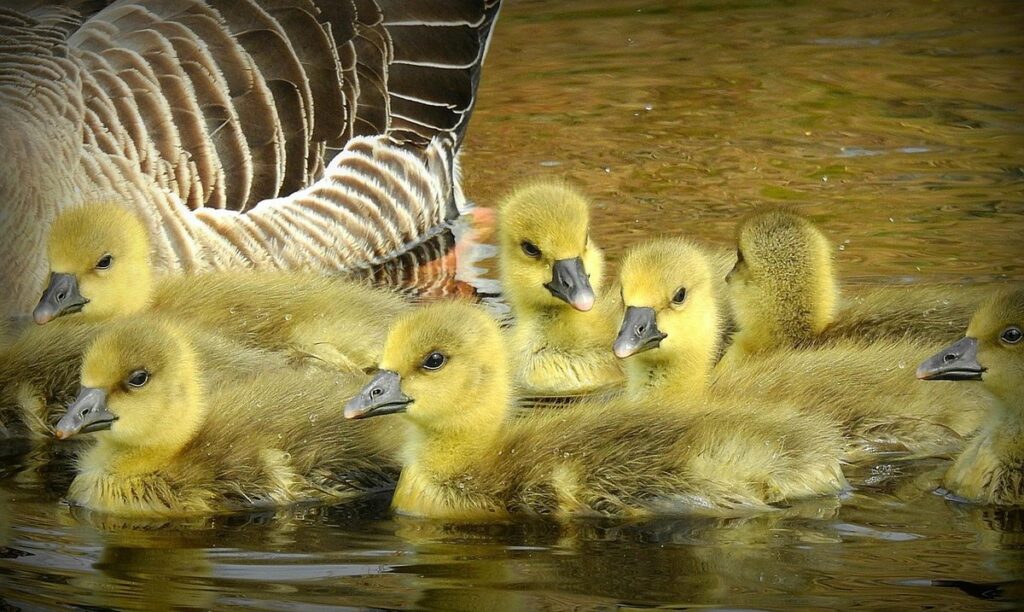
Understanding Gosling Development
Understanding gosling development is crucial for successful brooding, as it sets the stage for healthy growth and behavior. Let’s break down the key milestones in a gosling’s first few weeks of life.
Gosling Anatomy and Physiology
Understanding goslings’ physical and biological development is crucial for providing optimal care. At birth, goslings weigh around 2-3 ounces (50-80 grams) and are about 6 inches (15 cm) long. They have a unique characteristic – their eyes are closed, but they can see, albeit poorly, thanks to a light-sensitive membrane called the nictitating membrane.
As they grow, you’ll notice several distinct growth stages. The first stage is the “fluff” or “downy” stage, where goslings develop soft, fluffy feathers that help regulate their body temperature. At around 4-5 days old, they begin to lose their down and start developing juvenile feathers.
In the second stage, goslings start to grow rapidly, increasing in weight by as much as 20% every day. By the end of week one, they can eat on their own and should be eating a balanced diet rich in protein and nutrients. Keep an eye on their growth rate and adjust feeding accordingly.
By week three, goslings have reached about half their adult size, with most molting to juvenile feathers by this stage.
Gosling Behavior and Socialization
As goslings grow and develop, it’s fascinating to observe their behavior and interactions with their parents and other birds. From a young age, goslings are social creatures that thrive on interaction and attention from their caregivers. They begin by following their mothers around, learning essential survival skills such as foraging, swimming, and flying.
Socialization plays a crucial role in the early development of goslings. It not only helps them develop important behaviors but also builds strong bonds between family members. Goslings learn valuable lessons from their parents through observation and practice, such as finding food, avoiding predators, and communicating with other birds.
To encourage healthy socialization in your goslings, make sure to provide a safe and nurturing environment. Spend quality time with them daily, engaging in activities that promote bonding and interaction. As they grow older, gradually introduce them to other birds, starting with calm and gentle companions. This will help them develop essential social skills and reduce aggression towards humans and other animals.
By prioritizing socialization, you’ll be giving your goslings the best possible start in life, setting them up for success as confident and well-adjusted adult geese.
Preparing for Gosling Arrival
As you count down the days until your goslings arrive, it’s essential to prepare their habitat and ensure a safe and healthy environment for them to grow. Let’s explore what you need to do before bringing home these adorable new additions.
Creating a Safe Environment
When it comes to creating a safe environment for your goslings, their enclosure is crucial. A well-designed enclosure will not only protect them from predators but also provide the perfect balance of light, heat, and ventilation. To begin, choose an enclosure that is at least 2 feet tall to allow for easy access and movement. A waterproof covering or netting is essential to prevent escape attempts and predator entry.
Temperature control is another vital aspect of gosling care. Goslings are sensitive to extreme temperatures, so ensure their enclosure remains within the recommended range of 90-100°F (32-38°C). You can use heat lamps, ceramic heat emitters, or even a brooder to maintain this temperature. Remember to provide adequate ventilation to prevent overheating.
Predator protection is also a must-have when creating a safe environment for your goslings. Use hardware cloth or chicken wire to cover any gaps around the enclosure and protect it from predators like foxes, coyotes, and hawks.
Nutrition and Feeding Strategies
As goslings begin to grow and develop, their dietary needs shift from relying solely on their mother’s milk to a more balanced diet that includes a variety of nutrient-rich foods. It’s essential to provide a well-planned feeding strategy to ensure they receive all the necessary nutrients for optimal growth and health.
Start by offering live foods such as mealworms, crickets, or waxworms, which are high in protein and easy to digest. However, these should not make up more than 20-30% of their diet. For the remaining 70-80%, you can use commercial pellets specifically formulated for waterfowl goslings. These pellets provide a balanced mix of vitamins, minerals, and proteins.
In addition to live foods and commercial pellets, consider adding supplements such as grit or oyster shells to support healthy digestion and bone development. Remember to always follow the manufacturer’s instructions when introducing new foods or supplements to prevent over-supplementation.
When feeding goslings, make sure to provide fresh water at all times and place food within reach to encourage foraging behavior. Also, be mindful of their age and adjust the quantity and type of food accordingly – a good rule of thumb is to start with small amounts (about 1-2% of their body weight) and gradually increase as they grow.
Gosling Care Basics
To care for goslings, you’ll need a solid understanding of their basic needs, including diet, habitat, and social interaction. Let’s start with the fundamentals of providing a happy and healthy environment.
Hydration and Health Checks
Hydration is essential for goslings, as they lose water rapidly through evaporation from their wet feathers. Make sure to provide fresh water at all times, changing it frequently to prevent bacterial growth. A good rule of thumb is to offer about 1-2 cups of water per gallon of food per day.
Regular health checks are crucial in identifying potential issues early on. Set aside time each day to inspect your goslings for signs of illness or distress, such as labored breathing, lethargy, or unusual droppings. Check their eyes, nostrils, and beaks for discharge or other abnormalities.
Monitor their overall appearance, watching for changes in appetite, stool quality, or feather condition. If you notice any anomalies, isolate the affected gosling immediately to prevent the spread of disease. Keep a record of your observations to track their progress and identify potential issues before they become severe problems.
Temperature and Environmental Control
Maintaining optimal temperatures and environmental conditions is crucial for gosling growth and development. A suitable environment will promote healthy growth, prevent disease, and ensure a strong start in life.
Goslings need a warm environment to grow and thrive. The ideal temperature for brooding goslings is between 90°F (32°C) and 95°F (35°C). However, it’s essential to adjust the temperature according to the gosling’s age. For example, you can gradually reduce the temperature by 5°F (3°C) every week as the goslings grow.
Lighting is also crucial for gosling growth. Use a heat lamp or ceramic heat emitters to provide supplemental heat and maintain a comfortable temperature. Ensure there’s adequate ventilation in the brooder to prevent ammonia buildup from droppings, which can be toxic to young goslings.
Maintaining proper humidity levels is equally important. Aim for a relative humidity of 50-60%. You can achieve this by using a humidifier or misting the brooder with water daily. Avoid over-humidification, as this can lead to respiratory issues in goslings.
Keep the brooder well-ventilated, ensuring at least one window is open to allow fresh air circulation. This will help regulate temperature and prevent moisture buildup, creating a healthy environment for your goslings to grow and develop.
Brooding Goslings
As a parent, there’s nothing more exciting than watching your goslings grow and thrive under their own steam. This section will walk you through the essential steps of brooding your young geese.
Building a Brooder Box or Enclosure
When it comes to brooding goslings, providing them with a safe and healthy environment is crucial. Building or setting up a brooder box or enclosure specifically designed for goslings requires careful consideration of their unique needs and developmental stages.
A good starting point is to choose a sturdy and well-ventilated enclosure that can accommodate your goslings as they grow from day-old chicks to fully feathered adults. The ideal size will depend on the number of goslings you’re raising, but a general rule of thumb is to provide at least 2-3 square feet per bird.
Some essential features to include in your brooder box or enclosure are:
• A temperature-controlled environment: Goslings need a warm and stable temperature between 90°F to 95°F for the first few weeks.
• Adequate lighting: Provide a light source that mimics natural daylight, including UVB rays to support calcium metabolism and overall health.
• Easy cleaning access: Make sure you can easily clean out waste and debris without disturbing the goslings.
When building your brooder box or enclosure, consider using materials like chicken wire, hardware cloth, or plexiglass to provide ventilation and prevent escape attempts.
Maintaining a Healthy Brood
Maintaining a healthy brood is crucial during the critical first few weeks of gosling development. One key aspect to monitor is temperature. Goslings require a warm environment, ideally between 90-100°F (32-38°C), for their initial stages of growth. A drop in temperature can be detrimental to their health. To achieve this, use a heat source specifically designed for poultry, such as a heat lamp or ceramic heat emitters.
In addition to maintaining the right temperature, ensure proper humidity levels. The ideal range is between 40-60%. If the air is too dry, the goslings may experience respiratory issues. Conversely, if it’s too humid, fungal infections can occur. Monitor the humidity using a hygrometer and adjust as necessary.
Lighting is another critical aspect to consider. Goslings require a photoperiod of around 14 hours of light and 10 hours of darkness. This will mimic their natural environment and regulate their circadian rhythms. However, be cautious not to overexpose them to direct sunlight, which can cause eye damage or heat stress.
Regularly inspect your goslings for signs of illness or stress. Look out for labored breathing, ruffled feathers, or unusual behavior. If you notice any of these symptoms, consult with a veterinarian experienced in poultry care to determine the best course of action.
Common Gosling Health Issues
As a gosling owner, it’s essential to be aware of potential health issues that can affect your young geese. This section will cover some common concerns to look out for and how to address them.
Identifying and Addressing Issues Early On
As you care for your precious goslings, it’s essential to stay vigilant and identify potential health issues early on. Marek’s disease is a common concern that can be devastating if left unchecked. This highly contagious virus affects the nervous system, causing symptoms like paralysis, tremors, and even death. Regular vaccination and strict biosecurity measures can help prevent outbreaks.
Respiratory infections are another leading cause of morbidity in goslings. Factors like poor ventilation, overcrowding, and stress can exacerbate this issue. Monitor your goslings’ behavior for signs of distress, such as labored breathing or wheezing. Implement proper air circulation and space to mitigate the risk of respiratory problems.
Nutritional deficiencies, particularly vitamin D3 insufficiency, are more common than you might think. Ensure that your goslings receive a balanced starter feed supplemented with essential vitamins. Keep an eye out for symptoms like soft droppings or stunted growth, which can be indicative of nutritional imbalances. Regular water changes and proper feeding habits will go a long way in maintaining the health and well-being of your young charges.
Treatment Options and Prevention Strategies
When it comes to treating and preventing common health issues in goslings, it’s essential to take proactive measures from an early age. Vaccinations are a crucial part of this process, particularly for diseases such as Marek’s disease, infectious bronchitis, and Newcastle disease. Consult with a veterinarian to determine the best vaccination schedule for your flock, taking into account factors like breed, climate, and region.
Parasite control is also vital in maintaining healthy goslings. Regularly check for signs of mites, lice, or fleas, and use integrated pest management techniques such as diatomaceous earth, permethrin dust, or Ivermectin according to label instructions. Quarantine procedures should be implemented if you suspect a gosling has contracted an illness, separating it from the rest of the flock to prevent further spread.
Maintaining clean living conditions and providing access to fresh water and nutrient-rich feed can also help prevent health issues. Regularly inspect your goslings’ droppings for signs of worms or bacterial infections, and consult with a veterinarian if you notice any unusual symptoms or changes in their behavior.
Gosling Developmental Milestones
As a gosling parent, understanding these developmental milestones is crucial for ensuring your young geese grow and thrive. From wobbling to walking, let’s explore what to expect at each stage of gosling development.
Recognizing Growth Stages and Developmental Landmarks
As goslings grow and develop, it’s essential to recognize their distinct growth stages and developmental landmarks. This will help you provide optimal care and ensure they reach their full potential. Here are the key milestones to watch for:
Feather development is a significant indicator of a gosling’s growth. At around 4-6 weeks old, they’ll start to grow soft, fluffy feathers on their neck and body. By 8-10 weeks, these will be replaced by longer, more vibrant feathers. Keep an eye out for the emergence of wing feathers, which typically begins around 5-7 weeks.
Wing growth is another crucial aspect of gosling development. You’ll notice them starting to exercise their wings and lift off the ground by around 10-12 weeks old. Be prepared to provide plenty of space for them to practice flying and landing safely.
Fledging, or the process of becoming flight-capable, usually occurs between 12-16 weeks old. During this time, it’s essential to ensure they have a safe and secure environment where they can hone their flying skills without risk of injury.
Providing Appropriate Enrichment and Stimulation
As goslings grow and develop, providing appropriate enrichment and stimulation is crucial to promote healthy growth and prevent boredom. At around 2-3 weeks old, goslings start to become curious about their surroundings and begin to explore their environment. Provide toys and objects with different textures, colors, and sounds to keep them engaged.
For example, you can offer a variety of foraging activities such as scattering food on the ground or hiding it in paper bags or containers. This will not only stimulate their natural foraging behavior but also challenge their problem-solving skills.
As goslings approach 4-6 weeks old, they require more complex stimulation. Introduce puzzle toys filled with treats or create a “scavenger hunt” by hiding gosling-safe items around the enclosure. This type of enrichment will help keep them mentally stimulated and reduce stress.
Remember to rotate toys and activities regularly to prevent boredom and over-stimulation.
Transitioning Goslings to Outdoor Enclosures
When it’s time to transition your goslings from a brooder to an outdoor enclosure, it’s essential to do so gradually and safely to prevent stress and injury. This section covers step-by-step guidelines for a smooth transition.
Gradual Introduction to Outdoor Conditions
When transitioning goslings to outdoor enclosures, it’s essential to introduce them gradually to prevent shock and stress. Start by moving them from their brooder to a screened-in porch or a shaded area with some protection from wind and direct sunlight.
Monitor the temperature closely during this transition phase, as sudden changes can be detrimental to young goslings. Begin by keeping the outdoor enclosure at a moderate temperature, around 60-70°F (15-21°C), which is roughly 5-10°F (3-6°C) lower than the brooder’s temperature.
As the days go by and the goslings adapt, you can gradually increase the exposure to outdoors. However, ensure they have access to a warm and dry shelter during extreme weather conditions or when predators are present. Start with short periods of outdoor time, such as 30 minutes to an hour, and gradually increase it over several weeks.
It’s also crucial to supervise your goslings during this transition phase, keeping a close eye out for signs of stress, such as panting, pacing, or avoiding food.
Setting Up a Suitable Outdoor Enclosure
When setting up an outdoor enclosure for growing goslings, it’s essential to prioritize their needs for shelter, feeding areas, and predator protection. Start by selecting a secure location that provides adequate shade, especially during the warmer months.
For shelter, consider installing a sturdy coop or aviary with roofing material such as corrugated iron or waterproof plastic. The structure should be high enough to allow goslings to walk freely under its roof, ensuring they can escape from harsh weather conditions. You may also want to include nesting boxes for adults and a separate area for young goslings.
Provide feeding areas with easy access to clean water and nutritious food. A designated feeding station will help prevent overcrowding and maintain hygiene. Use fencing that’s at least 6 feet high and extends below ground level to prevent predators like foxes, coyotes, and stray dogs from digging under the enclosure.
Frequently Asked Questions
Can I use a heat lamp for brooding goslings, or is it better to rely on other methods?
Heat lamps can be effective for providing warmth, but they also come with risks, such as burns and overheating. It’s generally recommended to use alternative methods like supplemental lighting, hot water bottles, or even a warm brooder. These options allow for more control over the temperature and reduce the risk of accidents.
How often should I monitor my goslings’ hydration levels, especially during hot weather?
Monitoring your goslings’ hydration is crucial, especially in extreme temperatures. Make it a habit to check their water and feeding regularly throughout the day, adjusting as needed. Keep an eye out for signs of dehydration, such as dry droppings or lethargy, and be prepared to make adjustments to their diet or environment.
What are some common issues I might encounter during brooding, and how can I prevent them?
Some common challenges during brooding include bacterial infections, fungal diseases, and nutritional deficiencies. To minimize these risks, ensure your goslings have access to a clean, dry environment with adequate ventilation. Regularly inspect their living space for any signs of illness or stress.
Can I raise goslings without a dedicated brooder box or enclosure?
While it’s possible to care for goslings in a temporary setup, a dedicated brooder is essential for their development and health. A brooder provides a safe environment with controlled temperature, humidity, and lighting, which are crucial for optimal growth.
How do I know if my goslings are getting enough protein from their starter feed?
Protein requirements vary depending on the age and breed of your goslings. Typically, young goslings need about 20-25% protein in their diet. Monitor their weight gain and overall health, adjusting their feed accordingly to ensure they’re receiving sufficient nutrients for optimal growth.