
Designing a quail pen that meets your flock’s needs is crucial to maximizing egg production. As any backyard farmer knows, healthy birds are essential to a thriving homestead. But with predators lurking and space at a premium, creating an optimal environment for your quails can be a challenge. That’s why understanding the basics of quail pen design is vital. In this article, we’ll delve into expert tips on layout, ventilation, lighting, and nesting box placement – all essential elements to ensure your quails are happy, healthy, and laying eggs consistently. Whether you’re an experienced farmer or just starting out, our guide will walk you through the key considerations for designing a successful quail pen that meets the needs of both birds and owners alike.
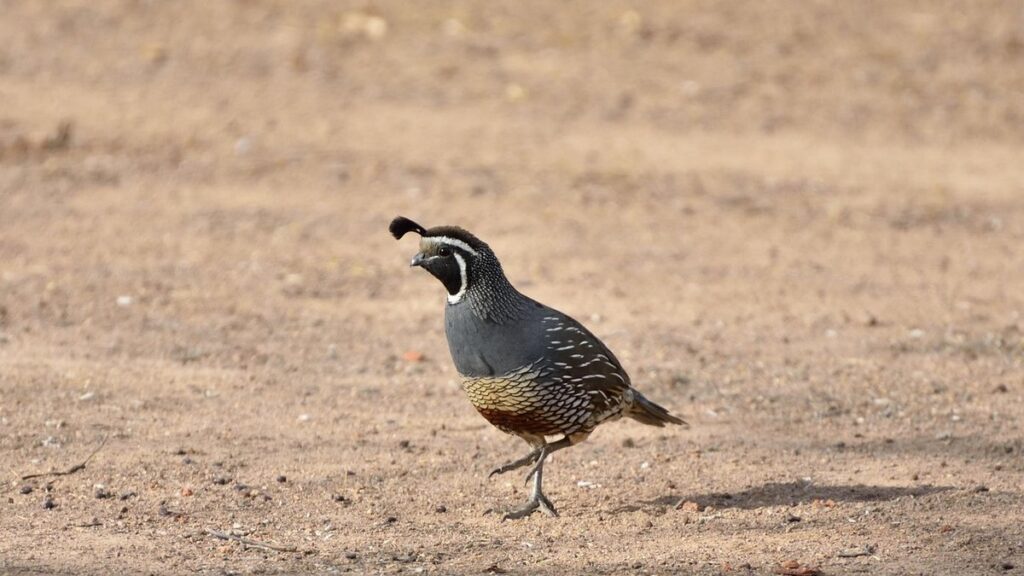
Understanding Quail Housing Requirements
When it comes to building a quail pen for egg production, understanding their housing requirements is crucial to ensure they thrive and lay healthy eggs. This includes determining the optimal space per bird.
Importance of Adequate Space
When designing quail pens for egg production, it’s essential to provide adequate space for these birds to lay eggs comfortably and move around. Quails need room to stretch their wings, exercise, and engage in natural behaviors like dust bathing and perching. Insufficient space can lead to stress, which negatively impacts egg production.
One common mistake in quail pen design is overcrowding. When quails are packed too tightly together, they may fight for dominance or territory, causing injuries and reducing egg production. For example, if you have a 2×3 foot pen, it’s recommended to keep only 4-6 quails. Any more than this can lead to health issues.
In contrast, providing sufficient space allows quails to thrive. A general rule of thumb is to allocate at least 1 square foot of floor space per bird. This gives them room to move around and reduces stress levels. Additionally, consider incorporating vertical elements like perches and roosting bars to give quails ample opportunities for exercise and activity. By prioritizing adequate space in your quail pen design, you’ll be well on your way to creating a productive and healthy environment for your birds.
Choosing the Right Materials
When it comes to building a quail pen for egg production, choosing the right materials is crucial. The type of material you select will not only affect the durability and maintenance of the coop but also impact the health and safety of your birds.
Wire mesh, for instance, is a popular choice due to its ease of installation and affordability. However, it may not provide adequate protection against predators like hawks or snakes that can squeeze through small openings. On the other hand, wire mesh with smaller openings (about 1 inch) can keep these predators out while still allowing air circulation.
Wooden materials like plywood or oriented strand board (OSB) are another option, offering better insulation and weather resistance compared to wire mesh. However, they may require more maintenance to prevent rot and insect damage. Consider using durable wood species like cedar or cypress that are naturally resistant to pests and decay.
Ultimately, the best material for your quail pen depends on your specific needs and preferences. If you’re looking for a low-cost option with easy installation, wire mesh might be the way to go. But if you prioritize durability and long-term maintenance, wooden materials could be a better choice.
Quail Pen Layout and Design Principles
To build a quail pen that optimizes egg production, understanding key layout and design principles is crucial for ensuring your birds’ health and happiness. A well-designed pen will greatly impact the success of your backyard flock.
Maximizing Egg-Laying Efficiency
When designing a quail pen layout to maximize egg production, it’s essential to consider the optimal placement and accessibility of nesting boxes. These crucial components not only provide a safe space for laying but also influence the overall efficiency of your quail farm.
Ideally, nesting boxes should be placed at a comfortable height of about 18-24 inches above the floor, allowing easy access for the quails without straining their necks or legs. Avoid placing them too high, as this can lead to stress and reduced egg production. Conversely, keeping them too low can result in quail waste accumulation.
To optimize accessibility, ensure nesting boxes have a smooth entrance, preferably with a slight incline or ramp to facilitate easy passage for the birds. A good rule of thumb is to provide at least one nesting box per 4-5 quails, ensuring each bird has ample space and reducing competition for these essential resources. By thoughtfully placing and designing your nesting boxes, you’ll create an environment that encourages healthy habits, increased egg production, and a more harmonious flock dynamic.
Incorporating Ventilation and Lighting
When designing a quail pen for egg production, it’s essential to prioritize proper ventilation and lighting. These two factors not only contribute to the overall health and well-being of your birds but also directly impact their productivity.
Good ventilation is critical in a quail pen as it helps remove ammonia from the droppings, which can be toxic to the birds in high concentrations. This can be achieved through the installation of windows or skylights that provide natural airflow. For example, consider installing a south-facing window to capture sunlight and circulate air. Alternatively, you can install a ventilation system with fans to ensure adequate airflow.
Adequate lighting is also crucial for egg production. Quails need a photoperiod of 14-16 hours of light per day to stimulate egg-laying. Natural light from windows or skylights can be supplemented with artificial lighting to achieve this desired photoperiod. It’s essential to place lights at least 2-3 feet above the birds’ roosting level to avoid eye strain and promote even egg distribution.
When designing your quail pen, consider incorporating a hybrid approach that combines natural and artificial lighting sources. This can include installing solar-powered lights or LED grow lights with adjustable timers to simulate day and night cycles. By prioritizing proper ventilation and lighting, you’ll create an optimal environment for your birds to thrive in, leading to increased egg production and overall health.
Nesting Box Design and Placement
When it comes to designing a quail pen, selecting the right nesting box design and placement is crucial for ensuring your birds are comfortable and productive. We’ll cover essential considerations here.
Key Features of an Effective Nesting Box
When designing the nesting box, it’s essential to consider both the quails’ comfort and egg safety. A well-designed nesting box should have adequate space for 2-3 quails to nest comfortably. The ideal size is around 6 inches wide, 8 inches long, and 12 inches tall. This size allows quails to easily enter and exit without feeling cramped.
Locate the nesting box in a quiet, draft-free area of the pen, ideally at a height of about 2-3 feet from the ground. Avoid placing it near perches or feeders to minimize disturbance. Use a sturdy material such as wood or plastic that can withstand daily use. A sloping roof or a slight incline inside the box helps eggs roll out easily and prevents quails from getting stuck.
Line the nesting box with soft bedding like sawdust, straw, or paper-based products to provide insulation and comfort for the quails. Consider adding a small door or entrance that can be closed at night to protect the eggs from predators. This simple feature not only ensures egg safety but also promotes quail health by allowing them to rest undisturbed.
Tips for Placing Multiple Nesting Boxes
When placing multiple nesting boxes, it’s essential to consider their proximity to each other. Quails are social birds but can become aggressive when competing for space. To avoid this, place the nesting boxes 2-3 feet apart, allowing quails to maintain a comfortable distance.
In a large quail pen, you may need to install multiple rows of nesting boxes. In such cases, consider staggering them at an angle or offsetting each row by about 12 inches. This will prevent direct competition and reduce the likelihood of feather pecking.
Another crucial aspect is ensuring adequate space around each box. Provide a clear path for quails to move between the nesting area and the rest of the pen. A minimum of 1-2 square feet per bird should be allocated for the nesting boxes, taking into account their layout and size.
Quail Pen Size and Capacity Considerations
When designing a quail pen for egg production, it’s crucial to consider its size and capacity to ensure optimal living space for your birds. A well-planned layout will impact both their health and productivity.
Determining Optimal Quail Pen Size
When determining the optimal quail pen size, it’s essential to consider several factors that will impact your birds’ comfort and egg-laying capabilities. To start, you’ll want to think about the breed of quails you’re raising, as different breeds have varying space requirements.
For example, smaller breeds like Japanese or Chinese Bobwhites require around 2-3 square feet per bird, while larger breeds like Coturnix or Button Quails need approximately 4-5 square feet per bird. To calculate the ideal pen size for your flock, multiply the number of birds you plan to keep by their individual space requirements.
Available space is also a critical consideration. If you’re raising quails in a backyard setting, consider the overall area available and the location of feeders, water sources, and nesting boxes. As a general rule, a larger pen size will allow for better air circulation, reduced stress on the birds, and improved egg production.
Consider this example: if you plan to keep 10 Coturnix Quails in a backyard setting with a total area of about 100 square feet, aim for a pen size of approximately 40-50 square feet (4-5 square feet per bird) to ensure your quails have ample space to roam and lay eggs.
Managing Quail Population Density
Maintaining an optimal population density in quail pens is crucial for promoting healthy egg-laying habits and preventing stress among the birds. When quails are overcrowded, they’re more likely to become stressed, which can lead to a decline in egg production. To avoid this, it’s essential to calculate the ideal number of quails per square foot.
A general rule of thumb is to provide at least 2-3 square feet of space per quail. However, this can vary depending on factors such as breed, age, and climate. For example, young quails require more space than mature birds. It’s also essential to consider the pen’s layout, ventilation, and feeding facilities.
To manage population density effectively, you should regularly monitor your quails’ behavior and adjust the pen size or population accordingly. You can also implement strategies like rotating groups of quails through different pens or providing extra space during peak egg-laying periods. By maintaining a healthy population density, you’ll be able to keep your quails happy and productive, ensuring optimal egg production in the long run.
Predator Protection and Security Features
To keep your quail eggs safe from predators, you’ll want to incorporate essential security features into your pen design. This includes protective barriers and deterrents that safeguard both the birds and their habitat.
Effective Measures Against Predators
Securing a quail pen against predators is crucial to ensure the safety and productivity of your flock. One effective measure is using fencing that extends at least 3 feet underground to prevent digging mammals like raccoons, foxes, and coyotes from burrowing under the enclosure.
Netting is another vital security feature that can be used in conjunction with fencing. Covering the top of the pen with hardware cloth or chicken wire will prevent aerial predators such as hawks, owls, and snakes from swooping down and attacking your quails. Burying the netting 12 inches underground will also prevent burrowing predators.
Guard animals can also serve as a natural deterrent against predators. Chicks, ducks, or even geese can be used to protect quail pens by introducing them first and allowing them to establish their territory. This non-lethal method has proven effective in deterring larger predators that don’t want to compete with these guard animals for resources.
By implementing these measures, you can create a safe and secure environment for your quails to thrive and produce eggs efficiently. Remember, a well-designed quail pen should always prioritize predator protection.
Regular Maintenance and Inspection
Regular maintenance and inspection of your quail pen are crucial to ensure the security and safety of your birds. A well-maintained pen can prevent damage from predators, weather conditions, and human error, which could lead to losses in egg production or even the loss of your flock.
To maintain a secure quail pen, start by inspecting it regularly for signs of wear and tear. Check for loose wire mesh, gaps between boards, or any other vulnerabilities that may allow predators to enter. Replace worn-out components promptly and ensure all doors and gates are securely locked.
Additionally, keep an eye out for any signs of damage from the quail themselves, such as nibbled wood or damaged wire mesh. Quails can be notorious for digging and pecking at surfaces, so be proactive in repairing these issues before they become major problems. Schedule regular deep cleans to remove waste and debris, which can attract predators and create unsanitary conditions.
By prioritizing maintenance and inspection, you’ll not only protect your quail from harm but also maintain a healthy and productive environment for them to thrive in.
Case Studies: Successful Quail Pen Designs
Let’s take a look at some real-life examples of successful quail pen designs that are boosting egg production for small-scale farmers and backyard enthusiasts alike.
Examples from Experienced Farmers
Many farmers and breeders have successfully designed quail pens that optimize egg production while prioritizing bird health. Let’s take a look at some real-life examples. At Sunny Side Quails, a commercial farm in California, owner Sarah Jenkins has implemented a tiered quail pen design with sloping roofs to allow for natural light and ventilation. Each tier is equipped with a separate feeding trough and watering system, ensuring easy access and minimizing stress on the birds.
The result? An astonishing 180-200 eggs per day from just 1,000 quails! Sarah attributes this success to the efficient use of space and the ability to monitor bird health closely. In contrast, smaller-scale breeder Emily Chen at Quail Haven Farm in Tennessee has focused on creating a more intimate environment with a large outdoor enclosure that mimics natural foraging behavior. By providing ample space for exercise and social interaction, Emily has seen a 25% increase in egg production among her breeding quails.
These examples demonstrate how thoughtful design can make all the difference in quail pen performance.
Lessons Learned and Best Practices
From the case studies, we can distill several key takeaways that will help you design an optimal quail pen for egg production. One of the most important lessons learned is the importance of adequate ventilation. This was a critical factor in the success of Farm A’s quail pen project, which saw a significant increase in egg production after installing additional ventilation units.
Another crucial aspect to consider is the size and layout of the pen. A larger space per bird can lead to better health and reduced stress, as seen in the improved egg quality at Green Acres Farm. Similarly, the strategic placement of nesting boxes and feeders was instrumental in maintaining a clean and efficient environment.
We’ve also learned that the type of flooring used can greatly impact quail behavior and overall well-being. For instance, some farms have found success with the use of rubber mats, which provide traction and comfort for the birds.
In terms of best practices, it’s essential to remember that every farm is unique, and what works for one operation may not work for another. Regular monitoring and adjustments will be necessary to ensure your quail pen remains optimized for egg production.
Frequently Asked Questions
Can I use a pre-existing coop for my quail pen, or do I need to build a separate enclosure?
Yes, it’s possible to convert an existing coop for quails, but ensure it meets their specific needs regarding space, ventilation, and nesting boxes. Consider adding a partition or divider to create a dedicated area for the quails.
How often should I clean and disinfect my quail pen to prevent disease?
Regular cleaning is crucial! Aim to clean and disinfect your quail pen at least every 2-3 months, paying attention to areas around nesting boxes, feeding stations, and waterers. Remove soiled bedding, scrub surfaces with a pet-safe cleaner, and replace with fresh bedding.
What’s the best way to manage quail population density in my existing pen?
To prevent overcrowding, consider introducing additional nesting boxes or expanding your quail pen size. Aim for 1-2 square feet of space per bird, depending on breed size and egg production goals. Monitor your flock’s behavior and adjust accordingly.
Can I use LED lighting specifically designed for chickens with my quails, or do I need a different type?
While chicken-grade LED lights can work for quails, it’s recommended to opt for lower-wattage, blue-enriched options (around 5-10W). These will provide the necessary UVB spectrum and reduce stress. Monitor your quails’ behavior and adjust lighting schedules as needed.
How do I know if my quail pen is well-ventilated enough to prevent respiratory issues?
Check for signs of respiratory distress, such as labored breathing or coughing, in your flock. Ensure adequate ventilation by installing windows, vents, or a screened roof that allows fresh air exchange. Consider adding a misting system during hot weather to maintain humidity levels.