
Are you tired of dealing with pesky flies on your farm? Not only are they annoying, but they can also pose serious health risks to your poultry. Flies can transmit diseases like salmonella and E. coli, which can decimate an entire flock in no time. But what if I told you there’s a natural way to control these pests and keep your birds healthy? Enter fly predators – the heroes of the farm! These beneficial insects are specifically designed to hunt and eliminate flies, reducing the need for chemical pesticides that can harm your animals and the environment. In this article, we’ll dive into the world of fly predators and explore effective strategies for naturally controlling pest populations, improving poultry health, and boosting farm efficiency.
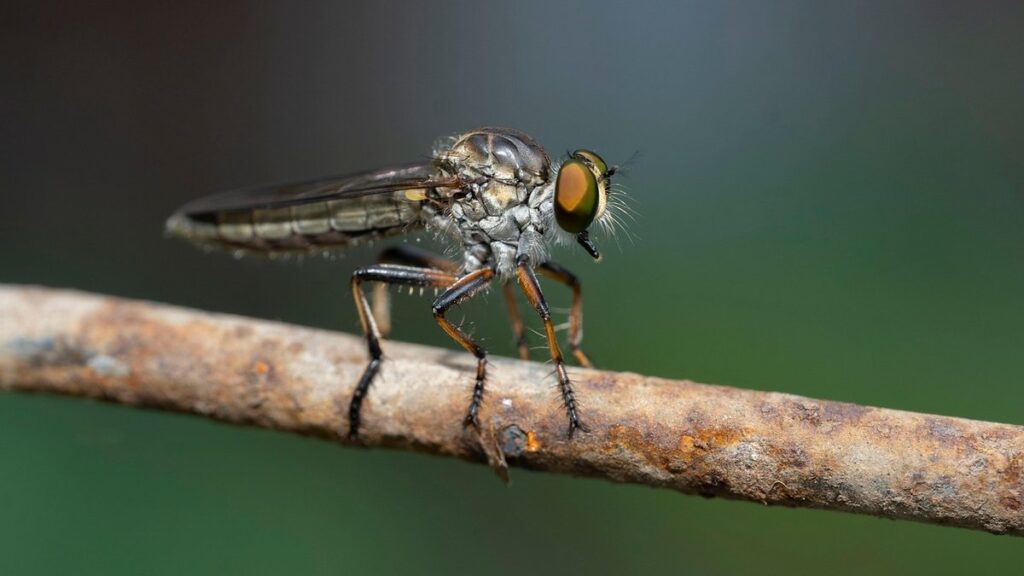
Understanding Fly Predators and Their Importance
When it comes to managing fly populations on your poultry farm, understanding the role of fly predators is crucial. In this section, we’ll explore why these beneficial insects are so vital for effective pest control.
Benefits of Using Fly Predators in Poultry Management
Using fly predators as a control measure offers numerous benefits for poultry management. One of the primary advantages is their natural and non-toxic nature, making them an ideal choice for farms that prioritize animal welfare and environmental sustainability.
Fly predators are also incredibly easy to use – simply release them into the affected area and they will quickly get to work controlling the fly population. They require no special equipment or maintenance, and can be released in conjunction with other pest control methods for added effectiveness.
In terms of cost-effectiveness, fly predators offer a long-term solution that saves farmers money in the long run. Unlike chemical-based pesticides, which need to be reapplied regularly, fly predators establish a self-sustaining population that continues to control fly populations even after initial release. This can lead to significant cost savings for farmers who are looking for an affordable and sustainable pest control solution. By using fly predators, farmers can protect their poultry from disease-carrying flies while also reducing their environmental footprint.
Types of Fly Predators Used in Poultry Farming
When it comes to controlling flies on poultry farms, using fly predators is an effective and eco-friendly solution. There are several types of fly predators that are commonly used, each with its unique characteristics and advantages.
Hoverflies, also known as flower flies, are one of the most popular choices for fly control. These beneficial insects lay their eggs near aphid colonies, where their larvae feed on the aphids and other small insects. They’re particularly effective against houseflies and blowflies that infest poultry farms. Lacewings are another type of fly predator that’s widely used. The female lacewing lays her eggs near fly breeding sites, and when the larvae hatch, they feed on the fly eggs and larvae.
Parasitic wasps, such as Trichogramma spp., are also effective against houseflies and other types of flies. These tiny wasps lay their eggs inside the fly eggs or larvae, where the wasp larvae feed on the developing fly. This control method is especially useful in situations where chemical pesticides may not be allowed.
It’s essential to note that each type of fly predator has its specific needs and requirements. For instance, hoverflies and lacewings require certain types of food sources to thrive, while parasitic wasps need a specific temperature range to be effective.
Biology and Behavior of Common Fly Species
Let’s take a closer look at the biology and behavior of common fly species that can infest your poultry, such as houseflies and blow flies.
Life Cycle and Development Stages of Flies
Flies undergo a complex life cycle that involves four stages: embryonic development, larval stages, and adult behavior. Understanding this process is crucial for developing effective fly control strategies in poultry farms.
The embryonic development stage typically lasts between 24-48 hours, during which the fertilized egg hatches into a larva. The larval stage is divided into three instars, each characterized by distinct physical features and feeding behaviors. As the larvae grow, they molt (shed their skin) several times before entering the pupal stage.
Adult flies emerge after 2-4 weeks of pupation, and they are capable of reproducing within a week. A female housefly can lay up to 150 eggs at once, and her lifespan is around 15-30 days in ideal conditions.
Understanding fly development stages is essential for selecting the most effective fly predators. For instance, if you’re considering introducing parasitic wasps that target specific larval stages, it’s crucial to identify the exact stage of fly life cycle you want to control. This targeted approach can significantly improve pest control outcomes and minimize the risk of secondary infestations.
Factors Influencing Fly Behavior in Poultry Environments
When it comes to managing fly populations around poultry, understanding what drives their behavior is crucial. Temperature and humidity levels can have a significant impact on fly activity. Warm temperatures, typically above 60°F (15°C), stimulate fly development, while high humidity fosters optimal breeding conditions. Conversely, dry environments often slow down fly reproduction.
Food availability also plays a critical role in fly populations. Poultry farms with abundant feed and water sources create ideal environments for flies to thrive. In fact, studies have shown that areas with poor waste management and sanitation can lead to explosive fly growth. To mitigate this, maintaining proper hygiene practices, such as regularly cleaning and disinfecting equipment and living areas, is essential.
By taking a closer look at these environmental factors, poultry farmers can better grasp the underlying causes of fly infestations and develop targeted control strategies. This includes implementing temperature-controlled storage facilities for feed and manure, reducing standing water around the farm, and ensuring adequate waste management practices are in place.
Selecting and Implementing Effective Fly Predator Strategies
When it comes to controlling fly populations on your poultry farm, choosing the right fly predators can make all the difference. Let’s dive into selecting and implementing effective fly predator strategies.
Choosing the Right Fly Predators for Your Poultry Operation
When it comes to choosing the right fly predators for your poultry operation, there are several factors to consider. First and foremost, you need to think about the specific farm conditions on your land. For example, if your farm is located near a body of water or has poor drainage, you’ll want to select fly predators that can thrive in these conditions.
Next, consider the climate where you’re located. If you live in an area with hot and humid summers, you may want to choose fly predators that are tolerant of high temperatures and moisture levels. On the other hand, if your farm is situated in a cooler region, you’ll want to select species that can handle colder temperatures.
Another important factor to consider is the type of pest you’re trying to control. Are you dealing with houseflies or stable flies? Different fly predators are effective against different types of pests, so it’s essential to choose species that target your specific problem.
Ultimately, selecting the right fly predators requires careful consideration of these factors and a willingness to adapt to changing conditions on your farm. By taking the time to research and understand the needs of your operation, you can find effective solutions for controlling fly populations and protecting your poultry.
Best Practices for Releasing and Maintaining Fly Predators
When releasing fly predators into your poultry farm, it’s essential to follow best practices to ensure their effectiveness and longevity. The dosage of fly predators is critical; generally, you’ll want to release 1-3% of the predator population per 10,000 square feet of the area to be protected. Timing is also crucial – release fly predators during early morning or late evening when it’s cooler outside.
Monitoring their effectiveness is key. Observe the reduction in fly populations over a few weeks and adjust your releases accordingly. It’s also important to maintain a balance between predator and prey populations; an excess of predators can lead to unintended consequences, such as reduced egg production or increased mortality among the poultry.
To maximize their impact, consider releasing fly predators in areas with high fly activity, such as near feeders or water sources. Regularly inspect your farm for signs of fly infestations and take proactive measures to prevent their spread.
Monitoring and Evaluating Fly Predator Performance
Now that you have introduced fly predators into your poultry operation, it’s essential to monitor their performance effectively. This means tracking and evaluating their success in controlling flies and making any necessary adjustments.
Methods for Assessing Fly Predator Success
To determine whether your fly predator program is effective, you’ll need to assess their performance regularly. This can be done through a combination of larval surveys and adult count data.
Larval surveys involve monitoring the presence and abundance of fly larvae in areas where the predators are being released. This can be achieved by collecting soil or manure samples and examining them for signs of larvae. By tracking the number of larvae present, you’ll get an idea of how effectively the predators are reducing fly populations at different stages of development.
Adult count data, on the other hand, involves monitoring the number of adult flies present in areas where the predators are being released. This can be achieved through sticky traps or pitfall traps placed strategically around the poultry house. By comparing the number of adult flies before and after predator introduction, you’ll get a clear indication of their success.
When conducting larval surveys or counting adult flies, it’s essential to maintain consistent sampling protocols across different areas and time periods. This will ensure accurate data collection and help you make informed decisions about your fly predator program.
Adjusting Fly Predator Strategies Based on Performance Data
As you monitor and evaluate the performance of your fly predators, it’s essential to adjust your strategies based on the data collected. This will ensure that your pest control efforts are effective and efficient. Start by tracking key metrics such as the number of flies eliminated, predator mortality rates, and any changes in fly populations over time.
Regularly reviewing this performance data will help you identify areas for improvement. For example, if you notice a significant increase in predator mortality rates, it may be necessary to adjust their food supply or habitat. On the other hand, if you observe that certain fly species are consistently resistant to your current predators, you may need to introduce new species or strains with more targeted prey preferences.
By making data-driven adjustments to your fly predator strategies, you can optimize your pest control efforts and achieve better results. Consider implementing a trial-and-error approach, where you test different combinations of predators and habitats in controlled environments before scaling up to larger areas. This will help you refine your techniques and ensure the long-term success of your poultry operations.
Safety Precautions and Handling Guidelines for Fly Predators
When working with fly predators, it’s essential to follow some important guidelines to ensure your safety and the well-being of these beneficial insects. This section will walk you through the necessary precautions and handling tips.
Safe Handling and Release Procedures
When handling fly predators, it’s essential to follow proper procedures to ensure their survival and effectiveness. When collecting fly predators from their enclosure, gently scoop them up using a soft-bristled brush or a cup to avoid injuring the insects. Be cautious not to touch the predator’s wings, as this can cause damage.
To release fly predators into the poultry coop, select a quiet area with low human traffic to minimize stress on the insects. Release the predators near the areas where flies are most prevalent, such as feeders or nesting boxes. It’s crucial to avoid releasing them in direct sunlight or during peak fly activity hours when they may be more vulnerable.
When introducing new fly predator shipments, it’s recommended to release a small group initially and observe their behavior before releasing the rest of the shipment. This allows you to identify any potential issues and take necessary precautions.
Potential Health Risks Associated with Fly Predators
While fly predators can be an effective solution for managing fly populations around poultry farms, it’s essential to acknowledge the potential health risks associated with their use. Fly predators, particularly those of the same species as the target flies, may pose a risk to human and animal health if not handled properly.
Some fly predators, such as certain species of wasps or ants, can deliver painful stings or bites when threatened. In rare cases, these stings or bites can cause anaphylaxis, a severe allergic reaction that requires immediate medical attention. Farmers should exercise caution when handling fly predators and ensure they wear protective clothing, including gloves and masks.
Moreover, improper use of fly predators can lead to the introduction of invasive species into new ecosystems. This can have devastating consequences for local wildlife and the environment. To minimize these risks, farmers should only purchase fly predators from reputable suppliers and follow the manufacturer’s guidelines for release and maintenance. Regular monitoring of fly predator populations is also crucial to prevent over-reliance on a single species or strain.
Case Studies and Real-World Applications of Fly Predators in Poultry Farming
Let’s take a look at real-world scenarios where fly predators have made a significant difference in poultry farming operations, reducing pests effectively. From farms to hatcheries, we’ll explore these practical examples.
Success Stories from Commercial Poultry Operations
When implemented correctly, fly predators can have a significant impact on commercial poultry operations. One notable example is the case of a large-scale chicken farm in the southeastern United States. By introducing a targeted fly predator program, the farm was able to reduce its house fly population by 85% within six weeks.
This drastic reduction not only improved working conditions for farm staff but also led to a noticeable decrease in the number of flies observed during routine inspections. The farm’s management reported that the fly predators were particularly effective at controlling populations near feed and water sources, where house flies tend to congregate.
As a result of the successful implementation, the farm was able to reduce its reliance on chemical pesticides, minimizing the risk of developing pesticide-resistant pest populations. This success story demonstrates the potential for fly predators to provide a sustainable and environmentally friendly solution for managing house fly populations in commercial poultry operations.
Challenges Faced by Poultry Farmers Using Fly Predators
Despite their effectiveness, fly predators can pose some challenges for poultry farmers. One of the main concerns is their limited ability to adapt to changing environmental conditions. For instance, extreme temperatures, humidity levels, and weather fluctuations can negatively impact the performance of fly predators.
Another challenge faced by poultry farmers using fly predators is ensuring a consistent supply of these beneficial insects. Fluctuations in supply can disrupt the farm’s pest control strategy, leading to increased fly populations and potential disease outbreaks.
Furthermore, some poultry farmers may struggle with integrating fly predators into their existing pest control protocols. This can be due to a lack of understanding about how to properly introduce and maintain fly predators on their farms.
Additionally, there is also the concern of ensuring that fly predators do not inadvertently contribute to other pests’ populations. For example, if the fly predators are too effective at controlling one type of fly species but allow another type to thrive, it can create a new set of problems for the farmer.
To overcome these challenges, poultry farmers should consider conducting thorough risk assessments and developing tailored strategies for introducing and maintaining fly predators on their farms. This may involve consulting with experienced suppliers or industry experts to ensure that the right products are selected for their specific needs.
Integrating Fly Predators into a Sustainable Pest Management Plan
Now that you have a solid understanding of fly predators, let’s discuss how to effectively integrate them into your poultry farm’s pest management plan. This includes strategies for monitoring and controlling fly populations.
Combining Fly Predators with Other Control Methods
Combining fly predators with other control methods can be an effective way to manage fly populations on poultry farms. By using multiple approaches together, you can create a comprehensive pest management plan that tackles the problem from different angles.
For example, fly predators can be used in conjunction with sticky traps or CO2 traps to capture adult flies and reduce their numbers. These traps are particularly useful for monitoring fly activity and detecting any changes in the population dynamics. By combining fly predators with these trapping methods, you can create a more robust control plan that targets both the adult fly population and the larval stages.
Chemical treatments can also be integrated into a fly predator-based control plan. However, it’s essential to use these chemicals judiciously, as overuse can lead to resistance development in the fly population. By combining fly predators with targeted chemical applications, you can minimize the risk of resistance while still achieving effective population reduction.
By integrating multiple control methods, you can create a sustainable pest management plan that reduces reliance on chemical treatments and minimizes environmental impact.
Long-Term Strategies for Maintaining Effective Fly Predator Populations
To maintain effective fly predator populations over the long term, it’s essential to establish a strategic plan that balances short-term control with long-term population management. This involves implementing a series of actions that foster an environment conducive to predators’ survival and reproduction.
Start by identifying suitable breeding sites for your fly predators within the farm or nearby areas. These should be sheltered from extreme weather conditions, have access to food and water, and provide sufficient space for predators to forage and hunt. Maintaining these habitats will encourage a stable predator population.
Another crucial factor is the availability of prey species. Ensure that the fly populations are managed effectively through integrated pest management techniques, which can include other biological control methods or habitat modification. By managing fly populations and creating an environment where predators thrive, you’ll maintain a balanced ecosystem that promotes long-term sustainability.
Monitor your fly predator population regularly to assess their effectiveness and make necessary adjustments to your strategy. This might involve adjusting the number of predators released or implementing supplementary measures such as providing sheltered areas for predators during extreme weather conditions.
Frequently Asked Questions
Can I use fly predators alongside other pest control methods?
Yes, using fly predators as part of a multi-faceted approach to managing fly populations can be an effective strategy for maintaining optimal poultry health. By combining fly predators with other control measures like sanitation and elimination of breeding sites, you can create a comprehensive plan that reduces the need for chemical pesticides.
How long does it take to see results after introducing fly predators?
The effectiveness of fly predators in controlling fly populations varies depending on factors such as the type of fly, population density, and environmental conditions. However, with proper implementation and maintenance, most farmers report seeing significant reductions in fly activity within 2-4 weeks after releasing the beneficial insects.
Can I use fly predators indoors or only outdoors?
Fly predators can be used both indoors and outdoors to control fly populations. In fact, using them indoors can help prevent flies from entering the coop and coming into contact with your birds. However, when using fly predators in enclosed spaces, it’s essential to ensure adequate ventilation to maintain a healthy environment for both humans and animals.
How do I monitor and evaluate the performance of my fly predator population?
To assess the effectiveness of your fly predator strategy, regularly monitor fly activity, population size, and overall poultry health. Keep track of any changes in fly behavior or numbers, as this can indicate whether your fly predators are working efficiently. You may also consider using sticky traps or other tools to measure fly activity.
Can I use fly predators to control other types of pests on my farm?
While fly predators are specifically designed to target houseflies and other similar species, some beneficial insects can be used to control other pests like mosquitoes or aphids. However, it’s essential to choose the right type of predator for the specific pest problem you’re facing, as using an inappropriate predator can lead to unintended consequences or reduced effectiveness.