
Are you tired of dealing with weak or fragile eggshells in your backyard flock? Do you want to boost your hens’ overall health and egg production? One natural solution that’s gaining popularity among chicken keepers is oyster shell calcium. This supplement has been shown to improve eggshell quality, making eggs stronger and less prone to cracking. But that’s not all – it also helps reduce broodiness in hens, so they can lay more eggs for you instead of just sitting on their nests. And the best part? Oyster shell calcium is a natural source of highly absorbable calcium, which means your girls will get the nutrients they need to stay healthy and happy. In this article, we’ll dive into the benefits of oyster shell calcium and show you how to incorporate it into your hens’ diet for optimal egg production.
Benefits of Oyster Shell Calcium for Hens
When it comes to maintaining healthy egg laying, oyster shell calcium offers numerous benefits that can make a significant difference in your hens’ overall well-being. Let’s explore these advantages together.
Improving Eggshell Quality and Strength
When it comes to eggshell quality and strength, oyster shell calcium is a game-changer for hens. By incorporating this natural supplement into their diet, you can improve the thickness, durability, and overall integrity of their eggshells.
A hen’s eggshell requires about 2 grams of calcium to form each day. However, most commercial layer feeds only provide around 1 gram per day. This deficiency can lead to fragile or weak eggs that are prone to breakage. Oyster shell calcium fills this gap by providing a readily available source of calcium that hens can absorb easily.
As a result, eggshells become stronger and more resistant to damage. Not only does this reduce the risk of cracked or broken eggs, but it also reflects positively on the overall health and well-being of your flock. A strong immune system and robust physical condition are just a few benefits associated with improved calcium intake through oyster shell supplementation.
Incorporating 1-2% oyster shell calcium into their feed is an easy and effective way to boost eggshell quality. For example, if you’re feeding 100 pounds of layer feed per day, you would simply add one pound of oyster shell calcium powder to the mix. This simple adjustment can make a world of difference in your hens’ health and productivity.
Reducing the Risk of Broodiness and Nesting Behavior
When hens become broody, they can stop laying eggs altogether and instead focus on incubating their eggs. This behavior is often triggered by a calcium deficiency, which can lead to other health issues such as softening of the eggshell, reproductive problems, and even death. By providing oyster shell calcium supplements, you can help your hens maintain optimal calcium levels and reduce the risk of broodiness.
In addition to preventing broodiness, oyster shell calcium can also help regulate nesting behavior in hens. When hens are encouraged to nest, they often build elaborate nests out of bedding material or even scratch at their own feathers. This behavior can lead to health problems such as feather pecking, egg eating, and stress. By providing a safe and healthy alternative for your hens’ calcium needs, you can encourage them to focus on laying eggs rather than nesting.
One way to use oyster shell calcium is to offer it free-choice in your hen’s feeding area. This allows them to take as much or as little as they need, which helps maintain optimal calcium levels and reduces the risk of broodiness.
Enhancing Calcium Absorption and Utilization
When hens don’t receive enough calcium from their diet, they may suffer from various health issues, including weak eggshells and impaired fertility. Oyster shell calcium plays a crucial role in enhancing calcium absorption and utilization in hens, leading to improved overall health and fertility.
Hens require adequate calcium intake to maintain strong bones, support muscle function, and produce robust eggshells. When oyster shell calcium is incorporated into their diet, it becomes more bioavailable, allowing for better absorption by the hen’s body. This is particularly important during laying periods when hens require an increased amount of calcium.
Research has shown that supplementing with oyster shell calcium can significantly boost calcium levels in eggs and bones. In fact, studies have demonstrated a 20-30% increase in eggshell thickness after just six weeks of supplementation. By incorporating oyster shell calcium into your flock’s diet, you can help promote optimal health, support reproductive function, and encourage consistent egg laying. This natural solution is an effective way to ensure your hens receive the essential nutrients they need for overall well-being.
What is Oyster Shell Calcium?
Oyster shell calcium is a natural, easily digestible source of calcium that’s essential for hens to maintain strong eggshells and overall health. Let’s dive into what it is and how it works.
Definition and Composition
Oyster shell calcium is a natural and essential supplement for hens to maintain strong eggshell production. It’s primarily composed of calcium carbonate (CaCO3), which makes up approximately 95% of its content, along with smaller amounts of magnesium, iron, and zinc. The remaining composition includes tiny percentages of other minerals like potassium and manganese.
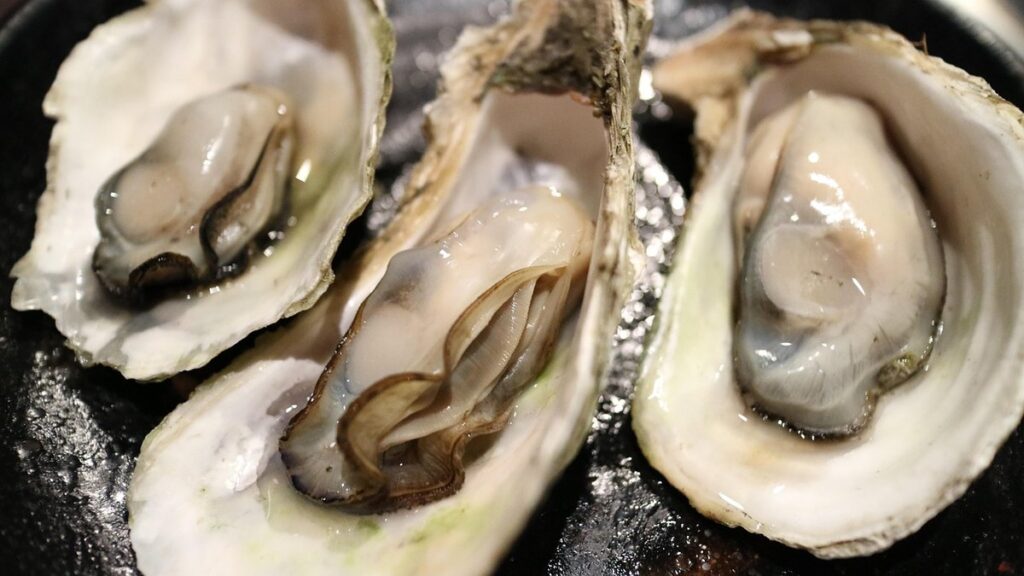
Oyster shell calcium is sourced from crushed oyster shells that are collected from the ocean floor and processed into a fine powder or granule form. This natural byproduct is rich in bioavailable calcium, which is easily absorbed by hens to support their bone health and eggshell development.
Using oyster shell calcium as a supplement has numerous nutritional benefits for your flock. It not only supports strong eggshell production but also helps maintain overall health and well-being. When hens have adequate calcium intake through oyster shell supplements, they’re less likely to develop issues like eggshell thinning or weakness, which can compromise their reproductive health.
To incorporate oyster shell calcium into your hen’s diet, simply mix the recommended amount with their regular feed according to package instructions. Ensure a steady supply of fresh water and maintain a balanced nutrition plan that meets your flock’s needs. By doing so, you’ll be supporting healthy egg laying and overall well-being in your hens.
Differences Between Oyster Shell Calcium and Limestone Calcium
When it comes to supplementing calcium for hens, two popular options are often confused with each other: oyster shell calcium and limestone calcium. While both may seem like suitable alternatives, there are significant differences between the two that make oyster shell calcium a superior choice.
Oyster shell calcium is derived from the shells of oysters, which are rich in bioavailable calcium. This means that hens can easily absorb the calcium they need to build strong eggshells and maintain overall health. Limestone calcium, on the other hand, is often made from ground-up limestone rocks. While it may contain some calcium, it’s not as easily absorbed by hens.
The main advantage of choosing oyster shell calcium is that it’s a natural source of calcium. This reduces the risk of over-supplementation and ensures that your hens are getting exactly what they need to stay healthy. Plus, oyster shell calcium has been shown to improve eggshell quality and reduce the incidence of cracks and breaks.
Using Oyster Shell Calcium in Your Flock
When incorporating oyster shell calcium into your flock’s diet, it’s essential to understand how much and what type to use for optimal health benefits. Let’s explore this further.
Recommended Dosage and Administration
When providing oyster shell calcium to your hens, it’s essential to follow the recommended dosage and administration guidelines to ensure their health and well-being. A good starting point is to provide 1/4 teaspoon of oyster shell calcium per hen per day, mixed with their feed or placed in a separate dish. However, this can vary depending on factors such as age, breed, and individual needs.
As a general rule of thumb, you can increase the dosage by 1/8 teaspoon every week until you reach an optimal level. It’s also crucial to monitor your hens’ egg production, shell quality, and overall health to determine if adjustments are needed.
Be cautious not to over-supplement with oyster shell calcium, as this can lead to an excessive intake of calcium, causing kidney stones or other issues in severe cases. A good indicator of adequate supplementation is the appearance of strong, firm eggshells. If you notice any softening or cracking, it may be a sign that your hens are not receiving enough calcium.
Choosing the Right Source and Quality
When selecting a reliable source of oyster shell calcium for your hens, there are several factors to consider. First and foremost, look for a reputable supplier that adheres to strict quality control measures. This may involve checking for certifications such as organic or non-GMO. Additionally, ensure the oyster shells used come from sustainable sources and have not been contaminated with heavy metals.
One way to guarantee the quality of your oyster shell calcium is to choose a product that has been tested by a third-party laboratory. This will give you peace of mind knowing that the product meets certain standards. For example, some products may be certified by organizations such as the National Science Foundation (NSF) or the International Organization for Standardization (ISO).
When purchasing oyster shell calcium, also consider the type and quality of oyster shells used. Look for crushed oyster shells, which are easier to digest than whole ones. Also, ensure that the product is free from fillers and additives.
You can find reliable sources of oyster shell calcium online or at local feed stores. Be sure to read reviews and do your research before making a purchase.
Oyster Shell Calcium vs. Other Eggshell Supplements
When it comes to supplementing your hens’ calcium intake, you’ve likely heard of oyster shell calcium as a popular alternative to other eggshell supplements on the market today. Let’s take a closer look at these options side by side.
Comparing Oyster Shell Calcium with Dolomitic Limestone and Gypsum
When it comes to supplementing hens’ diets with calcium-rich materials for strong eggshell production, several options are available. While oyster shell calcium is a popular choice among backyard chicken keepers, other alternatives like dolomitic limestone and gypsum have gained attention as well.
Dolomitic limestone, a naturally occurring mineral composed of calcium magnesium carbonate, provides both calcium and magnesium to hens’ diets. However, it can be too alkaline for some birds, potentially leading to metabolic bone disease if not managed carefully. On the other hand, dolomitic limestone is also rich in minerals like iron, zinc, and potassium, which are essential for overall fowl health.
Gypsum, a hydrated calcium sulfate mineral, is another calcium source that can be added to hens’ feed. It’s often used as an alternative to oyster shell calcium due to its lower cost. However, gypsum has a slower dissolution rate in the gut, meaning it may not provide the same immediate benefits as oyster shell calcium.
When choosing between these options, consider your flock’s specific needs and health status. For example, if you’re managing hens with respiratory issues or metabolic bone disease, dolomitic limestone might be a better option due to its mineral profile. If cost is a significant factor, gypsum could be a more affordable solution. Ultimately, oyster shell calcium remains the most natural and easily digestible source of calcium for hens, providing the best results in terms of strong eggshell production and overall health.
Factors to Consider When Selecting an Eggshell Supplement
When selecting an eggshell supplement for your hens, several key factors come into play. First and foremost, consider the nutritional content of the supplement. Look for products that contain a balanced mix of calcium, phosphorus, and other essential minerals that support strong eggshell development. Some supplements may also offer additional benefits like vitamin D3 or omega-3 fatty acids.
Another crucial aspect to consider is palatability. Hens are creatures of habit, so it’s essential to choose a supplement that they’ll actually eat willingly. Opt for products with a neutral flavor or those that can be easily mixed into their feed. You don’t want your hens to turn up their beaks at the supplement, after all!
Lastly, think about your budget. Eggshell supplements can vary significantly in price, ranging from under $10 to over $50 per pound. While it’s tempting to opt for the cheapest option, keep in mind that lower-priced products may not offer the same level of quality or efficacy as pricier alternatives. Consider investing in a higher-quality supplement that will provide your hens with the support they need without breaking the bank.
Common Questions and Misconceptions about Oyster Shell Calcium
Many of you have reached out with questions and concerns about using oyster shell calcium for your hens, so let’s tackle some common misconceptions head-on. Here are answers to your most frequently asked questions.
Debunking Myths and Addressing Concerns
One of the most common concerns new hen keepers have when introducing oyster shell calcium to their flock is that it’s a fad or an overpriced supplement. However, evidence suggests otherwise. Oyster shell calcium has been used for decades by commercial and backyard chicken farmers alike as a natural way to boost eggshell production.
It’s also worth noting that some claim oyster shell calcium can lead to calcium overload in hens. While it’s true that excessive calcium consumption can be problematic, the key is moderation. When introduced at the right levels and with proper monitoring of your flock’s overall diet, the benefits far outweigh the risks. In fact, a study by the University of California found that oyster shell supplementation significantly reduced the incidence of soft-shelled eggs in a group of layer hens.
To put these concerns to rest, it’s essential to choose a reputable source for your oyster shell calcium and follow the manufacturer’s guidelines for dosage. By doing so, you can reap the rewards of this natural supplement without sacrificing your flock’s health or safety.
Safe Usage and Handling Practices
When using oyster shell calcium supplements for your hens, it’s essential to follow safe handling and storage practices to ensure their effectiveness and minimize risks. Always wash your hands thoroughly before and after handling the supplement to prevent contamination.
Store oyster shell calcium in a dry, well-ventilated area, away from direct sunlight and moisture. This will help maintain its potency and prevent spoilage. Keep it out of reach of your hens to avoid accidental ingestion or choking hazards.
When introducing oyster shell calcium into your flock’s diet, start with small amounts (about 1/4 teaspoon per hen) and gradually increase as needed, based on their individual requirements. Monitor your hens’ egg production and overall health closely, adjusting the supplement dosage accordingly.
It’s also crucial to note that oyster shell calcium should not be mixed with other supplements or medications. Administer it separately, ideally through a separate feeding trough or by mixing it into their regular feed. This will prevent interactions and ensure the supplement is absorbed properly.
Conclusion: The Value of Oyster Shell Calcium for Hens
Now that you’ve learned how to incorporate oyster shell calcium into your hens’ diet, let’s summarize why it’s a valuable addition. This natural supplement offers numerous benefits for healthy egg laying and overall hen health.
Recap of Key Findings and Recommendations
As we conclude our exploration of oyster shell calcium for hens, it’s essential to recap the key findings and recommendations that can help you provide a natural solution for healthy egg laying.
Incorporating oyster shell calcium into a hen’s diet is crucial for optimal health, egg production, and overall well-being. We discussed how this nutrient helps alleviate issues such as soft-shelled eggs, brittle beaks, and leg problems in hens. Regular consumption of oyster shell calcium also reduces the risk of metabolic bone disease, a common condition affecting many backyard chickens.
One of the primary benefits of using oyster shell calcium is its high calcium content, which is essential for eggshell formation. Without sufficient calcium intake, hens may produce eggs with weak or soft shells, making them more susceptible to breakage and contamination. We also highlighted the importance of maintaining a balanced diet that includes a mix of grains, fruits, vegetables, and protein sources.
To implement oyster shell calcium into your hen’s diet effectively, consider adding it as a supplement to their feed in moderation. A general rule of thumb is to provide 1-2 teaspoons of crushed oyster shells per pound of layer feed. You can also offer oyster shell grit or supplements that contain a mix of calcium and other essential minerals.
In addition to dietary changes, we emphasized the importance of providing hens with adequate access to fresh water and creating a stress-free environment that promotes overall health and well-being. By combining these recommendations with regular egg production monitoring, you can help ensure your hens remain healthy and productive throughout their laying cycle.
By following these guidelines, you’ll be well on your way to providing your hens with the natural solution they need for optimal health and egg-laying success.
Frequently Asked Questions
What if I’m already giving my hens a calcium-rich layer feed? Will oyster shell calcium still be beneficial?
Even if your hens are receiving a calcium-rich layer feed, oyster shell calcium can still provide additional benefits. Many commercial feeds may not fully meet the calcium needs of your flock, and oyster shell calcium offers a natural and highly absorbable source of calcium that can help ensure optimal eggshell quality.
Can I use oyster shell calcium as a replacement for other supplements or minerals in my hens’ diet?
Oyster shell calcium is specifically designed to provide high-quality calcium for eggshell production. While it may be tempting to use it as a substitute for other supplements, it’s recommended to consult with a veterinarian or poultry expert to determine the best supplement combination for your flock’s specific needs.
How long does it take to see results from using oyster shell calcium in my hens’ diet?
Results from using oyster shell calcium can vary depending on several factors, including the health and age of your flock, as well as the quality and consistency of the supplement. Generally, you may start noticing improvements in eggshell quality within 2-4 weeks after introducing oyster shell calcium into their diet.
Can I give my hens oyster shell calcium and other supplements simultaneously?
Yes, many chicken keepers successfully combine oyster shell calcium with other supplements to create a well-rounded and nutritious diet for their flock. However, it’s essential to research and choose supplements that are safe and compatible with each other, and to follow recommended dosages to avoid over-supplementation.
What if I’m not sure about the quality or source of the oyster shell calcium supplement I’ve chosen? Are there any red flags I should watch out for?
When selecting an oyster shell calcium supplement, look for reputable manufacturers that provide transparent information about their sourcing and production processes. Be wary of supplements that are extremely cheap or come from unknown sources, as these may compromise on quality or safety standards.