
Are you considering giving your backyard chickens a luxurious new home with sand as their bedding? You’re not alone! Many farmers and backyard flock owners swear by the benefits of using sand in chicken runs, citing improved health and hygiene for their birds. But is it all sunshine and rainbows? Not quite. While sand can be a durable and fun option for your chickens to roam and play on, there are potential drawbacks to consider – like the high cost and maintenance requirements that come with it.
In this article, we’ll weigh the pros and cons of using sand as bedding in chicken runs, exploring its benefits and drawbacks, and even discussing some alternative options. By the end of it, you’ll have all the information you need to make an informed decision about what’s best for your flock. Let’s dive into the world of sand vs. no-sand, and find out which choice is right for you and your chickens.
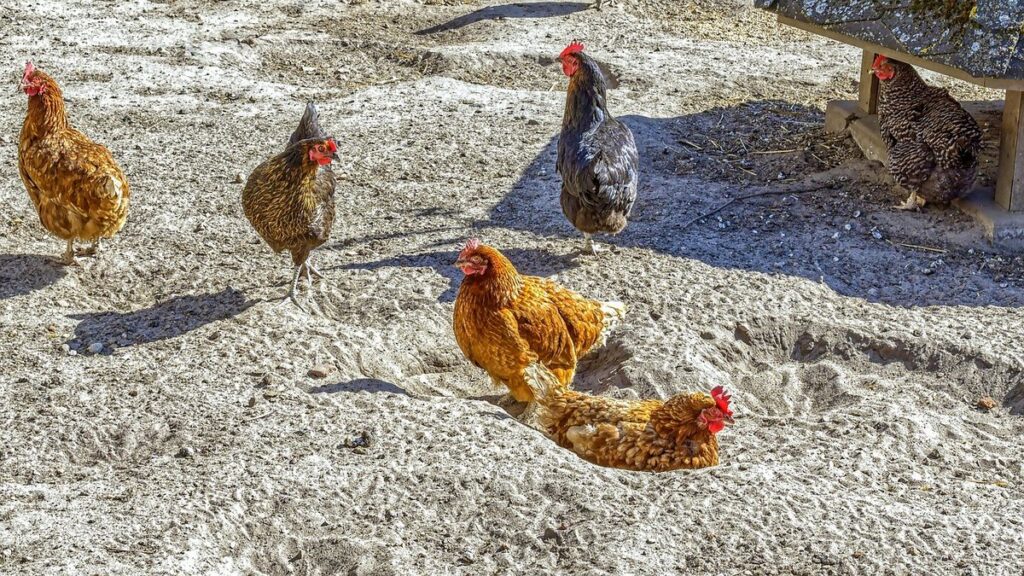
Section 1: What is Sand in a Chicken Run?
So, you’re new to using sand in your chicken run and wondering what it’s all about. Let’s start by understanding what exactly we mean when we talk about adding sand to a coop enclosure.
Benefits of Sand as Bedding
One of the most significant benefits of using sand as bedding in chicken runs is its ability to improve drainage and reduce moisture. Sand allows for excellent airflow and enables water to seep through easily, preventing puddles from forming and reducing the risk of muddy conditions that can be detrimental to your birds’ health. This also makes maintenance a breeze – simply scoop out any waste or debris and replace the sand as needed.
But what’s particularly impressive about sand is its capacity to absorb waste without creating unpleasant odors or attracting pests. Unlike other bedding materials, such as straw or wood shavings, which can harbor bacteria and become malodorous over time, sand remains neutral in scent even when soiled. This means you won’t have to worry about foul smells wafting from your chicken run, making it a much more pleasant environment for both you and your birds.
Some tips for using sand effectively include topping it with a layer of wood chips or straw to create a comfortable surface for your hens to scratch on, and replacing the sand entirely every 6-12 months depending on usage.
Common Types of Sand Used in Chicken Runs
When it comes to choosing the right type of sand for your chicken run, you have several options. Play sand is a popular choice due to its soft and smooth texture, making it gentle on your chickens’ feet. It’s also easy to clean and maintain, as dirt and debris tend to sit on top of it rather than being absorbed. However, play sand can be more expensive than other types.
Builders sand, on the other hand, is a more affordable option but may not be suitable for all chicken runs. Its coarser texture can cause discomfort for chickens with foot problems or sensitive feet. Recycled sand is another eco-friendly alternative that’s gaining popularity. Made from crushed glass or concrete, it’s durable and resistant to compaction.
When selecting sand, consider your climate, the number of birds you have, and their individual needs. If you live in an area with extreme temperatures, a more durable option like recycled sand might be a better choice. Always test a small patch before covering the entire run to ensure the sand doesn’t cause any issues for your flock.
In terms of cost, play sand is generally the most expensive upfront, but its long-term benefits may outweigh the initial investment. Builders sand and recycled sand are often more affordable initially but require more frequent replacement due to wear and tear.
Precautions Before Introducing Sand to Your Run
Before introducing sand to your chicken run, it’s essential to be aware of the potential risks involved. Sand can create a dust-filled environment that may lead to respiratory issues and eye irritation in both humans and chickens. Inhaling fine particles from sand can cause discomfort, coughing, and even exacerbate existing health conditions like asthma.
To safely introduce sand into your existing chicken run, start by preparing the area thoroughly. Remove any debris or obstacles that could create dust pockets. If you’re using a new batch of sand, make sure it’s free of impurities and contaminants. Begin by adding a thin layer (about 1-2 inches) to the surface, then mist the area with water to settle the particles. This will help minimize the amount of dust released into the air.
Also, ensure your chickens have access to clean drinking water and a dust-free roosting area to prevent eye irritation. Consider adding plants or trees nearby to create shade and reduce heat stress, which can also contribute to respiratory issues. By taking these precautions, you can minimize risks associated with using sand in your chicken run.
Section 2: The Pros of Using Sand in Chicken Runs
While some may think sand is just a pretty face, it also offers several benefits for your chickens’ health and happiness. Let’s dive into these advantages now.
Improved Health for Chickens
Using sand in chicken runs can significantly improve the health and well-being of your flock. One of the primary benefits is its ability to reduce the risk of disease by keeping the run dry and free from moisture-loving bacteria. Moisture creates an ideal environment for bacterial growth, which can lead to respiratory issues, such as pneumonia, and even death in severe cases.
Sand helps to keep the run dry by allowing water to drain quickly through it, reducing the likelihood of puddles forming. This is especially important during heavy rainfall or when using automatic watering systems. By keeping the run free from moisture-loving bacteria, you can significantly reduce the risk of disease and promote a healthier environment for your chickens.
In addition to reducing disease, sand also plays a crucial role in lowering ammonia levels in the run. Ammonia is a toxic gas that can cause respiratory issues in chickens, and excessive exposure can lead to stress, decreased egg production, and even death. By incorporating sand into their living space, you can reduce ammonia levels by up to 90%, providing your chickens with cleaner air and a healthier environment.
Enhanced Durability of Run Equipment
Using sand in chicken runs can have a significant impact on the durability of run equipment. One key benefit is that it helps extend the lifespan of fencing and netting. When moisture gets trapped between materials, it can cause damage, decay, or rust over time. Sand acts as a buffer against this issue by allowing excess water to drain easily, reducing wear and tear on these materials.
As a result, sand-covered chicken runs often require less frequent repairs and replacements compared to those with traditional ground coverings like straw or wood chips. For instance, one study found that farms using sand in their chicken runs experienced a 30% reduction in fencing damage over a two-year period. This means you can save time, money, and resources by choosing sand as your go-to material for the ground surface of your chicken run.
To maximize these benefits, consider adding a 2-3 inch layer of sand to the bottom of your chicken run, followed by any additional bedding materials like straw or pine shavings. This will give you an extra layer of protection against moisture and ensure your fencing and netting last longer.
Increased Fun and Exercise for Chickens
Allowing chickens to dig and engage in natural behaviors on a sandy surface is not only entertaining for us, but it’s also incredibly beneficial for their overall health and happiness. Chickens are naturally inclined to scratch and peck at the ground, which is an essential part of their instinctual behavior.
As they dig and forage on sand, chickens get to exercise their muscles, particularly in their legs and feet. This physical activity helps maintain their joint mobility, reducing the risk of arthritis and other health issues associated with sedentary lifestyles. Moreover, digging and scratching also stimulate their mental well-being by providing a sense of purpose and satisfaction.
Incorporating sand into your chicken run can encourage this natural behavior. Start by layering 2-3 inches of sand on the surface, allowing your chickens to dig and scratch freely. You can even create designated “digging areas” with obstacles like logs or rocks for them to navigate through. Remember to keep an eye on their progress and adjust as needed to prevent over-digging and ensure a safe environment. By embracing this natural behavior, you’ll be giving your feathered friends the gift of exercise, happiness, and a life full of purpose.
Section 3: The Cons of Using Sand in Chicken Runs
While sand can be a great addition to your chicken run, it’s not without its downsides. In this section, we’ll explore the potential drawbacks of using sand in your chickens’ outdoor space.
High Cost and Maintenance Requirements
Using sand in chicken runs can come with a significant price tag, both upfront and long-term. The cost of purchasing or transporting large quantities of sand can be substantial, especially if you’re working with a small budget or have limited space for storage. Let’s assume an average cost of $2 per pound of play sand; a 5-foot by 10-foot area would require around 100 pounds of sand, costing approximately $200.
However, this is just the beginning. Over time, the sand will become worn down and compacted, losing its effectiveness as a dust-reducing material. Replacing worn-out sand can cost even more – up to $300 or more per year, depending on the size of your run. This expense adds up quickly, especially if you’re caring for a large flock.
Regular maintenance is also crucial when using sand in chicken runs. To keep the surface clean and free of debris, it’s essential to rake the sand regularly, which can be time-consuming and physically demanding. Additionally, you’ll need to replenish sand levels as needed, ensuring that your chickens always have a safe and comfortable place to walk and forage.
Potential Disruption to Run Environment
Introducing sand into a chicken run can have an unexpected consequence: disrupting the local microclimate and potentially affecting existing ecosystems. This is because sand absorbs heat during the day and releases it at night, which can alter the temperature fluctuations within the run. For example, if you live in an area with extreme temperature swings, adding sand to your chicken run might make it hotter during the day but cooler at night, making it uncomfortable for your chickens.
To minimize these impacts and create a balanced environment, consider implementing a few strategies. First, mix a small amount of sand into the existing bedding material to avoid sudden changes in temperature or humidity levels. You can also incorporate plants that help regulate temperature fluctuations, such as mint or oregano, which are both heat-tolerant and can aid in cooling down the run.
Additionally, make sure to maintain adequate ventilation within the run by installing windows, vents, or other airflow systems. This will not only reduce the risk of respiratory issues but also promote a healthy environment for your chickens. By taking these precautions, you can enjoy the benefits of using sand in your chicken run while minimizing its potential drawbacks.
Concerns Regarding Dust and Respiratory Health
When using sand in chicken runs, one significant concern is the increased risk of dust levels. Sand can create fine particles that become airborne and contribute to higher levels of particulate matter (PM) in the environment. This heightened dust can be detrimental to both chickens and humans.
For example, PM10 (particulate matter with a diameter less than 10 micrometers) is known to cause respiratory issues in both humans and birds. In fact, studies have shown that exposure to high levels of PM10 can lead to inflammation, irritation, and even scarring in the lungs. If left unchecked, this can lead to long-term health consequences.
To mitigate dust-related concerns, it’s essential to ensure good air quality within the chicken run. This can be achieved by incorporating a few strategies:
* Provide adequate ventilation: Ensure proper airflow through the coop or enclosure to prevent stagnation of dust particles.
* Use organic sand or alternatives: Opt for natural, low-dust materials like wood shavings or grass instead of regular sand.
* Implement cleaning schedules: Regularly clean and disinfect areas with high dust concentrations.
Section 4: Alternatives to Sand in Chicken Runs
If you’re looking for a sand-free option, you might be wondering what alternatives are available that can provide similar benefits for your chickens’ health and comfort. Let’s explore some options together.
Gravel and Mulch as Viable Options
If you’re looking for alternatives to sand in chicken runs that provide similar benefits without the drawbacks, consider gravel and mulch. Both materials can help with drainage, reduce maintenance needs, and create a comfortable surface for your chickens.
Gravel is a popular choice among backyard chicken keepers due to its effectiveness at draining water quickly, reducing mud buildup, and making it easier to clean the run. Its angular shape allows it to compact tightly, preventing erosion and making it difficult for weeds to grow. However, keep in mind that gravel can be slippery when wet, so make sure your chickens have a stable surface to roost on.
Mulch, on the other hand, is an excellent option if you’re looking for something more budget-friendly and eco-friendly. Organic mulch like straw or pine shavings helps retain moisture in the soil, suppress weeds, and regulate temperature. It’s also gentle on your chickens’ feet and joints, making it a great choice for long-term use. Simply refresh the mulch periodically to maintain its effectiveness and replace it completely every 6-12 months.
DIY and Budget-Friendly Solutions
If you’re looking for alternatives to commercial sand products for your chicken run, creating homemade solutions can be a great option. One approach is to use locally sourced materials that are readily available and affordable. For example, you can try using play sand from a local hardware store or crushed granite, which can provide similar drainage benefits as traditional sand.
When experimenting with DIY alternatives, it’s essential to research effective recipes and methods to ensure the substitute works well for your flock. A popular option is to mix 1 part of pumice stone with 2 parts of organic compost. This blend provides good traction while also being easy on the chickens’ feet.
Before attempting any homemade solution, make sure to read reviews and testimonials from other chicken keepers who have tried similar recipes. You can also join online forums or consult with local experts to gather more information about what works best for your climate and region. With a little creativity and experimentation, you can create a budget-friendly and effective alternative to commercial sand products.
Section 5: Making an Informed Decision
Now that you’ve weighed the pros and cons of using sand, it’s time to consider how to make a decision that works for you and your flock. Let’s discuss the factors to consider in making an informed choice.
Weighing the Benefits Against Potential Drawbacks
Now that you’ve considered the benefits of using sand in chicken runs, it’s essential to weigh them against potential drawbacks. On one hand, incorporating sand into your flock’s environment can provide numerous advantages, such as improved drainage, reduced moisture-related issues, and a more comfortable surface for chickens to walk on.
However, there are also concerns to consider. For instance, some owners have reported difficulties in maintaining cleanliness with sand, particularly if the sand becomes compacted or moist. Additionally, the cost of sand can be prohibitively expensive for some budgets, especially if you’re managing a large flock.
To make an informed decision that suits your unique circumstances, consider your climate, budget, and personal preferences. Ask yourself: Can I afford to maintain a sand-lined run? Is my climate conducive to using sand without creating muddy messes? Ultimately, it’s crucial to balance the pros of using sand against the cons and choose a solution that works best for you and your flock.
Conclusion and Final Considerations
As you weigh the pros and cons of using sand in chicken runs, it’s essential to summarize the main arguments on both sides. On one hand, sand can provide excellent benefits for your flock, including improved traction, easier cleaning, and reduced dust. It can also help reduce stress and make your chickens’ lives more comfortable.
On the other hand, there are valid concerns about using sand in chicken runs, such as potential toxicity from ingested silica, uneven moisture levels, and increased costs. Some farmers have reported issues with sand becoming compacted or developing an unpleasant odor.
Before making a final decision, we strongly recommend consulting with experts or engaging in further research to determine the best solution for your specific flock and operation. Consider factors like climate, humidity, and chicken breed when evaluating the feasibility of using sand. By taking this approach, you’ll be able to make an informed choice that prioritizes your chickens’ health and well-being while also ensuring efficient management.
Frequently Asked Questions
How do I maintain sand effectively to prevent dust from becoming a respiratory issue for my chickens?
Maintaining sand requires regular raking or sifting to prevent the buildup of dust. Regularly change the sand completely every few months, and also ensure good ventilation in your chicken run by incorporating windows and adequate airflow. This will significantly reduce the amount of dust that becomes airborne.
Can I mix sand with other bedding materials like wood shavings or straw?
Mixing different materials can be a cost-effective way to create a unique blend for your chickens. However, make sure you’re not creating a fire hazard by mixing combustible materials. Also, consider the moisture levels and how they might interact; for example, mixing sand with high-moisture bedding like wood shavings may lead to mud issues.
What are some common mistakes people make when introducing sand into their chicken runs?
One of the most common mistakes is not preparing the run beforehand by providing a sufficient drainage system. Ensure that your sand layer is at least 2-3 inches deep, and have adequate slope for water to drain out easily. Also, avoid mixing sand with other materials without proper consideration.
Can I use play sand or builders sand in my chicken run?
While both can work, it’s generally recommended to use either builders sand (which has better drainage properties) or play sand specifically designed for pet areas (which is finer and easier on the birds’ feet). Avoid using play sand from your local hardware store as it may contain additives that are not suitable for chickens.
How often should I clean and replace sand in my chicken run to ensure optimal health and hygiene?
Replace sand completely every 6-12 months, or more frequently if you notice significant dust buildup or moisture issues. Regularly cleaning the sand can also help prevent pest problems; simply rake the surface and remove any debris, then top it off with fresh sand as needed.