
If you’re like many backyard duck owners, you’ve probably encountered some unwelcome visitors trying to make a meal out of your feathered friends. Whether it’s a sly fox, a cunning coyote, or a sharp-eyed hawk, predators can be a major threat to the safety and well-being of your ducks. In this article, we’ll delve into the world of duck predators and protection, providing you with expert advice on how to safeguard your flock. We’ll cover everything from enclosure design to early warning signs, sharing prevention strategies that will give you peace of mind and keep your ducks safe and sound. By the end of this comprehensive guide, you’ll be equipped with the knowledge and confidence to protect your backyard ducks from harm.
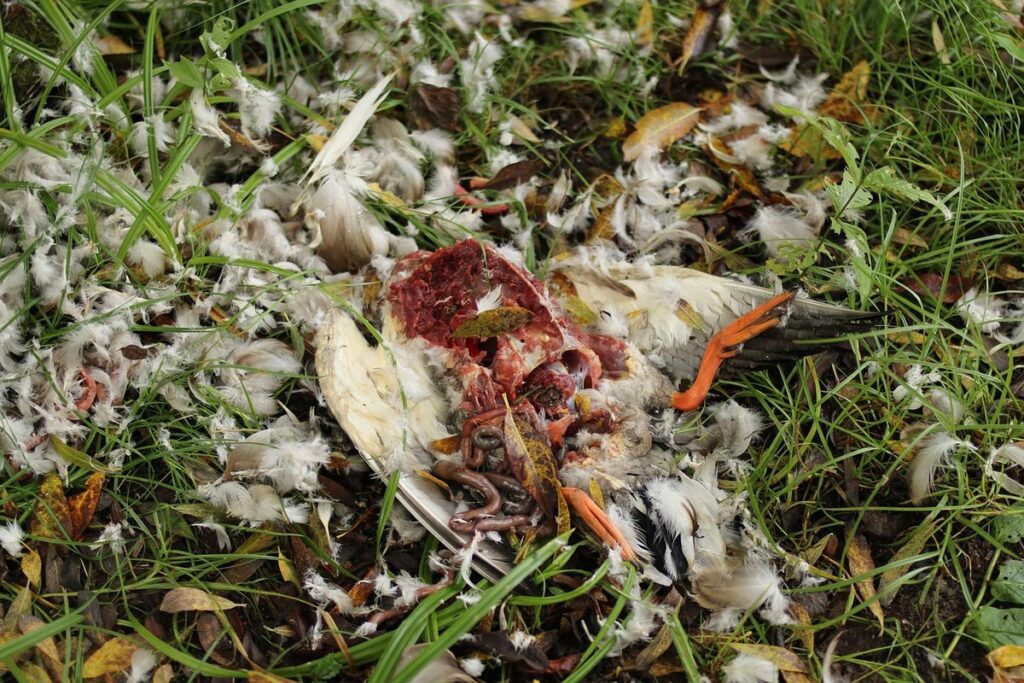
Understanding Duck Predators
Ducks have various predators lurking in their habitats, and it’s essential to identify these threats to protect your feathered friends effectively. We’ll explore common duck predators next.
Common Threats to Backyard Ducks
Backyard ducks are often targeted by various predators that can be found in suburban and rural areas. One of the most common threats is foxes, which are known to sneak into backyards under the cover of night to snatch unsuspecting ducks. Coyotes are another predator that poses a significant threat, especially if they have become habituated to human presence.
Birds of prey like hawks and owls also view backyard ducks as potential meals. These birds are skilled hunters and can swoop down on their targets with ease. Domestic cats, even well-fed ones, may see ducks as potential playthings or easy prey. Raccoons are another common predator that can raid duck coops at night.
It’s essential to take preventive measures to protect your backyard ducks from these predators. This includes securing the coop and run with sturdy fencing, removing attractants like food and water sources that might draw in predators, and using deterrents such as motion-activated sprinklers or ultrasonic repellent devices. By being aware of the potential threats and taking proactive steps, you can minimize the risk of predation and ensure your ducks remain safe.
Urban vs. Rural Predator Dynamics
When it comes to predator dynamics, urban and rural areas present distinct challenges for duck owners. In cities, predators like raccoons, opossums, and domestic cats are common threats. These animals are often drawn to easily accessible food sources, such as garbage or pet food left outside. As a result, ducks in urban areas may be more likely to encounter these opportunistic feeders.
In contrast, rural areas tend to have a greater variety of predators, including coyotes, foxes, and hawks. These animals are often driven by hunger rather than curiosity, making them more formidable threats to duck populations. Local wildlife populations also play a significant role in shaping predator dynamics in rural areas. For example, if there’s an abundance of small prey like rodents or birds, it can attract larger predators like coyotes.
To protect your ducks in either urban or rural settings, consider the following: always secure trash and pet food, install sturdy fencing to prevent raccoons and other small mammals from entering your yard, and use visual deterrents such as shiny reflective tape to scare away birds of prey.
Recognizing Early Warning Signs
When spending time with ducks, it’s essential to be aware of potential threats lurking nearby. Recognizing early warning signs can help you respond quickly and protect your feathered friends. So, what are the telltale signs that a predator is nearby?
Unusual bird behavior is often the first sign of trouble. If ducks seem nervous or agitated, constantly looking over their shoulders, or making rapid escape attempts, it’s likely they’ve spotted something amiss. Keep an eye out for changes in their usual routine, such as abandoning a favorite feeding spot or nesting area.
Nest damage or missing eggs can also indicate predator activity. Regularly inspect nests and surrounding areas for any signs of disturbance or damage. Be cautious if you notice a nest that’s been recently rebuilt or has new gaps where there weren’t before. These could be indicative of a sneaky predator trying to gain access.
If you’re aware of these early warning signs, you can take swift action to secure the area and prevent potential harm. Stay vigilant and watch for any unusual behavior in your ducks – it’s often the best indicator that something’s not quite right.
Habitat-Related Predation Risks
When it comes to duck predators, their natural habitats play a crucial role in determining the level of risk your feathered friends face. We’ll explore some common threats associated with specific environments.
Improper Enclosures and Fencing
Proper enclosure design and fencing are crucial components of duck predator protection. Unfortunately, many backyard duck owners underestimate the importance of secure enclosures, leaving their feathered friends vulnerable to predators.
Inadequate fencing can be as simple as a gap under a gate or a weak link in the fence line. But these small weaknesses can be exploited by cunning predators like foxes, coyotes, and raccoons. For example, a study found that 75% of backyard duck attacks occurred through gaps in the enclosure or inadequate fencing.
To protect your ducks, ensure that your enclosure is at least 6 feet tall to prevent jumping predators. Burying the fence line underground for at least 12 inches can also prevent digging predators from getting under the fence. Regularly inspect your enclosure and make repairs as needed. Additionally, consider using hardware cloth or chicken wire with openings no larger than 1 inch to prevent predators from reaching through. By taking these precautions, you can significantly reduce the risk of predator attacks on your ducks.
Overexposure to Wild Animals
Leaving duck enclosures exposed to nearby wildlife habitats can significantly increase predation risk. When adjacent wild areas are not properly contained or screened off, ducks may easily wander into the path of potential predators. Areas with high concentrations of wild animals, such as forests, grasslands, and wetlands, pose a significant threat.
For example, if your duck enclosure is situated near a beaver pond or a fox den, you should take extra precautions to prevent escape and predation. Similarly, areas with an abundance of birds of prey like hawks, owls, and eagles can also increase the risk of predation.
To minimize this risk, it’s essential to assess your surroundings and implement measures such as:
* Installing sturdy fencing or netting around the enclosure
* Screening off adjacent wildlife habitats with dense vegetation or predator-deterrent materials
* Regularly inspecting the enclosure for any gaps or weaknesses that might allow ducks to escape
By taking these precautions, you can reduce the likelihood of overexposure and safeguard your duck flock from potential predators.
Nearby Food Sources Attracting Predators
Feeding wild animals near duck enclosures can have severe consequences on the safety and well-being of your feathered friends. Many people are unaware that feeding wildlife, especially birds, can attract predators to the area. This is because the presence of food sources often draws in unwanted visitors, including foxes, coyotes, and even larger mammals like raccoons.
When you feed wild animals near duck enclosures, you’re essentially creating a magnet for potential threats. For instance, if you frequently leave bread or other treats on your lawn, you may inadvertently attract crows or magpies, which can be an indicator of other predators in the area. These birds often serve as “lookouts” for larger predators, warning them of the presence of easy prey.
To minimize this risk, it’s essential to keep your surroundings clean and free from food waste. Store birdseed and other attractants securely, out of reach of wildlife. If you must feed wild animals, consider using a distance-based feeding system that keeps them at bay from your duck enclosures.
Predator Prevention Strategies
When it comes to protecting your feathered friends, knowing how to prevent predator encounters is just as important as having a plan in place for an attack. Let’s dive into some effective strategies to keep predators at bay.
Secure Enclosure Design
When designing an enclosure to protect your ducks from predators, it’s essential to focus on secure entry points. Hardware cloth, netting, and electric fencing are effective materials for preventing predator entry.
Hardware cloth is a sturdy mesh material that can be wrapped around posts or attached to the top of a fence to prevent climbing predators like raccoons, opossums, and foxes from accessing your duck enclosure. Burying hardware cloth 12 inches underground will also deter burrowing predators such as coyotes and groundhogs.
Netting is another option for securing your enclosure. A sturdy net with openings no larger than 1 inch can prevent birds of prey like hawks and owls from swooping down to grab a duck. Netting should be attached to the top of the fence at least 3 feet off the ground, and extend 12 inches below the surface to prevent digging predators.
Electric fencing is also effective for keeping predators out. A shock will deter most animals from attempting to jump or climb over the fence. When installing electric fencing, ensure that it is at least 4 feet tall and spaced no more than 3 feet apart.
Protection from Flying Predators
When it comes to protecting your ducks from aerial threats, there are several effective methods you can use. Bird-repellent balloons are a great option for smaller farms or backyard duck keepers. These balloons mimic the appearance of predatory birds such as hawks and owls, which will scare them away. You can place these balloons around the perimeter of your duck enclosure to create a protective barrier.
Another effective method is using ultrasonic repellent devices. These devices emit a high-frequency sound that’s undetectable to humans but unpleasant for birds. They’re especially useful for protecting ducks from aerial threats like hawks and eagles, which can cause significant damage if not prevented. You can place these devices around the perimeter of your duck enclosure or inside the coop itself.
Netting systems are also a popular option for protecting ducks from flying predators. By covering your duck enclosure with netting, you’ll prevent birds of prey from swooping down and attacking your ducks. Make sure to use durable, predator-resistant netting that’s specifically designed for this purpose. It’s also essential to ensure the netting is securely fastened and covers all entry points.
When choosing a netting system, consider factors such as durability, ease of installation, and maintenance requirements. You should also take into account the type of predators you’re trying to protect against and adjust your netting accordingly. For example, if you live in an area with frequent hawk sightings, you may want to use heavier-gauge netting that’s more resistant to their talons.
Guard Animals: Pros and Cons
Using guard animals to protect duck flocks can be an effective way to deter predators, but it’s essential to weigh their benefits against potential drawbacks. On the positive side, guard animals like dogs, donkeys, and geese are naturally defensive of their territory and will sound alarms or charge at any perceived threats. This can give your ducks a vital warning system and even help chase off predators.
However, introducing guard animals requires careful consideration and planning. For instance, if you choose to use dogs, they’ll need regular training and socialization to ensure they don’t become overly aggressive towards your ducks. You’ll also need to consider the space and resources required to keep these animals healthy and happy.
One example of a successful guard animal system is using geese with their goslings to protect duck flocks. The natural maternal instinct of geese makes them fiercely protective, and they’ve been known to chase away even large predators like coyotes and foxes. If you’re considering this option, make sure to research the specific needs and temperaments of the breed you choose.
When introducing guard animals, it’s crucial to monitor their behavior and adjust your approach as needed. With patience and proper training, a well-chosen guard animal can become a valuable addition to your duck protection strategy.
Protecting Duck Nests and Young
When it comes to raising a healthy duck family, protecting their nests and young from predators is crucial. We’ll discuss essential strategies for safeguarding your ducklings’ safety in this section.
Nesting Site Selection
When it comes to protecting duck nests and young, choosing a safe nesting site is crucial. Predators like foxes, raccoons, and owls are always on the lookout for vulnerable ducklings, so selecting a secure location can significantly reduce predation risk.
Ducks often prefer natural shelter options when nesting, such as tall grasses, reeds, or shrubs with dense foliage. These areas provide excellent cover from potential threats, allowing ducks to feel safe and protected while raising their young. For example, a thicket of cattails or a stand of tall sunflowers can be an ideal nesting site for ducks.
When selecting a nesting site, consider the following factors: proximity to water, vegetation density, and surrounding landscape features. Ensure that the area is free from human disturbance and other potential threats, such as nearby pets or wildlife. By carefully choosing a safe nesting site, you can significantly reduce the risk of predation and give ducklings a better chance at survival. This simple yet crucial step can make all the difference in protecting these vulnerable birds.
Incubator Use and Support
Using incubators or providing support to mothers with ducklings can be an effective way to protect them from predators while they are vulnerable. This approach is especially useful if you have a small flock or limited ability to supervise the area.
You can start by setting up an incubator or brooder in a secure location, such as a fenced enclosure or a predator-proof coop. Ensure it’s large enough for the ducklings to move around comfortably and has adequate ventilation. Add heat lamps or a heating pad to maintain a safe temperature range.
As ducklings grow, you can transition them to a larger area with adequate shelter and shade. Provide food, water, and nesting materials close by to help mothers tend to their young without having to leave their side. Keep the area free from predators by using physical barriers, removing attractants like food waste, or even introducing non-predatory animals that will deter actual predators.
Remember, the goal is to create a safe space where mothers can focus on caring for their ducklings without worrying about predation.
Monitoring and Early Intervention
Monitoring nesting areas is crucial to preventing predation on duck nests and young. If you’re aware of potential threats, you can take proactive measures to safeguard your birds. Look for signs of predator activity such as torn vegetation, footprints, or unusual scat around the nesting site.
Early intervention is essential in preventing damage to eggs and chicks. Check on your ducks frequently, especially during peak breeding seasons. If you notice a decrease in egg production, abandoned nests, or visible predation signs, investigate further.
To effectively monitor your duck’s nesting area:
- Regularly inspect the surroundings for potential predators like foxes, raccoons, or birds of prey.
- Consider installing cameras or motion-sensitive lights to deter nocturnal predators.
- If you find evidence of predation, relocate the nest or chicks to a safer location.
- Keep a record of your observations and adjust your protection strategies accordingly.
Remember, it’s better to err on the side of caution. With vigilant monitoring and timely intervention, you can minimize the risk of predation and ensure the well-being of your duck family.
Conclusion: Comprehensive Duck Protection
As we’ve explored various predators and protection methods, let’s summarize key takeaways and strategies for effectively safeguarding your feathered friends from harm. This final section wraps up our comprehensive guide.
Recap of Key Takeaways
When protecting ducks from predators, it’s essential to remember the key takeaways from this comprehensive guide. One of the most critical design elements is ensuring secure enclosure fencing, as we discussed earlier. A sturdy fence at least 3 feet high, extending at least 12 inches below ground level, and made of durable materials such as metal or wood can effectively deter foxes and other medium-sized predators.
Effective management strategies include regular monitoring of your duck’s living area, removing any attractants like food debris or standing water that may draw in unwanted visitors. It’s also crucial to keep your flock safe by separating them from other animals, especially at night when most predators are active.
To further minimize risks, consider introducing protective measures such as guard animals or using noise-making devices that scare away potential threats. Additionally, adjusting your duck’s daily routine and providing a balanced diet can boost their immune system and make them less appealing to predators.
Additional Resources and Support
If you’re committed to providing a safe haven for ducks in your backyard, it’s essential to consider additional resources and support that can aid in comprehensive duck protection. For instance, local wildlife organizations often offer expert advice on predator control methods, as well as training sessions on how to safely interact with ducks.
Consider consulting online forums or social media groups focused on duck keeping and protection. These platforms provide valuable insights from experienced owners who have faced similar challenges. By connecting with like-minded individuals, you can gather tips on effective deterrents, learn about successful predator-repellent plants, and discover innovative solutions for securing your duck enclosure.
You may also want to explore local workshops or online courses that cover topics such as wildlife management, predator behavior, and habitat creation. These resources can help you develop a deeper understanding of the complex relationships between predators, prey, and their environments. By investing time in learning and networking, you’ll be better equipped to protect your ducks from potential threats and create a thriving ecosystem in your backyard.
Frequently Asked Questions
What are some common mistakes people make when designing a secure enclosure for their backyard ducks?
When building or upgrading an enclosure, it’s essential to prioritize sturdy fencing materials (at least 3 feet high) and ensure there are no gaps or weaknesses. Also, consider the size of the enclosure in relation to your duck population – overcrowding can lead to increased stress levels and make them more vulnerable to predators.
How often should I inspect my ducks’ living area for potential predator entry points?
Regular inspections (at least once a week) are crucial to maintaining a secure environment. Look out for any damage, weaknesses, or signs of tampering with fencing materials, as well as ensure that all gates and doors are securely closed and locked.
Can I use guard animals like dogs or donkeys to protect my backyard ducks from predators?
While guard animals can be an effective deterrent, it’s crucial to choose the right animal for your specific needs. Some breeds of dogs can be too energetic or unpredictable around ducks, so research thoroughly before selecting a guard animal. Additionally, ensure that the guard animal has been introduced gradually and under controlled circumstances.
What should I do if I notice signs of a predator visiting my backyard at night?
If you suspect a nighttime visit from a predator (e.g., fox tracks, feathers out of place), it’s essential to investigate thoroughly during daylight hours. Check for any damage or vulnerabilities in your fencing and consider reinforcing weak points or upgrading materials as needed.
Can I use deterrents like hot peppers or ultrasonic devices to repel predators?
While some natural deterrents (like hot peppers) might have a minimal effect, their efficacy can vary greatly depending on the specific predator. Ultrasonic devices, however, are generally not recommended, as they may not be effective in deterring experienced or habituated predators.