
Free-ranging chickens can be a joy to have on your homestead, but they also come with their own set of risks. Predators like foxes, coyotes, and hawks see our feathered friends as an easy meal, putting them in harm’s way every time they step outside. As a chicken owner, it’s essential to take steps to protect your flock from these threats and ensure they can roam freely without constant supervision.
In this article, we’ll explore the world of predator-safe free-ranging chickens. We’ll cover fence security tips to keep those pesky predators out, as well as discuss various deterrents you can use to scare them off. From electric fencing to motion-activated sprinklers, we’ll dive into the most effective ways to safeguard your flock and give you peace of mind when letting them roam free. By the end of this article, you’ll have a solid understanding of how to keep your chickens safe while still enjoying the benefits of free-ranging.
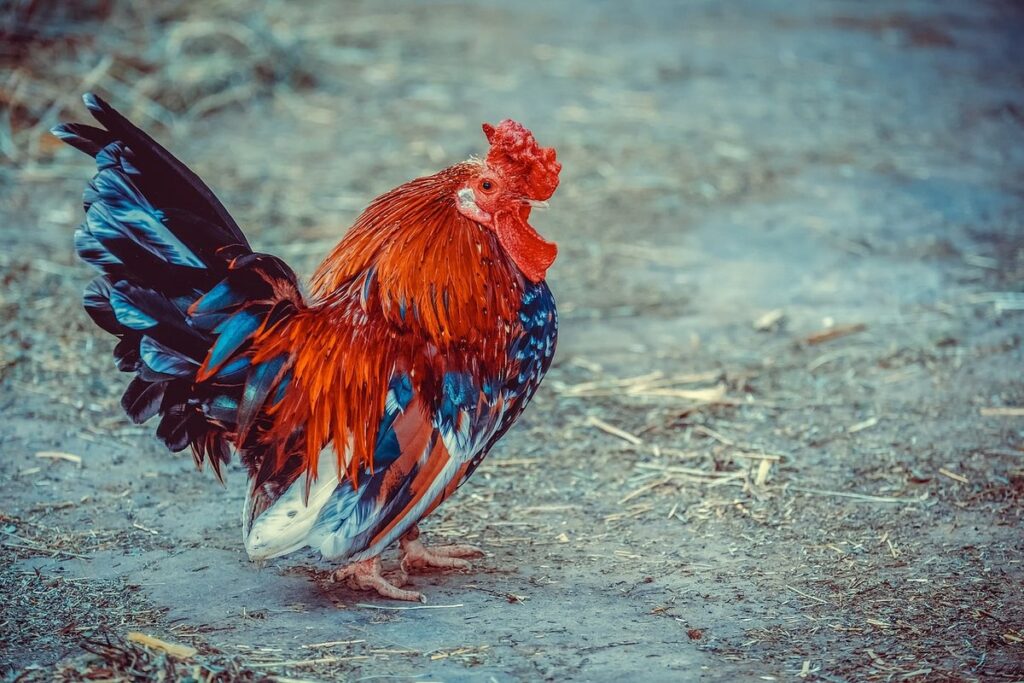
Introduction to Predator Safe Free Ranging
Let’s dive into the world of predator safe free ranging, where your backyard chickens can roam freely and safely. This section will explore essential considerations for creating a secure environment.
Understanding the Importance of Predator Safety
When introducing free ranging chickens to your backyard flock, it’s crucial to prioritize predator safety. This is not just a matter of protecting your birds from potential threats; it also affects their overall well-being and quality of life.
Predators like hawks, foxes, coyotes, and domestic dogs pose significant risks to your flock, and if they’re not properly protected, the consequences can be severe. Not only will you face financial losses due to lost or injured birds, but you may also have to deal with the emotional stress of watching your animals suffer.
To put this into perspective, according to a study by the American Association of Avian Veterinarians, free-ranging chickens are at higher risk for predator attacks during their most vulnerable hours: early morning and late evening. By taking proactive measures to safeguard your flock, you can minimize these risks and provide a safe environment for your birds to roam freely.
Investing in hardware cloth enclosures or netting is an effective way to protect your flock from aerial predators like hawks and owls. You can also consider using electric fencing around the perimeter of your yard to deter ground-dwelling predators.
Common Predators of Free Ranging Chickens
When it comes to free ranging chickens, there are several predators that can pose a threat to their safety. Some of the most common predators that target free ranging chickens include dogs, coyotes, hawks, owls, foxes, and snakes.
Dogs, whether they’re stray or domesticated, can be a significant threat to your flock. They often see chickens as potential prey, and their hunting instincts take over. To protect your chickens from canine predators, consider investing in a sturdy enclosure that’s at least 6 feet high with secure fencing around the perimeter.
Hawks and owls are also common aerial predators that target free ranging chickens. These birds of prey are attracted to the sound of clucking and flapping wings, which can make them easy targets. To deter these birds, you can use visual deterrents such as shiny reflective tape or balloons around your coop and run.
Other predators like coyotes and foxes are more stealthy and often attack under cover of darkness. They’re attracted to the sound of chickens foraging at night and can be difficult to detect until it’s too late. To protect against these predators, consider investing in a secure coop that’s buried 12 inches deep with hardware cloth around the perimeter.
Foxes and coyotes are also known to dig under fences to get to their prey, so make sure your fencing is secure and extends at least 3 feet below ground level. Snakes, on the other hand, can be a problem in warmer climates where they’re more prevalent. To protect against snake predators, consider using a physical barrier like hardware cloth or chicken wire around your coop and run.
It’s essential to be aware of these common predators and take proactive steps to secure your flock’s safety. By doing so, you’ll ensure that your chickens can enjoy the freedom of free ranging while minimizing the risks associated with predator attacks.
Assessing Your Yard’s Predator Risk
To safely free-range your flock, it’s essential to assess potential predator risks in your yard, from coyotes to hawks and everything in between. Let’s examine these threats together, one by one.
Identifying Potential Entry Points for Predators
When it comes to protecting your free-ranging chickens from predators, understanding where potential entry points exist is crucial. Start by conducting a thorough walk-through of your yard and inspecting the perimeter fencing. Check for holes, gaps, or worn-out areas that might be tempting to an opportunistic predator like a raccoon or coyote.
Look closely at fence posts and gates – often, it’s the smallest openings that can let predators slip in undetected. Make sure all gates are securely locked, and consider installing hardware cloth or chicken wire around vulnerable areas. Don’t forget to check under doors and windows as well; these are common entry points for smaller predators like rats and snakes.
As you inspect your yard, take note of any nearby sheltered spots – such as bushes, trees, or abandoned burrows – that might serve as hiding spots for predators. Also, consider the surrounding landscape: if neighboring properties have unsecured chicken coops or easy access to food sources, it may attract unwanted visitors to your own property.
Evaluating the Surrounding Environment for Predator Attraction
When free ranging chickens, it’s crucial to evaluate the surrounding environment for predator attraction. Nearby wildlife habitats can draw predators like coyotes, foxes, and raccoons that view your flock as potential prey. For example, a nearby forest or woodland area may harbor these creatures, increasing the risk of attack on your chicken yard.
Food sources are another magnet for predators. If there’s an abundance of insects, rodents, or other small animals in your vicinity, it can attract larger predators that feed on these species. Consider the types of plants and flowers in your garden – if they attract pollinators like bees and butterflies, they may also draw wasps and hornets, which are known to prey on chickens.
Water features like ponds, streams, or birdbaths can also become a hub for predator activity. These areas often provide a convenient source of water and shelter for predators like raccoons, opossums, and hawks. When evaluating your yard’s surroundings, take note of any nearby bodies of water and consider implementing measures to secure your flock’s access to these areas.
By acknowledging the potential attractions in your yard’s environment, you can take proactive steps to mitigate risks and create a safer space for your free-ranging chickens.
Designing a Secure Free Range
When it comes to free ranging chickens, creating a secure space is crucial to keeping your flock safe from predators. In this next part of our guide, we’ll explore the best practices for designing a predator-safe free range.
Creating a Fenced Enclosure with Predator-Proof Features
When it comes to creating a secure fenced enclosure for your free-ranging chickens, choosing the right materials and design is crucial. You’ll want to select options that prevent predator entry while also being durable enough to withstand various weather conditions.
Hardware cloth, for instance, is an excellent choice for fencing because of its flexibility and small mesh size (usually 1 inch or smaller) that predators can’t squeeze through. It’s often coated with a rust-resistant material to ensure long-term durability. Electric fencing is another effective option; it can be set up to deliver a shock that deters predators, while also being easily adjustable to different fence heights.
Netting can also be used in conjunction with other materials or as a standalone solution for small areas around feeders and water sources. Look for netting with openings of 1 inch or smaller to prevent raccoons, opossums, and snakes from slipping through. Consider adding a roof or covering over your enclosure to provide an additional layer of protection.
When designing your fenced enclosure, consider the height and strength of the fencing material, as well as any gaps between posts that predators might exploit.
Implementing Additional Safety Measures for Your Chickens
Once you’ve designed your secure free range with adequate enclosure and fencing, it’s essential to consider additional safety measures to further protect your chickens from predators. Covered runs can provide an extra layer of protection against aerial threats such as hawks, eagles, and owls. You can install a roof or netting over the top of the run, ensuring that any potential predators cannot swoop down.
Overhead protection is another crucial aspect to consider when designing your free range. Installing a physical barrier above the enclosure, such as chicken wire or hardware cloth, can prevent raccoons, opossums, and other small mammals from climbing over. Make sure this barrier extends at least 3 feet beyond the top of the run to prevent predators from reaching in.
In addition to covered runs and overhead protection, locking mechanisms are also vital for securing your free range. Use strong latches or locks on gates and doors to prevent potential intruders from accessing the enclosure. Consider investing in automatic door closers that will ensure gates shut securely behind you, providing an added layer of security.
Predator Deterrents and Repellents
To keep those sneaky predators at bay, let’s take a look at some effective deterrents and repellents that’ll give your flock an extra layer of protection. We’ve got some tried-and-true favorites to share.
Using Visual Deterrents to Scare Away Predators
Visual deterrents can be an effective and non-lethal way to scare away predators from your free-ranging chickens. These devices work by startling or intimidating the predator, causing them to leave the area quickly. One popular option is motion-activated sprinklers, which can be placed around the perimeter of your chicken run. When a predator triggers the sprinkler, it will suddenly spray water in its direction, scaring it away.
Another option is balloons and reflective tape. These can be hung from trees or fence posts to create a visual barrier that’s unpleasant for predators to approach. The bright colors and reflections can startle them, making them think twice about entering your chicken run. For example, you can use UV-reflecting tape to create a shiny surface that’s visible only at night, when predators are most active.
To get the most out of visual deterrents, it’s essential to place them strategically around your chicken run. Make sure they’re positioned in areas where predators are most likely to enter and that they’re easily seen from a distance. With proper placement and maintenance, these devices can be an effective addition to your predator-deterrent arsenal.
Planting Predator-Deterring Plants Around the Yard
When it comes to creating a safe and predator-free zone for your free-ranging chickens, planting predator-deterrent plants around the yard is a great place to start. These plants have natural properties that repel or deter predators, giving you peace of mind while your girls roam freely.
Hot peppers, such as chili peppers and cayenne pepper, are a popular choice among backyard chicken keepers. The capsaicin in these plants irritates the eyes and skin of predators like raccoons, opossums, and foxes, keeping them away from your flock. Plant hot pepper seeds or seedlings around the perimeter of your yard, making sure to place them at least 12 inches away from any edible crops.
Garlic is another natural repellent that can be used to deter predators. Not only does it repel mosquitoes and ticks, but it also deters raccoons, opossums, and other unwanted critters. You can plant garlic cloves around the yard or mix them with hot peppers for an extra-strong deterrent.
Lavender is a calming scent for humans, but to predators, its fragrance is anything but soothing. The strong aroma of lavender repels snakes, raccoons, and other nocturnal pests that might target your chickens. Plant lavender in areas where you’ve had problems with predators in the past or along pathways where they tend to roam.
To get the most out of these plants, be sure to plant them around the entire perimeter of your yard. This will create a barrier that keeps predators at bay and allows your free-ranging chickens to roam safely. With a little planning and some basic gardening knowledge, you can create a predator-safe zone for your flock using these natural deterrents.
Safe Free Ranging Practices
When free ranging your chickens, safety is crucial – not just for them, but also for you and any potential predators that might be lurking in the area. Here we’ll explore some essential practices to help minimize risks.
Supervising Your Chickens During Free Range Time
When you finally give your chickens free range time, it’s essential to stay vigilant and supervise them closely. This is crucial for preventing predator encounters that can lead to injury or even death. Even if you’ve taken the necessary precautions to secure your yard, there’s always a risk of an unexpected visit from a fox, coyote, or other predators.
To ensure safe free ranging, designate someone in your household to supervise the chickens at all times during their outdoor excursions. This can be as simple as hanging out in the yard with them while they forage or setting up a remote camera system to monitor activity. If you have a large property, consider dividing it into smaller sections and supervising each area separately.
Stay alert for signs of predators, such as feathers scattered around the yard or an unnatural absence of chicken noise. If you notice anything unusual, immediately call your chickens in and inspect their coop and surrounding areas for potential entry points. Regular supervision will help prevent predator encounters and keep your flock safe.
Educating Family Members and Visitors About Predator Safety
When interacting with your free-ranging chickens, it’s essential to educate family members and visitors about predator safety. This is crucial for preventing potential attacks on the birds and ensuring everyone’s safety around the flock.
Start by explaining the common predators that target chickens, such as foxes, coyotes, hawks, owls, and domestic cats. Let them know how these predators can be attracted to your yard, including through food waste or other attractants.
Teach family members and visitors about basic predator-deterrent measures, like securing coop doors, locking gates, and keeping a clean yard free from debris. Emphasize the importance of not feeding wildlife, as this can inadvertently draw predators to your property.
For added safety, consider posting clear signs around your chicken area reminding visitors to keep pets away and be mindful of potential threats. It’s also essential to supervise children when they’re interacting with chickens to ensure they understand the risks involved.
Ongoing Maintenance and Monitoring
To ensure the continued health and safety of your free ranging flock, ongoing maintenance and monitoring are crucial aspects to keep in mind as you enjoy your predator safe backyard chickens. This includes regular checks on coop conditions and more.
Regularly Inspecting the Enclosure for Damage or Weak Spots
Regular inspections are crucial to maintaining the integrity of your chicken enclosure. As the seasons change and weather conditions vary, your coop’s structural components can weaken or sustain damage. This is especially true for wooden structures that may rot or warp due to moisture exposure.
To inspect your enclosure, walk around its perimeter and carefully examine all points of entry and exit, including gates, latches, and hardware cloth. Look for signs of wear, such as rusty hinges or torn mesh, which can compromise the security of your coop. Check for gaps between boards, loose screws, and other weaknesses that might allow predators to enter.
Regular inspections should be done at least once a month, but ideally after every extreme weather event. For example, if you’ve experienced heavy rainfall or snowmelt, inspect your enclosure immediately to prevent potential damage. By staying vigilant and proactive in your maintenance routine, you can help ensure the long-term safety of both your chickens and your property.
Monitoring Your Chickens’ Behavior for Signs of Stress or Predator Encounter
Monitoring your chickens’ behavior is crucial to ensure their well-being and safety. Changes in appetite can be an early warning sign of stress or a predator encounter. If you notice that your flock’s feed consumption has decreased, it could indicate that they’re feeling anxious or fearful. Similarly, alterations in droppings can signal that something is amiss – look for changes in color, consistency, or frequency.
Dropping quality and quantity can provide valuable insights into your chickens’ health. A sudden increase in dry droppings may be a sign of stress, while an unusual odor could indicate digestive issues. Feather condition is also a reliable indicator of overall health. If you notice excessive molting, pecking, or picking at feathers, it might suggest that your flock is experiencing undue stress.
Keep a close eye on these subtle changes and address them promptly to prevent more severe problems from developing. Be proactive in monitoring your chickens’ behavior by observing their daily activities, appetite, droppings, and feather condition regularly.
Frequently Asked Questions
What if I have a small yard, can I still create a secure free-range area for my chickens?
You don’t need a large yard to provide a safe free-range area for your chickens. Consider using a smaller, enclosed space or a “chicken run” that’s specifically designed for predator safety. These areas can be just as effective at keeping predators out as larger spaces, and they’re perfect for small yards.
How often should I inspect my fence and enclosure for potential vulnerabilities?
Regular inspections are crucial to maintaining your flock’s safety. Set aside time each week to check your fence and enclosure for any signs of damage or weakness. Look for areas where the fencing may be compromised, such as loose posts or sagging wire. Make repairs promptly to prevent predators from exploiting these weaknesses.
What if I live in an area with a high predator population, are there any additional safety measures I can take?
Yes. If you live in an area with a high predator population, it’s essential to take extra precautions to protect your flock. Consider using multiple layers of fencing or investing in electric fencing to create a more secure barrier. You may also want to explore the use of motion-activated sprinklers or other deterrents specifically designed for areas with high predator activity.
Can I mix breeds and ages when introducing free-ranging, or are there specific considerations I should be aware of?
When introducing free-ranging, it’s generally best to start with birds of a similar age and breed. This helps prevent stress and competition among the flock. However, if you do have a mixed-breed or mixed-age flock, consider starting them on a gradual introduction to the free-range area to prevent any conflicts or issues.
How long does it take for chickens to adapt to a new free-range environment?
Chickens can adapt quickly to a new free-range environment, but it may take some time. Start by introducing your birds to the secure area gradually, allowing them to become comfortable with their surroundings before giving them full access. Monitor their behavior and adjust your introduction schedule as needed to ensure a smooth transition.