
Storing grain feed safely is a crucial task for any livestock or poultry owner. Not only does it help prevent rodent infestations, but it also protects your animals from disease transmission and damage. Rodents are notorious for spreading diseases like leptospirosis and E. coli, which can have devastating consequences on your flock or herd.
In this article, we’ll explore effective storage strategies to keep rodents at bay and safeguard your feed. We’ll discuss the importance of proper ventilation, rodent-proof containers, and regular cleaning habits to maintain a pest-free environment. By learning how to store grain feed securely, you can ensure the health and well-being of your animals while also minimizing the risk of costly damages to your property.
Understanding the Risks of Rodent Infestations
Rodents can cause significant damage and health risks if left unchecked, so it’s essential to understand the potential dangers of infestations in your home or garden. In this section, we’ll explore the risks you face when rodents invade your space.
The Impact of Rodents on Livestock and Poultry Health
Rodents can carry and transmit a range of diseases that pose significant threats to livestock and poultry health. Leptospirosis is one such disease that rodents are known to harbor. This bacterial infection can be transmitted to animals through contact with rodent urine, which may contain high concentrations of the pathogen. If not treated promptly, leptospirosis can have devastating consequences for affected herds or flocks.
Salmonellosis is another disease of concern, where rodents act as vectors for Salmonella bacteria. This opportunistic pathogen can cause gastrointestinal issues and even life-threatening complications in infected animals. By storing feed properly to prevent rodent infestations, you’re not only reducing the risk of these diseases but also safeguarding your livestock and poultry’s overall health.
When handling or consuming contaminated feed, there’s a higher chance of disease transmission to humans as well. Proper storage of feed is crucial for maintaining a safe food supply chain and preventing the spread of disease. By taking proactive measures against rodents, you’re contributing to a healthier and more secure agricultural ecosystem.
Types of Rodents that Target Grain Feed
When it comes to storing feed to prevent rodent infestations, understanding which types of rodents are most likely to target grain is crucial. Mice and rats are the two primary culprits responsible for feeding on grain. House mice (Mus musculus) are attracted to high-protein foods like grains and seeds, while brown rats (Rattus norvegicus) can consume a wide range of food sources, including grains.
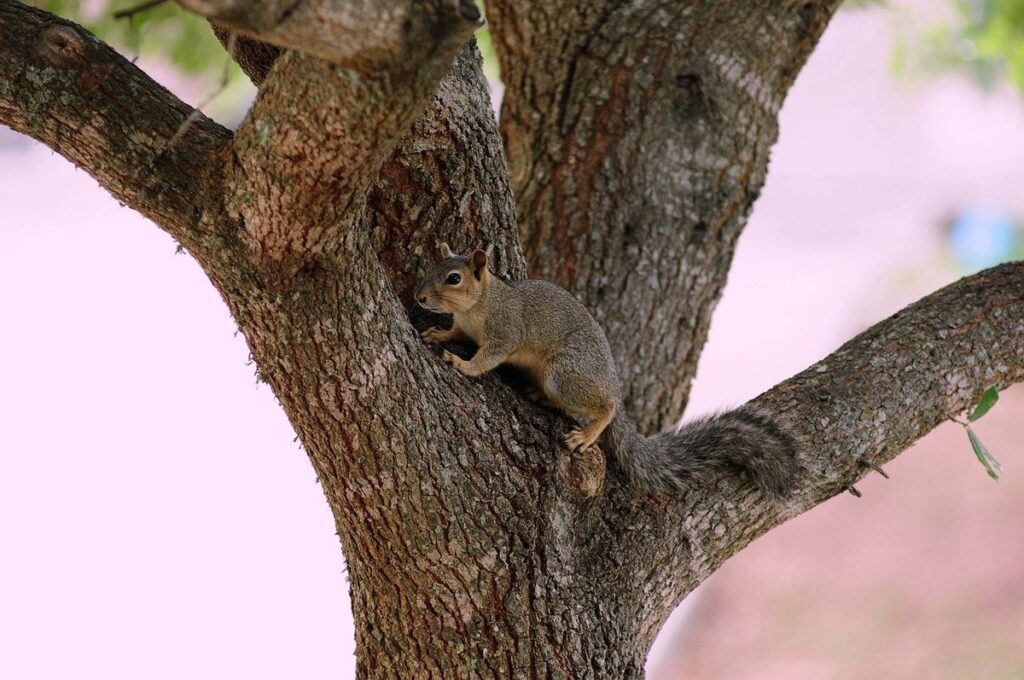
Squirrels also pose a significant threat to stored grain feed, particularly in areas with abundant tree cover. These bushy-tailed rodents can jump up to 6 feet in a single leap and have been known to chew through plastic containers, bags, and other storage materials to access their favorite foods. It’s not uncommon for farmers and livestock owners to observe squirrels rummaging through feed piles or stealing grains from silos.
These rodent species are highly adaptable, intelligent, and skilled navigators, making them formidable opponents in the fight against grain feed infestations. By understanding their behavior and preferences, you can implement effective storage solutions to keep these pests at bay and protect your feed supplies.
Assessing Your Feed Storage Needs
When evaluating your feed storage needs, it’s essential to consider not only the quantity of feed you need to store but also its accessibility and potential attractiveness to rodents. This section will walk you through the key factors to assess.
Evaluating the Quantity of Feed Stored
Calculating the right amount of feed stored is crucial to prevent rodent infestations. Start by determining the average daily consumption of feed per animal on your property. This will give you a baseline for calculating the total amount of feed needed. For example, if you have 10 chickens and they consume 2 pounds of feed each day, multiply this number by the number of days between deliveries or orders.
Consider factors that may affect feed consumption, such as changes in weather, seasonal fluctuations, or an increase in animal numbers. Overestimating the amount of feed stored can lead to spoilage and attract rodents. On the other hand, underestimating may result in frequent deliveries, which can be costly and logistically challenging.
To identify potential vulnerabilities for rodent infestations, inspect your storage area regularly for signs of pest activity, such as droppings, gnaw marks, or burrows. Look for holes or gaps around doors, vents, or pipes that could allow rodents to enter. Seal any openings you find and keep the storage area clean and tidy to discourage rodents from making themselves at home.
Considering the Type of Feed Stored
When it comes to storing feed to prevent rodent infestations, understanding the type of feed you’re working with is crucial. Different types of feed have varying levels of susceptibility to rodent damage.
Grains, for example, are a favorite among rodents due to their high caloric content and ease of consumption. Rats and mice can easily chew through grain bags or bins, causing significant damage in a short amount of time. In fact, according to the National Rodent Control Association, grains account for over 70% of all rodent-related damage.
Pellets, on the other hand, are often made from compressed grains and are designed to be more durable. While still susceptible to rodent damage, pellets can last longer than their grain counterparts. However, rodents can still exploit weaknesses in pellet packaging or storage.
To mitigate this risk, consider storing feed in rodent-resistant containers or bins with secure lids. Regularly inspect your feed storage areas for signs of rodent activity and maintain a clean environment to discourage infestations. By understanding the type of feed you’re working with and taking proactive measures, you can reduce the likelihood of attracting unwanted rodents to your premises.
Effective Feed Storage Strategies
When it comes to storing feed, a few simple strategies can make all the difference in preventing rodent infestations and keeping your property safe. We’ll explore some effective techniques to get you started.
Using Rodent-Proof Containers and Feeders
Using rodent-proof containers and feeders is crucial in preventing rodents from accessing your feed. Rodents can squeeze through tiny openings, so it’s essential to use containers with secure lids that are designed specifically for rodent control.
When selecting a container or feeder, look for one made of durable materials such as metal or hard plastic, which are difficult for rodents to chew through. You should also consider the size of the container – larger ones can be more effective, but make sure they’re not so large that you end up with wasted space and unnecessary storage needs.
Key features to look for in a rodent-proof feeder include:
* Secure latches or locks
* Heavy-duty materials that resist chewing and gnawing
* Airtight seals to prevent rodents from crawling inside
* Weight-activated lids or sensors that trigger a shut-off when accessed by a rodent
These designs ensure that even the most determined rodents won’t be able to get into your feed.
Implementing Good Housekeeping Practices
Regular cleaning, inspecting, and maintaining storage areas are essential components of effective rodent control strategies. Rodents are attracted to cluttered and dirty environments, making it crucial to maintain a clean and organized feed storage area.
Inspect the storage area regularly for signs of rodent activity, such as droppings, gnaw marks, or burrows. Look for any areas where rodents may be entering or hiding, and seal these entry points promptly. Clean the area thoroughly, including the walls, floor, and equipment, to remove any food debris or spills.
Maintaining storage areas also involves ensuring that feed is stored in rodent-proof containers with tight-fitting lids. Keep storage areas free from clutter by organizing feed stacks neatly and removing any unnecessary items. Regularly inspect equipment, such as augers and conveyor belts, for signs of wear or damage that may attract rodents.
By incorporating regular cleaning, inspecting, and maintaining into your feed storage routine, you can significantly reduce the risk of rodent infestations and protect your business from potential losses.
Preventive Measures for High-Risk Areas
When storing feed in high-risk areas, such as barns or farms near water sources, extra precautions are necessary to prevent rodent infestations. Let’s explore some effective preventive measures for these vulnerable locations.
Securely Storing Feed Near Livestock or Poultry
When storing feed near livestock or poultry enclosures, it’s crucial to take extra precautions to prevent rodents from accessing it. Rodents are attracted to the smell and taste of grains, so even the smallest opening can be an invitation for them to enter.
To securely store feed in these areas, consider using rodent-proof containers or bins with tight-fitting lids. These should be made of durable materials such as metal or plastic, and have no holes or gaps that could allow rodents to chew through. The containers should also be designed with features like locking mechanisms or latches to prevent unauthorized access.
When choosing a storage location, select an area that is at least 10-15 feet away from the livestock or poultry enclosure, and ideally behind a barrier such as a fence or wall. Regularly inspect these areas for signs of rodent activity, including droppings, gnaw marks, or burrows. By taking these steps, you can minimize the risk of rodents accessing your feed and reduce the likelihood of infestations.
Protecting Feed from Moisture and Weather Damage
When storing feed, it’s essential to prioritize protecting it from moisture and weather damage. This is particularly crucial in high-risk areas prone to extreme temperatures, heavy rainfall, or humidity. When feed becomes damp or wet, it not only loses its nutritional value but also becomes an attractive meal for rodents.
To prevent such issues, store your feed in dry, well-ventilated areas. Ideally, this should be a covered structure with good airflow to keep the space dry and pest-free. Avoid storing feed near water sources, basements, or areas with poor drainage. If you must store it outdoors, consider using a waterproof cover or tarp to shield the feed from precipitation.
Regularly inspect your stored feed for signs of moisture damage, such as mold, mildew, or warping. Discard any affected feed promptly to prevent rodent infestations and maintain a healthy storage environment. By following these guidelines, you’ll be able to safeguard your feed against weather-related damage and create an uninviting space for rodents to thrive.
Monitoring and Responding to Rodent Infestations
When you notice signs of a rodent infestation, it’s essential to act quickly, so let’s explore how to monitor for rodents and respond effectively. This step is crucial in preventing further damage and ensuring your home remains rodent-free.
Early Detection Methods for Rodent Activity
When you store feed on your property, it’s not just about keeping it fresh and protected from pests – it’s also crucial to monitor for rodent activity. Rodents can squeeze through tiny openings and infest even the most secure storage areas. To catch them early, you need to be vigilant and know what signs to look out for.
Monitor your feed storage regularly for droppings or gnaw marks on containers, bags, or nearby surfaces. Fresh droppings are usually dark brown or black, while older ones may appear lighter in color. Gnaw marks can be difficult to spot, but they often resemble small holes or scratches on the material of the container. Be aware that rodents like to gnaw through cardboard and plastic.
If you notice any signs of rodent activity, it’s essential to take immediate action. Inspect your feed storage for any gaps or holes that might be allowing rodents to enter. Seal these openings with metal or hardware cloth mesh to prevent re-infestation. Keep in mind that prevention is key – the sooner you catch and address a problem, the less damage it will cause to your property and stored feed.
Developing an Integrated Pest Management (IPM) Plan
Developing an Integrated Pest Management (IPM) Plan is crucial in managing rodent populations and preventing re-infestation. This holistic approach considers multiple strategies to minimize chemical usage while maximizing effectiveness. By integrating IPM into your feed storage management plan, you can create a robust defense against rodents.
At its core, IPM involves identifying the source of the problem – in this case, rodents attracted to feed – and addressing it through a combination of physical barriers, habitat modification, and population reduction methods. This might include sealing entry points around storage facilities, using rodent-deterrent materials for packaging or containers, and implementing baiting stations with non-toxic baits.
When creating an IPM plan for your feed storage facility, consider the following key elements: Regular monitoring of rodent activity through traps or tracking devices. Identifying and sealing all entry points to prevent re-infestation. * Implementing a baiting program using targeted products that minimize impact on non-target species. By adopting this multi-faceted approach, you can reduce reliance on chemical pesticides and ensure a more sustainable feed storage management plan.
Maintaining a Rodent-Free Environment
To keep rodents out of your backyard, it’s essential to store pet food and other attractants safely and securely, which we’ll cover in more detail below. This includes choosing rodent-resistant containers.
Regular Inspection and Maintenance Schedules
Regular inspections and maintenance of feed storage areas are crucial to prevent rodents from exploiting vulnerabilities. Think of it like this: a rodent’s job is to find food and shelter, so if you leave a gap or two in the system, they’ll take advantage of it.
To maintain a secure feed storage area, start by conducting regular visual inspections. Look for signs of gnawing, droppings, or burrows around the feed bins, walls, and floors. Check seals, doors, and vents for any gaps or damage that could allow rodents to enter.
During these inspections, take note of any issues you find and schedule maintenance accordingly. This might involve repairing damaged areas, replacing worn-out seals, or upgrading your storage containers. Don’t forget to clean up any spills or debris promptly, as these can attract rodents.
Additionally, consider implementing a regular maintenance schedule, such as weekly checks during peak rodent season (usually spring and fall). By staying on top of inspections and maintenance, you’ll significantly reduce the likelihood of a rodent infestation in your feed storage area.
Encouraging Good Hygiene Practices Among Farm Staff
As you implement rodent control measures, it’s equally important to focus on educating farm staff about good hygiene practices. Rodents can easily adapt to a farm environment if they detect food and water sources. By maintaining clean facilities and enforcing proper handling procedures, you can significantly reduce the risk of attracting unwanted pests.
Encourage your team to store feed in sealed containers or bins, keeping them off the floor and away from walls. Regularly sweep and mop floors, paying attention to areas around feed storage and entry points. This helps to eliminate crumbs, spills, and other debris that rodents might find appealing.
Educate your staff on proper feeding practices, such as avoiding overstocking feed and keeping it covered when not in use. Also, remind them to dispose of waste properly, including uneaten food and animal bedding. By promoting a culture of cleanliness among farm staff, you’ll be better equipped to prevent rodent infestations and maintain an effective rodent control system on your farm.
Frequently Asked Questions
What if I have limited space for storing grain feed, how can I effectively use the available area?
Consider vertical storage options like stackable bins or shelves to maximize your space while keeping rodent-proof containers off the ground.
Can I use regular household containers to store feed, or do I need specialized rodent-proof ones?
Using regular containers may not be enough; rodents are skilled at finding weak spots. Opt for heavy-duty, airtight containers specifically designed for grain storage to ensure your feed remains safe.
How often should I inspect my stored feed for signs of rodent activity and damage?
Regular inspections can help catch issues early on. Aim to check your feed every 1-2 weeks, especially in high-risk areas or during peak rodent seasons.
What if I’ve already detected a rodent infestation; how do I go about safely removing the rodents and securing my feed?
Yes, it’s essential to handle the situation promptly. Remove any visible signs of rodents, including droppings, nests, and food sources. Secure your feed in rodent-proof containers and consider using deterrents like ultrasonic repellents or bait stations.
Can I store grain feed near livestock or poultry if I have a rodent problem, or will this exacerbate the issue?
No, storing feed near animals can indeed attract rodents. Instead, keep feed at least 10-15 feet away from animal enclosures and use physical barriers to prevent easy access. This separation will help reduce the risk of attracting rodents and protect both your animals’ health and the feed itself.