
When it comes to feeding your poultry, you’re constantly on the lookout for ways to improve their nutrition and health. One often-overlooked option is sprouting barley fodder – a simple yet effective way to boost protein content and overall nutritional value in your birds’ diets. By understanding how to sprout barley, you can create a valuable feed supplement that supports optimal growth and performance in your flock. In this article, we’ll delve into the process of sprouting barley fodder for poultry, exploring its benefits and best practices for incorporating it into your operation. We’ll also discuss how sprouted barley can increase nutritional value and protein content, making it an attractive option for farmers looking to enhance their birds’ feed. By the end of this article, you’ll be equipped with the knowledge to start sprouting barley fodder for your poultry today.
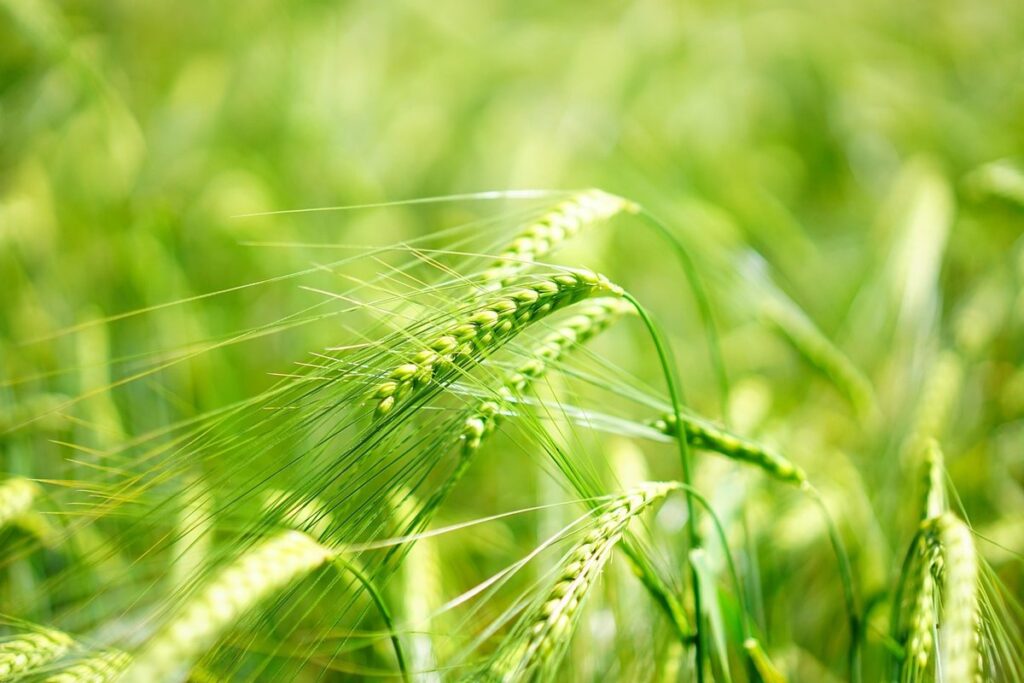
Benefits and Advantages of Sprouted Barley Fodder
By incorporating sprouted barley fodder into your poultry’s diet, you can provide them with a nutrient-rich feed that offers numerous benefits for their health and well-being.
Improved Nutritional Profile of Barley
When barley is sprouted, its nutritional profile undergoes significant improvements. This process enhances the bioavailability of vitamins and minerals, making them more easily absorbed by poultry. The sprouting process triggers an increase in water-soluble B vitamins, such as thiamin and folate, which are essential for energy production and red blood cell formation.
Sprouted barley also contains higher levels of beta-glucans, soluble fibers that support immune function and improve gut health. Moreover, the sprouting process reduces phytic acid, an anti-nutrient that can inhibit mineral absorption. As a result, poultry fed with sprouted barley fodder experience improved growth rates, enhanced feed efficiency, and better overall health.
In particular, sprouted barley is rich in manganese, copper, and selenium – essential minerals for strong immune systems and antioxidant functions. For instance, manganese plays a crucial role in bone development and cartilage formation, while copper supports healthy connective tissues and iron absorption. By incorporating sprouted barley fodder into their diet, poultry farmers can provide their birds with a more nutritious feed that supports optimal growth and well-being.
Increased Protein Content in Barley
When barley is sprouted, its protein content increases significantly. This is because sprouting triggers an enzymatic breakdown of starches into simpler sugars and a conversion of stored proteins into more bioavailable forms. As a result, the protein-to-starch ratio shifts in favor of protein, making it an attractive feed supplement for poultry.
In fact, studies have shown that the protein content of barley can increase by as much as 20% during sprouting. This is due to the activation of enzymes like amylase and protease, which break down complex carbohydrates and proteins into more easily digestible forms. As a result, the nutritional profile of sprouted barley becomes more comparable to that of other protein-rich grains like wheat and rye.
When incorporated into poultry feed, sprouted barley can provide a valuable boost of protein, supporting healthier growth and development in birds. To incorporate sprouted barley into your flock’s diet, simply soak the grain for 24-48 hours before allowing it to sprout. Once sprouted, you can mix it with other feeds or use it as a standalone supplement. With its increased protein content and improved bioavailability, sprouted barley is an excellent addition to any poultry feeding program.
The Process of Sprouting Barley Fodder
To successfully sprout barley fodder, it’s essential to understand each step of the process, from preparing the seeds to monitoring for optimal germination and growth. In this section, we’ll walk you through these crucial steps in detail.
Equipment and Supplies Needed for Sprouting
To successfully sprout barley fodder, you’ll need to acquire some essential equipment and supplies. First, consider investing in a large container with drainage holes, such as a plastic tote bin or a wooden barrel, where the barley seeds will germinate. The size of the container will depend on how much fodder you want to produce at one time.
You’ll also need a growing medium, like a mixture of peat moss and perlite, which helps retain moisture and suppress fungal growth. Another crucial component is a reliable watering system that delivers clean, lukewarm water to the sprouts. A submersible pump or a manual irrigation system will make it easy to provide the right amount of moisture.
Other necessary supplies include barley seeds specifically labeled for fodder production, a spray bottle for misting, and a thermometer for monitoring temperature. Finally, don’t forget to have some gloves handy for handling wet equipment and cleaning up any spills that might occur during the sprouting process.
Steps Involved in Sprouting Barley
To begin sprouting barley, start by sorting and cleaning 1-2 pounds of barley grains. Remove any debris, stones, or damaged kernels to ensure optimal germination. Next, soak the barley in a large container filled with water for about 8-12 hours. The soaking process helps to rehydrate the dormant seeds and prepares them for germination.
After soaking, drain the water and rinse the barley thoroughly with fresh water to remove any excess starch. This step is crucial to prevent mold growth during the germination phase. Transfer the soaked barley to a clean container or sprouting tray filled with a thin layer of water, making sure the grains are fully submerged.
Within 24-48 hours, you should start noticing tiny white roots emerging from the barley grains, signaling the beginning of germination. Keep the sprouts in a warm, dark place (around 70-75°F) and maintain a consistent moisture level to promote healthy growth. Monitor the sprouts closely for any signs of mold or contamination, and adjust the environment as needed. By following these steps, you’ll be able to successfully sprout barley for your poultry’s dietary needs.
Growing Conditions for Optimal Sprouting
To grow delicious and nutritious barley fodder for your poultry, you need to understand how to create optimal conditions that foster healthy sprouts. This includes temperature, moisture, and light considerations.
Temperature Requirements for Barley Germination
When it comes to sprouting barley fodder for poultry, getting the temperature just right is crucial for optimal germination and growth. As a general rule, barley prefers temperatures between 15°C to 20°C (59°F to 68°F) for germination. However, this range can vary depending on the specific variety of barley you’re using.
For example, some studies have shown that certain varieties of barley may require as little as 10°C (50°F) or as much as 25°C (77°F) for optimal growth. It’s essential to note that temperatures outside these ranges can significantly impact germination rates and overall quality of the sprouts.
To ensure optimal temperature conditions, you can consider using a controlled environment such as a greenhouse or indoor growing space with climate control. This will allow you to maintain a consistent temperature range throughout the germination process.
In general, it’s recommended to keep the temperature consistent within 1-2°C (1.8-3.6°F) of the ideal range for optimal results. By doing so, you can promote healthy germination and growth, leading to high-quality barley fodder for your poultry.
Moisture Levels Required for Healthy Growth
Proper moisture levels play a vital role in promoting healthy growth during the sprouting process. Barley seeds require consistent moisture to germinate and develop their roots, stems, and leaves. If the moisture levels are too low or inconsistent, it can lead to stunted or deformed barley shoots.
To achieve optimal results, maintain the soil’s moisture at a level where you can see a slight sheen on the surface but it still feels slightly damp when pressed with your finger. This is usually between 60-70% relative humidity. It’s essential to keep in mind that seeds will absorb more water as they germinate and grow.
Check the soil daily, ideally twice a day if possible, to ensure you’re not overwatering or underwatering the barley. If it appears too dry, gently sprinkle some water around the seeds. However, avoid getting water on the seedlings’ leaves to prevent fungal growth and other diseases. Aim for consistent moisture levels throughout the sprouting process to promote healthy growth and development of your barley fodder.
Integration of Sprouted Barley Fodder into Poultry Diets
When integrating sprouted barley fodder into poultry diets, it’s essential to understand how to properly blend it with other feed sources and manage its nutritional impact on your flock. We’ll walk you through this critical process next.
Benefits of Sprouted Barley in Layer Hens’ Diets
Incorporating sprouted barley into layer hens‘ diets can have a significant impact on their overall health and productivity. One of the primary benefits is improved egg production. Studies have shown that layer hens fed with sprouted barley produce more eggs per cycle, with better quality and stronger shells. This is attributed to the higher nutritional content in sprouted barley, including increased levels of vitamins B6 and E, as well as minerals like manganese and selenium.
These nutrients play a crucial role in maintaining healthy reproductive functions, which directly affects egg production. Additionally, sprouted barley has been found to improve gut health in layer hens by promoting beneficial bacteria growth and reducing the incidence of pathogenic microorganisms. As a result, layer hens fed with sprouted barley are less likely to suffer from diseases like coccidiosis and necrotic enteritis.
When incorporating sprouted barley into your layer hen’s diet, ensure that you follow a consistent feeding schedule and provide adequate amounts of fresh water at all times. Monitor the flock regularly for any signs of illness or stress, adjusting their diet accordingly. By making this simple yet effective change, you can expect to see noticeable improvements in egg production and shell quality within weeks.
Use of Sprouted Barley in Broiler Chickens’ Diets
Sprouted barley can be an excellent addition to broiler chickens‘ diets due to its rich nutritional profile and numerous health benefits. When sprouted, barley becomes a powerhouse of nutrients, including vitamins B and E, as well as minerals like potassium and magnesium. These micronutrients play a vital role in maintaining the overall health and well-being of the birds.
One of the primary advantages of using sprouted barley is its high digestibility rate. The germination process breaks down some of the indigestible compounds present in whole grains, making it easier for broiler chickens to absorb the nutrients. This can lead to improved weight gain, better feed efficiency, and enhanced overall productivity.
To incorporate sprouted barley into your broiler chickens’ diets, you can mix it with their regular feed at a rate of 10-20% of the total ration. It’s essential to ensure that the birds are receiving a balanced diet by providing a well-formulated starter or grower feed as the main staple.
Troubleshooting Common Issues with Sprouting
While growing your own barley fodder can be incredibly rewarding, you’ll inevitably encounter some common issues along the way. This section addresses these problems and their easy-to-implement solutions to get you back on track.
Identifying Common Causes of Poor Germination Rates
Poor germination rates can be a frustrating issue when trying to sprout barley fodder for poultry. One common cause is inadequate moisture levels. Barley seeds require consistent and adequate water supply to germinate properly. If the soil is too dry, it can slow down or even stop the germination process entirely. Conversely, excessive water can also hinder germination by causing root rot and other issues.
Temperature fluctuations are another common culprit behind poor germination rates. Most barley varieties prefer temperatures between 60°F to 70°F (15°C to 21°C) for optimal germination. If the temperature drops or rises significantly outside this range, it can impact seed viability and germination rates.
Maintaining a consistent temperature and ensuring proper moisture levels are crucial for successful barley sprouting. To achieve this, make sure your sprouter has adequate ventilation to prevent overheating and maintain humidity levels around 80-90%. Regularly check the soil’s moisture levels, watering as needed, but avoid overwatering. By addressing these common issues, you can improve germination rates and grow healthy, nutritious barley fodder for your poultry.
Strategies for Overcoming Challenges in Barley Growth
When faced with challenges in barley growth, it’s essential to take proactive steps to address them. For instance, inadequate water supply can lead to stunted growth and low yields. To overcome this issue, ensure that your barley seeds are consistently moist but not waterlogged, as excess moisture can encourage fungal growth.
Another common challenge is temperature fluctuations, which can cause stress to the growing barley. To mitigate this, maintain a consistent temperature between 15°C to 20°C (59°F to 68°F) during the sprouting process. You can also consider using a thermometer and adjusting your environment as needed.
In addition to these environmental factors, pests such as fungus gnats or spider mites can be a significant threat to healthy barley growth. To prevent infestations, use organic pest control methods like neem oil or garlic spray, and ensure good air circulation within the sprouting area.
By being aware of these potential challenges and taking preventive measures, you can promote healthy barley growth and maintain optimal conditions for your poultry’s nutrition. Regular monitoring and adjustments will help you address any issues before they impact the quality of your fodder.
Measuring the Success of Sprouted Barley Fodder
To gauge the effectiveness of your sprouting barley fodder, you’ll want to track its nutritional value and growth metrics, such as germination rate and moisture levels.
Tracking Nutritional Parameters with Regular Testing
Regular testing is crucial to monitor nutritional parameters when using sprouted barley fodder for poultry. This ensures that the fodder meets the birds’ nutritional requirements, which may vary depending on their age, breed, and production stage.
To track protein content, for example, you can test the fodder’s crude protein percentage through wet chemistry methods or near-infrared reflectance spectroscopy (NIRS). A minimum of 25-30% crude protein is recommended for growing birds. For laying hens, a slightly lower protein content may be sufficient.
Vitamin availability is another key parameter to monitor. Sprouted barley fodder is rich in B vitamins, particularly thiamin, riboflavin, and niacin. However, the vitamin content can decrease with prolonged storage or over-sprouting. Regular testing helps identify any potential issues before they affect the flock’s health.
In addition to these parameters, other factors like moisture levels, pH, and aflatoxin presence should also be monitored regularly. A reputable lab can provide accurate results for most of these tests.
Monitoring Poultry Performance with Data Analysis
Monitoring poultry performance with data analysis is crucial when implementing sprouted barley fodder into their diet. By tracking key indicators such as weight gain, feed conversion ratio (FCR), and mortality rates, you can accurately measure the impact of this nutritious supplement on their overall health.
Key metrics to monitor include:
* Weight gain: Regularly weighing birds will help identify if sprouted barley is contributing to improved growth rates.
* Feed conversion ratio (FCR): This measures how efficiently your flock is converting feed into weight. Lower FCRs indicate better nutrient utilization and a more efficient diet.
* Mortality rates: Tracking mortality can help you pinpoint potential issues with the new feed source or other factors affecting bird health.
Using data analytics software, you can set up automated tracking systems to monitor these metrics over time, providing valuable insights for informed decision-making. For example, if you notice a significant drop in FCR after introducing sprouted barley, it may indicate that your birds are benefiting from the increased nutrient density. Conversely, if mortality rates rise, it could be a sign of an issue with the new feed source or other factors affecting bird health.
Conclusion: Incorporating Sprouted Barley Fodder into Your Poultry Operation
As you begin implementing sprouted barley fodder into your poultry operation, it’s essential to integrate this nutritious feed source seamlessly into your existing routine. This section will provide practical tips for successful incorporation.
Recap of Key Takeaways from the Guide
As you near the end of this comprehensive guide on sprouting barley fodder for poultry, let’s take a moment to recap the key takeaways. By now, you should have a solid understanding of the benefits that sprouted barley fodder can bring to your flock.
You’ve learned how to create an ideal environment for sprouting barley, including choosing high-quality seeds, controlling temperature and humidity levels, and providing adequate light. You also discovered the importance of monitoring pH levels and maintaining optimal moisture levels throughout the germination process.
Sprouted barley fodder has been shown to improve egg production, reduce stress in birds, and even boost their immune systems. By incorporating it into your poultry operation’s diet, you can expect to see an increase in fertility rates and overall health.
As you begin integrating sprouted barley fodder into your feeding routine, remember to start with a small batch to ensure that your flock adapts well to the new addition. Gradually increase the amount of sprouted barley as they become accustomed to it. With time and patience, you’ll be able to reap the rewards of this nutritious and sustainable feed supplement.
Future Directions for Research and Development
As we conclude our comprehensive guide to sprouting barley fodder for poultry, it’s essential to acknowledge that this innovative practice is still evolving. The potential for growth and improvement is vast, and several areas demand further research and development.
For instance, exploring the effects of varying temperatures on sprout quality and shelf life could lead to more efficient production methods. Investigating the impact of different water sources or treatment processes on barley germination rates may also enhance overall productivity.
Another area warranting investigation is the optimization of nutrient content in sprouted barley fodder. By identifying specific factors that influence nutrient uptake during the germination process, farmers can fine-tune their practices to produce more nutritious feed for their birds.
Furthermore, integrating precision agriculture technologies with sprouting methods could revolutionize poultry farming efficiency and sustainability. Monitoring systems and data analytics may help farmers optimize water usage, control temperature fluctuations, and streamline the harvesting process – ultimately reducing costs and environmental footprint.
Frequently Asked Questions
What are some common mistakes to avoid when sprouting barley fodder for poultry?
When starting out, it’s easy to overlook the importance of temperature control. Make sure your environment is within the ideal range (18-22°C) to promote healthy germination. Also, be cautious not to overwater, as this can lead to mold and spoilage. Regular monitoring of moisture levels and temperature will help you avoid these common pitfalls.
Can I mix sprouted barley with other grains or supplements in my poultry feed?
While it’s possible to blend sprouted barley with other grains, it’s essential to consider the nutrient balance and potential interactions. Start by adding small amounts (10-20%) of sprouted barley to your existing feed and monitor your birds’ response. Be aware that excessive additions can lead to imbalances in nutrient intake.
How long does it take for sprouted barley fodder to be ready for use?
The germination period typically ranges from 2-5 days, depending on factors like temperature, moisture, and barley quality. Monitor your sprouts closely, checking for visible signs of growth, such as green shoots or roots. Once they reach the desired length (usually around 1-2 inches), you can harvest them for use in poultry feed.
Can I store sprouted barley fodder for future use?
While it’s best to consume sprouted barley within a day or two of harvesting, you can store it in the fridge at temperatures below 4°C. This will help preserve nutrients and extend its shelf life for up to a week. When using stored sprouts, make sure they’re still fresh and not developing mold.
What are some potential health concerns associated with introducing sprouted barley into my poultry operation?
As with any new feed supplement, there’s a risk of allergic reactions or digestive upset in sensitive birds. Start by introducing small amounts (5-10%) to your existing feed and monitor for adverse effects. Be prepared to adjust the amount or discontinue use if you notice any health issues. Regular monitoring of nutritional parameters can also help identify potential problems early on.