
Rehoming a rooster can be a daunting task, especially if you’re unsure about where to start. As responsible pet owners, we want to ensure that our feathered friends are going to happy and healthy homes. But rehoming a rooster is not just a matter of finding someone willing to take them in; it requires careful consideration of their needs and well-being. That’s why rehoming roosters ethically is so important. With the right approach, you can provide your rooster with a smooth transition into its new home, where they’ll thrive and live out their best life.
In this article, we’ll guide you through the process of rehoming roosters ethically. We’ll explore what to consider when finding suitable homes, how to ensure a happy life for your rooster, and what ongoing support looks like. Whether you’re a seasoned chicken owner or just starting out, our comprehensive guide will equip you with the knowledge and confidence to give your rooster the best possible chance at a happy life in its new home.
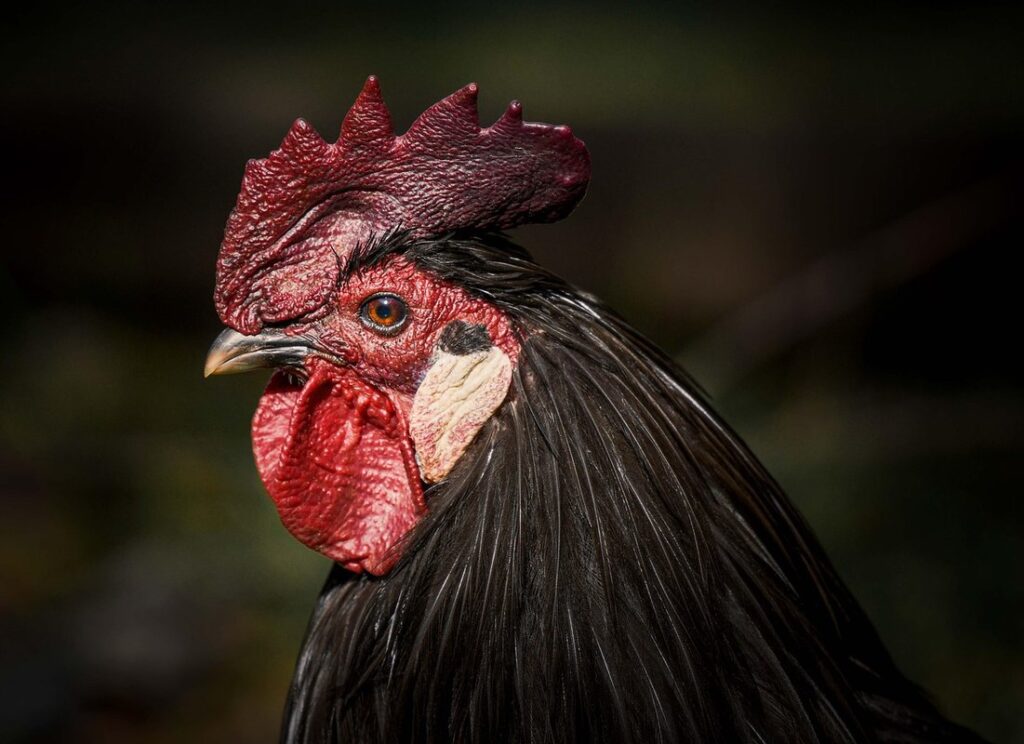
Understanding the Importance of Rehoming Roosters
When rehoming roosters, it’s essential to understand why some homes may not be suitable and how rehoming them can benefit both the rooster and the new owner. This section will explore these crucial considerations in more detail.
The Problem of Backyard Breeding
The problem of backyard breeding is a pressing concern that affects rooster populations nationwide. Many people who acquire chicks and young chickens often don’t realize they’ve entered into a long-term commitment to caring for the animals as they mature, especially if it turns out they’re males. Backyard breeders may not be prepared or equipped to deal with adult roosters, which can lead to abandonment at shelters or worse.
The consequences of backyard breeding are multifaceted and far-reaching. For instance, overpopulation contributes significantly to animal welfare concerns as many shelters struggle to find new homes for these birds. This often results in overcrowding, stress, and a greater likelihood of disease transmission among the population. Furthermore, irresponsible breeding practices can also perpetuate genetic problems within breeds.
To put this issue into perspective, consider that some organizations estimate nearly 40% of chickens brought home as chicks are abandoned by adulthood due to owners realizing they’re males. This staggering figure underscores the need for more responsible breeding and rehoming practices.
Recognizing the Needs of Roosters
When considering rehoming roosters, it’s essential to acknowledge their unique needs and characteristics. Male chickens are often misunderstood as simply being loud and aggressive, but this couldn’t be further from the truth. In reality, they require a specific set of social and spatial requirements to thrive.
Roosters are naturally social animals and need to live in flocks to feel secure and stimulated. They have a strong instinct to dominate, which is often misinterpreted as aggression. However, this dominance is crucial for maintaining social order within the flock. If left alone or without adequate social interaction, roosters can become aggressive and stressed.
In terms of spatial requirements, roosters need sufficient space to roam and exercise. A minimum of 10-15 square feet per bird is recommended, but ideally, you should provide more space for them to move around comfortably. This can be achieved by setting up a large enclosure or converting an existing coop into a spacious area.
When rehoming roosters, ensure that their new owners understand these requirements and are willing to provide the necessary care. This includes providing adequate social interaction, sufficient space, and a suitable environment for them to thrive.
Identifying Suitable Homes for Rehomed Roosters
When rehoming a rooster, it’s essential to find a suitable forever home where he’ll thrive and live safely alongside his new flock. This section will explore how to identify the perfect home for your rehomed rooster.
Assessing Potential Adopter’s Lifestyle and Experience
When evaluating potential adopters for rehomed roosters, it’s essential to consider their lifestyle and experience with poultry. This will help ensure that the rooster receives the suitable care and attention he needs.
Firstly, assess the space available at the potential adopter’s home. Roosters require a safe and secure enclosure where they can roam freely, exercise, and engage in natural behaviors like foraging and dust-bathing. A minimum of 10 square meters (108 square feet) of outdoor space is recommended. If the adopter has a small yard or balcony, consider whether it’s feasible to create a suitable enclosure.
Additionally, ask about the potential adopter’s experience with poultry. Have they kept chickens before? Do they understand the specific needs of roosters, such as regular trimming of their nails and beaks? It’s also crucial to discuss the adopter’s lifestyle, including their work schedule, travel plans, and ability to provide regular care and attention.
To gauge a potential adopter’s suitability, ask open-ended questions during your consultation. For example, “How do you plan to provide exercise for your new rooster?” or “What experience do you have with poultry, and how will you ensure the rooster’s needs are met?” This will give you valuable insight into their understanding and commitment to caring for a rehomed rooster.
Ensuring a Safe Transition for the Rooster
When rehoming roosters, it’s essential to consider their transition to a new environment. A sudden change can cause stress and anxiety for these birds, which may lead to behavioral issues or even physical harm. To ensure a smooth transition, introduce the rooster to its new surroundings gradually.
Start by isolating the rooster in a separate area of the house for 24-48 hours before introducing it to other animals. This allows the rooster to become familiar with its new territory and reduces stress. Next, identify compatible species that can coexist peacefully. For instance, if you’re rehoming a rooster into an existing flock, make sure there are no conflicts between birds of the same sex.
Monitor the rooster’s behavior closely during the transition period. Watch for signs of aggression or anxiety, such as feather pecking or excessive vocalization. If you notice any unusual behavior, intervene promptly to prevent potential harm. By taking a gradual and thoughtful approach, you can help your rehomed rooster adjust to its new home with minimal stress.
Preparing Rehomed Roosters for Their New Homes
Before introducing your rehomed rooster to their new home, it’s essential to prepare them for a smooth transition and a happy adjustment to their new surroundings. This includes getting them accustomed to their new space and routine.
Health Checks and Vaccinations
Before rehoming a rooster, it’s crucial to conduct a thorough health check and administer necessary vaccinations. This not only ensures the bird’s well-being but also protects its new owners from potential zoonotic diseases. Start by examining the rooster’s overall condition, looking for signs of illness, injury, or nutritional deficiencies.
A comprehensive health check should include a veterinary examination, which may involve blood tests, stool samples, and physical checks for parasites like lice, mites, or internal worms. Administering necessary vaccinations is also essential to prevent diseases such as Newcastle disease, Infectious Coryza, and fowl pox. Keep accurate medical records of the rooster’s health check and vaccination history.
Maintaining these records will help you track the bird’s health over time and provide valuable information for its new owners. You can also use this opportunity to update the rooster’s microchip information and ensure it’s registered with the relevant authorities. This will not only give you peace of mind but also demonstrate your commitment to rehoming roosters ethically.
Spaying or Neutering to Prevent Overbreeding
When rehoming roosters, it’s essential to consider spaying or neutering them to prevent overbreeding and ensure their well-being. Many people are unaware of the benefits of spaying or neutering roosters beyond female animals. Spayed or neutered roosters can’t breed, which prevents unwanted litters and reduces the risk of inhumane culling methods being used to manage population control.
Spaying or neutering also eliminates undesirable behaviors associated with intact males, such as aggression and loud crowing. These changes can be quite noticeable and make the rooster a more pleasant companion for their new owners. Some shelters even report reduced stress levels among rehomed roosters after spaying or neutering due to decreased territorial behavior.
If you’re rehoming a rooster, look into local veterinarians offering spay/neuter services specifically designed for male chickens. Not only will this procedure prevent unwanted breeding, but it can also improve the rooster’s quality of life in their new home by reducing aggression and other undesirable behaviors.
Effective Communication with Potential Adopters
Now that you’ve found a potential adopter, it’s essential to communicate effectively to ensure a smooth rehoming process and guarantee the rooster’s happiness in its new home. This involves setting clear expectations and asking the right questions.
Creating a Rehoming Profile for Your Rooster
When creating a rehoming profile for your rooster, accuracy and thoroughness are crucial to attracting potential adopters who can provide the right home for him. Start by including essential details such as his breed, age, and size. This information helps prospective owners understand his needs and whether he’s a good fit for their family.
Don’t forget to highlight your rooster’s personality traits, likes, and dislikes. Is he friendly with children or other pets? Does he have any quirks or habits that could impact his behavior in the new home? These details not only provide insight into his temperament but also give adopters a better understanding of what they’re getting themselves into.
It’s also vital to disclose your rooster’s health status, including any medical conditions or chronic issues. This transparency helps potential owners make informed decisions and avoid any surprises down the line. You can include photos or videos that showcase your rooster’s behavior and movements, which will give adopters a more realistic impression of his energy levels and needs.
Answering Questions and Addressing Concerns
When potential adopters reach out to you about rehoming one of your roosters, they may have questions and concerns that need to be addressed. It’s essential to respond with honesty and transparency, providing accurate information about the bird’s behavior, health, and personality.
Be prepared to discuss any known behavioral issues or quirks the rooster may exhibit. For instance, if a rooster has a history of aggression towards people or other animals, you’ll want to share this information upfront. This way, potential adopters can make an informed decision about whether the bird is a good fit for their lifestyle and living situation.
You should also be prepared to address concerns about noise levels, as some roosters can be quite vocal. By being open and honest from the start, you’ll build trust with potential adopters and increase the chances of finding your rooster a forever home where it will thrive.
Successful Integration into New Homes
When introducing a new rooster to your household, it’s essential to do so gradually and carefully to ensure a smooth transition for both him and your existing birds. This process sets the stage for long-term harmony among your flock.
Monitoring Behavior and Adjusting to Needs
Monitoring rehomed rooster behavior closely is essential to ensure they settle into their new environment and receive the care they need. Start by observing your rooster’s daily routine, including his feeding schedule, exercise habits, and social interactions with other birds.
Be aware of potential signs that may indicate stress or discomfort in the new environment, such as changes in appetite, vocalization patterns, or restlessness. If you notice any unusual behavior, adjust their care plan accordingly. For instance, if your rooster is not eating well, consider providing a different type of food or increasing the frequency of feeding.
It’s also crucial to ensure that your rehomed rooster has enough space and resources to engage in natural behaviors like foraging and perching. Make sure his coop is clean and well-maintained, and provide regular opportunities for exercise outside of the coop. By paying close attention to your rooster’s behavior and making adjustments as needed, you can help him thrive in his new home.
Ongoing Support and Resources
When you bring a rooster into a new home, it’s not just about finding a loving owner; it’s also about setting that person up for success. This is where ongoing support and resources come in – they’re crucial for ensuring the well-being of both the rooster and its adopter.
First and foremost, local networks are essential. We recommend connecting our adopters with nearby chicken-keeping communities, breed-specific groups, or even online forums dedicated to poultry enthusiasts. These networks can provide valuable advice on everything from coop design to predator management. Many organizations also offer mentorship programs that pair new rooster owners with experienced individuals who can offer guidance and support.
Additionally, we provide a wealth of educational materials on our website, including comprehensive care guides, nutritional information, and behavior tips. Our online community is also a great resource for adopters to ask questions, share their experiences, and connect with others who are going through similar journeys. By providing these ongoing resources and networks, we empower our adopters to give their roosters the best possible life – and that’s what it’s all about.
Conclusion: The Reward of Rehoming Roosters Ethically
As you’ve now learned how to rehome your rooster responsibly, let’s explore the rewards that come with making a positive impact on these gentle birds and their new families.
Recap of Key Takeaways
When rehoming roosters ethically, it’s essential to recall key considerations and best practices to ensure a successful outcome for both you and the bird. Firstly, remember that rehoming a rooster is not just about finding a new home, but also about understanding their needs and personality.
When rehoming, it’s crucial to consider factors such as the rooster’s temperament, compatibility with existing pets, and any health or behavioral issues they may have. Be honest with potential adopters about these factors to ensure they’re making an informed decision.
Another vital aspect is creating a comprehensive rehoming plan, which includes drafting a contract that outlines responsibilities and expectations between you and the new owner. This should also cover aspects such as veterinary care, living arrangements, and potential issues.
Additionally, building relationships with experienced breeders or rescue groups can be beneficial in finding suitable homes for your rooster. Always prioritize transparency, honesty, and clear communication throughout the rehoming process to guarantee a smooth transition for both you and the bird.
Encouragement to Continue Improving Welfare Practices
As you’ve made it through this comprehensive guide on rehoming roosters ethically, we hope you’re feeling empowered to create a safe and happy haven for these magnificent birds. Prioritizing animal welfare in rehoming efforts is a journey, not a destination. It’s essential to remember that there’s always room for growth and improvement.
By choosing to rehome roosters humanely, you’ve already taken a significant step towards creating a better world for animals. However, we encourage you to continue striving for excellence by staying up-to-date on the latest research and best practices. This could mean attending workshops or webinars, participating in online forums, or even volunteering at local animal welfare organizations.
Remember, every small change adds up over time. By sharing your knowledge with others and collaborating with like-minded individuals, you can help create a ripple effect of compassion that resonates far beyond your own rehoming efforts. So, don’t stop now – keep pushing the boundaries of what’s possible in animal welfare, and know that your dedication will inspire others to do the same.
Frequently Asked Questions
What if I’m not sure where to start with rehoming my rooster, especially if it’s an adult bird?
If you’re unsure about how to begin the rehoming process for your rooster, consider consulting with local animal welfare organizations or experienced chicken owners in your area. They can offer valuable insights and advice on creating a suitable profile for your rooster and finding potential adopters.
How do I handle situations where potential adopters ask intrusive questions about my rooster’s health or background?
When dealing with sensitive inquiries, remember that transparency is key when rehoming a pet. Provide as much information as possible without compromising your rooster’s well-being or exposing confidential details. Focus on highlighting positive aspects of their personality and the reasons for rehoming.
Can I still rehome a rooster if it has existing medical conditions or behavioral issues?
Yes, with careful consideration and planning, you can find suitable homes for roosters with pre-existing health concerns or behavior challenges. Ensure potential adopters are aware of these issues and understand how to provide ongoing support. Work closely with them to develop strategies for managing the rooster’s specific needs.
How do I ensure ongoing support and resources for my rehomed rooster, especially in cases where the new owner may be inexperienced?
Effective communication is crucial when rehoming a pet. Provide potential adopters with detailed information about your rooster’s care requirements and offer to remain available as a resource if needed. You can also connect them with local chicken keepers’ groups or online forums for continued guidance and support.
Can I use rehoming profiles on social media platforms like Facebook Groups dedicated to animal rehoming?
Yes, using social media platforms is an excellent way to reach potential adopters interested in rehomed roosters. When creating your profile, include clear photos of the rooster’s living space, a comprehensive description of their personality and needs, and any relevant health checks or certifications. Be sure to follow local regulations regarding animal rehoming on these platforms.