
Are you wondering how to turn your egg-hatching dreams into reality? Turning eggs in an incubator is one of the most crucial steps in the hatching process, and getting it right can make all the difference. But with so many factors to consider, from temperature and humidity levels to automation tips, it’s easy to get overwhelmed.
In this article, we’ll break down a comprehensive schedule guide for turning eggs in an incubator, covering everything you need to know to improve your hatching rates. We’ll explore the importance of precise temperature control, maintaining optimal humidity levels, and how to use automation tools to streamline the process. Whether you’re a seasoned breeder or just starting out, our expert advice will help you master the art of turning eggs for successful hatching results.
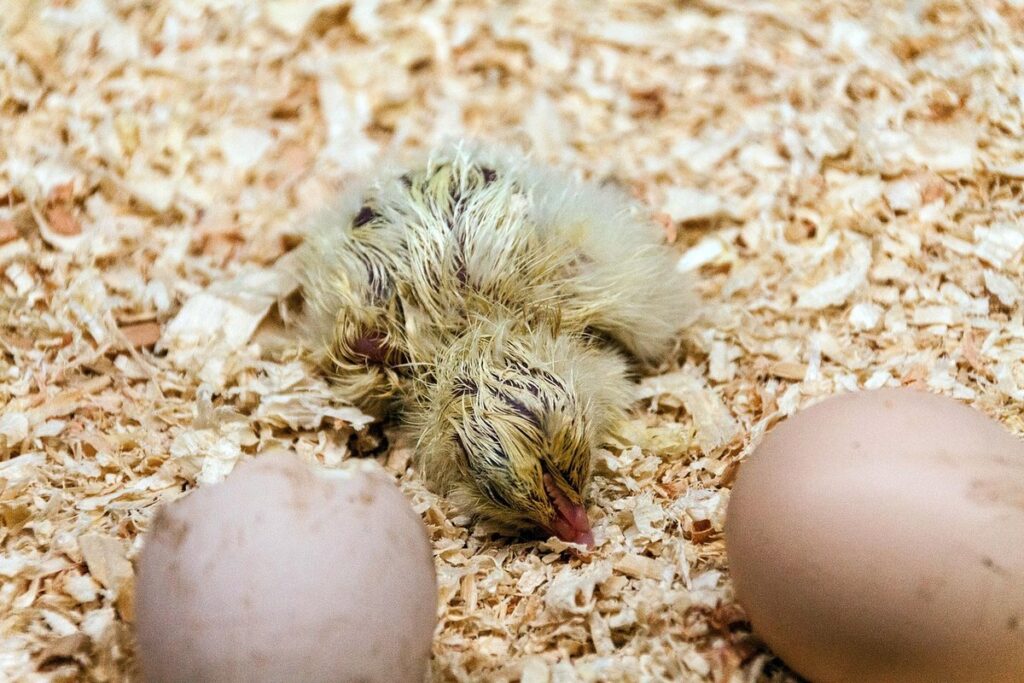
Understanding Egg Incubation Basics
To successfully turn eggs in an incubator, it’s essential to grasp the fundamental principles of egg incubation and how they relate to a precise turning schedule. Let’s break down these basics together.
Choosing the Right Breeds for Incubation
When it comes to choosing the right breeds for incubation, some birds are more suitable than others. This is because different breeds have varying levels of fertility, egg size, and shell thickness, which can affect the incubation process.
For example, chicken breeds like Leghorns, Rhode Island Reds, and Barred Rocks are popular choices for incubation due to their high fertility rates (around 90-95%) and large egg sizes. On the other hand, smaller breeds like Silkies and Polish may have lower fertility rates (around 70-80%), but they still make great options for experienced breeders.
Other factors to consider when selecting a breed include egg shell thickness, as some breeds tend to produce eggs with thinner shells that can be more prone to cracking during incubation. Additionally, some breeds are naturally better suited for incubation due to their temperature and humidity tolerance. For instance, breeds like Orpingtons and Plymouth Rock are known for their robust health and adaptability.
Ultimately, it’s essential to research the specific needs of your chosen breed and select one that fits your experience level and resources.
Setting Up Your Incubator
To set up an incubator for turning eggs effectively, it’s essential to establish a controlled environment that mimics natural conditions as closely as possible. Temperature is one of the critical parameters you need to focus on; aim for a temperature range between 99°F and 100.5°F (37°C to 38°C) during the first 18 days. You can use an accurate thermometer to monitor the temperature.
Maintaining optimal humidity levels also plays a vital role in incubation. The ideal humidity level is around 50-60%. However, it’s not necessary to adjust it manually as most modern incubators come equipped with automatic humidistats that maintain a set level of moisture.
Proper ventilation in your incubator prevents the buildup of carbon dioxide and ammonia gases, which can be hazardous for eggs and chicks. Ensure there is adequate airflow within the incubator by using built-in ventilation systems or installing external fans to circulate air.
Remember, it’s crucial to follow the manufacturer’s guidelines for setting up your specific incubator model, as some may have unique requirements. Additionally, consult with experienced breeders or experts in the field if you’re unsure about any aspect of setup.
Monitoring Temperature and Humidity Levels
Monitoring temperature and humidity levels is crucial to ensure successful hatching. A stable and consistent environment is necessary for embryo development. The ideal temperature range for incubating eggs is between 99°F (37°C) and 100°F (38°C), with a slight drop to 98°F (36°C) during the last three days of incubation.
To monitor temperature, use an accurate thermometer that can be placed in the incubator’s vent or egg Turner. Check the temperature at least twice a day, making sure it stays within the recommended range. You can also invest in an incubator with automated temperature control to reduce manual checks.
Humidity levels should be maintained between 50% and 60%. High humidity can cause mold growth, while low humidity may lead to dry eggs. Use a hygrometer to monitor humidity and adjust it as needed by adding water to the pan or increasing ventilation. Make sure the incubator’s design allows for easy humidity adjustments to maintain optimal levels throughout the incubation period.
Remember, precise temperature and humidity control is essential for successful hatching.
Egg Turning Techniques and Schedules
Let’s dive into the specifics of turning your eggs, including various techniques and schedules to ensure they develop evenly and receive adequate care.
Understanding the Importance of Egg Turning
Egg turning is a crucial aspect of incubation that often gets overlooked, yet it plays a vital role in ensuring successful hatching. When eggs are not turned regularly, the developing embryo can become stuck to one side of the shell, leading to various complications during hatching.
This can result in uneven development, respiratory issues, and even death of the chick. For instance, if an egg is left upright for too long, the embryo’s beak will grow towards the top of the shell, causing it to get stuck when attempting to pip (break through the shell). Similarly, eggs that are not turned can become too dense on one side, making it difficult for the chick to free itself from the shell.
To avoid these risks, it is essential to turn eggs at regular intervals. This helps maintain a consistent density of the yolk and prevents any uneven development of the embryo. Ideally, eggs should be turned every 6-8 hours during the first 18 days of incubation and then gradually reduced as hatching approaches. By incorporating egg turning into your schedule, you can significantly increase the chances of successful hatching and ensure a healthy chick emerges from its shell.
Implementing a Schedule: Automatic vs. Manual Turning
When it comes to implementing a schedule for turning eggs in an incubator, you have two main options: automatic egg turners and manual turning methods. Both approaches have their pros and cons, which we’ll explore below.
Automatic egg turners are a popular choice among incubators due to their convenience and efficiency. These devices can be set to turn the eggs at specific intervals, usually every 6-8 hours, without requiring much human intervention. This can save time and reduce fatigue for breeders who need to manage multiple batches of eggs. However, automatic egg turners can also be more expensive than manual methods, and their accuracy may vary depending on the device’s quality.
On the other hand, manual turning involves rotating the eggs by hand at specific intervals, usually 2-3 times a day. This approach is more cost-effective and allows for greater control over the turning process. However, it can be time-consuming and tiring, especially for breeders who are managing large numbers of eggs.
In practice, many breeders find that a combination of both methods works best. For example, using an automatic egg turner during peak incubation periods (e.g., 18-20 days) and switching to manual turning when the eggs start to pip can provide the best results. Regardless of which approach you choose, consistency is key: sticking to your chosen schedule will ensure that all eggs receive equal attention and treatment.
Sample Schedules for Different Types of Eggs
When it comes to turning eggs in an incubator, understanding breed-specific requirements is crucial for successful hatching. Different breeds have unique characteristics that affect their egg-turning needs.
For example, large breeds like Orpingtons and Brahmas tend to need more frequent turning due to their larger size and weight of the embryo. A sample schedule for these breeds might include 6-8 turns per day for the first 14 days, with a slight decrease in frequency as they approach hatch.
On the other hand, smaller breeds like Leghorns and Silkies require less intense turning. They may need only 3-4 turns per day during the same period. It’s essential to research specific breed requirements or consult with an experienced breeder to determine the best turning schedule for your incubator.
Some popular egg-turning schedules include:
* Standard Schedule: 6-8 turns per day for the first 14 days, decreasing to 3-4 turns per day until hatch.
* Low-Turn Schedule: 3-4 turns per day for all 21 days, ideal for small breeds or those with high embryo viability.
* High-Frequency Schedule: 10+ turns per day for high-risk eggs or larger breeds.
Keep in mind that these schedules are general guidelines and may need to be adjusted based on your incubator’s specific setup and egg handling practices. Always prioritize the health and well-being of both the mother hen and her developing chicks when turning eggs.
Troubleshooting Common Issues with Egg Turning
You may encounter some common issues while turning eggs in your incubator, such as uneven turning or forgotten turns. This section will help you troubleshoot these problems and get back on schedule.
Identifying Problems Early On
Recognizing issues with egg turning can be challenging, but it’s essential to address them promptly to avoid potential problems down the line. When you first notice that an egg is not turning properly, take a closer look at the incubator’s settings and schedule.
Check if the turning mechanism is functioning correctly, and ensure that the eggs are securely positioned in their designated compartments. Look for any signs of wear or tear on the turning arm or gears. Also, inspect the egg itself for any visible cracks or damage.
It’s also important to monitor temperature fluctuations within the incubator, as these can affect the turning mechanism’s performance. Ensure that your incubator is calibrated correctly and maintain a consistent temperature between 99°F and 100°F (37°C to 38°C).
If you notice an egg not turning at all, try resetting the incubator’s schedule or adjusting the turning interval. If the issue persists, it may be worth consulting the user manual or contacting the manufacturer for assistance.
Common Causes of Mortality Due to Inadequate Turning
Inadequate egg turning is a critical issue that can lead to mortality during incubation. When eggs are not turned regularly, the yolk can become stuck to one side of the shell, causing physical harm to the developing embryo. This can result in damage to the embryo’s delicate membranes and potentially even death.
For example, if an egg is not turned for a prolonged period, the embryo may experience severe stress, leading to abnormalities such as twisted or deformed limbs. In some cases, the embryo may even die due to lack of oxygen and nutrients caused by its abnormal position within the shell.
In reality, mortality rates can be significantly higher when eggs are not turned properly. Research has shown that inadequate turning can lead to a mortality rate of up to 20% in some cases. To avoid this, it’s essential to develop a consistent egg-turning schedule, ensuring that each egg is turned at least three times a day, every 6-8 hours.
Keep in mind that even small deviations from the recommended turning schedule can have significant consequences for embryonic development and viability. By prioritizing regular egg turning, you’ll significantly reduce the risk of mortality and increase your chances of hatching healthy chicks.
Strategies for Recovering from Incubation Failures
If you find yourself facing incubation failures due to issues related to egg turning, don’t panic. Many experienced hatchers have been there too, and with the right strategies, you can recover from setbacks and increase your chances of successful hatching.
Firstly, it’s essential to identify the cause of the failure. Was it a mechanical issue with the incubator, incorrect temperature settings, or human error in egg turning? Once you pinpoint the problem, rectify it immediately to prevent further failures.
For instance, if you notice eggs not being turned regularly, manually rotate them until you can resolve the issue with your automatic turner. If temperature fluctuations are causing embryo death, adjust your incubator’s thermostat accordingly.
If a single egg has been affected, but others in the same batch seem unaffected, consider removing the problematic egg to prevent further stress on the healthy ones. Keep in mind that some breeds and species are more resilient than others, so be patient and adjust your strategies accordingly.
Maintain a detailed record of temperature fluctuations, turner malfunctions, and any other issues you encounter. This log will help you refine your incubation schedule and avoid similar problems in the future.
Optimizing Your Incubator’s Performance
To optimize your incubator’s performance, it’s essential to balance temperature and humidity levels while turning eggs regularly. Let’s dive into some expert tips for doing just that.
Maintaining Optimal Temperature and Humidity Levels
Maintaining precise temperature and humidity levels is crucial for successful incubation. Temperature fluctuations can lead to fertility issues, while inadequate humidity can cause eggs to dry out. To prevent these problems, ensure that your incubator’s temperature and humidity levels are within the optimal range.
For most poultry species, this means maintaining a temperature between 99°F and 100°F (37°C to 38°C) during the first 24 hours, gradually dropping it by 1-2 degrees Fahrenheit (0.5-1°C) each day. Humidity should be around 50% in the first week, with slight increases towards hatching.
To maintain these levels, you can use a hygrometer to monitor humidity and adjust as needed. Some incubators come equipped with built-in temperature control systems, while others require external thermometers and controllers. Regularly inspect your equipment to ensure accurate readings and take corrective action if necessary.
It’s also essential to calibrate your incubator according to the manufacturer’s instructions to prevent drifting temperatures or inaccurate humidity levels.
Regular Cleaning and Maintenance Schedule
Regular cleaning and maintenance of your incubator are crucial for maintaining optimal conditions for healthy egg development. A thorough understanding of what to clean and when is vital to prevent the buildup of bacteria, dust, and other contaminants that can harm eggs.
Start by setting aside a dedicated time each week for cleaning. Allocate 30 minutes to an hour, twice a week, to ensure your incubator remains in pristine condition. Begin with the egg-turning mechanism, ensuring it’s free from debris and dust. Use a soft-bristled brush or a clean cloth to wipe down the gears and surrounding areas.
Next, focus on the humidity control system. Regularly inspect and clean the humidifier, water reservoir, and any other parts that come into contact with water. Make sure all connections are secure, and there’s no sign of mineral buildup or bacterial growth.
Remember, a spotless incubator is not just about aesthetics; it directly impacts egg health and development. By incorporating regular cleaning and maintenance into your schedule, you’ll be able to track temperature fluctuations, ensure proper ventilation, and create an environment conducive to successful hatching.
Advanced Techniques for Improved Hatching Rates
For even more successful incubation, let’s dive into advanced techniques that can take your hatching rates to the next level by optimizing egg turning and other crucial factors.
Using Data Loggers for Enhanced Monitoring
Using data loggers to collect detailed temperature and humidity data can significantly enhance your monitoring capabilities. These devices allow you to track the exact temperature and humidity levels within your incubator at specific times throughout the day.
This information is invaluable when trying to optimize hatching rates. By analyzing the collected data, you can identify any potential issues with temperature or humidity fluctuations that may be affecting your eggs. For instance, if you notice a consistent dip in temperature during the night hours, you can adjust your incubator’s thermostat accordingly to prevent this from happening.
You can also use data loggers to compare your incubation conditions to those of other breeders who have achieved high hatching rates. This knowledge can help you pinpoint specific areas where you need improvement and implement targeted changes. Some popular brands for temperature and humidity data loggers include Hobo, Onset, and TempPro – all of which are user-friendly and compatible with most incubation systems. By leveraging this technology, you’ll be well on your way to optimizing your turning schedule and maximizing hatching success.
Experimenting with Different Turning Schedules
As you gain more experience with incubating eggs, you may find that certain breeds respond better to specific turning schedules. Experimenting with different turning schedules can be a valuable exercise in optimizing hatching rates for unique egg breed requirements or preferences.
Some breeders have reported success with shorter or longer turning intervals, so it’s worth exploring these options for your own flock. For example, some Heritage chicken breeds may benefit from more frequent turns to promote healthy development, while larger birds like turkeys might do better with less frequent but more vigorous turns.
To experiment with different turning schedules, start by observing the behavior and development of a group of eggs. Take note of any signs of discomfort or stress that may indicate an imbalance in the current schedule. Next, adjust the turn interval by 15-30 minutes in either direction (e.g., from every 2 hours to every 1.5 or 3 hours). Monitor the affected eggs for 24-48 hours and compare their progress with those on the original schedule.
This process may require patience and flexibility, but it can ultimately lead to improved hatching rates and more robust chick development.
Integrating Automation Systems for Increased Efficiency
Integrating automation systems into incubation processes can significantly boost efficiency and accuracy. By automating tasks such as egg turning, temperature control, and humidity monitoring, you can minimize manual errors and ensure a consistent environment for optimal hatching rates.
For example, automated egg turners can rotate eggs at precise intervals, reducing the risk of breakage or improper positioning. This is particularly useful for large-scale operations or those with limited staff. With automation systems in place, you can also set up customized schedules to accommodate different breeds or incubation requirements.
Some key benefits of integrating automation systems include:
* Reduced labor costs and increased productivity
* Improved egg quality and reduced breakage rates
* Enhanced data tracking and analysis for informed decision-making
* Consistent and precise temperature control for optimal hatching conditions
When implementing automation systems, it’s essential to choose a system that integrates seamlessly with your existing infrastructure. Consider factors such as compatibility, scalability, and user-friendliness when selecting an automation solution. By streamlining your incubation process through automation, you can achieve higher hatching rates and reduced stress for both eggs and operators alike.
Frequently Asked Questions
What’s the ideal time frame for adjusting to a new turning schedule after switching breeds?
If you’re transitioning from one breed to another, it’s essential to adjust your incubator settings accordingly. Allow at least 2-3 days to acclimate your incubator before starting a new cycle, especially when switching between breeds with significantly different egg sizes or shell thickness.
Can I use a single turning schedule for all types of eggs?
No, you should have separate turning schedules for different breed types and egg sizes due to varying fertility rates, egg size, and shell thickness. For example, smaller breeds like Bantams might require more frequent turning than larger breeds like Orpingtons.
How often should I clean my incubator during the hatching process?
Regular cleaning is crucial, but it’s essential not to disrupt the delicate balance of temperature and humidity. Clean your incubator every 3-4 days by gently wiping down surfaces with a damp cloth and replacing any water or sanitation solution as needed.
What’s the best way to handle incubation failures due to inadequate turning?
To recover from failed incubations, first identify the root cause – in this case, inadequate turning. Analyze your schedule and make necessary adjustments before starting the next cycle. Consider implementing a backup plan, such as automated turning or manual checks every 2-3 hours.
How can I monitor my egg’s development during the hatching process?
Using data loggers for enhanced monitoring is an excellent way to keep track of temperature, humidity, and even internal incubator conditions like CO2 levels. This allows you to make real-time adjustments and improve your chances of successful hatches.