
Raising guinea fowl keets requires careful attention to detail, especially when it comes to providing the right environment for their growth. One crucial aspect of successful brooding is maintaining the optimal temperature range for these young birds. You see, a warm and cozy space can make all the difference in ensuring your keets grow into healthy and robust guinea fowl.
But what exactly constitutes an ideal temperature for brooding guinea fowl keets? And how do you know when to adjust the thermostat or add extra heat sources? Don’t worry; we’ve got you covered. In this expert guide, we’ll walk you through the essential considerations for optimal temperature ranges, environmental monitoring techniques, and strategies for keeping your keets safe and thriving throughout the brooding period.
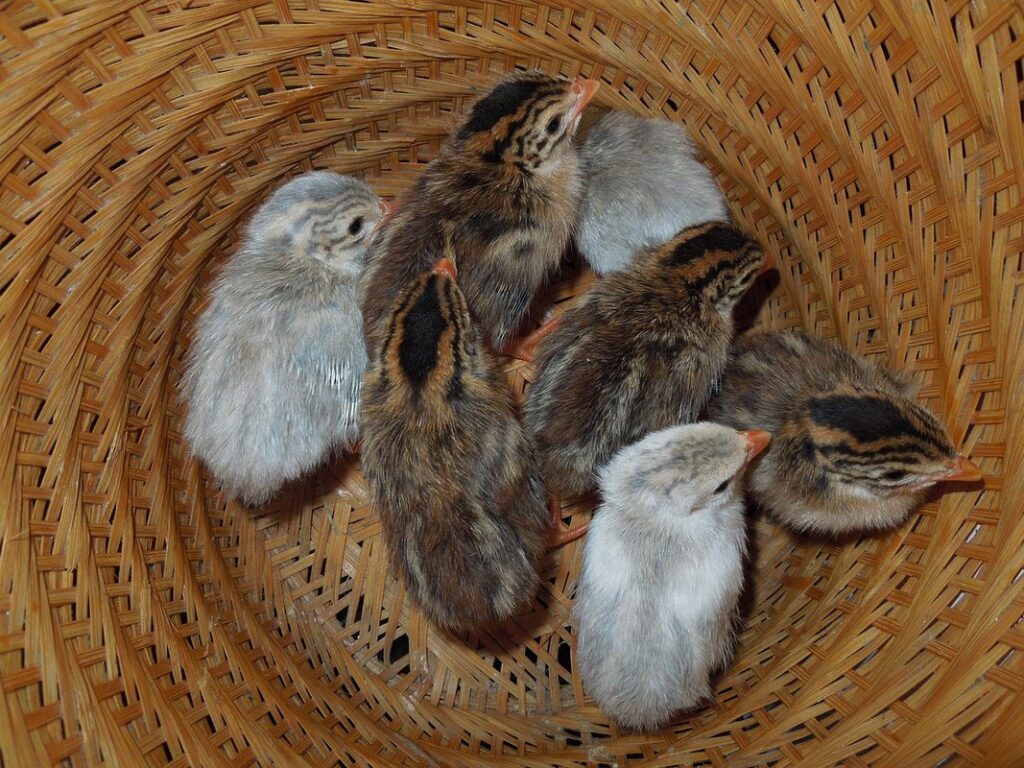
Importance of Proper Brooding Temperature
Maintaining a proper brooding temperature is crucial for your guinea fowl keets’ growth and development, as it directly impacts their overall health and well-being. In this section, we’ll explore why it matters.
What is Brooding and Why is it Crucial for Keet Development?
Brooding is an essential process for guinea fowl keet development, and it plays a critical role in their growth and overall health. In simple terms, brooding refers to the period of time after hatching when young birds rely on external heat sources to regulate their body temperature. During this vulnerable stage, keets require a stable and optimal temperature environment to grow, develop, and thrive.
If the brooding temperature is not maintained at the right level, it can have severe consequences for the keets’ development. For instance, if the temperature is too low, keets may not be able to generate enough heat internally, leading to stunted growth and a weakened immune system. Conversely, if the temperature is too high, keets may overheat, causing stress and potentially life-threatening conditions.
Maintaining an optimal brooding temperature of around 90-95°F (32-35°C) with a 5% humidity level is crucial for guinea fowl keet development. This specific range allows keets to regulate their body heat efficiently while minimizing the risk of disease and other health issues.
Optimal Brooding Temperature Ranges for Guinea Fowl Keets
Guinea fowl keets require optimal brooding temperatures to ensure healthy growth and development. The ideal temperature range varies at different stages of their development.
In the first week after hatching, maintain a consistent temperature between 90°F (32°C) and 95°F (35°C). This allows the keets to regulate their body heat effectively. As they grow and become more active, you can gradually reduce the temperature by 5-10°F (3-6°C) every few days.
Between weeks two to three, the ideal brooding temperature is between 85°F (29°C) and 90°F (32°C). This range supports their increased activity level and helps prevent heat stress. During this period, it’s essential to ensure proper ventilation in the brooder to avoid humidity buildup.
As keets mature, they can tolerate temperatures up to 75°F (24°C), but still require a warm environment, around 70-75°F (21-24°C) for comfort. Monitor your keets’ behavior and adjust the temperature accordingly to prevent overheating or chilling. Proper ventilation and temperature management are crucial during this critical period of their development.
Factors Affecting Brooding Temperature Requirements
When it comes to raising healthy guinea fowl keets, understanding how various factors affect brooding temperature requirements is crucial for their growth and development. Let’s explore these key influencers in more detail.
Environmental Considerations: Humidity, Ventilation, and Lighting
When it comes to raising healthy guinea fowl keets, environmental considerations play a crucial role in maintaining optimal brooding temperature requirements. One of the most critical factors is humidity levels. Guinea fowl keets need a humid environment to thrive, but excessive moisture can lead to respiratory issues and other health problems. Aim for a relative humidity of 50-60% by misting the brooder with water daily or using a humidifier.
Proper ventilation is also essential in maintaining healthy guinea fowl keets. Adequate airflow helps to remove ammonia buildup from their droppings, which can be toxic at high levels. Ensure that your brooder has adequate ventilation, ideally through windows or vents, and provide access to fresh air by placing the brooder near an open door or window.
Lighting is another important aspect of guinea fowl keet care. They need a photoperiod of 24 hours of light within their first week of life to stimulate growth and development. After that, you can gradually reduce the lighting period to simulate natural day-night cycles. Use low-wattage heat lamps or LED lights specifically designed for poultry, as they provide adequate warmth without overheating the keets.
Keet Age and Weight: How These Influence Brooding Temperature Needs
As guinea fowl keets grow and develop, their brooding temperature needs change. A key factor to consider is age: younger keets require warmer temperatures than older ones. For the first week, a temperature range of 90-95°F (32-35°C) is ideal. However, as they approach two weeks old, you can begin to reduce the temperature by about 5°F (3°C) every day or two.
Another important consideration is weight: keets that are too heavy for their age may require a cooler environment. Monitor your keets’ growth and adjust the temperature accordingly. For example, if a keet is significantly larger than its siblings, it may need to be moved to a separate brooder with a lower temperature. Conversely, smaller keets may benefit from a slightly warmer environment.
Remember to also consider other factors that can influence temperature needs, such as humidity levels and ventilation in the brooding area. By monitoring your keets’ growth and adjusting the temperature accordingly, you can help ensure they stay healthy and thrive under optimal conditions.
Health Risks Associated with Incorrect Brooding Temperatures
Failing to provide a suitable brooding temperature can lead to serious health issues in guinea fowl keets, including stunted growth and increased mortality rates. Proper precautions must be taken to avoid these common mistakes.
Cold Stress: Consequences for Keet Growth and Development
When guinea fowl keets are exposed to cold stress, their growth and development can be severely impacted. Cold temperatures cause a rise in stress hormones, which can lead to stunted growth. This is because the energy that would normally be allocated towards growth and development is instead redirected towards survival mechanisms. As a result, affected keets may have smaller feathers, less muscle mass, and delayed molting.
Cold stress also increases mortality rates among guinea fowl keets. Prolonged exposure to cold temperatures can cause hypothermia, which can be fatal if not addressed promptly. In fact, a study showed that cold stress accounted for up to 30% of total deaths in brooder keets.
Moreover, cold stress impairs the immune function of guinea fowl keets, making them more susceptible to disease and infections. When keets are stressed due to cold temperatures, their body’s ability to fight off pathogens is compromised, leading to a higher risk of illness and even death. To prevent these issues, it’s essential to maintain a consistent brooding temperature between 90-95°F (32-35°C) during the first few weeks after hatching.
Heat Stress: Its Impact on Keet Productivity and Well-being
Heat stress can have devastating effects on guinea fowl keets, impacting not only their productivity but also their well-being. When temperatures soar, keets may exhibit decreased energy levels, reduced appetite, and lethargy, making them more susceptible to disease. In extreme cases, heat-related illnesses such as dehydration and heat exhaustion can be fatal.
Keets experiencing heat stress may also display abnormal behavioral patterns, including rapid breathing, panting, and restlessness. As the temperature rises, keets may become aggressive or withdrawn, negatively affecting their social interactions and growth. For instance, a study on heat stress in poultry found that guinea fowl keets exposed to temperatures above 90°F (32°C) for extended periods showed significant declines in weight gain and egg production.
To mitigate heat stress, it’s essential to maintain optimal brooding temperatures between 90°F to 95°F (32°C to 35°C), with a humidity level of 50-60%. Monitor your keets’ behavior closely, providing plenty of fresh water and ventilation. By prioritizing their comfort and health, you can ensure the well-being and productivity of your guinea fowl keet flock.
Setting Up an Optimal Brooding Environment
When setting up a brooder, it’s crucial to create a safe and comfortable space that allows your keets to grow and thrive, and we’ll guide you through this process step by step.
Choosing the Right Brooder Size and Type
When it comes to setting up an optimal brooder environment for your guinea fowl keets, choosing the right size and type of brooder is crucial. The goal is to provide a safe, comfortable, and healthy space for your chicks to grow and develop.
Consider the following factors when selecting a brooder: space per bird is essential, with a minimum of 2-3 square feet per chick, but ideally 4-5 square feet or more, depending on breed size. A larger brooder will also make it easier to clean and maintain, which reduces the risk of disease transmission.
Look for a brooder made from durable materials that can withstand regular use and cleaning. Some popular options include plastic, metal, or wooden brooders with mesh sides. Avoid flimsy or low-quality brooders that may collapse or leak heat, compromising your keets’ safety and well-being.
Remember to position the brooder in a draft-free area and ensure easy access for feeding, watering, and monitoring your keets. By choosing the right size and type of brooder, you’ll be well on your way to creating an optimal environment that supports healthy growth and development for your guinea fowl keets.
Heating Options: Heat Lamps, Ceramic Heat Emitters, and More
When it comes to heating options for brooders, you have several choices to keep your guinea fowl keets cozy and warm. One popular option is heat lamps, which can provide a concentrated source of warmth. However, they can also be a fire hazard if not monitored closely, so make sure to place them at least 2-3 feet above the birds’ heads and ensure that they’re securely fastened.
Ceramic heat emitters are another safe alternative, as they emit heat directly rather than using a light source. These are ideal for larger brooders or when you need a more even distribution of heat. Some models come with thermostats that can be adjusted to maintain a consistent temperature between 90-100°F (32-38°C), which is perfect for guinea fowl keets.
Thermostatically controlled heat sources, like infrared heaters, are also available and offer an additional layer of safety. These devices automatically adjust the heat output based on the room’s temperature, ensuring that your brooder remains at a consistent warmth without overheating or cooling down.
Monitoring and Maintaining Brooding Temperature
To ensure your guinea fowl keets thrive, it’s crucial to maintain a consistent brooding temperature between 90-100°F (32-38°C), but how do you monitor and achieve this ideal range?
Using Thermometers and Hygrometers to Track Conditions
Monitoring temperature and humidity levels is crucial when raising healthy guinea fowl keets. Thermometers and hygrometers are essential tools to ensure optimal brooding conditions. A thermometer helps you track the ambient temperature, while a hygrometer monitors the relative humidity level.
A consistent temperature between 90°F and 95°F (32°C and 35°C) is ideal for guinea fowl keets. However, it’s not just about setting the temperature; maintaining the right humidity level is equally important. Humidity levels should be kept between 40% to 50%. You can achieve this by using a hygrometer to monitor the conditions.
Place thermometers and hygrometers in strategic locations within your brooding area to get an accurate reading of the environment. This will enable you to make necessary adjustments, such as increasing ventilation or using a humidifier, to maintain optimal levels. For example, if the temperature is too high, you can increase the airflow by opening windows or using fans. Similarly, if the humidity level drops below 40%, you can use a humidifier to bring it back up.
By monitoring and adjusting these conditions regularly, you’ll be able to provide your guinea fowl keets with a healthy environment that promotes growth and development.
Troubleshooting Common Issues with Brooding Temperature
When it comes to brooding guinea fowl keets, maintaining the right temperature is crucial for their development and health. However, issues can arise, and knowing how to troubleshoot common problems is essential.
A common issue with brooding temperature is a sudden drop or fluctuation in heat, which can be caused by faulty thermostats or inadequate insulation. If you notice a significant change in temperature, check your thermometer to ensure it’s accurate and adjust the thermostat accordingly. You should also inspect your coop for any gaps or openings that may be allowing cold air to enter.
Another issue is overheating, which can occur if the temperature becomes too high. This can lead to dehydration and stress in the keets. To prevent overheating, make sure your heat source is not too close to the brooder, and monitor the temperature closely. A good rule of thumb is to aim for a temperature range of 90-95°F (32-35°C) during the first few weeks.
It’s also essential to consider the humidity level in your coop. High humidity can lead to respiratory problems in keets. Use a hygrometer to monitor the humidity levels and ensure they remain between 50-60%.
Conclusion: Implementing Effective Brooding Strategies for Guinea Fowl Keets
Now that you’ve mastered brooding temperature requirements, it’s time to put these strategies into action and successfully implement effective brooding methods. This section provides a step-by-step guide on how to do just that.
Recap of Key Findings and Recommendations
In conclusion, maintaining optimal brooding temperatures is crucial for raising healthy guinea fowl keets. Key takeaways from this article emphasize the importance of a temperature range between 90-95°F (32-35°C) for the first week, gradually decreasing to 70-75°F (21-24°C) by the end of the second week. This optimal temperature allows keets to grow and develop properly.
It’s essential to note that extreme temperatures can lead to stunted growth or even death in guinea fowl keets. For example, temperatures above 100°F (38°C) can cause heat stress, while temperatures below 60°F (16°C) can slow down growth rates significantly. To achieve optimal brooding conditions, it’s recommended to maintain a consistent temperature range throughout the day and night.
Practically, this means using thermostats or heating/cooling pads in conjunction with ventilation systems to regulate temperature fluctuations. Regular monitoring of temperature levels is also crucial to ensure that your keets are receiving optimal care. By following these guidelines and maintaining a healthy environment, you can significantly improve the chances of raising thriving guinea fowl keets.
Final Thoughts on Ensuring Success with Your Backyard Flock
As you’ve reached the end of this comprehensive guide on brooding temperature requirements for guinea fowl keets, it’s essential to reflect on the key takeaways and apply them to your flock. By now, you should have a solid understanding of the critical importance of proper temperature control in ensuring healthy development and reducing the risk of mortality.
To recap, it’s crucial to maintain a consistent brood box temperature between 90°F and 95°F (32°C to 35°C) during the first week, gradually decreasing it by 5°F (3°C) every few days until it reaches ambient temperatures. Don’t forget to provide adequate ventilation and ensure that your keets have access to fresh food and water at all times.
Remember, consistency is key when it comes to maintaining optimal brooding conditions. Stick to a schedule and monitor your keets’ behavior closely for any signs of distress or discomfort. By doing so, you’ll be well on your way to raising a happy, healthy flock that will thrive in their new environment. With patience, dedication, and attention to detail, you can enjoy the rewards of raising guinea fowl keets.
Frequently Asked Questions
How Often Should I Check the Brooding Temperature for Optimal Growth?
Regular temperature checks are crucial to ensure your guinea fowl keets are thriving. We recommend checking the brooding temperature at least twice a day, ideally once in the morning and again in the afternoon. This will help you identify any fluctuations or issues that might arise due to heating sources or environmental changes.
Can I Use a Single Heat Source for My Entire Brooder, or Do I Need Multiple?
While it’s tempting to use a single heat source, it’s generally recommended to have multiple options available. This allows you to distribute the heat evenly throughout the brooder and adjust as needed. Consider using a combination of heat lamps and ceramic heat emitters to achieve optimal temperature zones.
How Do I Determine When My Keets No Longer Need External Heat Sources?
Knowing when to transition your keets from external heat sources to natural light is crucial for their development. As a general rule, guinea fowl keets can tolerate ambient temperatures around 65-70°F (18-21°C) once they reach about 4-5 weeks old and have gained significant weight. Monitor your keets’ behavior and adjust accordingly.
What Happens If I Notice Cold Stress or Heat Stress in My Keets? How Do I Respond?
If you notice any signs of cold stress (shivering, huddling, or reduced activity), increase the brooding temperature by 1-2°F (0.5-1°C) to help your keets recover. Conversely, if heat stress symptoms appear (panting, lethargy, or excessive water consumption), reduce the temperature by 1-2°F (0.5-1°C). Monitor your keets’ response closely and adjust as necessary.
Can I Use a Programmable Thermostat to Maintain Optimal Brooding Temperature?
Yes! Using a programmable thermostat is an excellent way to maintain consistent temperatures throughout the brooding period. Set it to automatically adjust temperatures based on keet age, weight, or ambient conditions. This will help prevent overheating or underheating and ensure your guinea fowl keets receive optimal care.