
If you’re an avid backyard chicken keeper, chances are you’ve thought about hatching your own chicks. But have you ever considered how to successfully incubate those precious eggs? Choosing the right incubator is crucial for healthy chick development and ensuring a strong start in life. With so many options available on the market, it can be overwhelming to decide which one suits your needs best. In this article, we’ll break down the key factors to consider when selecting an incubator, including temperature control, humidity levels, and power sources. We’ll also cover popular types of incubators suitable for backyard chicken keepers, helping you make an informed decision that meets both your budget and requirements. Whether you’re a seasoned breeder or just starting out, this guide will walk you through the process of finding the perfect incubator for your chicken eggs.
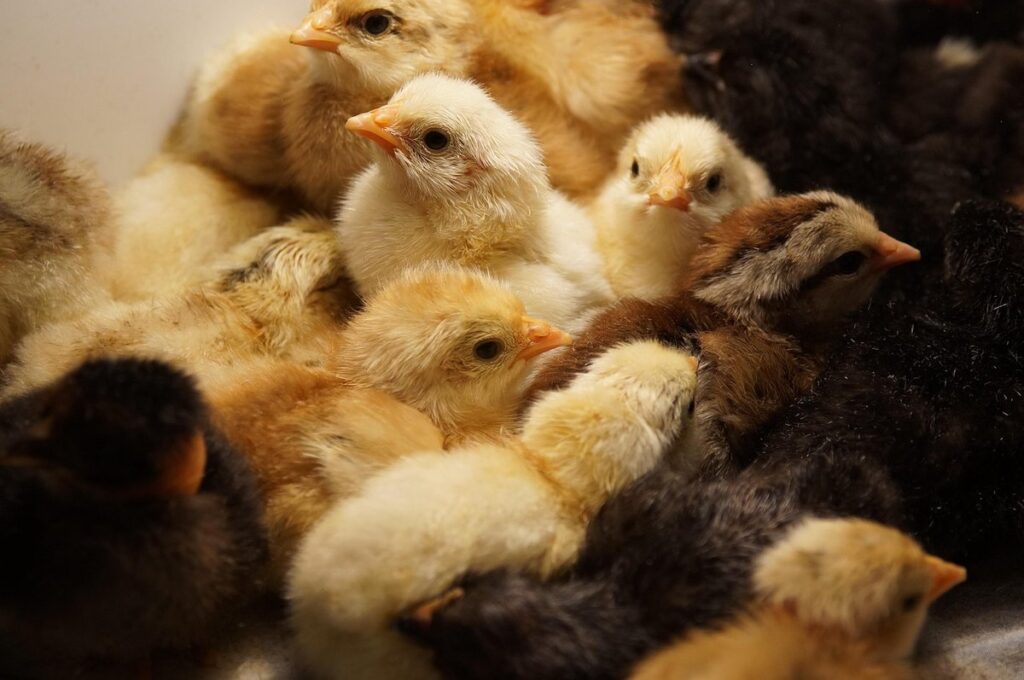
Introduction to Chicken Egg Incubation
Before you dive into selecting the perfect incubator for your chicken eggs, it’s essential to understand the basics of chicken egg incubation and what makes a successful hatch. Let’s start with the fundamentals!
Importance of Proper Incubation
Proper incubation is a crucial step in the process of hatching chicken eggs. Without it, the chances of successful hatching are significantly reduced. When an egg is not incubated correctly, it can lead to a range of problems that ultimately result in embryonic death or weak chicks.
One of the main reasons why proper incubation is essential is that it maintains a consistent temperature and humidity level within the incubator. This allows the embryo to develop at its optimal rate, without being subjected to extreme fluctuations that can be detrimental to growth. If the temperature drops below 99°F (37°C) or rises above 100°F (38°C), it can cause irreparable damage to the embryo.
Moreover, improper incubation can also lead to fungal and bacterial infections, which can further weaken the chick’s immune system. For example, a sudden change in humidity levels can cause the eggshell to become weak, making it susceptible to contamination. By maintaining a precise control over temperature and humidity, you can prevent such issues and increase the chances of successful hatching.
In addition, proper incubation also ensures that the embryo receives sufficient oxygen supply. If the air exchange within the incubator is inadequate, it can lead to hypoxia, which can cause developmental problems or even death.
Types of Chicken Egg Incubators
When it comes to choosing the right incubator for chicken eggs, understanding the different types of incubators available is crucial. There are several options to consider, each with its unique features and benefits.
Digital incubators are a popular choice among backyard farmers and breeders. These high-tech incubators use advanced electronics to monitor temperature, humidity, and turning patterns. They often come equipped with alarms and notifications, ensuring that you’re always aware of any issues that may arise. For example, the Brinsea Mini II is a digital incubator that can be controlled remotely via an app, allowing for precise monitoring and adjustments.
Automatic incubators take things to the next level by providing hands-off management of temperature and humidity. These incubators use advanced sensors and algorithms to maintain optimal conditions, eliminating the need for manual intervention. However, they can be more expensive than digital or manual incubators.
Manual incubators are a low-cost option that requires frequent monitoring and adjustments. While they may not offer the same level of precision as digital or automatic incubators, they’re often preferred by hobbyists and small-scale breeders who value simplicity and affordability.
It’s worth noting that some incubators combine elements from multiple categories, offering hybrid solutions that cater to specific needs and preferences. Ultimately, the choice of incubator will depend on your experience level, available space, and personal preferences.
Key Factors to Consider When Selecting an Incubator
When selecting the right incubator for your chicken eggs, it’s crucial to weigh several key factors that will impact the health and success of your hatch. Let’s dive into the essential considerations.
Temperature Control and Stability
Precise temperature control and stability are crucial when it comes to ensuring successful hatching of chicken eggs. A stable environment is necessary for embryonic development, and even slight variations can have a negative impact on the health of the chicks.
A general rule of thumb is to maintain an incubator temperature between 99°F and 100°F (37°C to 38°C) during the first 18 days, with some models requiring a gradual decrease in temperature towards the end of the incubation period. It’s also essential to ensure consistent temperatures within the incubator itself – ideally no more than 0.5°F (0.3°C) variations.
To maintain optimal temperatures, check your incubator’s thermostat and replace it if necessary. You should also regularly inspect the incubator’s heating elements and replace them as needed. A well-maintained thermometer is essential for accurate temperature readings.
Humidity Levels and Air Circulation
When it comes to incubating chicken eggs, maintaining optimal humidity levels and air circulation is crucial for successful hatch rates. Eggs need a humid environment to breathe and develop properly, but excessive moisture can lead to mold growth and fungal infections. Ideally, the relative humidity (RH) should be maintained between 50-60% during the first 7-10 days of incubation.
As eggs progress through development stages, RH levels can be adjusted accordingly. For example, a slight decrease in RH from 55% to 45% can help prevent mold growth and promote gas exchange around day 12-14 of incubation. It’s essential to ensure air circulation is sufficient within the incubator to maintain even temperature distribution.
A general rule of thumb for maintaining optimal air circulation is to have at least 1-2 square inches of space per egg for airflow. This can be achieved by using a rack or tray system with adequate gaps between each egg holder.
Popular Types of Incubators for Backyard Chicken Keepers
If you’re just starting out, or looking to upgrade your incubation game, there are several popular types of incubators that can help you successfully hatch chicken eggs at home. Let’s take a closer look at what options are available.
Digital Incubators: Features and Benefits
Digital incubators have revolutionized the world of backyard chicken keeping by providing an efficient and effective way to hatch eggs. One of the standout features of digital incubators is their user-friendly interface, making it easy for beginners to navigate and use them successfully. Most digital incubators come equipped with a touchscreen display that shows crucial information such as temperature, humidity levels, and egg turning status.
What’s more, digital incubators offer precise temperature control, which is essential for successful hatching. These devices can maintain temperatures within a fraction of a degree, ensuring the optimal environment for embryonic development. Additionally, many digital incubators feature advanced features like automatic egg turning, which eliminates the need for manual intervention and reduces the risk of broken eggs.
When choosing a digital incubator, look for models with Wi-Fi connectivity or remote monitoring capabilities to stay on top of your hatching process from anywhere in the world. This feature allows you to receive notifications when temperature fluctuations occur or if there’s an issue with egg turning. With a digital incubator by your side, you’ll be able to hatch healthy and strong chicks with ease.
Automatic Incubators: Convenience and Reliability
When it comes to incubating chicken eggs, automatic incubators are a top choice among backyard chicken keepers. These incubators take the guesswork out of maintaining optimal conditions, ensuring that your eggs develop healthily and hatch successfully.
Automatic incubators come equipped with temperature control systems, humidity sensors, and precise monitoring capabilities, allowing you to track every stage of the incubation process remotely or through a mobile app. This advanced technology ensures that your eggs are kept at the perfect temperature (98-100°F) and humidity levels (50-60%), reducing the risk of embryo failure and hatching problems.
Moreover, automatic incubators simplify the incubation process, requiring minimal maintenance and attention from you. This frees up time to focus on other aspects of chicken keeping, such as feeding, breeding, or simply enjoying your flock’s company. Many models also come with features like egg turning, ventilation control, and alarm systems, providing an added layer of security for your eggs.
Ultimately, automatic incubators offer unparalleled convenience, reliability, and ease of use, making them an excellent choice for backyard chicken keepers who want to increase their chances of successful hatching.
How to Choose the Right Size Incubator for Your Needs
Choosing the right incubator size can be overwhelming, but we’re here to guide you through the process of selecting an ideal fit for your egg-laying endeavors. This involves considering several key factors.
Small-Scale Incubation: Ideal for Small Farms or Homesteads
Small-scale incubation is an excellent option for small farms or homesteads looking to hatch eggs without breaking the bank or sacrificing valuable space. One of the most significant advantages of small-scale incubation is its cost-effectiveness. You don’t need a large, expensive incubator to hatch a few dozen eggs at a time.
In fact, a small-scale incubator can be as compact as a microwave oven, making it ideal for small farms or homesteads with limited space. These incubators are perfect for farmers who want to test the waters before investing in a larger unit. Plus, they’re often more energy-efficient, which is a significant consideration for those looking to save on utility bills.
Moreover, small-scale incubation offers flexibility – you can choose to hatch eggs from various breeds or even try your hand at custom breeding programs. This versatility makes it an attractive option for homesteaders who want to experiment with different egg-laying breeds without committing to large quantities.
Large-Scale Incubation: Suitable for Commercial Operations
Large-scale incubation is ideal for commercial operations looking to maximize hatch rates and efficiency. With a large-capacity incubator, you can process hundreds of eggs at once, significantly increasing productivity. For instance, a 120-egg incubator can produce around 10-15 batches per day, resulting in substantial egg hatching numbers.
Scalability is another significant advantage of large-scale incubation. As your business grows, you’ll need to increase your egg production capacity. A high-capacity incubator allows for seamless expansion without having to purchase multiple smaller units. Additionally, with a larger incubator, you can implement more advanced monitoring systems and temperature control features, further improving hatch rates.
To achieve optimal results with large-scale incubation, it’s essential to maintain precise temperature control (within 0.5°C) and ensure adequate humidity levels (50-60%). Regularly cleaning the incubator and maintaining a consistent environment will also help minimize losses due to disease or environmental factors.
Maintenance and Upkeep of Your Incubator
To keep your incubator running smoothly, it’s essential to stay on top of regular maintenance tasks, from cleaning to replacing worn-out parts. Let’s dive into these crucial upkeep tips together.
Regular Cleaning and Sanitization
Regular cleaning and sanitizing are crucial aspects of incubator maintenance that often get overlooked. However, neglecting this duty can lead to the buildup of bacteria, which can contaminate eggs and pose a significant risk to chick health.
To prevent bacterial growth, it’s essential to establish a regular cleaning routine for your incubator. Start by washing all surfaces with mild soap and warm water. A solution of 1 part white vinegar to 10 parts water is also effective in killing bacteria and neutralizing odors.
In addition to surface cleaning, don’t forget to scrub the turntables, trays, and egg cups thoroughly. Rinse everything with clean water and allow it to air dry before putting it back into use. It’s recommended to sanitize your incubator at least once a week, but ideally after every hatching cycle.
A dirty or unsanitized incubator can lead to losses in chick viability, reduced fertility rates, and even the spread of diseases among your flock. By incorporating regular cleaning and sanitizing into your maintenance routine, you’ll be creating a healthy environment for your eggs to develop and hatch successfully.
Troubleshooting Common Issues
As you navigate the world of incubation, it’s not uncommon to encounter issues that can impact the success of your hatch. But don’t worry – we’ve got you covered with some common problems and troubleshooting tips to help you get back on track.
One of the most frequent issues is temperature fluctuations. If your incubator’s temperature reading is off by more than 1-2°F, it can cause significant damage to your eggs. To troubate this, make sure to calibrate your thermometer regularly and consider investing in a temperature probe that can provide real-time readings. Keep an eye on the incubator’s humidity levels as well, which should ideally be between 50-60%.
Another common issue is excessive humidity, which can lead to fungal growth and embryo death. To avoid this, ensure you’re monitoring the incubator’s hygrometer regularly and adjusting the misting system accordingly.
If your eggs are not turning properly or you notice inconsistent candling results, check that the turner is set up correctly and functioning smoothly. Additionally, if the incubator’s fan is malfunctioning, it can cause uneven air circulation and heat distribution.
Conclusion: Selecting the Best Incubator for Your Needs
In conclusion, selecting the right incubator for your chicken eggs can be a daunting task. However, by considering your specific needs and requirements, you can make an informed decision that ensures optimal hatching rates and happy, healthy chicks. Take into account factors such as egg type, quantity, and frequency of use when choosing between manual or automatic incubators. Don’t forget to factor in the cost and reliability of maintenance when making your final decision. With so many options available, it’s essential to do your research and read reviews from other users to find an incubator that meets your specific needs.
By following these steps, you’ll be well on your way to selecting the perfect incubator for your chicken eggs. Remember, a good incubator is an investment in your flock’s future, so take the time to choose wisely. With the right equipment and care, you can enjoy the thrill of watching your chicks hatch and grow into happy, healthy birds.
Frequently Asked Questions
What’s the ideal temperature range for incubating chicken eggs?
The ideal temperature range for incubating chicken eggs is between 99°F (37°C) and 100°F (38°C). It’s essential to maintain a consistent temperature within this range, as fluctuations can affect the development of the embryo. Most modern incubators come with precise temperature control systems, ensuring that you can easily maintain this optimal temperature.
Can I use an old refrigerator as a makeshift incubator?
While it might be tempting to repurpose an old refrigerator as an incubator, it’s not recommended. Old refrigerators often have inconsistent temperature fluctuations and humidity levels, which can harm the developing embryo. Additionally, they may lack proper ventilation and air circulation, leading to poor hatching rates.
How do I troubleshoot common issues with my automatic incubator?
When troubleshooting your automatic incubator, start by checking the basic settings such as temperature, humidity, and turner function. Ensure that all cables are securely connected and that there are no signs of wear or damage on any components. Consult the user manual for specific instructions on resetting or recalibrating your incubator.
Can I use a digital incubator for large-scale commercial operations?
Yes, digital incubators can be an excellent choice for large-scale commercial operations due to their advanced temperature control and monitoring systems. Many modern digital incubators come equipped with features such as precision temperature control, automatic humidity adjustment, and real-time monitoring capabilities, making them suitable for high-volume egg hatching.
What’s the importance of proper cleaning and sanitization in maintaining an incubator?
Regular cleaning and sanitization are crucial for maintaining an incubator. Failure to do so can lead to bacterial and fungal growths that may contaminate eggs and affect hatch rates. Ensure you clean all surfaces with a mild detergent and water, and then sanitize them using a veterinary-grade disinfectant specifically designed for egg hatching equipment.