
Quail eggs are a delight to work with, but successfully incubating them can be a challenge for even the most seasoned poultry enthusiasts. One crucial factor in ensuring healthy hatches is understanding the ideal incubation time for quail eggs. But what exactly is the optimal incubation period for these tiny marvels? With so many factors at play – temperature control, humidity levels, and equipment quality – it’s no wonder beginners can get overwhelmed. Don’t worry, we’ve got you covered! In this comprehensive guide, we’ll take a deep dive into the world of quail egg incubation, covering everything from setting up your brooder to monitoring vital signs for successful hatching. By the end of this article, you’ll be equipped with the knowledge and confidence to raise healthy chicks from these tiny eggs.
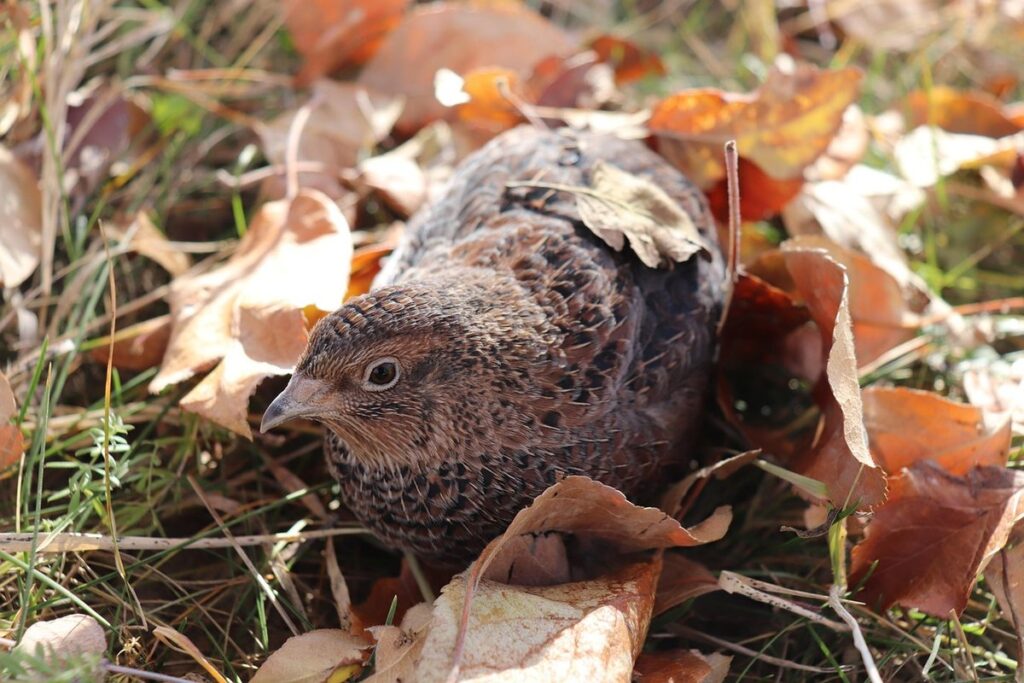
Understanding Quail Eggs and Incubation Basics
Let’s start by covering the basics: quail eggs are smaller, have thinner shells than chicken eggs, and require specific incubation conditions to hatch successfully. Understanding these factors is crucial for successful hatching.
What Are Quail Eggs?
Quail eggs are a delicacy and a popular choice for many enthusiasts of exotic foods. These tiny eggs are an excellent source of nutrition, packed with protein, vitamins, and minerals. To put their size into perspective, quail eggs typically weigh around 7-10 grams and measure about 28-30 millimeters in length.
One of the most significant advantages of quail eggs is their nutritional profile. They contain a higher concentration of iron and vitamin B12 compared to chicken eggs. Additionally, they have a lower cholesterol content, making them an attractive option for health-conscious individuals. The nutrient-dense composition also makes them an excellent choice for baking, cooking, and even as a garnish for various dishes.
When it comes to storing quail eggs, it’s essential to maintain a consistent temperature between 12°C and 15°C (54°F-59°F). This will help slow down the embryonic development process, allowing you to store them for up to 7 days. It’s also crucial to handle them gently to prevent damage, as their fragile shells can break easily.
Quail eggs are an excellent choice for many reasons, and understanding their nutritional benefits and storage requirements is essential for anyone looking to work with these tiny eggs.
Benefits of Raising Quails
Raising quails for egg production offers numerous benefits that make them an attractive option for backyard farmers and small-scale producers. One of the most significant advantages is their low space requirements. Quails are compact birds, requiring only a few square feet per pair to roam, making them ideal for small backyards or even indoor spaces.
Another significant benefit of quail egg production is their high fertility rate. Quails have a remarkable ability to breed year-round, with some breeds laying up to 300 eggs per year. This means you can expect a consistent supply of fertile eggs, reducing the need for external fertilizers and increasing your overall productivity.
To get started with raising quails, it’s essential to research their specific needs and provide them with a suitable environment. Ensure they have access to fresh water, nutritious feed, and adequate shelter. With proper care and management, you can enjoy the benefits of low space requirements and high fertility rates that make quail egg production an attractive option for many farmers.
Equipment Needed for Successful Incubation
When it comes to incubating quail eggs successfully, having the right equipment is crucial. You’ll need a reliable incubator that’s specifically designed for small birds like quails. This type of incubator will provide precise temperature control and optimal humidity levels.
In addition to an incubator, you’ll also need a thermometer and hygrometer to monitor the internal temperature and humidity levels inside the incubator. These two pieces of equipment are essential in maintaining a stable environment that mimics the natural conditions quail eggs would experience outside the incubator.
It’s worth noting that digital thermometers and hygrometers are more accurate than analog ones, so consider investing in these for precise readings. Some incubators also come with built-in temperature control units or hygrometer attachments, which can simplify the monitoring process. When setting up your equipment, make sure to follow the manufacturer’s instructions carefully to avoid any potential issues during incubation.
Preparing Quail Eggs for Incubation
Before you start incubating your quail eggs, it’s essential to prepare them correctly. Learn how to gently clean and dry quail eggs in this crucial step of the incubation process.
Selecting Healthy Quail Eggs
When selecting healthy quail eggs for incubation, appearance is the first thing to consider. Look for eggs with a smooth, clean, and even shell that doesn’t have any visible cracks or breaks. Avoid eggs with soft spots, as this can be a sign of an internal issue. The egg should also feel firm and heavy for its size.
Another crucial factor is weight. A healthy quail egg typically weighs around 8-10 grams. Eggs that are significantly lighter may not be viable, while those that are too heavy could indicate an over-developed embryo.
Candling is another essential step in evaluating the health of your eggs. Hold a lit candle or LED light near the large end of the egg to see if there’s a clear outline of the embryo. A healthy embryo will appear as a small white dot or a shadowy figure against the yolk, while empty eggs will be dark and featureless.
By paying attention to these factors, you can significantly increase your chances of success with quail egg incubation. Remember that even seemingly healthy eggs can still have issues, so it’s always better to err on the side of caution and choose multiple eggs for incubation.
Cleaning and Sanitizing the Eggs
Cleaning and sanitizing quail eggs is an essential step before incubation to prevent bacterial contamination. Dirty eggs can harbor bacteria like Salmonella, E. coli, and Campylobacter, which can lead to the death of the embryo or even human illness if handled improperly.
To clean quail eggs, gently wash them in a mild dish soap and warm water solution (about 90°F). Scrub the eggs with a soft-bristled brush to remove any dirt or debris. Rinse the eggs thoroughly under running water to remove all soap residue.
For sanitizing, you can use a diluted bleach solution (1 part bleach to 10 parts water) or a vinegar solution (1 part vinegar to 9 parts water). Dip the eggs in the solution for about 5-7 minutes, then rinse them with clean water. Dry the eggs with a clean towel to prevent bacterial growth.
Proper cleaning and sanitizing can make all the difference in increasing hatch rates and ensuring healthy chicks. Be sure to handle the eggs gently and avoid washing them too frequently, as this can strip away the natural waxy coating on the eggshell that helps prevent moisture loss during incubation.
Handling and Storage of Eggs Before Incubation
Proper handling and storage of quail eggs before incubation are crucial to ensure their viability. When collecting eggs from your quails, make sure to handle them gently to avoid cracking the eggshell. It’s also essential to store them in a clean and dry environment to prevent contamination.
Before storing, inspect each egg for any visible cracks or damage. If you find an egg with a crack, do not use it for incubation as bacteria can penetrate through the crack and cause infection. For storage, use a container specifically designed for eggs, such as a carton or tray with separate compartments to keep them from breaking into each other.
When storing quail eggs, maintain a consistent temperature between 55-65°F (13-18°C) and relative humidity above 50%. This will help slow down the embryo development process, keeping the egg in a dormant state until incubation. Store the eggs pointed end down to prevent moisture from entering through the large end. It’s recommended to store quail eggs for up to 7 days before incubation to ensure optimal viability and hatch rates.
Setting Up a Quail Egg Incubator
Before starting your incubation journey, it’s essential to set up your quail egg incubator correctly. This section will walk you through the key steps for preparing your equipment.
Choosing the Right Incubator Type
When it comes to choosing the right incubator for quail eggs, you have several options to consider. One popular choice is a digital incubator, which uses modern technology to maintain precise temperature and humidity levels. These models often come equipped with automatic turning systems, making them ideal for beginners or those who want hands-off incubation.
Another option is an automatic incubator, which takes the guesswork out of incubation altogether. These units are designed with sensors that monitor temperature, humidity, and egg turning, ensuring that your quail eggs receive the perfect conditions to hatch successfully.
Traditional models, on the other hand, rely on manual control, requiring you to constantly check and adjust temperatures and humidities. While these can be effective, they do require a bit more effort and attention to detail. If you’re new to incubation or want a hassle-free experience, digital or automatic models may be the better choice.
When selecting an incubator, consider factors such as size, durability, and ease of use. Make sure it’s specifically designed for quail eggs and has adequate ventilation to prevent moisture buildup. With so many options available, it’s essential to choose the right type of incubator that suits your needs and skill level.
Calibration and Temperature Control
Calibrating your quail egg incubator is crucial to ensure optimal temperature control for successful development. Begin by setting the temperature within the recommended range of 99.5°F to 100.5°F, as this is critical for the growth and survival of your quail eggs.
To calibrate, first read the user manual that came with your incubator, as different models may have specific calibration instructions. Generally, you’ll need to adjust the temperature by turning a dial or using a digital interface. Some incubators come equipped with automatic temperature control, which will regulate the temperature for you.
If your incubator doesn’t have this feature, it’s essential to monitor the temperature closely throughout the incubation period. Use an external thermometer placed within the incubator to ensure accurate readings. For peace of mind, consider investing in a separate temperature controller that can be connected to your incubator for more precise temperature control.
It’s also worth noting that even small deviations from the ideal temperature range can impact egg development and hatch rates. To minimize errors, maintain a consistent temperature throughout the day, with slight adjustments as needed based on external factors like room temperature or air circulation.
Humidity Levels and Turning Eggs
Maintaining proper humidity levels is crucial for even development and successful hatching. Quail eggs require a humid environment to prevent water loss through evaporation. Aim for a relative humidity of 50-60% throughout the incubation period. You can achieve this by using a hygrometer to monitor the temperature and adjusting the water level in the incubator as needed.
Turning quail eggs is also essential for even development. Quails have a unique egg-laying habit, laying their eggs at an angle. To account for this, turn your eggs 2-3 times a day, making sure they are always pointed towards you. This ensures that the embryo develops evenly and prevents it from sticking to the shell.
Remember, consistency is key when it comes to turning and humidity levels. A small deviation can make a big difference in the hatching success rate. Make it a habit to check your incubator daily and adjust as necessary to ensure optimal conditions for your quail eggs.
Monitoring Quail Egg Development During Incubation
As you carefully monitor your quail eggs during incubation, it’s essential to note the visible signs of development that will indicate their progress and readiness for hatching. Keep an eye out for these crucial milestones!
Temperature and Humidity Readings
Monitoring temperature and humidity readings is crucial during quail egg incubation to ensure healthy development. You’ll need a thermometer to measure temperature and a hygrometer to monitor humidity levels. Place the thermometer near the eggs, ideally on an inner wall of the incubator or about 3-4 inches above them. This will give you accurate readings for both temperature and humidity.
A temperature range of 99°F to 100°F (37°C to 38°C) is ideal for quail egg development. Any deviations from this range can lead to reduced fertility rates or embryo death. To maintain a stable temperature, ensure your incubator is properly sealed and away from drafts.
Humidity levels should be maintained between 50-60%. A hygrometer will help you monitor humidity levels, but it’s essential to know that these levels may fluctuate during the incubation period. Check and adjust as needed to prevent moisture buildup or drying out of the eggs.
Keep a close eye on both temperature and humidity readings, taking regular measurements throughout the day. Use this data to make adjustments to your incubator settings, ensuring optimal conditions for quail egg development.
Watching for Signs of Fertility and Viability
As you monitor your quail eggs during incubation, it’s essential to keep an eye out for signs of fertility and viability. One of the first indicators of a healthy egg is the appearance of a pip, which is a small hole or crack on the surface of the egg. This usually appears around 7-10 days into incubation and can be a sign that your egg is fertile.
Another crucial sign of viability is darkening around the air cell at the large end of the egg. This occurs when the embryo inside the egg starts to grow, causing the surrounding membranes to darken in color. You may notice this change as early as day 5-6 of incubation, but it’s most pronounced by day 7.
To observe these signs effectively, gently candle your eggs under a bright light source around day 7-10 of incubation. This will allow you to see the embryo developing inside and check for any visible signs of life. Be sure to use a clean, dry cloth or glove when handling the eggs to prevent damage or contamination.
Keep in mind that not all fertile eggs will develop a pip, so it’s essential to rely on multiple indicators when assessing viability.
Managing Mortality Rates During Incubation
Mortality rates during incubation can be significant if not managed properly. Several factors contribute to this issue, including temperature fluctuations, humidity levels, and poor sanitation. For instance, a 1°C deviation from the optimal temperature of 99-100°F (37.2-37.8°C) can increase mortality by up to 20%. Similarly, inadequate ventilation or over-humidification can lead to respiratory problems and fatalities.
To minimize losses, it’s essential to maintain a clean incubation environment. Regularly cleaning the incubator, disinfecting equipment, and ensuring good air circulation can help reduce bacterial growth and prevent diseases. Implementing a strict rotation schedule for turning eggs can also prevent damage due to improper positioning.
Monitoring temperature and humidity levels closely is crucial in preventing mortality. Utilizing digital thermometers and hygrometers allows for precise control over the incubation conditions. By taking proactive measures, you can significantly reduce mortality rates and increase the chances of successful hatching.
Hatching and Raising Chicks
Now that you’ve successfully incubated your quail eggs, let’s move on to one of the most exciting parts: hatching and raising healthy chicks. This section covers essential tips for a successful hatch and getting your new birds off to a great start.
Identifying Hatched Chicks
As you approach the end of the incubation period, it’s essential to be vigilant for signs that indicate hatching is imminent. One of the most exciting moments comes when you notice a small crack in the shell, known as pipping. The first pip appearance usually occurs on one side of the egg, about an inch from the top.
To identify the first pip, gently turn the egg over to examine it under good lighting conditions. The pip will appear as a tiny hole or scratch on the surface of the shell. You might also see a small amount of membrane bulging through the opening. Don’t be alarmed if you miss this initial pip; it’s not uncommon for the second pip (which is usually more pronounced) to occur before you notice the first one.
A more definitive sign that hatching has begun is when you see the chick’s beak poking through the shell, often accompanied by a small amount of pecking or scratching. This can happen anywhere on the egg, not just where the pip initially appeared.
Providing Optimal Brooding Conditions
Creating a safe brood box is crucial to ensure the optimal development of quail chicks. To replicate their natural environment, maintain a temperature range of 90-95°F (32-35°C) during incubation and hatching. This can be achieved by using heat lamps or ceramic heat emitters in conjunction with ventilation.
Proper humidity levels are also essential, ranging from 50-60%. You can use a humidifier to achieve this balance, especially in dry climates. On the other hand, avoid over-humidification as it can lead to respiratory issues.
Ensure adequate ventilation by providing airflow between the eggs and around the brooder box. This is achieved through small gaps or vents that allow for air exchange without compromising temperature stability. You can also use a thermometer and hygrometer to monitor temperature and humidity levels, making adjustments accordingly.
By creating a safe and stable environment, you’ll be well on your way to raising healthy quail chicks from eggs.
Raising Healthy Quail Chicks
When you’re finally rewarded with newly hatched quail chicks, it’s essential to provide them with the right environment for healthy growth and development. This includes proper feeding, watering, and care from day one.
First, ensure a clean and safe brooder is set up for the chicks. A shallow dish or bowl of fresh water should be provided, as well as a feeder containing starter feed that’s formulated specifically for quail. At this age, quail chicks require a diet rich in protein to support rapid growth. You can expect to feed them 2-3 times a day until they’re about three weeks old.
Maintain the brooder at a comfortable temperature of around 90°F (32°C) during the first week. Monitor the chicks’ behavior and adjust the temperature accordingly, as they’ll regulate their own heat soon after hatching. Keep an eye on them frequently to prevent any health issues or accidents.
Frequently Asked Questions
How long can I keep quail eggs stored before incubation?
You can store quail eggs for up to 7 days before incubation, but the ideal time is within 3-5 days. Fresh eggs will have better fertility rates and hatchability.
What’s the best way to monitor temperature fluctuations during incubation?
To ensure accurate temperature readings, use a high-quality thermometer specifically designed for poultry incubation. This will help you detect any potential issues before they affect your quail eggs’ development.
How often should I turn quail eggs during incubation?
It’s essential to turn the quail eggs 3-4 times daily until day 14 of incubation, and then gradually reduce the frequency to once or twice a day. Proper turning helps prevent embryo position abnormalities and promotes even growth.
What are some common causes of high mortality rates during incubation?
High mortality rates can be caused by factors such as incorrect temperature settings, inadequate humidity levels, poor egg quality, or insufficient turning. Regularly monitor your incubator’s temperature and humidity levels to minimize the risk of these issues.
Can I use a homemade incubator for quail eggs, or is it recommended to invest in a commercial one?
While a well-designed homemade incubator can work, commercial incubators are designed with specific features that cater to the unique needs of quail eggs. They often include precise temperature control, automatic turning mechanisms, and advanced monitoring systems – all of which contribute to higher hatch rates and healthier chicks.