
Raising quails for their delicious eggs can be a rewarding hobby, but maximizing your harvest requires understanding these tiny birds’ unique behavior. Quail egg collection tips are essential for any backyard flock owner who wants to get the most out of their investment. However, it’s not just about throwing some food and water in a coop – creating a conducive environment that mimics quails’ natural habitat is crucial. In this article, we’ll dive into expert advice on coop design, nutrition, and health to help you increase your quail egg yield. We’ll explore the importance of understanding quail behavior, how to create an optimal environment for laying, and provide tips on managing common health issues that can impact egg production. By following these expert-approved strategies, you’ll be well on your way to collecting more eggs from your quail flock.
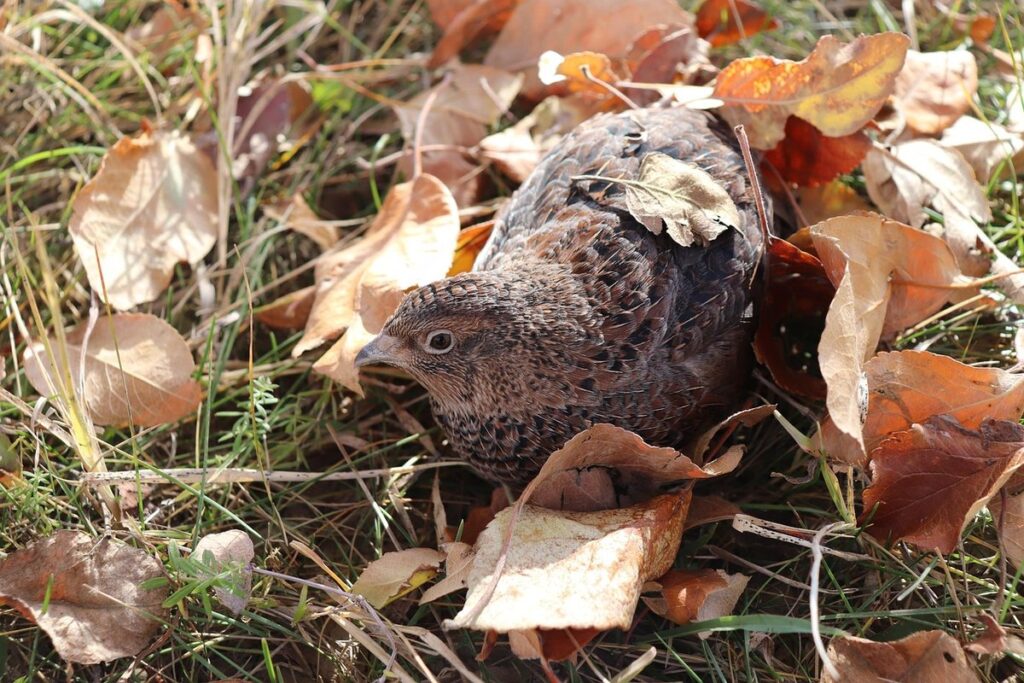
Understanding Quail Behavior and Habitat
To maximize your quail egg harvest, it’s essential to understand how these birds behave and what they need to thrive. This means creating a suitable habitat that meets their specific needs.
Factors Influencing Quail Egg Laying Patterns
Understanding the factors that influence quail egg-laying patterns is crucial for maximizing your harvest. Quails are creatures of habit and their natural habitat plays a significant role in determining their behavior. In the wild, quails typically lay eggs in a protected area, such as under a bush or in a secluded spot. To replicate this environment, create a safe and quiet space for your quails by placing their nesting boxes away from high-traffic areas.
Lighting is another crucial factor affecting egg-laying patterns. Quails are diurnal birds and require adequate light to stimulate egg production. Ensure that the coop receives sufficient natural light or install artificial lighting that mimics daylight hours. Temperature also affects quail behavior, with optimal temperatures ranging between 40°F and 80°F (4°C and 27°C). Maintain a consistent temperature range in your coop to promote healthy egg-laying.
A nutritious diet rich in calcium is essential for quails to produce high-quality eggs. Provide a balanced feed that includes sufficient calcium content to support strong eggshell production. Also, ensure access to fresh water at all times to prevent dehydration and maintain overall health.
Nesting Box Requirements and Placement
Providing adequate nesting boxes for your quails is crucial to encourage them to lay their eggs safely and conveniently. A general rule of thumb is to provide one nesting box per 3-5 birds, but it’s better to have a few extra as some quails may be more inclined to use the boxes than others.
When selecting nesting boxes, consider the size and material. Quails prefer small, enclosed spaces with a depth of about 6 inches (15 cm) and a width of around 8-10 inches (20-25 cm). The material should be durable, easy to clean, and provide enough ventilation for airflow. A simple wooden or plastic box will suffice, but you can also get creative with designs that mimic natural nesting sites.
Place the nesting boxes in a quiet, sheltered area within the coop or enclosure, ideally at a height of about 12-18 inches (30-45 cm) off the ground to protect them from drafts and predators. Ensure they’re positioned where your quails can easily access them without feeling threatened or exposed. You may also want to consider adding some nesting material like soft grasses or hay inside the boxes to make them more appealing to your quails.
Building the Perfect Quail Egg-Laying Environment
To create a thriving quail egg-laying environment, you’ll want to consider factors such as lighting, ventilation, and nesting box setup. A well-designed coop can significantly boost egg production rates.
Coop Design and Layout Considerations
When it comes to designing an egg-laying environment for your quails, getting it right is crucial. Think of it as a recipe for success – if the ingredients are wrong or not proportioned correctly, the end result will be subpar. Let’s dive into the specifics.
Aim for at least 3-4 square feet per quail in the laying area, with adequate space between each bird to prevent overcrowding and stress. This means allocating a significant portion of your coop’s floor space to egg-laying, rather than prioritizing nesting boxes or storage areas. Proper ventilation is also vital; ensure there are gaps for airflow at least 2 inches wide and situated above the birds’ heads to minimize ammonia buildup.
Accessibility is another key factor – place the laying area near a door or feeding station to streamline daily chores. Avoid placing it too close to perches, which can create messes and attract pests. Consider adding windows or skylights for natural light, but ensure they’re positioned to avoid direct sunlight that might overheat the coop.
By prioritizing space allocation, ventilation, and accessibility, you’ll be well on your way to creating an egg-laying environment where your quails thrive and lay their best eggs.
Perch Placement and Bedding Options
When it comes to creating an ideal environment for quail egg production, providing perches and suitable bedding options is crucial. Quails need a place to roost safely, especially at night when they’re most vulnerable to predators and stress.
As you’re planning the perfect setup for your quail coop, consider incorporating multiple levels of perches to cater to different ages and personalities. Younger quails may feel more secure higher up, while older birds prefer lower-lying areas. Make sure each perch has a smooth surface, free from splinters or sharp edges that could harm your feathered friends.
For bedding materials, aim for something absorbent and easy to clean. Popular options include wood shavings (avoid cedar as it’s toxic), hay, and straw. A thick layer of about 4-6 inches is recommended to maintain cleanliness and reduce the risk of disease transmission. Change out old bedding regularly to prevent ammonia buildup from waste and urine.
Some bird owners swear by adding a shallow pool or dish for water bathing, which can help keep feathers clean and dry. This can be especially beneficial during hot months when quails tend to overheat more easily.
Quail Health and Nutrition: Keys to Optimal Egg Production
To maximize your quail egg production, it’s essential to ensure your birds are receiving a balanced diet and staying healthy. Let’s explore the keys to optimal quail health and nutrition.
Nutritional Requirements for Egg-Laying Quails
When it comes to maximizing your quail egg harvest, providing the right nutritional foundation is crucial. Egg-laying quails require a balanced diet that meets their specific needs to produce healthy eggs and maintain optimal health.
A protein-rich feed is essential for quails, especially those that are laying eggs regularly. Look for feeds with high protein content (around 20-25%) and include supplements such as mealworms or crickets in moderation. Calcium is also vital for eggshell production; offer crushed oyster shells or dark leafy greens like kale to ensure your quails get enough.
Access to fresh water at all times is critical, too. Quails need clean drinking water that’s changed regularly to prevent bacterial growth and disease. Aim to provide about 1-2 ounces of water per bird daily, depending on their size and breed.
Incorporating these nutritional requirements into your quail care routine will help optimize egg production, resulting in a more bountiful harvest. Keep an eye out for signs of nutrient deficiencies, such as pale eggs or lethargy, and adjust your feed accordingly to ensure the best possible results from your quail egg collection.
Managing Stress and Health Issues
When it comes to maximizing your quail egg harvest, managing stress and health issues is crucial. A happy and healthy flock not only produces better-quality eggs but also lays more frequently. To ensure this, keep an eye out for signs of stress and health problems.
Common health issues that can affect quails include mites, lice, and respiratory problems. These pests can be picked up from other birds or environments, so regular cleaning and disinfecting of coops is essential. Monitor your flock closely for symptoms like excessive droppings, lethargy, or labored breathing.
To minimize stress in your quail flock, provide a clean, spacious environment with adequate food, water, and shelter. Quails thrive in calm environments, so ensure there are no loud noises or disruptions near their coop. Consider introducing enrichment activities, such as foraging toys or perches, to keep them engaged and stimulated.
Regular health checks will also help you catch any potential issues early on. Know the warning signs of common health problems and take action promptly if you notice anything unusual in your flock’s behavior or physical condition.
Collecting Eggs: Tips and Tricks for Success
Let’s dive into the nitty-gritty of collecting quail eggs, including how to spot the ripe ones and avoid any potential mishaps in your backyard flock.
Daily Egg Collection Routine
Collecting eggs from your quails can be a daily task that requires some finesse. To ensure you’re harvesting safely and efficiently, follow this step-by-step guide.
Start by ensuring the coop is clean and well-ventilated to promote healthy egg-laying. Before collecting eggs, put on a pair of disposable gloves to prevent bacterial transfer between your hands and the eggs.
Next, carefully collect eggs from each nesting box using a cup or container to minimize breakage. Be mindful not to disturb the quails as they tend to be sensitive to noise and vibrations.
After collecting the eggs, immediately wash your hands thoroughly with soap and warm water. This is crucial in preventing bacterial contamination of the eggs.
Finally, sanitize all equipment used during collection by washing them in hot soapy water and allowing them to air dry. This will help maintain a clean and hygienic environment for both you and your quails.
Handling Broken or Abandoned Eggs
When collecting quail eggs, it’s not uncommon to come across broken or abandoned eggs. Regularly inspecting egg-laying areas is crucial to maintaining a healthy and efficient egg production system. Broken eggs can harbor bacteria and attract pests, while abandoned eggs can lead to reduced fertility and stress on your birds.
To identify broken eggs, look for visible cracks, splits, or soft spots. Abandoned eggs, on the other hand, are typically left in their nesting boxes. Remove these eggs carefully to prevent damaging them further. Dispose of any broken or damaged eggs promptly by wrapping them in a paper towel or newspaper and placing them in the trash.
For abandoned eggs, you have two options: discard or incubate. If an egg has been left for more than 24 hours, it’s best to assume it won’t hatch successfully and remove it from the nesting box. However, if you’re interested in hatching quail eggs, you can transfer them to a separate area for incubation under proper temperature and humidity conditions.
Advanced Quail Egg Collection Strategies
For more experienced quail keepers, we’re sharing advanced techniques to streamline your egg collection process and make it even more efficient than before. Let’s dive into these expert strategies now!
Monitoring Egg Production Cycles
Monitoring egg production cycles is crucial for maximizing your harvest. By tracking and analyzing these cycles, you can identify patterns that inform decisions about feeding and breeding strategies. Start by keeping a detailed record of your quail’s laying habits, including the date, time, and number of eggs produced each day.
Look for patterns in the data to determine which days or times are most productive. For example, if you notice that your quails produce more eggs in the morning, you can adjust feeding schedules accordingly. You may also want to consider the age and sex of your birds when making decisions about breeding strategies.
One way to visualize egg production cycles is by creating a graph or chart to track daily output over time. This will help you identify trends and make informed decisions about resource allocation. For instance, if you notice a decline in egg production during certain months, you may need to adjust feeding protocols or consider supplementing with calcium-rich foods.
By monitoring and analyzing egg production cycles, you can optimize your quail’s laying performance and maximize your harvest.
Improving Flock Dynamics through Socialization
Social interaction plays a vital role in maintaining healthy flock dynamics. When quails live together in harmony, they’re more likely to be relaxed and focused on laying eggs, rather than stressing about each other’s presence. Introducing new birds can be challenging, especially if you have an existing flock with established social hierarchies.
To minimize disruptions, it’s best to introduce new quails gradually, starting with a visual introduction through a divider or screen in the same enclosure. This allows them to become familiar with each other’s scent and sounds without feeling threatened. Once they seem comfortable with each other’s presence, you can begin to integrate them into the flock under close supervision.
Establishing a pecking order is natural within quail flocks, but it’s essential to manage this process to avoid stress on your birds. Monitor their behavior closely for signs of aggression or fear, and intervene if necessary by separating the birds temporarily. By introducing new quails thoughtfully and managing existing social hierarchies, you can create a peaceful and productive flock that maximizes egg production.
Common Mistakes to Avoid When Collecting Quail Eggs
Don’t let rookie mistakes ruin your quail egg collection efforts! In this crucial part of our guide, we’ll cover common pitfalls to avoid for a successful harvest.
Preventing Broodiness and Egg-Laying Issues
When it comes to collecting quail eggs, one of the most frustrating issues you can encounter is broodiness. Broodiness is a natural instinct for female quails to stop laying eggs and focus on incubating their own eggs instead. However, if left unchecked, it can lead to egg-laying issues and poor quail health.
Incorrect feeding practices can contribute to broodiness. For example, feeding your quails a diet high in protein can stimulate them to lay eggs, but also make them more prone to broodiness. On the other hand, a calcium-rich diet is essential for egg production, but excessive intake can lead to kidney stones and other health issues.
Inadequate coop maintenance is another common mistake that can lead to egg-laying issues. A dirty or cramped coop can cause stress on your quails, leading to decreased egg production and increased risk of disease. Make sure to provide a clean, spacious coop with adequate ventilation and a balanced diet to minimize the risk of broodiness.
It’s also essential to monitor your quails’ behavior closely and intervene early if you notice any signs of broodiness, such as pacing, feather pecking, or egg laying cessation.
Best Practices for Egg Storage and Handling
Storing and handling quail eggs requires attention to detail to ensure their quality and safety. Start by selecting clean, dry containers with airtight lids to store the eggs. Glass jars or plastic containers specifically designed for egg storage work well. Make sure the containers are free from any strong odors or residues that could affect the eggs.
Keep the storage area at room temperature (around 70-75°F) and away from direct sunlight, as extreme temperatures can cause the eggs to become overcooked or develop an off smell. Avoid storing the eggs in humid areas like a basement or near a water source, as this can lead to mold growth and contamination.
Label each container with the date of collection and any relevant information about the eggs (e.g., egg size, breed). Regularly clean and disinfect the containers to prevent bacterial growth and cross-contamination. For longer storage periods, consider using refrigeration at a consistent temperature below 40°F. Always inspect the eggs regularly for signs of damage or spoilage before use.
Frequently Asked Questions
Can I use a single nesting box for multiple quails, or do I need one per bird?
Yes, you can use a single nesting box for multiple quails, but make sure to provide enough space and ensure each bird has easy access. Aim for about 1-2 square feet of floor space per quail in the nesting area.
How often should I clean the coop to prevent health issues and maintain optimal egg production?
Daily cleaning is essential for maintaining a healthy coop. Remove soiled bedding, droppings, and uneaten food daily. Replace bedding material every week or two, depending on usage. This will help prevent odors, pests, and diseases.
What are some common signs of stress in quails that can impact egg production?
Quails experiencing stress may exhibit changes in appetite, restlessness, feather plucking, or decreased egg-laying. Monitor your flock regularly for these signs and address any issues promptly to maintain a healthy and productive environment.
Can I collect eggs at night if the quails are more active during this time?
Yes, collecting eggs at night is possible, but make sure to handle them gently to avoid damaging the eggs or disturbing the quails. Be cautious of potential predators attracted by the egg collection process.
How can I maintain a consistent daily egg collection routine, especially when dealing with a large flock?
Establishing a set schedule and providing adequate space for each bird will help streamline daily collection. Consider implementing a system where one person is responsible for collecting eggs to maintain consistency and prevent accidental breakage.