
If you’re an avid backyard chicken enthusiast or just starting to build your flock, you’ve probably noticed that different breeds have distinct combs and wattles. But did you know that these unique features are not just a matter of aesthetics? The comb and wattle play a crucial role in a chicken’s overall health, temperature regulation, and even egg production. In this article, we’ll delve into the fascinating world of chicken combs and wattles, exploring their anatomy, importance, and different types. You’ll learn how to identify distinct breeds based on their combs and wattles and understand the potential health implications associated with each type. Whether you’re a seasoned farmer or just starting out, understanding this essential aspect of chicken care will help you make informed decisions about your flock’s well-being and success.
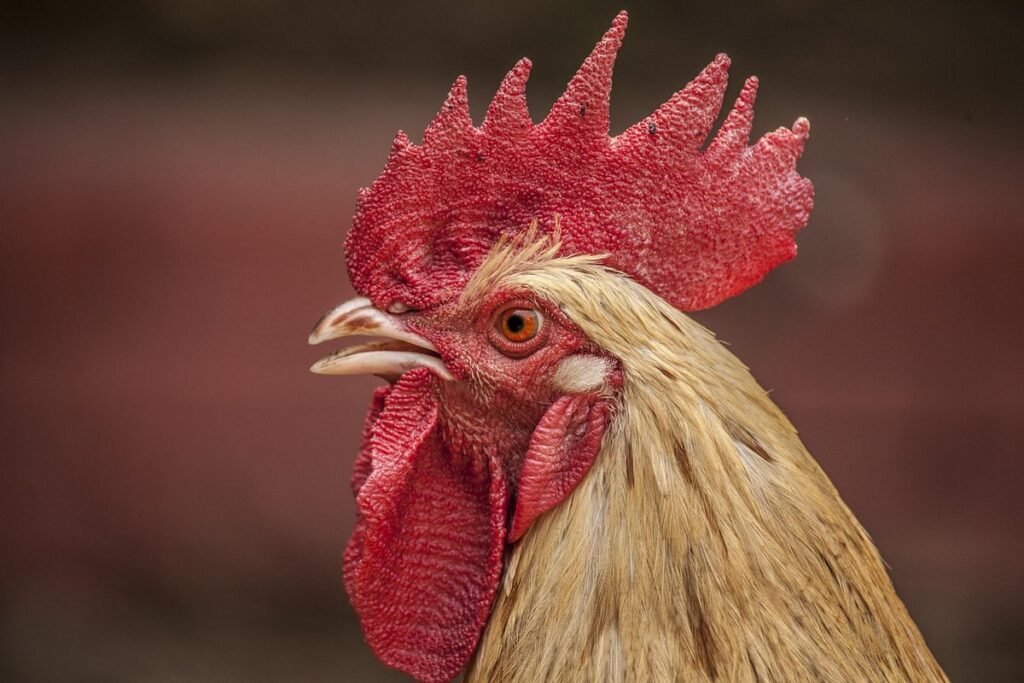
Understanding Chicken Combs and Wattles
Let’s take a closer look at chicken combs, which come in a variety of shapes and sizes, often indicating specific breed characteristics. We’ll examine their unique features.
Importance of Combs and Wattles in Chickens
Combs and wattles play a crucial role in regulating a chicken’s body temperature. These fleshy protrusions are responsible for dissipating excess heat from the bird’s bloodstream. In hot climates, chickens with large combs and wattles can experience heat stress more easily. However, their size also makes them more susceptible to frostbite in cold temperatures.
To maintain health, combs and wattles need regular attention. Farmers should trim them regularly to prevent matting and bacterial infections. Keeping the area clean and dry is essential to avoid fungal growth. It’s also vital to recognize signs of illness or injury, such as swelling, redness, or discharge.
Identifying different breeds can be made easier by observing their combs and wattles. For example, Leghorns typically have small, compact combs, while Orpingtons often sport large, fluffy ones. Brahma chickens are known for their prominent wattles. By paying attention to these characteristics, breeders and farmers can more easily distinguish between various chicken breeds.
Regular monitoring of combs and wattles will help you detect any potential health issues early on.
Anatomy of Chicken Combs and Wattles
A chicken’s comb and wattle may seem like mere ornaments, but they play a crucial role in regulating their body temperature. Let’s take a closer look at the anatomy of these fascinating features.
Combs are made up of loose skin that contains blood vessels, nerves, and connective tissue. The arteries and veins within the comb bring oxygen-rich blood to the surface, allowing for efficient heat dissipation. You can think of the comb as a radiator – it helps to cool down the chicken’s body by releasing excess heat into the environment.
The wattle, located under the beak, is also a network of blood vessels and nerves. Its primary function is to act as a shock absorber during feeding or when the chicken is agitated. The wattle can store energy from each heartbeat and release it gradually, helping to regulate the bird’s blood pressure.
In both combs and wattles, you’ll find connective tissue that provides support and flexibility to these structures. This type of tissue also allows for some give-and-take, enabling the comb and wattle to move freely with each breath or movement. By understanding this intricate anatomy, you can better appreciate the importance of maintaining healthy combs and wattles in your flock.
Common Types of Chicken Comb Shapes
When it comes to chicken comb shapes, you’ll find that many breeds fall into one of several common categories, each with its own unique characteristics. Let’s explore these types together!
Pea Comb Type
One of the most common and well-known types of chicken combs is the pea comb. As its name suggests, this type of comb gets its characteristic appearance from its small size and rounded shape. Unlike some other breeds that have more complex or layered combs, the pea comb typically features a single layer of blood vessels running along its surface.
This simplicity can make it less prone to issues like overheating or irritation, which are common problems associated with larger or more complicated comb types. However, because of their smaller size and relatively low profile, pea combs may be at greater risk for being overlooked when it comes to providing adequate protection from extreme temperatures or weather conditions.
In general, pea combs tend to be better suited to cooler climates where the risk of heat stress is lower. But if you’re considering raising chickens with this type of comb in a warmer environment, make sure to provide plenty of shade and ensure they have access to cool water at all times.
Rose Comb Type
Rose comb types are easily identifiable by their larger size and more complex structure compared to single or pea combs. One of the key features of rose combs is that they have multiple layers of blood vessels, which help to regulate body temperature efficiently. This unique design allows for better heat dissipation during hot summer months.
As a result, rose comb types tend to perform well in warmer climates and are often recommended for backyard chicken keepers living in regions with high temperatures. However, it’s essential to note that the larger size of the rose comb also makes it more susceptible to frostbite during cold winter months.
If you’re planning to raise chickens with a rose comb type, make sure to provide adequate protection from extreme weather conditions. This can be achieved by providing a warm and dry shelter for your birds or using specialized equipment such as heat lamps to maintain a comfortable temperature range.
Common Types of Chicken Wattle Shapes
There are several distinctive chicken wattle shapes, including pea comb, rose comb, and buttercup comb, each with its unique characteristics. Let’s explore some of these common types together.
Long Wattles
Long wattles are one of the most distinctive characteristics of certain chicken breeds. These long, hanging structures can be a key identifier when trying to determine a bird’s breed. One notable trait of long wattles is their length, which can vary significantly from breed to breed. For example, some breeds may have short, stubby wattles that barely reach the beak, while others will have long, floppy wattles that almost touch the ground.
In addition to length, long wattles are often quite flexible, allowing them to swing freely when a bird moves its head or neck. This flexibility is important for breeding purposes, as it can help breeders identify specific breeds more easily. For example, if you’re trying to determine whether your chicken is a Leghorn or an Orpington, the length and flexibility of its wattle can be a major clue.
When inspecting a bird’s wattles, look for the following characteristics: long, hanging structures that are flexible and moveable. If you notice a bird has these traits, it could indicate that it’s one of several breeds known for their long wattles, such as the Brahma or Cochin.
Short Wattles
When it comes to chicken wattle shapes, some breeds exhibit shorter, less flexible wattles that are worth noting. Short wattles, as their name suggests, are typically shorter in length compared to other types of wattles. This can make them appear more compact or streamlined, which may be desirable for certain breeds.
One key characteristic of short wattles is their reduced flexibility. Unlike longer wattles that tend to droop or flap when the chicken moves, short wattles remain relatively still. This can affect a breed’s overall appearance and may influence breeding decisions.
Some popular breeds that exhibit short wattles include the Silkies and Polish chickens. These birds often have shorter wattles due to their unique genetics and physical characteristics. While short wattles might not be as prominent as longer ones, they still serve an important purpose in helping the chicken regulate its body temperature.
When selecting a breed with short wattles, it’s essential to consider factors beyond just appearance. Breeders should evaluate the overall health and temperament of birds with this feature, ensuring they meet their needs for egg production or other purposes.
Rare and Unusual Chicken Comb and Wattle Types
Let’s dive into some of the rarest and most unique chicken comb and wattle types, featuring distinctive features that set them apart from more common varieties. These unusual combs come in a range of shapes and sizes.
Frill Comb Type
One of the most striking and unique comb types is the frill comb. Characterized by its distinctive frilly appearance, this type of comb is often associated with specific breeds, such as the Old English Game Fowl and some Asiatic varieties. The frill comb features a rooster-like shape, where loose skin hangs down from the neck, creating a showy display.
The unique characteristic of the frill comb lies in its ability to be highly variable among individuals within a breed. While some birds may have a more moderate frill, others can exhibit an extreme version, making each bird look truly one-of-a-kind. This variability adds to the charm and individuality of birds sporting this type of comb.
When it comes to caring for chickens with frill combs, it’s essential to ensure they receive proper airflow and protection from the elements. A well-ventilated coop or a shaded outdoor area can help prevent moisture buildup and irritation under the skin. By understanding the needs of your feathered friends, you can create an environment that allows them to thrive and show off their unique charm.
V-shaped Comb Type
The V-shaped comb type is one of the lesser-known and more unusual comb shapes found in chickens. Characterized by its distinctive, inverted “V” shape, this comb type can be a striking feature for some chicken breeds. However, it’s essential to note that V-shaped combs are sometimes associated with certain health issues due to their unique structure.
One key concern with V-shaped combs is the risk of sun damage and heat stress. The narrow, pointed shape of these combs makes them more susceptible to drying out in hot weather or under direct sunlight. This can lead to cracking and irritation, which may cause discomfort for the bird.
If you’re considering a chicken breed with a V-shaped comb, it’s crucial to provide extra care during warmer months or in areas with intense sunlight. This might involve providing additional shade, ventilation, or even protecting the comb area with a special balm or sunscreen specifically designed for poultry.
Breeds Associated with Specific Comb and Wattle Types
Some breeds are more likely to have certain comb and wattle types, such as Silkies and Polish chickens sporting pea combs. Let’s explore these breed-specific combinations next.
Orpingtons and Their Combs/Wattles
One breed that’s particularly notable for its comb and wattle characteristics is the Orpington. Originating from England in the late 19th century, this friendly and docile bird has become a popular choice among backyard chicken keepers.
Orpingtons are known for their large, feathery combs, which can be quite pronounced on males. These combs can reach impressive sizes, often extending several inches below the base of the neck. The wattle on Orpingtons is similarly substantial, with some birds sporting wattles that nearly match the size of their comb.
If you’re raising Orpingtons or any other breed with large combs and wattles, be mindful of temperature extremes. During hot weather, it’s essential to provide shade and ensure your birds have access to plenty of water. This is particularly crucial for preventing heat stress, which can be a major concern for birds with large combs.
In general, Orpingtons are a relatively healthy breed when it comes to their comb and wattle characteristics. However, as with any bird, regular monitoring of these areas will help you catch any potential health issues early on. Regular cleaning and inspection of the comb and wattles can also help prevent infections from taking hold.
Leghorns and Their Combs/Wattles
Leghorns are one of the most recognizable chicken breeds due to their unique comb and wattle characteristics. These birds have a rose-comb type, which is triangular in shape and has five distinct points. The comb’s color ranges from bright red to soft pink, depending on the individual bird’s genetics. In addition to the comb, Leghorns also feature a large, fleshy wattle that hangs below their beak. This wattle can be as long as 2-3 inches and is often a deep red or pink color.
When it comes to identifying Leghorns, pay attention to the size of their combs and wattles. Males tend to have larger combs and wattles than females, which are more moderate in size. If you’re raising Leghorns, it’s essential to keep an eye on these distinctive features to ensure they remain healthy. For example, a large or overgrown wattle can be prone to irritation and infection if not properly cared for.
In terms of health considerations, Leghorn combs and wattles are generally more susceptible to heat stress due to their size and coloration. Make sure your birds have access to plenty of shade and water during hot weather. Regular grooming is also essential to prevent irritation and promote overall well-being.
Health Implications of Chicken Comb and Wattle Conditions
Understanding the health implications of different comb and wattle types is crucial for keeping your flock healthy, from minor issues to more serious conditions that require veterinary attention.
Deformities and Abnormalities
When it comes to chicken combs and wattles, health implications can arise from various issues. One of the most concerning problems is deformities and abnormalities. These can be caused by genetic factors, environmental stressors, or even nutritional deficiencies.
Common examples of deformities include misshapen combs, overgrown wattles, and an irregular shape to the comb’s edges. Tumors can also develop on either the comb or wattle, which may cause swelling or discoloration. Infections such as conjunctivitis or dermatitis can also affect these sensitive areas.
It is essential for chicken owners to recognize signs of deformities or abnormalities early on and seek veterinary attention if needed. Some breeds are more prone to these issues than others, so being aware of the specific breed’s needs is crucial. For instance, keeping a clean coop and providing a balanced diet can go a long way in maintaining healthy combs and wattles.
Regular monitoring for signs of disease or deformity will help prevent complications.
Impact on Chicken Health and Behavior
When it comes to chicken health and behavior, the condition of their comb and wattles can play a significant role. A healthy comb and wattle are indicative of a bird’s overall well-being, serving as indicators of nutritional deficiencies, stress levels, and even disease susceptibility.
A dull or discolored comb can be a sign that your chicken is not receiving enough vitamin B6, which is essential for energy production and immune function. On the other hand, a healthy comb should be vibrant red and maintain its shape throughout the year. Similarly, wattles that are excessively long or droopy can cause discomfort to your bird, leading to stress and potentially even behavioral issues.
To ensure optimal health and behavior in your flock, monitor their comb and wattle conditions closely. Provide a balanced diet rich in vitamins and minerals, ensure access to fresh water and exercise, and maintain a clean living environment. Regularly inspecting your chickens’ combs and wattles can help you identify potential health issues before they become serious problems. By paying attention to these small details, you’ll be better equipped to keep your flock happy and healthy.
Conclusion: Choosing the Right Breed for You
When it comes to choosing a chicken breed, understanding their comb and wattle types is essential. This guide has walked you through various types of combs and wattles, highlighting their characteristics and purposes. Now that you’re more informed, you can start thinking about which breed would be the best fit for your backyard or farm. Consider factors like climate, purpose (meat, eggs, or pets), and desired size when selecting a breed. For example, if you live in a hot and humid region, a breed with a pea comb, such as the Leghorn or Rhode Island Red, might not be ideal due to their increased heat tolerance needs. Conversely, breeds with rose combs, like Orpingtons and Brahma, are well-suited for these climates. By understanding your specific needs and matching them with the right breed characteristics, you can create a harmonious and thriving flock.
Frequently Asked Questions
Can I influence the growth or development of my chicken’s comb and wattle?
While you can’t directly control the size or shape of your chicken’s comb and wattle, providing a balanced diet and optimal living conditions can support their overall health. Ensure access to fresh air, clean water, and a nutritious feed that meets their breed-specific needs.
How do I care for my chickens in extreme temperatures?
To keep your flock healthy in hot or cold climates, take steps to mitigate heat stress or frostbite. Provide shade structures for hot weather, ensure proper ventilation, and use windbreaks to protect from harsh winds. For cold temperatures, consider adding supplemental lighting, keeping coops well-insulated, and providing extra bedding material.
Can combs and wattles be a sign of health issues in chickens?
In some cases, yes. Excessive bleeding or irritation around the comb and wattle area can indicate underlying health problems such as respiratory infections or parasites. Monitor your flock closely for any unusual signs and consult a veterinarian if you notice anything concerning.
What’s the difference between a pea comb and a rose comb?
While both are popular types of chicken combs, they differ in their shape and size. Pea combs are small and rounded, typically found on bantam breeds or those with smaller body sizes. Rose combs, on the other hand, have a more pronounced, lobe-like structure often seen on larger breeds like Orpingtons.
Can I breed chickens with specific comb and wattle traits?
Breeding for specific characteristics can be complex and requires understanding of genetics. Start by selecting birds from known lines that exhibit the desired traits and work with experienced breeders to introduce these features into your flock.