
As a backyard chicken keeper or commercial poultry farmer, you’re probably no stranger to the importance of providing your chicks with a safe and healthy environment to grow. But did you know that adequate brooder space per bird is crucial for their development and your operational efficiency? Not only do local regulations require a minimum amount of space per chick, but industry guidelines also emphasize the need for optimal ventilation, sanitation, and predator protection. In this article, we’ll delve into the world of brooder design, exploring real-world case studies and expert recommendations to help you calculate and optimize chick brooder space per bird. By the end of this ultimate guide, you’ll be equipped with the knowledge to create a thriving and efficient poultry operation that prioritizes both animal welfare and business success.
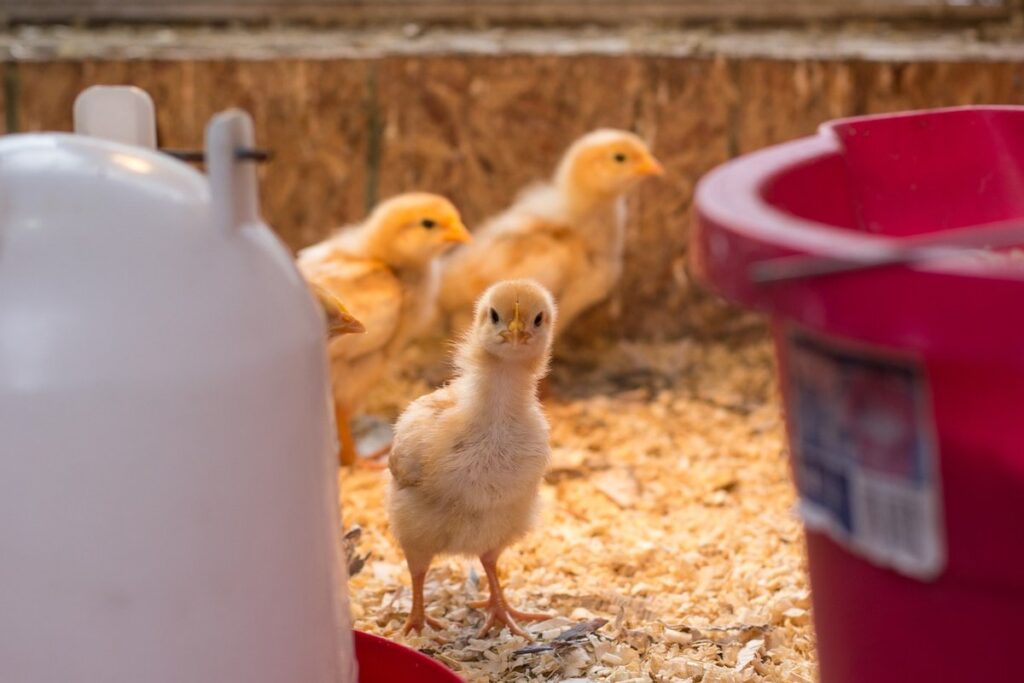
Importance of Adequate Brooder Space
When it comes to raising healthy chicks, providing enough space for them to grow and thrive is crucial. This section will explore why adequate brooder space per bird is essential for optimal growth and development.
Benefits of Proper Ventilation and Air Circulation
Providing enough space for air to circulate in a chick brooder is crucial for maintaining a healthy and thriving flock. When air can move freely through the brooder, it helps reduce the risk of disease transmission between birds. This is because many pathogens thrive in stagnant environments, whereas fresh air circulation inhibits their growth.
Adequate ventilation also leads to improved egg quality. Hens that are comfortable and not overheated or humid-stressed tend to lay larger eggs with thicker shells. On the other hand, inadequate brooder space can result in stress, leading to poor egg production and reduced fertility rates.
To achieve optimal air circulation, ensure there is sufficient clearance around nesting boxes and perches for birds to move freely. A good rule of thumb is to provide at least 2 square inches of space per bird for every inch of height in the brooder. This will not only promote airflow but also prevent overcrowding, which can lead to stress and disease susceptibility.
Common Mistakes to Avoid When Calculating Brooder Space
Calculating brooder space per bird can be a daunting task, especially for new chicken owners. One common mistake to avoid is underestimating the needs of your chicks. A general rule of thumb is to provide at least 2-4 square feet of space per chick, but this can vary depending on breed and age.
Ignoring local regulations is another critical error to steer clear of. Many municipalities have laws governing the number of chickens you can keep on a property, as well as minimum space requirements for chicken coops and runs. Failure to comply with these regulations can result in fines or even having to rehome your birds.
Don’t assume that a small brooder will be sufficient for a few chicks – it’s better to err on the side of caution and provide more space than you think is necessary. Overcrowding can lead to stress, disease, and even fatalities among your flock. Take the time to research local regulations and calculate the space needs of your specific breed to ensure a healthy and happy environment for your chicks.
Understanding Chick Development Stages
Understanding the different development stages of chicks is crucial when determining the ideal brooder space per bird. Let’s break down the key milestones that impact their growth and well-being in a confined environment.
From Hatching to Point-of-Lay: Age-Related Needs
As you care for your chicks from hatching to point-of-lay, it’s essential to understand their age-related needs and provide adequate space accordingly. The development stages of a chick can be broadly categorized into three phases: hatcher-to-weaner, grow-out, and point-of-lay.
From day one, newly hatched chicks require 1-2 square feet of space each in the brooder to ensure they have enough room to move around comfortably. As they grow and develop feathers, their needs change. Between 1-3 weeks old, also known as the weaner phase, chicks require about 3-4 square feet per bird. During this period, they begin to get more aggressive and assertive, so providing sufficient space is crucial.
As your birds enter the grow-out phase (around 4-6 weeks), they need around 5-6 square feet of space each to allow for ease of movement and comfort. Point-of-lay hens, which are approximately 18-20 weeks old, require about 7-8 square feet per bird.
Remember, these are general guidelines, and you should adjust the space according to your specific flock’s needs and breed characteristics. Always prioritize providing ample ventilation, temperature control, and a stress-free environment for optimal growth and health.
Nutritional Requirements at Each Stage
As chicks grow from hatching to point-of-lay, their nutritional requirements change significantly. This is crucial for brooder design, as it impacts the feeding systems and space allocation within the brooder.
At 0-4 days old, chicks need a high-protein diet (18-20% protein) to support rapid growth and development. They require frequent feedings to ensure they’re eating enough, but be cautious not to overfeed, as this can lead to digestive issues.
Between 5-8 weeks, protein levels decrease slightly (16-18%), while energy needs increase due to feathers starting to grow in. During this phase, chicks become more mobile and need space to move around safely.
At point-of-lay (around 18-20 weeks), chickens require a balanced diet with moderate protein (14-16%) and higher energy levels. They should have access to free-range areas or larger enclosures for exercise and exploration.
To accommodate changing nutritional needs, consider implementing multiple feeding systems in your brooder design, such as automated feeders and separate feeding areas for different age groups.
Calculating Chick Brooder Space Per Bird
To ensure you’re providing a safe and healthy environment for your chicks, it’s essential to calculate the ideal brooder space per bird accurately. Let’s break down how to do this calculation effectively.
Basic Formula for Determining Space Needs
When it comes to determining the ideal chick brooder space per bird, using a standard formula is essential. The most widely accepted formula takes into account factors such as age, breed, and expected growth rates. To calculate the required space per bird, you’ll need to consider the following variables:
* Age of the chicks: Chicks require more space per bird in the first few weeks after hatching. For example, starter chicks (0-4 weeks old) require around 1/2 square foot of brooder space each.
* Breed size: Larger breeds require more space than smaller ones. As a general rule, larger breeds need about 30% to 50% more space per bird.
* Expected growth rates: Chickens grow at different rates depending on breed and sex. Fast-growing breeds like Cornish Cross can reach maturity in as little as 5-6 weeks, while slower-growing heritage breeds may take up to 20 weeks.
To give you a better idea of the required space per bird, consider this example: for every 10 starter chicks, you’ll need around 5 square feet of brooder space. As the birds grow and mature, you can gradually increase the space allocated per bird to about 2-3 square feet per adult.
Factors Influencing Brooder Size Requirements
When calculating chick brooder space per bird, several factors can influence the required size of the brooder. Climate is a significant factor to consider, as extreme temperatures can impact ventilation and heat stress on birds. In hot climates, it’s essential to provide more shade and ventilation to prevent heat-related issues, which may require larger brooders or additional cooling systems.
Litter type also plays a crucial role in determining brooder size needs. For example, if you’re using a deep litter system, which absorbs ammonia more efficiently than traditional litter, you can safely reduce the brooder’s size due to reduced moisture levels and lower ammonia production.
Management practices are another critical aspect to consider when choosing the right brooder size. If you plan to implement advanced systems like automatic feeders or waterers, or if you’ll be integrating technology for monitoring temperature and humidity levels, these factors can also impact your minimum brooder requirements.
Brooder Design Considerations for Optimal Space Use
When designing a chick brooder, it’s crucial to consider the space requirements to ensure your chicks have enough room to grow and thrive comfortably. This section breaks down key design factors for optimal use of available space.
Vertical vs. Horizontal Space Allocation
When it comes to designing an optimal chick brooder, space allocation is crucial for ensuring the health and well-being of the chicks. Two popular approaches to allocating space are vertical and horizontal arrangements. While both methods have their advantages, they also come with some disadvantages.
Vertical space allocation involves stacking layers or nesting boxes on top of each other, often attached to the sides or back of the brooder. This approach allows for more floor space per bird, which can be beneficial in small areas or when working with a large number of chicks. However, it may compromise ventilation and make cleaning more challenging.
Horizontal arrangements, on the other hand, provide ample floor space for each chick but often require larger overall dimensions for the brooder. This approach is ideal for breeds that prefer to roam freely or for those who prioritize easy maintenance.
Ultimately, the choice between vertical and horizontal space allocation depends on your specific needs, available resources, and breed requirements. Consider factors such as growth rates, activity levels, and ease of cleaning when deciding which method best suits your operation.
Incorporating Equipment for Efficient Resource Use
When designing an efficient chick brood, incorporating specific equipment can significantly optimize space use while reducing labor demands. One effective way to do this is by installing nesting boxes and roosts that allow birds to perform essential activities without cluttering the main area.
Nesting boxes should be spacious enough for hens to comfortably lay eggs without feeling cramped. A good rule of thumb is to provide a minimum of 2-3 nesting boxes per 10-15 birds, depending on breed size and density. This setup not only saves space but also reduces competition among birds, minimizing the risk of egg breakage.
Roosts should be sturdy and elevated enough for birds to comfortably roost without touching the ground or each other’s backsides. A general guideline is to provide 6-8 square inches of vertical roosting space per bird, allowing them to stretch out comfortably during rest periods. This setup promotes better ventilation and minimizes litter accumulation.
By incorporating these essential features into your brooder design, you can create a more efficient, streamlined environment that optimizes resource use while reducing labor demands on the farmer or caregiver.
Local Regulations and Industry Standards
As you consider setting up a chick brooder, it’s essential to familiarize yourself with local regulations and industry standards that dictate minimum space requirements for chicks. These guidelines can vary significantly from one region to another.
Overview of Local Ordinances Governing Brooder Space
Local ordinances and regulations play a significant role in governing chick brooder space per bird. As a backyard chicken keeper, it’s essential to understand these requirements to ensure compliance and avoid potential issues with local authorities.
The specific requirements for brooder space vary depending on the region or municipality. For instance, some areas have stricter rules regarding maximum number of birds allowed per square foot of indoor space, while others may focus on ventilation and sanitation standards.
In California, for example, the Department of Food and Agriculture requires a minimum of 3.5 square feet of floor space per bird in enclosed spaces, whereas Oregon mandates at least 4 square feet of space per bird. It’s crucial to familiarize yourself with local regulations by contacting your state or county agricultural extension office.
When evaluating your area’s ordinances, consider the following:
* Check the maximum number of birds allowed per square foot of indoor and outdoor space
* Review ventilation and sanitation standards for enclosed spaces
* Ensure compliance with zoning laws and building codes
* Consider consulting with local authorities to clarify any ambiguities or specific requirements
Industry Guidelines for Optimal Space Allocation
When it comes to ensuring the health and well-being of young chicks, industry guidelines for optimal brooder space allocation play a crucial role. To achieve this, leading poultry organizations such as the National Chicken Council (NCC) and the United States Poultry & Egg Association (USPOULTRY) have established benchmark recommendations.
The NCC suggests allocating at least 2-3 square feet of space per chick up to 4 weeks old, increasing to 5-6 square feet for chicks older than 4 weeks. The USPOULTRY recommends a minimum of 1.75 square feet per chick for the first 4 weeks, expanding to 2.25 square feet after that.
For small-scale and backyard poultry keepers, it’s essential to note that these guidelines are often based on larger commercial operations. However, adhering to these standards will help ensure the health and safety of your flock. Consider increasing space allocations for breeds known to require more room or for flocks with specific management requirements.
When planning your brooder setup, remember to also consider factors like ventilation, lighting, and access to food and water when determining the optimal space allocation per bird.
Case Studies: Real-World Examples of Efficient Brooder Design
Let’s dive into some real-world examples that will help you visualize what an efficient brooder design looks like in practice, and how it can be implemented on your own farm. Here are four case studies to inspire and inform your decisions.
Successful Implementations and Lessons Learned
Here are some real-world examples of successful brooder designs that demonstrate the benefits of efficient space use and optimal resource allocation.
In a study conducted by the University of Wisconsin-Madison, a poultry farm successfully implemented a vertical brooder design with 12 inches per bird. The results showed a significant reduction in mortality rates from 10% to 2%, attributed to improved ventilation and reduced disease transmission. By maximizing space use, the farm was able to increase production capacity by 25%.
Another example is the use of automated feeding systems that allow for precise feed allocation, reducing waste and optimizing resource distribution. This approach was implemented at a large-scale commercial farm in the United States, resulting in a 15% reduction in feed costs.
These case studies demonstrate the importance of considering space efficiency and resource optimization when designing brooders. By incorporating such features as vertical layouts, automated feeding systems, and optimal resource allocation, farmers can achieve improved production outcomes, increased efficiency, and enhanced animal welfare.
Challenges Encountered and Strategies for Overcoming Them
Implementing efficient brooder designs can be challenging due to various reasons. One common issue is inadequate ventilation leading to heat stress and ammonia buildup. This can be overcome by ensuring adequate airflow through proper placement of vents and doors, as well as maintaining a cleanliness routine that includes regular litter changes.
Another challenge encountered is overcrowding, which increases the risk of disease transmission and reduces growth rates. To combat this, ensure you’re following recommended space per bird guidelines, such as 0.15 square meters or more, depending on breed type and management practices. For example, the US Department of Agriculture recommends a minimum of 0.19 square meters for meat-type chickens.
Additionally, some farmers struggle with high initial investment costs associated with efficient brooder design. However, consider that these expenses are often offset by increased productivity and reduced waste over time. To reduce costs, explore options such as repurposing existing infrastructure or utilizing locally-sourced materials for construction.
Frequently Asked Questions
What are some common mistakes to avoid when calculating brooder space per bird?
When calculating chick brooder space, don’t forget to account for the birds’ growth rates and expected adult sizes. Failing to do so can lead to overcrowding, reduced air circulation, and increased disease transmission risks. A general rule of thumb is to plan for a minimum of 1-2 square feet per bird at hatching, increasing to 3-4 square feet by point-of-lay.
Can I use vertical space in my brooder design to maximize floor area?
Yes! Incorporating vertical elements like shelves or nest boxes can help optimize your brooder’s layout while maintaining adequate air circulation and reducing the risk of disease transmission. When designing vertical space, consider factors such as accessibility for cleaning and maintenance, as well as predator protection.
How do I ensure optimal ventilation in my brooder during extreme weather conditions?
To maintain proper ventilation during hot or cold weather, ensure that your brooder has adequate airflow features, such as windows, vents, or automatic ventilation systems. Consider using temperature-controlled brooders to regulate internal temperatures and reduce the need for manual adjustments.
What are some industry standards I should follow when designing my chick brooder?
Industry guidelines recommend a minimum of 1 square foot per bird at hatching, with a maximum occupancy rate of 50 birds per 100 square feet. Additionally, consider incorporating features like nesting boxes (one per 5-7 birds), roosting bars, and adequate lighting to promote healthy growth and development.
How often should I clean my brooder to prevent disease transmission?
To maintain a healthy flock, it’s essential to regularly clean your brooder. A good rule of thumb is to change bedding completely every week or two, with daily spot cleaning as needed. Additionally, disinfect all surfaces after each cleaning cycle to reduce bacterial and fungal growth risks.