
When it comes to determining the sex of your birds, you have two primary techniques at your disposal: feather sexing and vent sexing. While both methods have their own set of benefits and drawbacks, understanding the differences between them is crucial for responsible bird ownership. Accurate sexing can make a significant difference in caring for your flock, from nutrition to housing arrangements.
In this article, we’ll delve into the world of sexing techniques, exploring the accuracy rates, time and cost considerations, and best practices for each method. We’ll discuss the limitations and advantages of feather sexing versus vent sexing, helping you make an informed decision about which approach suits your needs. By the end of this guide, you’ll be equipped with the knowledge to confidently determine the sex of your birds using one or both techniques.
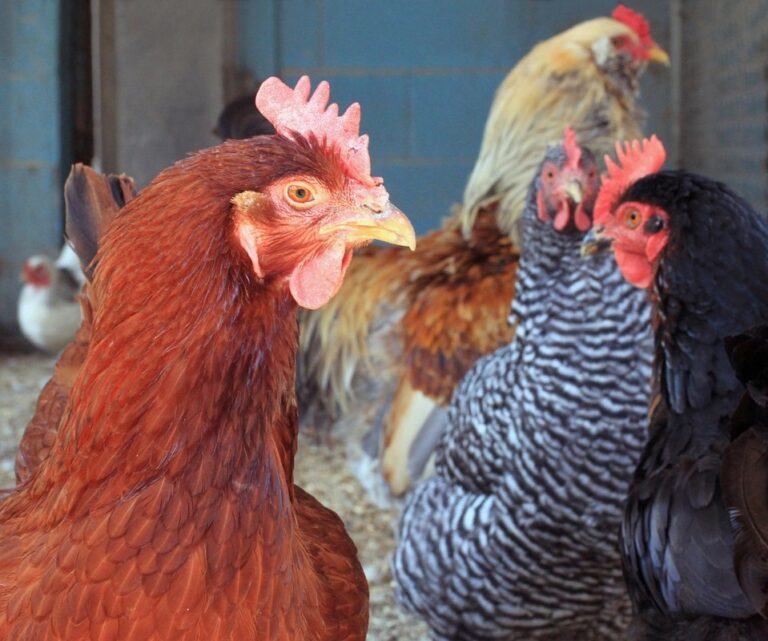
What is Feather Sexing and How Does it Work?
Feather sexing involves analyzing the color, pattern, and shape of a bird’s feathers to determine its sex, which can be an accurate method but requires expertise. Let’s dive into how it works!
Benefits of Feather Sexing
Feather sexing has gained popularity among poultry enthusiasts due to its numerous benefits. For one, it’s incredibly accurate, with a success rate of up to 98% for determining the sex of chicks at hatch. This accuracy is particularly important for breeders who want to ensure they’re working with high-quality birds. Feather sexing also saves time and energy compared to vent sexing, which can be a lengthy process.
Another significant advantage of feather sexing is its non-invasive nature. Unlike vent sexing, which requires handling the bird’s reproductive organs, feather sexing doesn’t cause any harm or discomfort to the chick. This makes it an ideal choice for backyard chicken keepers who want to prioritize their birds’ welfare. Additionally, feather sexing allows breeders to make informed decisions about their flock without having to rely on guesswork or inexperienced hands. With its high accuracy and gentle approach, it’s no wonder that many poultry enthusiasts are turning to feather sexing as a preferred method for determining chick sex.
Limitations of Feather Sexing
While feather sexing can be an effective method for determining the sex of birds, it’s not without its limitations. One major limitation is that certain breeds are more challenging to accurately determine using this method. For instance, some breeds like Silkies and Polish have feathers that cover most of their vent area, making it difficult for even experienced sexers to identify their sex. Young birds, too, can be tricky to sex through feather analysis alone.
Another potential issue with feather sexing is the risk of bias creeping in during the process. This could be due to personal experience, training, or even cultural influences. Inexperienced sexers may rely on visual cues that are not always reliable, leading to incorrect conclusions. To minimize this risk, it’s essential for breeders and owners to work with experienced and trained sexers who can provide accurate results.
In cases where accuracy is critical, vent sexing often proves to be a more reliable option. By understanding the limitations of feather sexing, you can make informed decisions about which method best suits your needs.
What is Vent Sexing and How Does it Work?
Vent sexing is a method of determining a bird’s sex without plucking its feathers, making it a more appealing option for breeders. Let’s dive into how it works and what you need to know.
Benefits of Vent Sexing
Vent sexing offers several benefits that make it an attractive option for breeders and enthusiasts. One of its greatest advantages is its accuracy, particularly when it comes to certain breeds such as turkeys, quail, and partridges. Vent sexing can detect the presence or absence of testes in male birds as early as 16-20 weeks of age, making it a valuable tool for determining sex at a younger age.
This increased accuracy is crucial for maintaining genetic diversity within flocks. By identifying sex earlier on, breeders can make informed decisions about their breeding programs, ensuring that they are not inadvertently perpetuating inbreeding or reducing the gene pool. This, in turn, helps to preserve the integrity of specific breeds and promotes healthier populations.
As a result, vent sexing plays a vital role in maintaining genetic diversity, which is essential for the long-term sustainability of any breed. By choosing vent sexing over other methods, you can take a proactive approach to managing your flock’s genetics and ensuring that it remains healthy and thriving for generations to come.
Risks and Complications Associated with Vent Sexing
Vent sexing can be a reliable method for determining the sex of birds, but like any medical procedure, it comes with its share of risks and complications. One of the most significant concerns is bleeding, which can occur due to the incision made in the vent area. This can lead to blood loss, shock, and even death if not addressed promptly.
Infection is another potential complication associated with vent sexing. Since the procedure involves making an incision in the bird’s skin, there’s a risk of introducing bacteria into the wound, leading to infections that can be difficult to treat. Stress on the bird is also a significant concern, as any medical procedure can cause anxiety and discomfort for the animal.
To minimize these risks, it’s essential to have the vent sexing procedure performed by an experienced veterinarian who uses proper sterilization techniques and takes necessary precautions to prevent bleeding and infection. Even with proper care, however, there’s always some level of risk involved, making it crucial to weigh the benefits against the potential drawbacks before deciding on vent sexing as a method for determining the sex of your bird.
Comparison of Feather Sexing and Vent Sexing Techniques
Now that we’ve explored the basics of both feather sexing and vent sexing, let’s dive into a comparison of these two techniques to help you decide which one is right for your flock.
Accuracy Rates: A Comparative Analysis
When it comes to accuracy rates, both feather sexing and vent sexing techniques have been extensively studied. Research suggests that vent sexing has a significantly higher accuracy rate compared to feather sexing. A study published in the Journal of Avian Medicine and Surgery found that vent sexing had an accuracy rate of 98.4%, whereas feather sexing had an accuracy rate of 84.2%. Another study conducted by the University of California, Davis, reported similar results, with vent sexing achieving an accuracy rate of 95.6% compared to feather sexing’s 83.1%.
The higher accuracy rate of vent sexing can be attributed to several factors. For one, it allows for a more precise examination of the reproductive organs, reducing the likelihood of misidentification. Additionally, vent sexing is often performed by experienced professionals who have undergone extensive training, further contributing to its high accuracy rate.
While feather sexing may not match the accuracy of vent sexing, it still offers a relatively reliable method for determining an animal’s sex. However, individuals considering this technique should be aware of its limitations and potential for error. To ensure the most accurate results with feather sexing, it is essential to consult with experienced professionals who can provide guidance on proper technique and interpretation of sexing characteristics.
Time and Cost Considerations
When it comes to choosing between feather sexing and vent sexing techniques for your poultry flock, understanding the time and cost implications of each method is crucial. Vent sexing, also known as abdominal sexing, requires a significant amount of labor, especially during peak breeding seasons. Experienced vent sexers can perform around 20-30 chicks per hour, but this number can dwindle with less experienced individuals or when dealing with larger flocks.
On the other hand, accurate feather sexing demands specialized equipment such as high-resolution cameras and software to analyze plumage characteristics. While this method is more efficient in terms of time, it comes at a higher upfront cost for purchasing the necessary gear. Moreover, feather sexing requires expertise in recognizing subtle differences between male and female plumage patterns. For breeders with smaller operations or limited resources, vent sexing might be a more viable option.
In terms of equipment needed for accurate feather sexing, invest in high-quality cameras with good lighting conditions to capture clear images of the bird’s feathers. Additionally, consider software specifically designed for feather sexing that can help streamline the process and reduce human error.
Best Practices for Determining Sex in Birds
When it comes to sexing birds, accuracy is key. To determine the sex of your feathered friends accurately and safely, follow these best practices for identifying male and female characteristics.
Factors to Consider Before Choosing a Method
When deciding between feather sexing and vent sexing, there are several key factors to consider. The first consideration is the breed type of the bird. Some breeds, such as budgies and cockatiels, can be easily sexed through visual examination, while others, like parrots and macaws, may require a more invasive method.
Another important factor is the age of the bird. Young birds, particularly those under 6 months old, are not always easy to sex accurately through feather sexing due to their immature plumage. In these cases, vent sexing may be a better option.
Additionally, individual circumstances can also play a significant role in deciding between the two methods. For example, if you’re dealing with a rare or hybrid bird species, feather sexing may not be effective, and vent sexing may be necessary. Moreover, if you have limited experience or access to equipment for vent sexing, feather sexing could be a more feasible option.
Ultimately, it’s essential to consider these factors and choose the method that best suits your needs and expertise when determining the sex of your bird.
Training and Experience: Who Should Perform Each Technique?
Determining sex in birds requires more than just knowledge of the techniques; it also demands proper training and experience to execute them accurately. As a bird breeder or enthusiast, you must understand which technique is best suited for specific situations or individuals.
When it comes to feather sexing, experienced breeders often prefer this method due to its non-invasive nature. However, it requires extensive knowledge of avian morphology and plumage characteristics unique to each species. Beginners might find it challenging to identify subtle differences in feather structure and coloration, which can lead to misidentification.
Vent sexing, on the other hand, is typically performed by trained professionals with experience in handling birds and recognizing internal anatomy. It involves a more invasive procedure that requires precision and skill to avoid injury or stress to the bird. As such, vent sexing should only be performed by those who have received proper training and have hands-on experience.
Ultimately, it’s crucial to recognize your own limitations and seek guidance from experienced professionals when determining sex in birds. By doing so, you’ll not only ensure accurate results but also promote the well-being of these magnificent creatures.
Industry Standards and Regulations
To ensure you’re making informed decisions, it’s essential to understand the industry standards and regulations that govern the practices of feather sexing and vent sexing. These guidelines impact how breeders operate their businesses.
Current Practices and Guidelines
Industry organizations and experts have established guidelines for sexing chicks to ensure consistency and accuracy. The American Bantam Association (ABA) recommends vent sexing for breeds with small vents, as it is a more reliable method. However, the ABA also suggests that feather sexing can be used for larger breeds. The United States Poultry and Egg Association (USPOULTRY) emphasizes the importance of proper training and experience when performing both methods.
It’s essential to follow these guidelines to minimize errors and ensure the health and well-being of the birds. For example, improper handling or stress during vent sexing can lead to injury or even death for the chick. To avoid this, it’s crucial to follow established protocols for restraint and care during the process. When selecting a method, consider factors such as breed, age, and individual bird characteristics. By understanding these guidelines, you can make informed decisions about which sexing method is best suited for your needs.
Future Directions and Research Opportunities
As we delve into the world of sexing poultry, it’s essential to consider the future directions and research opportunities that can improve accuracy, efficiency, and safety of both feather sexing and vent sexing methods. One area of focus is developing more robust genetic markers that can accurately identify sex at a younger age. This would enable breeders to make informed decisions earlier on in the production process, reducing the need for invasive procedures.
Another promising avenue is exploring non-invasive sexing techniques such as feather sampling or DNA analysis. These methods have shown potential in other species and could provide a more humane alternative to vent sexing. Researchers are also investigating the use of artificial intelligence and machine learning algorithms to improve the accuracy of sexing, particularly for rare breeds.
Moreover, there’s a need for standardized protocols and guidelines for both feather sexing and vent sexing methods to ensure consistency and reliability across different labs and breeders. By investing in research and development, we can create more efficient, accurate, and humane sexing practices that benefit the poultry industry as a whole.
Frequently Asked Questions
Can I use feather sexing for all bird species, or are there limitations?
Concise, valuable answer…
Feather sexing is primarily used for game birds, waterfowl, and some domesticated breeds like chickens. However, its accuracy may vary depending on the species’ genetic characteristics. For example, sexing certain poultry species can be more challenging due to their similar feather patterns or coloration. Consult with a veterinarian or experienced breeder to determine the best sexing method for your specific bird species.
How accurate is vent sexing compared to feather sexing?
Concise, valuable answer…
Vent sexing has an accuracy rate of around 90%, significantly lower than feather sexing’s 98% success rate. However, it’s essential to note that both methods have their strengths and weaknesses. Vent sexing might be more feasible for beginners or when working with species where feather sexing is less reliable.
What should I do if I’m unsure about the sex of my birds using either method?
Concise, valuable answer…
If you’re uncertain after sexing your birds, consider consulting a veterinarian or experienced breeder for guidance. They can provide additional advice on how to verify the sex or even perform a second check-up at a later stage.
Can I learn feather sexing and vent sexing on my own, or do I need professional training?
Concise, valuable answer…
While it’s possible to find resources online for both techniques, accurate sexing requires practice and hands-on experience. For optimal results, consider attending workshops or seeking guidance from experienced professionals in the field.
How can I integrate feather sexing and vent sexing into my breeding program effectively?
Concise, valuable answer…
To maximize accuracy, use a combination of both methods: begin with vent sexing for initial assessment and follow up with feather sexing for confirmation. This dual approach ensures you’re working with the highest quality birds while minimizing errors in sex determination.