
As any chicken keeper knows, accidents can happen even in the best-managed coops. A minor cut or injury can quickly escalate into something serious if not treated promptly and properly. That’s why having a comprehensive coop first aid kit on hand is essential for ensuring the health and well-being of your feathered friends. In this article, we’ll walk you through creating a must-have kit that covers all the essentials for treating common chicken injuries and illnesses. We’ll also share some valuable care tips to help prevent problems from arising in the first place. By the end of this guide, you’ll be confident in your ability to provide top-notch care for your chickens, no matter what comes their way. With a well-stocked coop first aid kit, you can rest assured that your girls will receive the best possible treatment when they need it most.
Importance of a Coop First Aid Kit
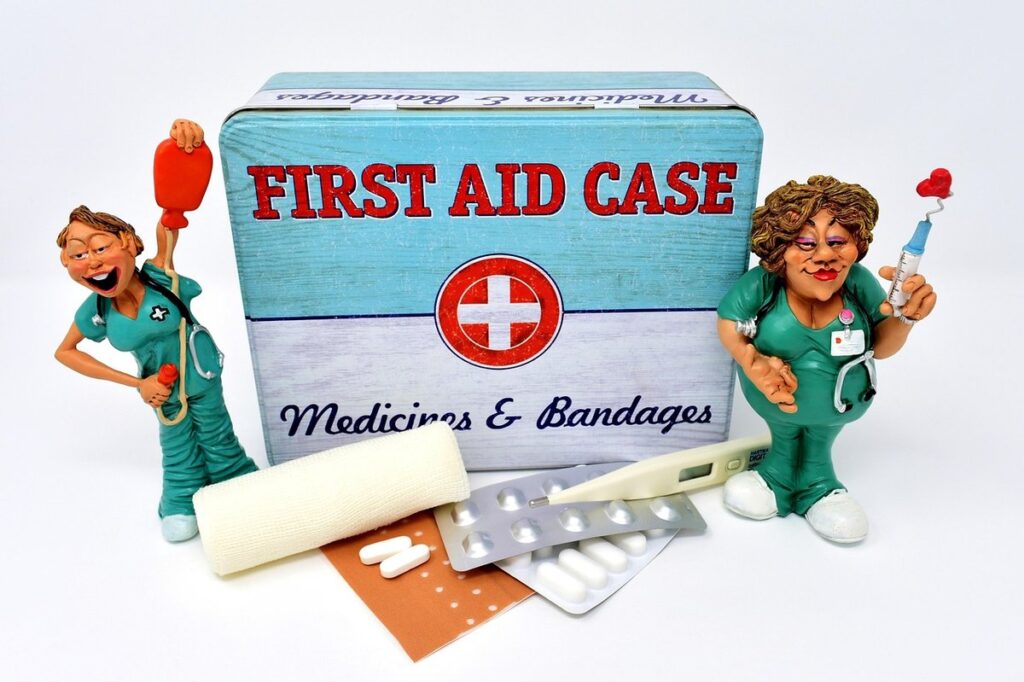
When it comes to keeping your feathered friends safe, having the right first aid supplies on hand is crucial. This essential kit will help you respond to common injuries and illnesses in your flock.
What to Consider When Assembling Your Kit
When assembling your coop first aid kit, it’s essential to consider what items will provide immediate relief and treatment for common chicken health issues. Start by stocking up on basic wound care supplies like bandages, antiseptic wipes, and antibiotic ointment. Tweezers come in handy for removing ticks or debris from wounds.
Don’t forget to include a thermometer to monitor your flock’s temperature and detect potential heat stress. You’ll also want to have a small flashlight handy to examine injuries without startling your birds. Additionally, keep a few non-slip gloves on hand to handle injured chickens safely.
Other essentials to consider are saline solution for flushing out wounds, eye drops for soothing irritated eyes, and a syringe or dropper for administering medication. Consider your region’s climate and potential health concerns when selecting items for your kit. For example, if you live in an area prone to tick-borne illnesses, be sure to include tick removal tools.
Remember to check the expiration dates of any medications or supplies and replace them as needed.
Prioritizing Chick Health and Safety
When it comes to raising happy and healthy chickens, prioritizing their health and safety is crucial. A well-stocked first aid kit can be a game-changer in preventing common health issues in your flock.
Regular inspections of your coop and run are essential in identifying potential hazards before they become serious problems. Keep an eye out for signs of mites, lice, or other parasites that can cause stress and discomfort to your chickens. A regular cleaning schedule can help prevent the buildup of bacteria and germs that can lead to illnesses.
Some common health issues that can be prevented with a well-maintained coop include respiratory problems, fungal infections, and metabolic bone disease. By keeping your coop clean, providing adequate ventilation, and ensuring access to fresh water and nutritious food, you can significantly reduce the risk of these conditions affecting your flock.
Make it a habit to check on your chickens daily for any signs of illness or injury, such as lethargy, loss of appetite, or changes in droppings. With a proactive approach to coop maintenance and health monitoring, you can create a safe and healthy environment for your feathered friends to thrive in.
Essential Items for Your Coop First Aid Kit
When it comes to a coop first aid kit, there are certain essential items you’ll want to stock up on to keep your flock healthy and happy. Let’s take a look at the must-haves for your coop first aid kit.
Bandaging and Wound Care
When it comes to treating injuries and managing wounds in your flock, having the right bandaging and wound care supplies is crucial. A well-stocked coop first aid kit should include a variety of bandages to suit different situations. You’ll want to have cloth bandages for minor cuts and scrapes, as well as gauze pads and rolls for more extensive wounds.
Antibiotic ointment is also essential for preventing infection and promoting healing. Apply a thin layer directly to the affected area to help combat bacteria and other pathogens. Additionally, consider including antiseptic wipes or spray in your kit to clean and disinfect wounds before applying bandages.
When treating wounds, it’s essential to keep them clean and dry to prevent bacterial growth. Remove any loose dirt or debris with gentle soap and water, then apply a bandage to protect the area from further irritation. Remember to check on your birds regularly to ensure the wound is healing properly, and seek veterinary attention if you notice any signs of infection or complications.
Medical Supplies for Common Chicken Injuries
When it comes to treating common chicken injuries, having the right medical supplies on hand is crucial. Cuts and scratches are among the most frequent issues you’ll encounter, especially if you have a flock of active chickens. For minor cuts, you’ll need a gentle antiseptic wipe or spray to clean the wound, followed by antibiotic ointment to prevent infection. A bandage or dressing can then be applied to keep the area clean and promote healing.
More serious injuries, such as broken wings or legs, require more extensive care. In these cases, a sturdy splint or support will be necessary to immobilize the affected limb and allow it to heal properly. You may also need some pain relief medication specifically designed for chickens, under the guidance of a veterinarian, of course.
It’s essential to keep in mind that prevention is often the best medicine. Regular coop checks can help identify potential hazards and prevent injuries from occurring in the first place.
Managing Common Health Issues in Chickens
When it comes to tending to your flock, knowing how to manage common health issues is crucial. Let’s explore ways to care for chickens with respiratory problems and mites.
Respiratory Problems and Pneumonia
Respiratory problems and pneumonia are common health issues that can affect chickens in backyard flocks. Identifying the symptoms early on is crucial to prevent the condition from escalating. Keep an eye out for labored breathing, wheezing sounds, coughing, and nasal discharge.
These respiratory issues can be caused by a combination of factors such as poor ventilation, inadequate nutrition, stress, and exposure to disease-causing pathogens. For instance, Mycoplasma gallisepticum is a common bacterium that can cause chronic respiratory infections in chickens.
To treat respiratory problems and pneumonia, provide a warm, humid environment with plenty of fresh air circulation. Administer antibiotics as prescribed by a veterinarian to combat bacterial infections. Supportive care includes offering nutritious feed rich in vitamins A and E to boost the immune system.
In addition to medical treatment, maintain good hygiene practices such as disinfecting equipment and providing clean water and bedding. Monitor your flock regularly for signs of illness, and isolate affected birds to prevent the spread of disease.
Intestinal Worms and Parasites
When it comes to maintaining a healthy flock, managing intestinal worms and parasites is crucial. These unwanted guests can cause weight loss, lethargy, and even death if left unchecked. So, how do you identify and tackle this issue?
Symptoms of infestation include bloody droppings, mucus in the vent area, or an increase in dust bathing behavior. Regular fecal exams will help you detect worms early on. If you suspect a problem, collect a fresh dropping sample from each bird and submit it to your veterinarian for analysis.
To manage intestinal worms, introduce diatomaceous earth (DE) into their feed at a rate of 1-2% of their diet. DE is a natural substance that dehydrates worms, causing them to die. Rotate between different types of DE every few months to prevent resistance. Additionally, maintain good coop hygiene by regularly cleaning the coop and removing any feces or debris.
Keep an eye out for signs of re-infestation, as worms can be brought back into your flock through contaminated feed, water, or even on your own clothing. Stay vigilant, and with these preventative measures in place, you’ll be well-equipped to tackle any intestinal worm issues that arise.
Emergency Preparedness and First Aid Techniques
In the event of an emergency, knowing what to do is crucial for your flock’s well-being. This section covers essential first aid techniques and supplies you’ll need to keep in your coop.
Recognizing Signs of Distress or Injury
Recognizing signs of distress or injury in chickens is crucial to prevent further harm and ensure their recovery. Keep an eye out for labored breathing, which can be a sign of respiratory problems such as pneumonia or bronchitis. This may manifest as rapid breathing, wheezing, or a gurgling sound coming from the beak.
Other signs of distress include:
• Lethargy or depression: Chickens that are normally active and social but become withdrawn or inactive
• Changes in appetite or water intake: A decrease or increase in food and water consumption can indicate illness or injury
• Discharge or swelling around the eyes, nostrils, or vent: Pus-filled discharge, redness, or swelling around these areas can be signs of infection
If you notice any of these symptoms, it’s essential to intervene promptly. Check for external injuries such as cuts, scratches, or broken wings. If your chickens are experiencing labored breathing or any other severe symptoms, seek veterinary attention immediately.
Basic First Aid Techniques for Chickens
When an emergency arises in the coop, knowing basic first aid techniques can make all the difference. One of the most common injuries you’ll encounter is a broken wing. If this happens, it’s essential to wrap the wing gently but securely with a clean towel or cloth to prevent further injury and promote healing. Start by folding the wing against the body, then wrap the towel around it, applying gentle pressure.
To stop bleeding from minor cuts or scratches, apply firm pressure using a clean cloth or gauze for several minutes. Elevate the affected area if possible to reduce swelling. For more severe injuries, such as deep lacerations or fractures, seek immediate veterinary attention.
It’s also crucial to know how to safely handle your chickens when they’re injured. Approach them calmly and carefully, avoiding sudden movements that may exacerbate the injury. Keep in mind that chickens can be stressed by their environment, so a clean and well-maintained coop is vital for preventing health issues and promoting overall well-being.
In addition to these basic techniques, it’s essential to have a well-stocked first aid kit on hand, which we’ll discuss in more detail later. By knowing how to respond to common injuries and having the right equipment readily available, you can provide your flock with the best possible care when they need it most.
Tips and Precautions for Maintaining Your Coop’s Health
When it comes to keeping your coop in top condition, preventing health issues is just as important as treating them. Regular maintenance will help you catch potential problems before they become major concerns.
Biosecurity Measures for Preventing Disease Spread
Maintaining biosecurity measures is crucial to preventing disease spread within your coop. This involves regular cleaning and disinfection of the coop’s surfaces, including walls, floors, and equipment. Remove all waste and debris daily, and thoroughly clean feeders, waterers, and nesting boxes weekly.
Proper waste disposal is also essential in maintaining a healthy coop environment. Ensure you have a designated area for disposing of manure and other waste, and never mix it with household trash or compost. Regularly inspect your coop’s ventilation system to ensure it’s working efficiently and consider installing UV filters to reduce bacteria and fungal growth.
To further enhance biosecurity, isolate new birds from the existing flock during acclimation to prevent potential disease transmission. Implement a strict cleaning schedule and designate specific areas for handling feed, medications, and supplies to minimize cross-contamination.
By adhering to these biosecurity measures, you’ll significantly reduce the risk of disease spread within your coop and keep your feathered friends healthy and thriving.
Monitoring Flock Health Regularly
Regular monitoring of your flock’s health is crucial to identify potential issues early on. As a chicken keeper, it’s essential to develop a habit of observing your birds regularly, looking for signs of illness, injury, or stress. A healthy flock starts with regular check-ups and a keen eye for detail.
Start by inspecting your chickens daily, paying attention to their overall appearance, behavior, and appetite. Look for changes in droppings, which can be an early indicator of health issues. Check for any signs of mites, lice, or fleas on the birds themselves and around the coop. Also, keep an eye out for unusual behaviors such as feather pecking, excessive dust bathing, or lethargy.
Early detection allows you to take prompt action and prevent more severe problems from developing. Make a habit of walking through your coop daily, taking note of any changes in your flock’s health. This simple practice can help you identify potential issues before they become major problems.
Additional Resources and Recommendations
For a coop first aid kit, it’s essential to have a list of recommended resources at your fingertips for when you need expert advice or extra guidance on caring for your flock. We’ve compiled some valuable tools below.
Recommended Reading and Online Communities
If you’re interested in learning more about chicken health and care beyond our coop first aid kit essentials, there are some fantastic resources available. “Storey’s Guide to Raising Chickens” by Gail Damerow is a comprehensive book that covers everything from breed selection to integrated pest management.
For online communities, we recommend joining the Backyard Chickens Forum or Chicken Forum UK, both of which offer a wealth of knowledge and experience shared among members. You can also follow reputable poultry experts on social media platforms like Instagram or Twitter, such as Mary Jane Toth or Chris Graham.
Online courses like those offered by Permaculture Research Institute or Mother Earth News are great resources for learning specific skills related to chicken care, such as natural health remedies or homesteading practices. Don’t forget to check out local workshops and seminars in your area, where you can network with other chicken keepers and learn from experts in person.
Remember to approach online forums and social media groups critically, verifying information through reputable sources before making any changes to your flock’s care routine. By combining our coop first aid kit essentials with further learning and networking opportunities, you’ll be well-equipped to provide top-notch care for your feathered friends.
Co-op and Local Resources for Support
As you work on building a comprehensive coop first aid kit for your chickens, it’s essential to know where to turn when you need guidance or support. Local resources such as co-ops, feed stores, and veterinary clinics can provide invaluable assistance.
Reach out to local chicken enthusiasts through online forums or social media groups and ask for recommendations on trusted veterinarians or animal care specialists in your area. You can also visit local feed stores that specialize in poultry supplies and ask for advice on treating common health issues in chickens.
Some questions to consider when searching for a reliable resource include: What is their experience with backyard chicken-keeping? Do they offer emergency services outside of regular business hours? Can they provide referrals to other resources, such as animal hospitals or 24-hour veterinary clinics?
By building relationships with these local resources and keeping their contact information on hand, you’ll be better equipped to handle any unexpected health issues that may arise in your flock.
Conclusion: Creating a Comprehensive Coop First Aid Kit
Creating a comprehensive coop first aid kit is essential for any backyard chicken keeper. By following the guidelines outlined in this post, you’ll be well-prepared to handle minor injuries and illnesses that may arise with your flock. Remember to check your kit regularly to ensure all supplies are up-to-date and not expired. Additionally, consider taking a basic first aid course to become more confident in treating common chicken health issues. It’s also crucial to store the first aid kit in an accessible location within or near the coop, so you can quickly respond to emergencies.
By having a well-stocked and easily accessible first aid kit, you’ll be able to provide prompt care for your chickens when they need it most. This can help prevent more serious conditions from developing and reduce stress on both you and your flock.
Frequently Asked Questions
How often should I restock my coop first aid kit to ensure it remains effective?
It’s recommended to restock your coop first aid kit every 6-12 months, depending on usage and the size of your flock. This ensures that all items are fresh and within expiration dates, especially for medications like antibiotics.
What if I have a large or complex health issue in my flock – can I use over-the-counter (OTC) human medications on my chickens?
No, it’s not recommended to use OTC human medications on your chickens. Chicken physiology is different from humans, and using the wrong medication can cause more harm than good. Always consult with a veterinarian before administering any new treatments.
How do I prevent cross-contamination between chickens when treating injuries or illnesses in my coop?
To prevent cross-contamination, ensure you clean and disinfect all surfaces and equipment after each use. Use separate supplies for individual birds to avoid transferring bacteria or viruses between them. Wear gloves and wash your hands thoroughly before and after interacting with the affected bird.
Can I store my coop first aid kit outside of the coop, such as in a nearby shed or garage?
It’s best to keep your coop first aid kit inside the coop where it can be easily accessed during emergencies. Storing it elsewhere may cause delays in treatment, which can worsen injuries or illnesses. If you must store it off-site, make sure it’s still accessible and within easy reach.
How do I handle waste disposal after treating a sick or injured chicken?
Dispose of all soiled bandages, wipes, and other materials used during treatment in a sealed bag or container to prevent the spread of disease. Regularly clean and disinfect your coop and any equipment used for care. Proper waste management is crucial for maintaining biosecurity in your flock.