
Geese have been a beloved addition to farms and backyards for centuries, but did you know that there are numerous breeds to choose from? With over 100 recognized breeds worldwide, each with its unique characteristics, uses, and health considerations, selecting the right breed can be both exciting and overwhelming. Whether you’re looking for waterfowl for pond management or heavy and light breeds for egg-laying and meat production, understanding the differences is crucial.
In this article, we’ll take a closer look at the fascinating world of goose breeds. We’ll explore their physical characteristics, ideal uses, and health considerations to help you make an informed decision when choosing your new feathered friends. From Chinese Geese with their beautiful white coats to Sebastopol Geese with their fluffy feathers, each breed has its own distinct personality and needs. By the end of this article, you’ll be well-equipped to navigate the world of goose breeds and find the perfect companion for your farm or family.
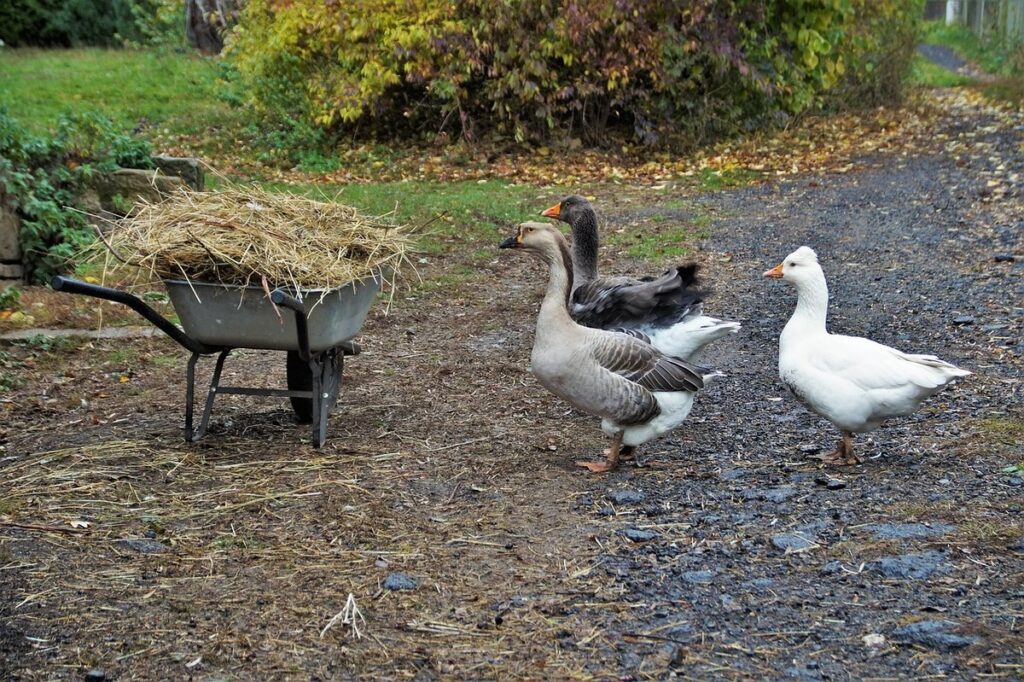
Introduction to Goose Breeds
Welcome to our comprehensive guide on breeds of geese, and let’s start by exploring the fascinating world of goose breeds – there are over 100 recognized varieties. Let’s take a closer look at what makes each one unique.
History and Origin of Domesticated Geese
Geese have been an integral part of human history and culture for thousands of years. Their domestication is believed to date back to around 3000 BC in ancient Egypt, where they were prized for their meat, eggs, and feathers. These early Egyptians not only kept geese as a source of food but also revered them for their ability to guard crops and property.
The practice of domesticating geese spread throughout the ancient world, with evidence of their presence found in ancient civilizations such as Greece, Rome, and China. In these cultures, geese were valued for their multiple uses, from providing meat and eggs to serving as a source of entertainment through their ability to perform tricks and interact with people.
The introduction of geese as farm animals played a significant role in shaping the agricultural practices of ancient societies. By keeping geese on farms, farmers could not only have a reliable source of protein but also benefit from their ability to clear land and reduce pest populations.
Importance of Recognizing Goose Breeds
Understanding different goose breeds is crucial for several reasons, especially if you’re a breeder, farmer, or enthusiast. For one, recognizing breeds helps in conservation efforts. With over 100 known breeds worldwide, each with unique characteristics and traits, identifying specific breeds can aid in preserving their genetic diversity.
This knowledge also benefits breeding programs. By understanding the strengths and weaknesses of various breeds, farmers and breeders can make informed decisions when developing new bloodlines or selecting individuals for breeding purposes. For instance, if you’re looking to create a hardy, disease-resistant flock, knowing which breeds are best suited for your climate and region is essential.
Moreover, identifying goose breeds accurately helps in fair competitions and exhibitions, where correct classification and identification of birds are often required. Whether you’re an experienced breeder or just starting out, having a solid understanding of different goose breeds can significantly impact the success of your endeavors.
Waterfowl Breeds: Geese for Wetlands
When it comes to creating a thriving wetland ecosystem, geese breeds such as the Snow Goose and Canada Goose are ideal choices.
White Chinese Geese: Characteristics and Uses
White Chinese geese are known for their striking appearance and gentle disposition. With their snow-white plumage and black neck feathers, they make a beautiful addition to any farm or wetland habitat. One of the most distinctive characteristics of White Chinese geese is their ability to thrive in a variety of environments. They are highly adaptable and can be found on family farms, large estates, and even small urban plots.
When it comes to temperament, White Chinese geese are renowned for their friendly nature. They make excellent family pets and are often used as therapy animals due to their calm and affectionate personalities. In fact, many farmers report that they form close bonds with these birds, which can be quite entertaining to watch.
In terms of uses, White Chinese geese are highly valued for their ability to control weeds and pests on wetland habitats. Their grazing habits help to maintain a healthy balance in the ecosystem, making them an invaluable asset for land managers. Additionally, they produce a decent amount of eggs per year, which can be collected by hand or used as broilers.
If you’re considering adding White Chinese geese to your farm or wetland habitat, it’s essential to provide them with a safe and spacious enclosure. They require plenty of room to roam and exercise, so ensure that their living quarters are well-ventilated and free from predators. With proper care and attention, these lovely birds will reward you with years of companionship and productivity.
Embden Geese: A Popular Choice for Backyard Flocks
Emden geese have become increasingly popular among backyard flock enthusiasts due to their impressive adaptability and attractive physical traits. One of the most notable characteristics of this breed is their striking white coat with bright orange beaks, feet, and facial skin. Their muscular build makes them relatively easy to handle, even for novice owners.
As a breed, Embden geese are known for their friendly and curious nature, which makes them an excellent choice for families or those looking to raise birds for pets. They’re also surprisingly adaptable to various climates, thriving in both cold and temperate regions with minimal fuss. This adaptability stems from their ability to adjust their feeding habits according to the available food sources.
In terms of benefits, Embden geese are relatively low-maintenance compared to other breeds. Their moderate egg-laying capacity (about 20-30 eggs per year) makes them a good fit for small backyard flocks where space is limited. With proper care and management, an Embden flock can become an entertaining addition to any family’s garden or yard, providing hours of entertainment and joy through their playful antics.
Heavy Goose Breeds: Suitable for Meat Production
If you’re looking to raise geese for meat production, heavy breeds are a popular choice due to their fast growth rate and high yield. Let’s take a closer look at some suitable options.
Toulouse Geese: Characteristics and Meat Quality
Toulouse geese are among the most sought-after breeds for commercial meat production due to their impressive characteristics and exceptional meat quality. Weighing between 6-8 kg (13-18 lbs), these birds have a fast growth rate, reaching maturity within 120 days of age. Their high-quality meat is characterized by its tender texture, rich flavor, and low fat content.
Toulouse geese are known for their excellent feed conversion ratio, which means they can thrive on a wide range of diets with minimal waste. This efficiency makes them an attractive choice for poultry farmers looking to minimize production costs while maximizing yields. Their commercial value is further boosted by their disease-resistant nature, allowing farmers to maintain healthier flocks and reduce the risk of costly outbreaks.
One key factor contributing to Toulouse geese’s popularity in the industry is their adaptability to various climate conditions. They can thrive in a range of environments, from temperate to subtropical regions, making them an ideal choice for farmers worldwide.
Sebastopol Geese: A Heritage Breed with Unique Traits
Sebastopol geese are a true marvel among heritage breeds. These stunning birds boast a unique appearance that sets them apart from other goose varieties. Their distinctive white plumage is adorned with tufts of feathers on the head, creating a charming and endearing look. In terms of temperament, Sebastopol geese are known for their friendly and docile nature, making them an excellent choice for small-scale farming or homesteading.
As a heritage breed, Sebastopol geese offer numerous benefits to those looking to raise these magnificent birds. They are relatively low-maintenance compared to other breeds, requiring less space and feeding than larger geese varieties. In addition, their gentle disposition makes them an ideal choice for families with children or for those new to raising livestock. If you’re interested in raising Sebastopol geese, be sure to check local regulations regarding the availability of this breed. With proper care, these wonderful birds will reward you with eggs and possibly even goslings, adding a touch of uniqueness to your farm or homestead.
Some enthusiasts use Sebastopol geese for ornamental purposes, while others value their eggs as a source of fresh protein. If you’re considering raising these magnificent birds, it’s essential to research local demand and potential market opportunities.
Light Goose Breeds: Suitable for Egg-Laying and Ornamental Purposes
If you’re looking for geese that excel at both egg-laying and adding a touch of elegance to your landscape, this section is for you. We’ll explore some popular breeds perfect for ornamental purposes and prolific egg production.
African Geese: Characteristics and Uses
African geese are a popular breed among backyard enthusiasts due to their unique characteristics and uses. These birds are known for their distinctive black head and white patch on the face, making them easily identifiable. African geese are also recognizable by their loud honking calls, which can be quite vocal.
In terms of behavior, African geese are social birds that thrive in flocks, making them an excellent choice for multiple owners. They are relatively low-maintenance compared to other breeds and are adaptable to various living situations. One benefit of keeping African geese is their ability to guard against predators, thanks to their loud alarm calls.
For those interested in egg-laying, African geese can produce 20-30 eggs per year, with an average size of 2-3 ounces each. They can also be used as ornamental birds due to their striking appearance and interesting behavior. If you’re considering bringing home African geese, make sure to provide a suitable enclosure that meets their needs for space and water.
When choosing African geese, look for birds with a balanced temperament and no signs of aggression. With proper care and attention, these birds can become wonderful additions to your backyard flock, providing entertainment and companionship for years to come.
Chinese Geese: A Popular Choice for Small Farms
Chinese geese have gained popularity among small-scale farmers and homesteaders due to their unique characteristics. Physically, they are relatively smaller than other goose breeds, typically weighing between 3-6 pounds (1.4-2.7 kg). Their soft, fluffy feathers come in a variety of colors including white, brown, black, and gray, making them an attractive addition to any farm or homestead.
In terms of temperament, Chinese geese are known for their gentle nature and ability to form close bonds with their owners. They are social birds that thrive on interaction and can become quite vocal when they’re not receiving enough attention. This characteristic makes them perfect for small-scale farming settings where owners can provide the necessary care and attention.
In practical terms, Chinese geese are ideal for small farms due to their egg-laying capabilities. On average, a healthy female Chinese goose will lay around 50-60 eggs per year. They’re also relatively low-maintenance when it comes to food and water consumption, making them an excellent choice for homesteaders who want to minimize their ecological footprint.
When introducing Chinese geese to your small farm or homestead, it’s essential to provide a secure enclosure with adequate space for them to roam. A minimum of 2-3 square feet (0.2-0.3 sq meters) per bird is recommended. Additionally, ensure they have access to fresh water and a balanced diet rich in nutrients.
Chinese geese are also known for their ability to help control weeds and grasses on your farm or homestead. Their grazing habits can be beneficial in maintaining a healthy ecosystem. With proper care and attention, Chinese geese can become valuable assets to any small-scale farming operation.
When selecting Chinese geese for your farm or homestead, look for birds with bright eyes, clean feathers, and a robust build. Avoid birds that appear lethargic or show signs of stress. With the right care and environment, Chinese geese can thrive and provide years of enjoyment and productivity.
Rare and Heritage Goose Breeds
Let’s take a closer look at some of the rarest and most unique goose breeds that have been preserved for their rich history and distinctive characteristics. We’ll explore six remarkable heritage breeds in this section.
Appleyard Geese: Conservation Status and Preservation Efforts
Appleyard geese are an ancient breed originating from England and have been a cornerstone of British waterfowl heritage for centuries. Their unique characteristics, including their snowy-white feathers and striking orange beaks, have made them a favorite among waterfowl enthusiasts.
Unfortunately, Appleyard geese were declared extinct in the 1980s due to lack of breeding efforts and dwindling numbers. However, thanks to the dedication of passionate breeders and conservationists, a concerted effort was made to revive this iconic breed. Today, Appleyard geese are no longer listed as extinct and can be found in small numbers on private farms and conservation centers.
Historically significant due to their long-standing presence at English estates and parks, Appleyard geese were prized for their ornamental value and impressive honking calls. To preserve this magnificent breed, careful breeding programs have been established, focusing on genetic diversity and adherence to traditional standards. If you’re interested in contributing to the preservation of Appleyard geese or even keeping some as your own backyard flock, consider getting involved with reputable waterfowl organizations that support conservation efforts for rare breeds like these.
In addition to supporting breeders and conservationists, you can also help by spreading awareness about the importance of preserving heritage goose breeds.
Pilgrim Geese: A Rare Breed with Distinctive Traits
Pilgrim geese are one of the rarest and most distinctive breeds among waterfowl enthusiasts. These birds owe their unique characteristics to their history as a cross between Chinese and European geese. Their appearance is marked by a rich brown plumage, white markings on their faces, and long necks.
Temperament-wise, Pilgrim geese are known for being friendly, docile, and relatively easy-going around humans. However, they can be quite skittish around other animals, especially if not socialized properly from an early age. This trait makes them a good choice for those looking to keep geese as pets or in small backyard flocks.
One of the primary reasons Pilgrim geese are preserved is their contribution to genetic diversity programs. As a rare breed, they play a crucial role in maintaining the overall health and resilience of waterfowl populations. By incorporating Pilgrim geese into breeding programs, farmers and conservationists can ensure the continued viability of their flocks and reduce reliance on a few dominant breeds.
In addition, Pilgrim geese are often prized for their egg-laying abilities. While not as prolific as some other breeds, they can still provide around 20-25 eggs per year.
Health Considerations for Goose Breeds
When considering bringing home a new goose, it’s essential to think about their specific health needs and how they might impact your family’s lifestyle. Some breeds are more prone to certain health issues than others.
Common Health Issues in Geese and Their Prevention
Geese are generally hardy birds, but they can be prone to certain health issues that require attention from breeders and owners. One common problem is respiratory issues, which can be caused by genetic predisposition, environmental factors, or underlying conditions such as obesity. For instance, a study on commercial goose farms found that around 30% of birds suffered from respiratory problems. To prevent this, provide your geese with plenty of space to roam and exercise, ensure good ventilation in their enclosures, and keep them at a healthy weight.
Parasites are another issue affecting geese. Internal parasites like worms can be detrimental to the health of your flock, while external parasites such as lice and mites can cause discomfort and stress. Regular cleaning and disinfection of living areas, feeding, and watering equipment can help prevent parasite infestations. It’s also essential to monitor your birds regularly for signs of parasitic activity, such as excessive droppings or irritation around the eyes, ears, and beak.
Injuries are another significant concern, particularly during breeding seasons when geese may engage in aggressive behavior. Preventing injuries requires proper handling techniques, providing a safe environment with minimal stressors, and monitoring your birds’ behavior to intervene early if you notice any signs of aggression or stress.
Vaccination and Biosecurity Measures for Healthy Flocks
Maintaining healthy flocks is crucial for successful goose breeding and management. Vaccination and biosecurity measures play a vital role in disease prevention and overall flock well-being. It’s essential to implement effective vaccination programs, tailored to specific diseases prevalent in your region.
For instance, Avian Influenza (AI) and Newcastle Disease are significant concerns globally. Regular vaccinations can significantly reduce the risk of outbreaks, protecting not only your flock but also surrounding bird populations. Consult with a veterinarian to determine the best vaccination schedule for your geese.
Sanitation practices are equally important in maintaining biosecurity. Ensure regular cleaning and disinfection of coops, run areas, and equipment. Implement strict hygiene protocols for handling birds, feed, and waste. Keep visitor traffic to a minimum, and require visitors to wear protective gear. Regularly inspect your flock for signs of illness or stress, addressing any issues promptly.
By combining vaccination with stringent biosecurity measures, you can create a safe and healthy environment for your geese, minimizing the risk of disease outbreaks and promoting overall well-being.
Frequently Asked Questions
How do I determine the ideal breed for my farm or backyard?
When selecting a goose breed, consider your purpose: meat production, egg-laying, ornamental purposes, or pond management. Assess your available space, climate, and resources to ensure you can provide the necessary care and accommodations for your chosen breed.
Can I raise multiple breeds together in the same flock?
While geese are social animals, introducing different breeds can be challenging due to potential aggression, noise levels, and resource competition. Research compatible breeds and consult with experienced breeders or veterinarians before creating a mixed-breed flock.
What are some essential health considerations for goose flocks?
Common health issues in geese include respiratory problems, parasites, and vitamin deficiencies. Regular vaccinations, biosecurity measures (e.g., sanitation, isolation), and nutritional management can help prevent these issues. Consult with a veterinarian to develop a comprehensive health plan tailored to your flock’s needs.
How do I establish a reliable source for goose breeders or suppliers?
Research local and national associations, attend poultry expos, or join online forums to connect with reputable breeders and suppliers. Verify the breed’s authenticity through documentation and inspect breeding facilities to ensure they adhere to industry standards and animal welfare guidelines.
What are some key factors in maintaining a healthy and thriving waterfowl ecosystem?
Maintain adequate pond management practices (e.g., regular cleaning, sufficient water depth), provide suitable habitat for other aquatic species, and control vegetation growth to prevent overgrazing. Regularly inspect your flock’s behavior, health, and environmental conditions to make adjustments as needed.