
If you’ve ever been to a park or a lake, chances are you’ve encountered a group of honking geese. But have you ever stopped to think about the different types of geese that exist? From domesticated species like ornamental geese, to wild varieties such as Canada Geese and Snow Geese, each type has its own unique characteristics and traits. In this article, we’ll take a closer look at some of the most common breeds of geese, including their habitats, behavior, social structures, and conservation status. We’ll also delve into the cultural significance of these fascinating birds and explore their uses in agriculture and other industries. Whether you’re an avid birdwatcher or just curious about these amazing creatures, read on to learn more about the wonderful world of geese!
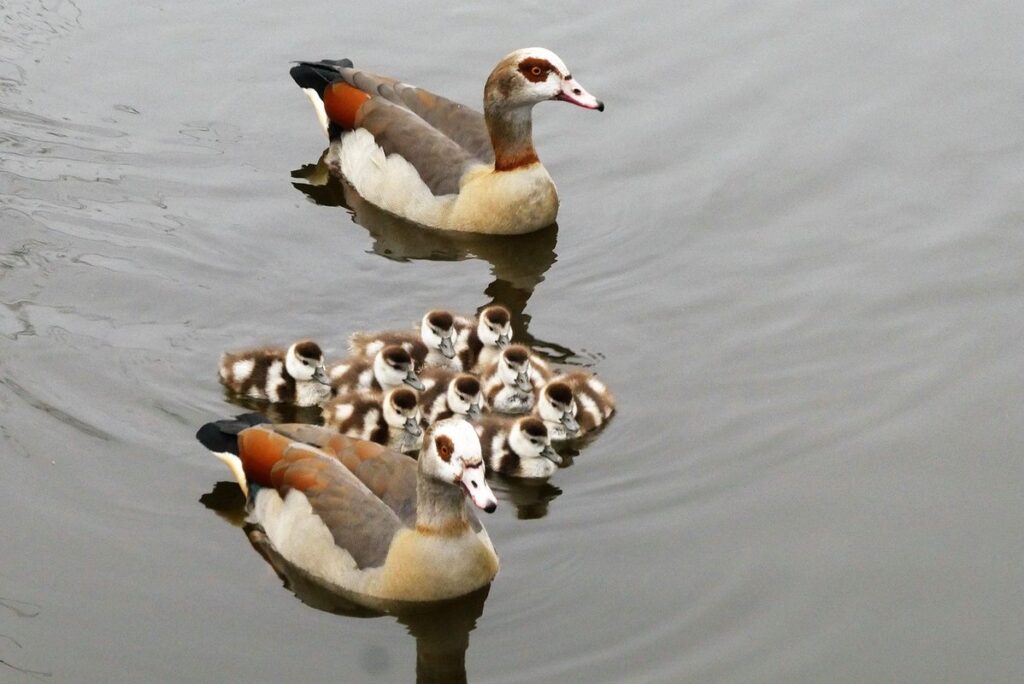
Classification and Identification
To accurately identify a type of geese, it’s essential to learn how to classify them based on key physical characteristics. Let’s take a closer look at what makes each type unique.
Physical Characteristics
When it comes to identifying different types of geese, their physical characteristics play a significant role. One of the easiest ways to distinguish between species is by looking at their size. For instance, the Canada goose is one of the larger species, measuring around 26-34 inches in length and weighing between 8-12 pounds. In contrast, the Ross’s goose is much smaller, reaching lengths of only about 20-24 inches.
Plumage is another key feature to examine when identifying geese. Some species, like the Snow goose, have striking white or pink feathers on their heads, while others, such as the Cackling goose, have more muted brown tones. Beak shape can also be a giveaway – some geese, like the White-fronted goose, have a short, broad beak, whereas others, like the Emperor goose, sport a longer, thinner beak.
When examining a goose’s physical characteristics, it’s essential to take note of any unique markings or patterns. For example, the Lesser white-fronted goose has a distinctive black stripe running above its eye, while the Greater white-fronted goose has a more extensive black crown on its head. By paying attention to these distinguishing features, you can accurately identify different types of geese and better appreciate their unique characteristics.
Behavioral Traits
When it comes to distinguishing between various goose species, observing their behavior is often a reliable indicator. Migratory patterns can be a dead giveaway, as some geese are avid travelers that migrate thousands of miles each year, while others remain resident and don’t stray far from their birthplace.
For instance, the Snow Goose and Canada Goose exhibit distinct migratory habits. Snow Geese travel in vast flocks to and from their Arctic breeding grounds, whereas Canada Geese tend to migrate in smaller groups or even remain year-round in certain regions.
Habitat preferences are another crucial aspect to consider when identifying geese species through behavior. For example, White-fronted Geese favor wetlands and grasslands, while Greylags tend to inhabit coastal areas. Paying attention to the types of terrain they frequent can give you a clue about their identity.
Lastly, social interactions among geese are also telling signs of their identity. Some species, such as the Emperor Goose, are known for forming long-lasting pair bonds, whereas others, like the Egyptian Goose, tend to be more solitary.
Common Types of Geese
Let’s dive into some of the most common types of geese, including their unique characteristics and habitats. From Canada Geese to Snow Geese, you’ll learn about these fascinating birds.
Domesticated Geese
Domesticated geese have been an integral part of human civilization for thousands of years. These birds were initially brought to farms and agricultural lands for their unique characteristics that made them ideal for specific tasks. One of the primary uses of domesticated geese is in guarding and watching over livestock, especially sheep and other small animals.
Domesticated geese are also used for their ability to alert farmers to potential predators or intruders on the farm. Their loud honking sound serves as a warning system, allowing farmers to take necessary measures to protect their property. In addition to security, domesticated geese are also valued for their egg-laying capabilities.
On average, a healthy female goose can lay around 50-60 eggs per year, which is significantly more than other types of waterfowl. The eggs are not only used as a source of protein but also serve as a valuable commodity in the poultry market. Many farmers also raise domesticated geese for their meat, which is considered lean and flavorful.
Domesticating geese requires patience and attention to detail, as these birds can be quite temperamental. However, with proper care and handling, domesticated geese can thrive and become an essential part of a farm’s ecosystem.
Wild Geese Species
One of the most fascinating aspects of geese is their incredible diversity, with numerous species found across different parts of the world. Among these, three primary wild goose species stand out due to their unique characteristics and habitats.
Canada Geese (Branta canadensis) are a common sight in North America, known for their distinctive honking calls and striking black heads with white patches on their necks. They typically migrate between Canada and the United States, but some populations have become resident birds in certain areas, leading to conflicts with humans over habitat and food resources.
Snow Geese (Anser caerulescens) are another widespread species found in Arctic tundras during breeding season, where they feed on grasses and sedges. However, their habitats overlap with agricultural lands during winter months, often resulting in feeding competition with local waterfowl.
White-fronted Geese (Anser albifrons), also known as Pink-footed Geese when referring to the Western population, are widespread throughout Europe, Asia, Africa, and North America. They exhibit distinct habits, including a preference for shallow wetlands during migration periods, which has led to habitat preservation efforts in some regions.
Identifying these species can be quite simple; however, knowing their habitats is essential for appreciating the delicate balance between geese populations and human activities.
Rare and Exotic Goose Breeds
You’re probably familiar with the more common breeds of geese, but did you know there are some truly rare and exotic varieties out there? We’ll take a closer look at these unique birds.
Heritage Breeds
Heritage breeds have been a vital part of human history, providing eggs, meat, and other essential products. Among these, three exceptional rare breeds stand out: the Sebastopol, Toulouse, and Embden geese. These geese have managed to preserve their unique characteristics over centuries.
The Sebastopol goose is one of the most recognizable heritage breeds. Known for its striking appearance with long hair on its body, it’s a sight to behold. Originating from Europe, this breed has been prized for its exceptional egg-laying abilities and robust build. Despite its beauty and impressive qualities, the Sebastopol faces threats to its survival due to its small population size.
The Toulouse goose is another iconic heritage breed with an impressive presence in the world of poultry farming. Its broad wings and distinctive black plumage make it easily identifiable. Originating from France, this breed has been cherished for centuries for its outstanding egg-laying abilities and robust constitution.
In contrast, the Embden goose boasts a more streamlined physique. Known for its high-quality down feathers, which are still prized today by duveteers, this German-bred heritage goose is renowned for its strength and endurance.
Specialty Geese
Among the many rare and exotic goose breeds, some have been developed specifically for unique purposes. For instance, ornamental geese are bred for their stunning appearance and ability to add a touch of elegance to gardens and lawns. The Chinese Goose is one such breed that fits this description. Known for its striking black neck, white face, and vibrant red bill, it’s often kept as a decorative bird due to its impressive plumage.
On the other hand, some goose breeds are prized for their exceptional egg-laying abilities. One notable example is the Embden Goose, which lays an average of 40-50 large eggs per year. This breed’s ability to produce high-quality eggs makes it a favorite among commercial farms and backyard chicken keepers alike.
When considering specialty geese like these, remember that they often require more attention and care than standard breeds. Be sure to research the specific needs of your chosen breed before bringing it home. With proper care and handling, ornamental or egg-laying geese can make wonderful additions to any flock.
Goose Behavior and Social Structure
When it comes to geese, understanding their behavior and social structure is essential for appreciating these fascinating birds. Let’s dive into how they interact with each other and their surroundings.
Flocking Patterns
When it comes to forming flocks and interacting with each other, geese are highly social creatures that exhibit complex behaviors. One of the most fascinating aspects of goose behavior is their flocking patterns. Geese are known to form V-shaped formations while migrating, but this isn’t just a matter of convenience – it’s also an optimal way for them to conserve energy and stay safe.
Studies have shown that geese tend to follow dominant individuals within their flocks, which can be either a lead goose or an experienced migratory bird. This hierarchical structure is influenced by factors such as age, sex, and previous migration experience. For example, older geese often take on leadership roles due to their extensive knowledge of migration routes and habitats.
In the wild, observing these flocking patterns can provide valuable insights for birdwatchers and conservationists. By understanding how geese interact with each other, we can better protect their habitats and ensure the long-term health of goose populations. If you’re planning a trip to observe geese in their natural habitat, look out for dominant birds leading their flocks – it’s a remarkable sight!
Communication Methods
Geese are incredibly skilled at communicating with each other, using a variety of methods to convey information and maintain social bonds. One of the most obvious forms of communication is vocalization – geese make a range of sounds, from soft honks and chirps to loud hisses and screeches, depending on their mood and intent.
In addition to vocalizations, body language plays a crucial role in goose communication. A raised neck or head indicates alertness or aggression, while lowered feathers may signify submission or stress. Visual displays are also used by geese to convey information – for example, during courtship rituals, males will perform elaborate dances, spreading their wings and displaying their bright plumage.
Pay attention to these visual cues when interacting with geese, as they can be subtle but important indicators of the bird’s mood and intentions. By understanding and respecting goose communication methods, you can build trust and strengthen bonds with these fascinating birds.
Conservation Status and Threats
As we delve into the world of geese, it’s essential to acknowledge that many species face significant threats to their populations and habitats. Let’s take a closer look at the conservation status of these magnificent birds.
Habitat Destruction
Human activities have significantly impacted goose habitats worldwide, leading to declining populations and altered migration patterns. The destruction of wetlands, grasslands, and other natural habitats has reduced the availability of food and shelter for geese. For instance, the destruction of coastal wetlands along the East Coast of North America has led to a decline in Canada Goose populations.
The expansion of urban areas and agricultural lands has also fragmented goose habitats, making it difficult for them to migrate or find suitable breeding grounds. In Europe, the conversion of grasslands into intensive farming areas has forced geese to adapt their migration routes, often leading to conflicts with human settlements.
To mitigate these effects, conservation efforts are underway to restore wetlands and protect natural habitats. For example, organizations like the Audubon Society in North America have implemented habitat restoration projects that provide vital habitats for migratory birds, including geese. As a goose enthusiast, you can contribute to these efforts by supporting local conservation initiatives or participating in citizen science projects that monitor goose populations and habitats.
Hunting and Poaching
Hunting and poaching are significant threats to goose populations worldwide. Many species of geese are hunted for their meat, feathers, and organs, which are believed to have medicinal properties. In some regions, hunting is done on a large scale, with thousands of geese being killed each year. Poaching also contributes to declining goose numbers, as birds are caught and sold on the black market.
The consequences of hunting and poaching can be devastating for goose populations. For example, the lesser white-fronted goose, which migrates through Eastern Europe and Western Asia, has seen its population decline by over 90% in recent decades due to hunting and habitat destruction. Conservation efforts are underway to protect these species. In some countries, like Mongolia, laws have been enacted to regulate hunting and protect geese habitats. Additionally, organizations such as the World Wildlife Fund (WWF) are working with local communities to establish protected areas for geese and promote sustainable livelihoods that do not involve harming the birds.
History and Cultural Significance
Geese have been an integral part of human culture for thousands of years, with various types playing significant roles in mythology, art, and even modern-day symbolism. Let’s explore how these iconic birds have shaped our heritage.
Ancient Civilizations
Geese have been an integral part of human societies for thousands of years, with ancient civilizations revering them as symbols of fertility, prosperity, and protection. In ancient Egypt, geese were associated with the goddess Isis, who was revered as a mother figure, highlighting the birds’ nurturing qualities. Geese also played a significant role in ancient Greek mythology, where they were linked to the god Zeus, representing power and strength.
In many cultures, geese were used for their feathers, which were highly valued for their softness, warmth, and light weight. The Egyptians, in particular, prized goose down as a luxury item, often using it to fill bedding and insulation for the wealthy elite. Geese were also domesticated by ancient civilizations such as the Chinese, who used them for meat, eggs, and labor.
As we explore the rich history of geese in ancient cultures, it becomes clear that their symbolism extends beyond mere aesthetic appeal. These intelligent birds have been revered for their resilience, loyalty, and protective nature – qualities that continue to inspire awe and admiration today.
Modern-Day Significance
In modern times, geese have become increasingly significant in various aspects of society. As pets, they are cherished for their unique personalities and loyal nature. Many people enjoy keeping geese on their farms or backyards, where they provide entertainment and a sense of companionship.
However, geese also play a crucial role as agricultural workers. Their ability to graze on unwanted grasses and weeds makes them an efficient tool in maintaining pastures and lawns. For instance, some farmers use geese to control invasive plant species that can harm crops or the environment.
Geese have also become popular tourist attractions at farms, parks, and wildlife reserves. Visitors are drawn to these areas for the opportunity to interact with and observe geese in their natural habitats. Some establishments even offer feeding demonstrations and educational programs about geese behavior and conservation efforts.
When considering keeping geese as pets or using them for agricultural purposes, it’s essential to choose breeds that suit your needs. Research different types of geese, such as the Embden or Toulouse, which are known for their docility and adaptability. With proper care and management, geese can thrive in various settings, contributing positively to both private and public spaces.
Frequently Asked Questions
What’s the best way to tell if a goose is domesticated or wild?
To determine whether a goose is domesticated or wild, look for signs of habituation such as regular feeding from humans, lack of fear around people, and presence of physical constraints like leashes. Domesticated geese are often kept in enclosures or have visible identification markers.
Can I keep geese as pets if I live in an urban area?
While it’s possible to keep domesticated geese as pets, check local regulations regarding backyard animals before bringing them home. Geese require space to roam and may cause noise disturbances; ensure your living situation can accommodate their needs.
How do I protect my garden from geese damage?
Use physical barriers like netting or fencing around plants to prevent geese from accessing them. You can also try repellents containing predator scents or hot peppers, but these may not be 100% effective.
Are there any organizations that support goose conservation and rehabilitation efforts?
Yes, several organizations focus on protecting wild goose populations through conservation and rehabilitation programs. Consider donating to or volunteering with groups like the World Wildlife Fund (WWF) or local wildlife refuges.
What are some common health issues in domesticated geese, and how can I prevent them?
Common health problems in geese include respiratory infections, parasite infestations, and nutritional deficiencies. Regular vaccinations, deworming treatments, and a balanced diet will help maintain your geese’s overall health.