
Are you ready to join the world of backyard poultry keeping? Hatching duck eggs at home can be a fun and rewarding experience, but it requires some know-how. Choosing the right breed is crucial, as some duck species are more suitable for hatching than others. And let’s not forget about the importance of egg quality – only fertile eggs will give you the best chance of success.
In this article, we’ll take you through everything you need to know to successfully hatch duck eggs at home. We’ll cover setting up a safe breeding area, identifying fertile eggs, and monitoring incubator conditions to ensure your new ducklings get off to the best start in life. With expert tips and guidance, you’ll be well on your way to hatching healthy, happy ducklings and enjoying the joys of backyard duck keeping.
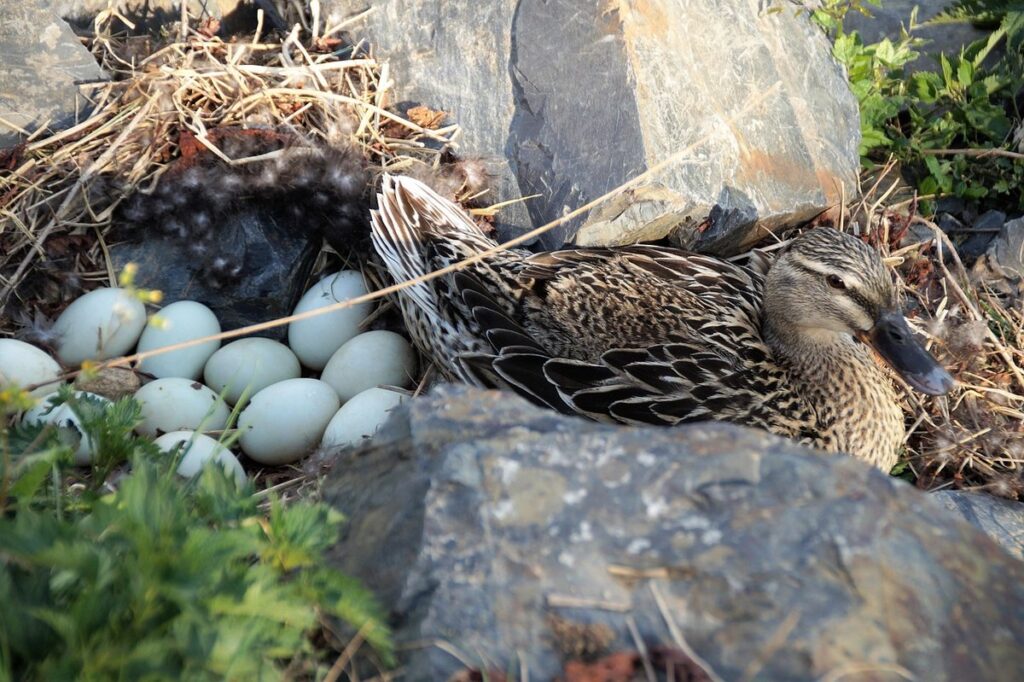
Choosing the Right Duck Breeds and Egg Quality
When it comes to hatching duck eggs at home, selecting the right breed is crucial for success. In this next part of our guide, we’ll explore how to choose breeds that deliver excellent egg quality and hatchability.
Selecting Friendly and Docile Duck Breeds for Beginners
When it comes to selecting duck breeds for backyard hatching, there are several popular options that are well-suited for beginners. One of the most popular choices is the Khaki Campbell breed. Known for their high egg-laying capacity and friendly demeanor, these ducks make ideal additions to any backyard flock. On average, a single Khaki Campbell hen will lay around 300 eggs per year, making them an excellent choice for families or individuals looking to harvest fresh eggs.
Another breed worth considering is the Indian Runner duck. While they are often thought of as being more energetic and restless than other breeds, Indian Runners are actually quite docile and can make great companions for children. They are also relatively low-maintenance when it comes to their egg-laying capacity, producing around 200 eggs per year.
If you’re looking for a breed that’s a bit smaller in size, the Wood Duck might be an excellent choice. These ducks have a unique temperament, being friendly and outgoing but not too aggressive or demanding. They also produce around 150-180 eggs per year, making them a great option for those who want to harvest eggs without breaking the bank.
Regardless of which breed you choose, it’s essential to remember that all duck breeds require proper care, socialization, and housing to thrive in your backyard flock. Make sure to research the specific needs of your chosen breed before bringing them home to ensure a happy and healthy hatching experience.
Understanding Egg Quality and Viability
When it comes to hatching duck eggs at home, understanding egg quality and viability is crucial for successful incubation. The quality of the eggshell, cleanliness, and embryo development all play significant roles in determining the hatch rate.
To inspect an egg for cracks or dirtiness, gently rotate it between your hands to check for any visible defects. Look for cracks on the shell surface, which can be a major issue during incubation. Dirt and grime can also accumulate on the eggshell, potentially causing problems. Check the egg under good lighting to identify any stains or discolorations that might indicate contamination.
Additionally, inspecting the egg for embryo development is vital. Gently tap the egg to detect any movement inside, which indicates a developing embryo. You can also look for a slight bulge on one side of the egg, which may indicate that the embryo has begun to develop. Keep in mind that these are just visual checks and not a definitive way to guarantee hatch success.
When evaluating duck eggs, consider factors like shell thickness, as some breeds tend to have thinner shells than others. Researching specific breed characteristics will help you identify potential concerns.
How to Source Duck Eggs for Hatching
When it comes to sourcing duck eggs for hatching, you have several options to explore. One of the best ways is to purchase from reputable breeders or farmers in your local area. Look for breeders who specialize in ducks and are experienced in breeding for hatching purposes. They will be able to provide you with high-quality, fertile eggs that have a higher success rate.
Online marketplaces and forums can also be a great resource for finding fertile duck eggs. Websites like Craigslist or Facebook Marketplace may have local sellers advertising duck eggs for sale. However, exercise caution when purchasing from online sources, as the quality and fertility of the eggs may vary.
To identify reliable egg suppliers, look for breeders who are transparent about their breeding practices, provide health guarantees, and offer clear instructions on how to care for the eggs during transport and incubation. Some online marketplaces, like Backyard Chickens or local poultry clubs, also have reputable sellers and a wealth of knowledge from experienced duck keepers.
When buying from a breeder or farmer, ask questions about their breeding program, egg handling procedures, and any guarantees they offer. This will help you ensure that the eggs are healthy and fertile when you receive them.
Preparing the Environment for Incubation
Before you can successfully hatch duck eggs at home, it’s essential to create a suitable environment that mimics their natural incubation conditions. This section will walk you through preparing your space.
Setting Up a Safe and Healthy Breeding Area
When setting up a safe and healthy breeding area for hatching duck eggs at home, there are several essential considerations to keep in mind. Firstly, lighting is crucial, as it affects the development of the embryos inside the eggs. A temperature range between 99°F (37°C) and 100°F (38°C) with a humidity level of 50-60% is ideal. However, ensure that the area is well-ventilated to prevent overheating.
To maintain a clean environment, it’s essential to disinfect the breeding area regularly using a solution of one part bleach to nine parts water. This will help minimize disease risks and keep your ducklings healthy. Ensure that all equipment, such as incubators and brooders, are also disinfected frequently.
When setting up the breeding area, consider the following tips:
* Place the eggs in a secure location to prevent accidental movement or tampering
* Use a thermometer and hygrometer to monitor temperature and humidity levels
* Keep the area quiet and free from drafts to ensure the eggs don’t get disturbed
Choosing an Appropriate Incubator or Hatcher
When it comes to hatching duck eggs at home, choosing the right incubation setup is crucial for success. You have three primary options: using an electric incubator, a brooder, or creating a homemade setup. Each method has its pros and cons.
Electric incubators are the most popular choice among backyard duck keepers. They offer precise temperature control, maintain consistent humidity levels, and often come equipped with automated egg-turning mechanisms. This ensures that your eggs receive optimal care without much hands-on attention from you. However, electric incubators can be expensive and may require regular maintenance.
On the other hand, brooders are a more affordable option but lack some of the features found in electric incubators. They still provide adequate temperature control and humidity levels but might not turn eggs as frequently. Homemade setups can be cost-effective, but it’s essential to ensure they maintain stable temperatures and humidity levels, which can be challenging.
When selecting an incubator or hatching setup, consider your specific needs and the number of duck eggs you plan to hatch at once. Also, research each option thoroughly to understand its limitations and requirements. It’s also a good idea to read reviews from other users to get a better understanding of their experiences with a particular product.
Fertile Egg Handling and Storage
When it comes to hatching duck eggs, proper handling and storage of fertile eggs is crucial for successful incubation. Follow these essential guidelines to keep your eggs safe until they’re ready to hatch.
Identifying and Selecting the Best Fertile Eggs
When you’re ready to start hatching duck eggs at home, it’s essential to identify fertile eggs and store them safely before incubation. But how do you know if an egg is fertile? One way to check is by using a method called candling.
Candling involves shining a bright light through the eggshell to observe the contents inside. A fertile egg will show signs of embryonic development, such as a small white or pinkish circle in the center of the egg (the air sac) and a network of blood vessels and veins visible on the yolk. These signs are usually visible around 7-10 days after fertilization.
If you’re new to candling, it may take some practice to get the hang of it. Start by using a low-wattage candle or LED light, as high-intensity lights can cause damage to the egg. Hold the egg up to the light source and look for these signs of fertility. If you’re still unsure, consider purchasing fertile duck eggs from a reputable breeder.
To store fertile eggs safely before incubation, keep them in a cool, dry place (around 60-70°F) away from direct sunlight. Don’t wash or clean the eggs at this stage, as oils from your skin can compromise the egg’s fertility. Place them pointed end down on a tray or carton to prevent moisture from accumulating.
Handling and Caring for Fertile Eggs During Transport
When transporting fertile duck eggs to their final destination for incubation, it’s essential to prioritize their safety and well-being. This includes not only protecting them from physical damage but also maintaining the optimal environment for successful hatching.
To ensure safe transport, use specialized containers or bags designed specifically for shipping eggs. These containers are usually insulated to regulate temperature, maintain humidity levels, and cushion the eggs during transit. Some popular options include foam inserts, egg cartons with built-in air pockets, or reusable fabric bags with absorbent padding.
During transport, handle fertile eggs with care by supporting their width rather than their length, and avoid sudden movements that could cause shock. Keep them upright to prevent yolks from rising into the whites and compromising their viability. It’s also crucial to maintain a consistent temperature range between 50°F to 70°F (10°C to 21°C) and relative humidity levels above 50% to minimize stress on the embryos.
This attention to detail will significantly reduce risks associated with transportation, ensuring that your fertile duck eggs arrive at their final destination in optimal condition for hatching.
Setting Up and Monitoring the Incubator
Before you can start incubating your duck eggs, it’s essential to set up your equipment correctly and establish a monitoring routine to ensure optimal conditions for hatching. Let’s dive into the nitty-gritty of setting up and monitoring your incubator.
Configuring the Incubator for Duck Eggs
When it comes to incubating duck eggs, there are specific requirements you need to follow to ensure healthy and successful hatching. The ideal temperature range for incubating duck eggs is between 99°F and 100°F (37°C to 38°C). This may seem like a narrow window, but it’s essential for the embryos to develop properly.
Humidity levels also play a crucial role in incubation. Aim for a humidity level of around 50-60%, with a slight increase in the last week of incubation to help the eggs absorb moisture and prepare for hatching. You can use a hygrometer to monitor the humidity levels, or you can opt for an automatic egg-turning system that also includes humidity control.
When it comes to turning the eggs, duck eggs require more frequent turns than chicken eggs. Aim for at least 3-5 turns per day, depending on the incubator’s design and your personal preference. You can either set up an automatic egg-turning system or manually rotate the eggs every few hours. If you choose to do it manually, make sure to turn the eggs gently but firmly to prevent cracking.
Keep in mind that some incubators come with built-in egg-turning systems, so be sure to check your manual for specific instructions on how to use this feature.
Monitoring Temperature, Humidity, and Turning During Incubation
Maintaining precise temperature and humidity conditions is crucial during incubation to ensure healthy embryo development. A small deviation from optimal ranges can lead to reduced hatch rates or even failed hatches. To monitor these factors, you’ll need a thermometer, hygrometer, and turning indicator.
Use a digital thermometer with an accuracy of ±0.1°C to track the temperature fluctuations in your incubator. This will help you make adjustments as needed. For humidity control, a high-accuracy hygrometer is essential; look for models that can detect readings within ±2% RH. Regularly check both instruments to ensure they are calibrated and functioning correctly.
A turning indicator helps monitor egg rotation, which is vital for even heat distribution and preventing embryonic development anomalies. These indicators usually have a small pin or ball that moves as the eggs rotate. Adjust the incubator settings accordingly based on your thermometer readings. A general rule of thumb is to maintain temperatures between 37.5°C and 38.0°C during the first 24 days, followed by a slight drop to around 36.5°C until hatching.
Hatching and Caring for New Ducklings
Now that you’ve successfully hatched your duck eggs, it’s time to care for these precious new additions to your flock, ensuring they thrive under your wing. Proper care and attention will make all the difference in their growth and development.
Recognizing Early Signs of Hatching
As you approach the 21-day mark after incubation, it’s essential to recognize the early signs of hatching. One of the first indicators is pipping, where the duckling breaks through the shell with its beak. You might notice a small hole or crack on the surface of the egg, which will gradually increase in size as the chick continues to pip.
Another visual cue is movement within the egg. Ducklings often exhibit tiny movements and wobbles before fully emerging from their shells. To identify these signs, keep an eye on the egg’s surface for any changes. Pay attention to areas where the shell appears slightly indented or discolored – these may indicate a pipping duckling.
If you notice unusual behaviors, such as rapid breathing, increased noise, or no movement at all, it could be a sign of potential issues during hatching. Common problems include weak or deformed chicks, stuck eggs, or even bacterial infections. Monitor your incubator closely and take prompt action if you suspect any complications.
Post-Hatch Care for Ducklings
As you eagerly await the hatching of your duck eggs, it’s essential to understand the post-hatch care requirements for your new arrivals. After about 24-30 hours after emerging from their shells, ducklings will start peeping and making demands for food and water.
First and foremost, provide a nutritious starter feed specifically formulated for young ducklings. You can also supplement with crushed eggshells to help them digest calcium-rich foods. Make sure the water is fresh, shallow, and easily accessible to prevent accidents. A shallow dish or birdbath filled with 1-2 inches of warm water will suffice.
In terms of shelter, provide a safe, draft-free area with adequate ventilation. You can set up a brooder or a large enclosure specifically designed for ducklings. Ensure the temperature is around 90°F (32°C) during the first few days to promote healthy growth. As they grow, you can gradually decrease the temperature by 5-10°F each day.
Socialization techniques are also crucial for imprinting your ducklings on humans. Handle them gently and regularly, ensuring their beaks and legs are intact and unbroken. Mimic natural sounds like a mother duck’s quacking to comfort and reassure them. With proper care and attention, your new feathered friends will grow into healthy, happy ducks.
Frequently Asked Questions
How do I maintain optimal temperature and humidity levels during incubation?
To ensure successful hatching, it’s crucial to monitor temperature and humidity levels closely. A consistent temperature of around 99-100°F (37-38°C) and relative humidity of 50-60% is ideal for duck eggs. You can purchase a hygrometer and thermometer to track these conditions accurately.
What happens if I notice any cracks or visible damage on the fertile eggshell?
Cracks or visible damage on the eggshell can significantly affect hatching success. If you notice any issues, it’s best to err on the side of caution and discard the egg to prevent potential infection or contamination during incubation.
Can I use a DIY incubator or should I invest in a commercial one?
While a DIY incubator might be cost-effective, investing in a commercial one can provide better temperature control, humidity management, and overall hatching success. However, if you’re on a tight budget, research and create a well-designed DIY incubator that meets your duck eggs’ specific needs.
How often should I turn the fertile eggs during incubation?
Turning the fertile eggs is crucial for even development and preventing adhesions. Aim to turn the eggs 3-5 times per day, with each turn lasting around 10-15 minutes. This will help maintain optimal embryo positioning and promote healthy growth.
Can I hatch duck eggs in a standard incubator or do I need one specifically designed for ducks?
While some standard incubators might work for hatching duck eggs, it’s recommended to use an incubator specifically designed for waterfowl (ducks, geese, etc.). These incubators usually have larger capacity and better temperature control to accommodate the unique needs of duck eggs.