
Are you looking to diversify your farm or kitchen with an unusual yet fascinating egg? Look no further than the call duck egg. Hailing from Asia, these eggs have been prized for centuries for their unique flavor and texture. But what exactly is a call duck egg, and why are they worth trying? In this comprehensive guide, we’ll delve into the history of these rare eggs, explore their distinct characteristics, and discuss the benefits of raising and cooking with call ducks.
We’ll cover everything from the basics of call duck care to advanced cooking techniques, so whether you’re a seasoned farmer or an adventurous home cook, there’s something for everyone. By the end of this article, you’ll be equipped with all the knowledge you need to bring these delicious eggs into your life.
History of Call Ducks
Call ducks have a rich history that dates back centuries, originating from Asia and prized for their small eggs and playful personalities. Let’s dive into how these charming birds came to be.
Origins of Call Ducks
Call ducks have their roots in Europe, particularly in the United Kingdom, where they were highly valued for their unique characteristics and versatility. In the early 19th century, European farmers sought to create a dual-purpose breed that could excel in both egg and meat production. By crossing various duck breeds with native species, they developed the call duck, which quickly gained popularity due to its exceptional abilities.
One of the key factors contributing to their success was their remarkable egg-laying capacity. Call ducks were bred to produce an impressive number of eggs, often up to 200 per year, making them a valuable asset for small-scale farmers and backyard enthusiasts alike. Additionally, their relatively fast growth rate enabled them to reach market weight in as little as six weeks, allowing for efficient meat production.
This adaptability made call ducks an essential part of European agriculture, particularly in the UK, where they were prized for both their eggs and meat. Their introduction also paved the way for various breed developments, influencing the creation of modern duck breeds still widely kept today. As you consider raising your own call ducks, understanding their origins will help you appreciate their history and value them even more as a productive addition to your homestead or backyard flock.
Evolution into Modern Times
In the 16th century, call ducks were primarily bred for their meat and eggs, which were considered a delicacy among the upper class. However, over time, breeders began to select for specific traits that would make them more appealing as pets and backyard animals. The introduction of new breeds such as the Khaki Campbell and Indian Runner further diversified the call duck population.
Today, call ducks are highly sought after by backyard farmers and enthusiasts due to their docile nature, small space requirements, and prolific egg-laying abilities. Modern breeders have selectively bred these birds for their unique characteristics, resulting in a wide range of colors, patterns, and feather types. As a result, call duck owners can now choose from various breeds that cater to their specific preferences.
One notable trend in modern call duck breeding is the focus on dual-purpose birds that excel both as egg producers and pets. These birds are often bred for their high fertility rates, disease resistance, and hardiness, making them ideal for small-scale backyard operations.
Characteristics of Call Duck Eggs
When it comes to call duck eggs, there are several characteristics that set them apart from other types of duck eggs and even chicken eggs. Let’s take a closer look at what makes these eggs so unique.
Egg Size and Coloration
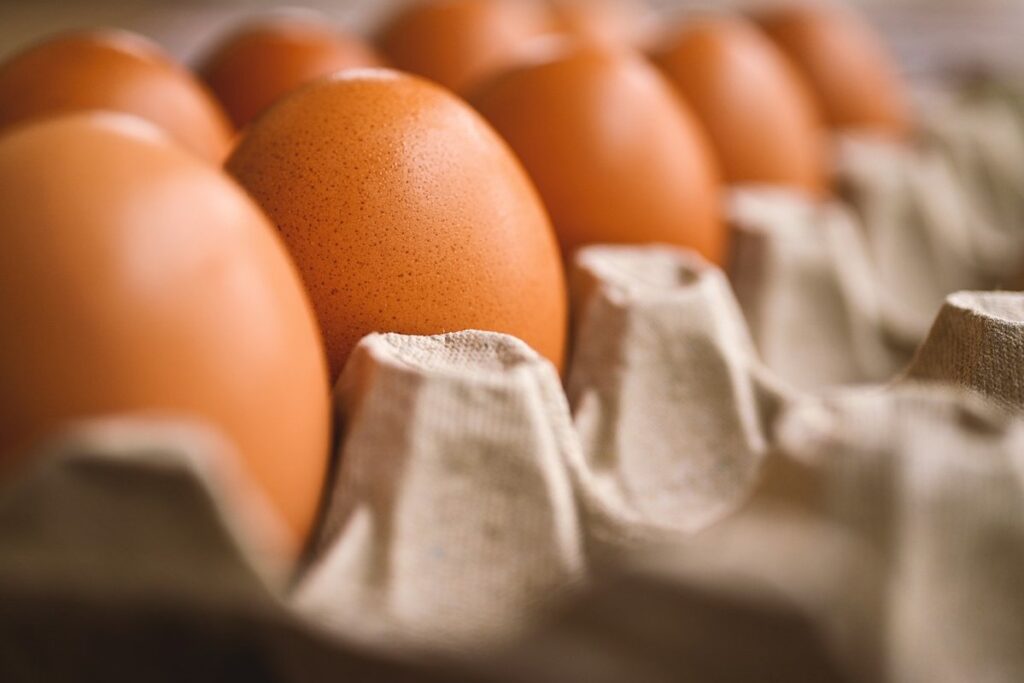
Call duck eggs are known for their unique characteristics, which set them apart from other breeds. In terms of size, call duck eggs tend to be slightly smaller than chicken eggs, averaging around 1.5-2 ounces (43-57 grams) and measuring about 1.25 inches (3.18 cm) long. However, some breed variations can produce larger or smaller eggs.
The shape of the egg is also distinctive, with a more elongated oval shape due to the duck’s reproductive system. The shell itself tends to be thinner than that of chicken eggs but stronger due to its composition. When it comes to coloration, call duck eggs are most commonly brown, often with darker or lighter shades depending on the individual bird and its diet.
Some breeders report a higher incidence of double yolks in call duck eggs compared to other breeds. However, this trait is not universal and may depend on various factors such as nutrition, breeding, and genetics. Regardless of size, color, or yolk count, call duck eggs are prized for their rich flavor and tender texture, making them a favorite among chefs and home cooks alike.
It’s essential to note that proper handling and storage techniques can make all the difference in preserving these delicate eggs’ quality.
Nutritional Content
Call duck eggs are often considered a delicacy due to their unique flavor and nutritional profile. When compared to chicken eggs, call duck eggs have several distinct characteristics when it comes to nutritional content.
One key difference lies in the protein composition of call duck eggs. They contain about 9 grams of protein per large egg, which is slightly lower than the 12-14 grams found in a comparable-sized chicken egg. However, this reduced protein content can be balanced by their higher fat content – typically around 10 grams per egg, compared to approximately 5 grams in a chicken egg.
In terms of vitamins and minerals, call duck eggs often contain more vitamin D (around 3-4 mcg per large egg) than their chicken counterparts. They also tend to have slightly lower levels of vitamin A but similar levels of other essential vitamins like B12 and E. Minerals such as calcium and phosphorus are also present in higher concentrations.
Call ducks, being a type of waterfowl, will incorporate aquatic plants into their diet which can impact the nutritional content further. As with any egg choice, it’s worth noting that actual nutrient values may vary based on factors like feed quality and individual bird health.
Raising Call Ducks for Eggs
If you’re looking to raise call ducks specifically for their eggs, this is where you’ll find the essential tips and tricks to help your flock thrive. We’ll cover everything from breed selection to egg collection.
Housing and Fencing Requirements
When it comes to raising call ducks for eggs, their housing and fencing requirements are crucial to ensure their security, health, and well-being. Call ducks need a safe space that protects them from predators such as foxes, coyotes, and hawks. A secure enclosure with sturdy fencing is essential to prevent escape attempts and keep intruders out.
For optimal living conditions, consider the following housing requirements:
* Provide an enclosed area of at least 2x3x4 feet for each pair of ducks
* Ensure adequate ventilation to maintain air quality and prevent ammonia buildup from droppings
* Keep their home clean by removing waste regularly and providing a dust bath area
When selecting fencing materials, choose durable options like chicken wire or hardware cloth that can withstand various weather conditions. The fence height should be at least 3 feet above the ground to prevent digging escape attempts. It’s also essential to consider the space around the coop for movement and exercise.
Remember, a happy duck is a healthy one. With proper housing and fencing, you’ll enjoy the benefits of raising call ducks for eggs while ensuring their happiness and well-being.
Feeding and Nutrition Plans
When it comes to feeding and nutrition plans for call ducks, several key considerations come into play. First and foremost, these birds require a balanced diet that is rich in protein and calcium, as these nutrients are essential for egg production. A layer feed specifically formulated for waterfowl can be an excellent option, but make sure to choose one that contains around 16-18% protein.
In addition to their regular feed, consider supplementing with crushed oyster shells or dark leafy greens like kale and spinach to provide extra calcium and vitamins. For breeding females, it’s crucial to ensure they receive a diet rich in energy and nutrients to support egg production and fertility. Consider adding mealworms or sunflower seeds to the mix for an extra boost of protein.
Aim to provide fresh water at all times, and consider setting up a feeding station that allows call ducks to eat comfortably without competition from other birds. This can be as simple as hanging feeders from trees or using a raised platform feeder. By paying close attention to your call duck’s dietary needs, you’ll be well on your way to raising healthy birds and collecting delicious eggs.
Call Duck Egg Production
Call duck egg production is a unique and fascinating process, requiring specific care and attention to ensure optimal health and fertility. In this next section, we’ll delve into the details of raising these special birds for their prized eggs.
Average Daily Yield
When it comes to egg production, call ducks are often compared to other popular breeds. One key metric is average daily yield (ADY), which measures the number of eggs laid by a single bird per day. Data shows that call ducks have an impressive ADY of around 5-6 eggs per week, or approximately 0.7-0.8 eggs per day.
For comparison, Leghorn hens, a popular commercial breed, typically lay around 280-300 eggs per year, which translates to about 0.6 eggs per day. This may not seem like a significant difference, but it’s essential for small-scale egg producers and backyard farmers who want to maximize their returns. Factors influencing egg production in call ducks include diet, health, and management practices.
A balanced diet rich in protein and calcium is crucial for supporting eggshell production. Providing access to fresh water, adequate lighting, and regular exercise also play a significant role. Additionally, managing stress levels can help maintain optimal egg production. By understanding the average daily yield of call ducks and implementing proper care and management strategies, you can optimize your flock’s performance and enjoy a bountiful harvest of delicious eggs.
Factors Affecting Egg Quality
Egg quality is heavily influenced by several factors that you can control as a call duck breeder. Let’s start with diet, which plays a crucial role in producing high-quality eggs. A balanced and nutrient-rich feed will ensure that your ducks receive essential vitamins and minerals necessary for optimal egg production.
For instance, calcium content in the feed is critical for strong eggshell development. Ensure that your feed contains around 3-4% calcium to support this process. Additionally, adequate protein levels are vital for producing high-quality eggs. As a general rule of thumb, a minimum of 16-18% protein should be present in the feed.
Health conditions can also significantly impact egg quality. Respiratory issues or internal parasites can lead to stress, which negatively affects egg production and quality. Therefore, maintaining good health practices through regular vaccinations, parasite control measures, and a clean living environment is essential.
Lastly, environmental conditions such as temperature fluctuations, humidity levels, and exposure to sunlight influence egg production and quality. Providing a balanced ecosystem with adequate ventilation, shade, and shelter will go a long way in promoting optimal egg production.
Cooking and Recipes for Call Duck Eggs
Now that you’re familiar with call duck eggs, let’s dive into some delicious recipes to get creative with your fresh eggs. We’ll share our favorite cooking methods and inspiring ideas.
Unique Flavors and Textures
Call duck eggs are prized for their distinct flavor profiles and textures, which set them apart from other types of eggs. When cooked, they exhibit a range of characteristics that make them a delight to cook with.
One of the most notable aspects of call duck eggs is their rich, buttery flavor, often described as having hints of sweet potato or corn. This unique taste is due in part to the ducks’ diet, which tends to include grains and vegetation. Chefs often note that cooking methods can enhance this natural flavor; for example, poaching brings out a subtle creaminess, while frying adds a crispy exterior.
Experimenting with different cooking techniques can also reveal other textural aspects of call duck eggs. Soft-boiling reveals the tender, almost custard-like yolk, while baking yields a firm yet moist white. If you’re feeling adventurous, try making a quiche or frittata using call duck eggs – the delicate balance between textures and flavors will be sure to impress your guests.
If you want to really unlock the potential of call duck eggs, consider adding aromatics like garlic or ginger during cooking to create an even more complex flavor profile.
Versatility in Breakfast, Lunch, and Dinner Dishes
One of the most significant advantages of call duck eggs is their incredible versatility. These eggs can be used in various dishes, making them an excellent addition to your kitchen repertoire. For breakfast, try incorporating scrambled call duck eggs into your favorite omelette recipe or add a fried egg on top of a toasted English muffin for a decadent brunch option.
For lunch, use call duck eggs as a substitute for regular chicken eggs in salads like Cobb or Caesar, where the rich flavor of the duck eggs pairs perfectly with grilled meats and crisp greens. You can also make a satisfying quiche using call duck eggs instead of traditional chicken eggs.
When it comes to dinner, get creative by making dishes like egg fried rice, using call duck eggs for added richness, or even incorporating them into pasta carbonara recipes. The possibilities are endless! To incorporate these versatile eggs into your meals, start by experimenting with different cooking methods and flavor combinations – the results will be well worth the effort.
Health Benefits and Allergenicity
Call duck eggs are not only a delicacy, but also packed with nutrients that can boost your health. We’ll explore their health benefits and allergenicity in more detail next.
Nutritional Profile vs. Chicken Eggs
When it comes to nutritional content, call duck eggs have some notable differences compared to their more common chicken egg counterparts. In terms of protein content, both types of eggs are relatively equal, with a large egg from either species containing approximately 6-7 grams of protein.
However, the fat profile is where you’ll notice some significant discrepancies. Duck eggs contain about 10% more fat than chicken eggs, and this extra fat tends to be more unsaturated – which can have positive effects on heart health when consumed in moderation. Another key difference lies in their yolk size: call duck eggs tend to have larger yolks relative to the overall egg size.
These variations might influence your decision-making process regarding dietary choices or special considerations, such as pregnant women’s needs for higher protein intake. While there are some differences, both types of eggs also share many similarities when it comes to nutritional content – like their rich stores of vitamins A and E, riboflavin, and minerals like zinc and iron.
It’s worth noting that the fat profile can impact cooking techniques – you may need to adjust your heat levels or cooking times depending on whether you’re working with duck or chicken eggs.
Allergic Reactions and Sensitivities
When it comes to call duck eggs, one of the most common concerns is their potential allergenicity. While they are considered a delicacy by many, there’s some good news for those who love them: research suggests that call duck eggs may be easier to digest than traditional chicken eggs.
This is likely due to the unique protein structure found in duck eggs, which contains a higher proportion of omega-3 fatty acids and lower amounts of histamine compared to chicken eggs. This can make them a better option for individuals with mild egg allergies or sensitivities. However, it’s essential to note that call duck eggs are not entirely hypoallergenic, especially for those with severe allergies.
If you’re considering adding call duck eggs to your diet, start by introducing small amounts and monitor your body’s response. Some people may still experience symptoms such as hives, itching, or digestive issues. If this occurs, it’s best to consult a healthcare professional for personalized advice on managing allergic reactions.
Conclusion: Raising and Enjoying Call Duck Eggs
Now that you’ve learned how to raise and cook call duck eggs, let’s talk about enjoying them at their best – from farm-fresh collection to table.
Recap of Key Points
Raising and enjoying call duck eggs is a unique experience that offers numerous benefits to backyard farming enthusiasts. As we’ve explored throughout this comprehensive guide, call duck eggs stand out for their distinct flavor profile, creamy texture, and versatility in the kitchen.
One of the key takeaways from our discussion on raising call ducks is the importance of choosing a reputable breeder and understanding local regulations regarding exotic poultry. This ensures that your flock thrives and you’re compliant with local laws.
In terms of cooking and preparing call duck eggs, we’ve highlighted their rich flavor and the need to adjust cooking times to avoid overcooking. Call duck eggs pair particularly well with Asian-inspired dishes, but they can also be used in traditional recipes with great success.
We’ve also touched on the nutritional benefits of call duck eggs, which offer a more concentrated source of protein and healthier fats compared to regular chicken eggs. This makes them an attractive option for those seeking a more sustainable and nutritious food choice.
Throughout this guide, we’ve emphasized the value of call duck eggs as a delicacy that rewards backyard farmers with a unique experience. By incorporating these eggs into your culinary repertoire, you’ll discover new flavors and textures that elevate your cooking to the next level.
Ultimately, raising and enjoying call duck eggs is about embracing a more self-sufficient lifestyle and exploring the joys of exotic poultry farming. As you conclude this journey through our comprehensive guide, remember to always prioritize animal welfare, sustainable practices, and delicious results!
Frequently Asked Questions
What is the ideal environment for raising call ducks for eggs?
Call ducks are adaptable to various climates, but they prefer temperate zones with moderate temperatures between 40°F and 80°F (4°C and 27°C). Ensure access to fresh water, adequate shelter, and protection from harsh weather conditions. Consider investing in a secure coop or enclosure that provides enough space for your call duck flock.
Can I mix call ducks with other poultry breeds on my farm?
Yes, call ducks can be integrated into existing flocks, but it’s essential to introduce them slowly to prevent stress and competition for resources. Monitor their behavior and adjust feeding schedules accordingly. Mixing breeds can lead to genetic diversity and enhance overall egg production.
How do I determine if my call duck eggs are fertile or infertile?
Fertility rates depend on various factors, including breed quality, nutrition, and environmental conditions. To assess fertility, collect eggs regularly and examine the contents for signs of development. Fertile eggs will typically exhibit embryo growth within 7-10 days after incubation.
What are some common health issues affecting call ducks, and how can I prevent them?
Common issues include respiratory problems, mites, and lice infestations. Regularly inspect your flock, maintain a clean coop, and provide adequate ventilation to reduce the risk of disease. Consider consulting with a veterinarian specializing in poultry care for tailored advice.
Can I substitute call duck eggs for chicken eggs in recipes, or do they require special handling?
Call duck eggs can be used interchangeably with chicken eggs in most recipes. However, their larger size and thicker shells may affect baking results. When substituting, adjust cooking times and temperatures as needed to avoid overcooking or undercooking the eggs.