
As a new parent to a batch of adorable ducklings, you’re likely wondering how to give them the best start in life. Raising happy and healthy baby ducks requires careful attention to their unique needs, from nutrition and health to socialization and housing. With so many factors to consider, it’s easy to feel overwhelmed by the responsibility of caring for these tiny balls of fluff. But don’t worry – with this comprehensive guide to baby duck care, you’ll be well-equipped to provide your feathered friends with everything they need to thrive. From expert advice on feeding and health checks to tips on creating a safe and stimulating environment, we’ve got you covered. Let’s dive in and explore the essentials of raising happy and healthy ducklings together!
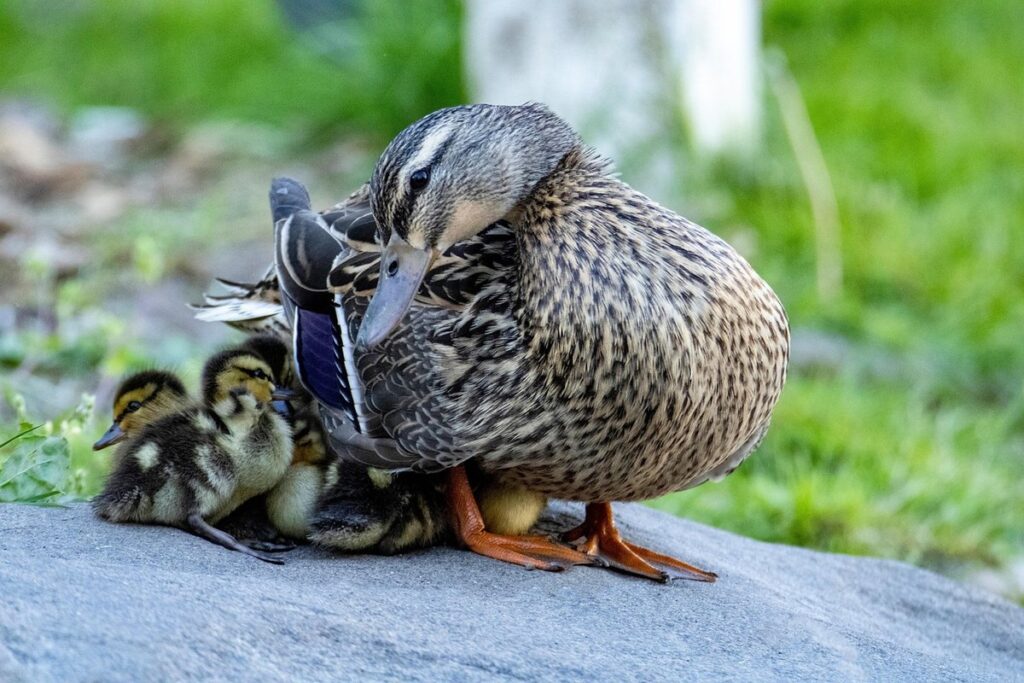
Introduction to Raising Baby Ducks
Raising baby ducks can be a fun and rewarding experience, but it requires some essential knowledge to get started. In this section, we’ll cover the basics of caring for your new feathered friends from day one.
Understanding the Basics of Duck Parenting
Raising baby ducks requires dedication and attention to their specific needs. Before diving into the more detailed aspects of care, it’s essential to understand the basics of duck parenting. As a responsible owner, you’ll need to provide a safe environment, nutritious food, and proper healthcare for your feathered friends.
When it comes to caring for baby ducks, you’ll be responsible for their entire life cycle, from hatching to maturity. This means ensuring they receive adequate nutrition, including starter feed specifically formulated for ducklings. You’ll also need to provide a clean and well-ventilated space, as ducklings can quickly become stressed in unsanitary conditions.
Proper care involves daily tasks such as feeding, monitoring water quality, and keeping an eye out for signs of illness or injury. It’s crucial to recognize the warning signs of common health issues, like scours (diarrhea) or respiratory problems, so you can take prompt action. With a little knowledge and patience, you’ll be well-equipped to provide the best possible start in life for your baby ducks. By understanding these fundamental responsibilities, you’ll be better prepared for the joys and challenges of raising happy, healthy ducklings.
Choosing the Right Breed and Environment
When it comes to raising baby ducks, choosing the right breed and environment is crucial for their health and well-being. Not all breeds of ducks are suitable for beginners, so it’s essential to research and select a breed that fits your lifestyle and experience level.
Consider factors such as space, noise, and egg production when selecting a breed. For example, Muscovy ducks are known for being low-maintenance and quiet, while Khaki Campbells are prolific egg-layers but can be quite vocal. If you’re a beginner, it’s best to start with a hardy breed like Pekin or Call ducks.
In terms of environment, baby ducks need a safe and clean space to grow. Provide a secure enclosure with adequate ventilation, protection from predators, and easy access for feeding and cleaning. Ensure the area is free from drafts and extreme temperatures. Also, make sure to set up a designated brooder for the first few weeks to simulate a natural nest environment.
When it comes to diet, baby ducks need a starter feed specifically formulated for young waterfowl. This will ensure they receive essential nutrients for growth and development. Provide fresh water at all times, and ensure their living space is kept clean to prevent disease.
Nutrition and Feeding Baby Ducks
When it comes to raising baby ducks, proper nutrition is crucial for their growth and development. In this section, we’ll discuss how to feed your ducklings a balanced diet.
Understanding Duckling Nutritional Needs
When it comes to feeding baby ducks, understanding their nutritional needs is crucial for their growth and development. Baby ducks require a diet rich in protein to support their rapid growth rate. As ducklings, they need about 20-25% protein in their diet, which can come from sources like mealworms, crickets, or commercial duck starter feed.
In addition to protein, baby ducks also require essential vitamins and minerals such as vitamin A, vitamin D3, calcium, and phosphorus. Vitamin A is crucial for eye health, while vitamin D3 helps regulate calcium absorption in the body. Calcium and phosphorus are vital for building strong bones and beak development.
To ensure your ducklings get all the necessary nutrients, it’s essential to provide a balanced diet that includes a mix of protein sources and commercial feed. For example, you can offer a combination of mealworms, crickets, and duck starter feed. Additionally, providing fresh water and a shallow dish for foraging will also help support their nutritional needs. A well-planned diet will not only promote healthy growth but also set your baby ducks up for a happy and thriving adult life.
Preparing a Balanced Diet for Baby Ducks
Preparing a balanced diet for baby ducks is crucial for their growth and development. As a responsible duck owner, you want to ensure that your ducklings are getting the nutrients they need to thrive.
Commercial duck feed is readily available at most pet stores or online, but it’s essential to supplement their diet with fresh fruits and vegetables. For example, dark leafy greens like kale and spinach are rich in iron, calcium, and vitamins A and K. Other nutrient-dense options include sweet potatoes, carrots, and berries.
Homemade feed recipes can also be a great option for providing variety to your ducklings’ diet. You can mix together oats, wheat, and corn with fruits and vegetables like apples, bananas, and squash. However, it’s crucial to ensure that any homemade feed recipe is well-balanced and provides the necessary nutrients for growth.
To avoid nutritional deficiencies, consider consulting with a veterinarian or poultry expert to determine the best diet for your ducklings. By providing a balanced mix of commercial and homemade feeds, you can help your baby ducks grow strong, healthy, and full of energy.
Health Care and Common Ailments
As a new duck parent, you’ll want to be aware of potential health issues that can arise in your baby ducks. Here’s what to know about common ailments and how to keep them healthy.
Recognizing Signs of Illness in Ducklings
As you care for your baby ducklings, it’s essential to be aware of common health issues that can arise. Respiratory problems are a frequent concern, especially during the first few weeks after hatching. Look out for signs such as labored breathing, wheezing, or difficulty swallowing food. If you notice any of these symptoms, seek veterinary attention promptly.
Another issue to watch for is parasites like mites, lice, or fleas. These can cause discomfort, weight loss, and even anemia in severe cases. Check your ducklings regularly for signs of infestation, such as excessive scratching, droppings around the vent area, or a dull appearance.
Keep an eye on your ducklings’ overall behavior and appetite. A decrease in feeding or lethargy can indicate underlying health issues. Monitor their stool quality too; diarrhea or bloody droppings may signal infections or parasites.
Early detection is crucial for effective treatment and preventing complications. Familiarize yourself with the common signs of illness to provide prompt care and ensure your ducklings’ well-being. Regular veterinary check-ups will also help identify potential problems before they become serious.
First Aid and Emergency Veterinary Care
As a duck breeder or owner, it’s essential to be prepared for accidents and emergencies that may occur with your baby ducks. Basic first aid techniques can make all the difference in treating minor injuries and preventing them from becoming more severe.
When it comes to minor injuries, clean the wound thoroughly with soap and water to prevent infection. Apply antibiotic ointment and cover the area with a bandage. For example, if a duck gets a cut on its foot, you can use a small amount of petroleum jelly to protect the area and promote healing.
However, not all situations are minor. If your baby duck is showing signs of distress such as labored breathing, lethargy, or bloody discharge, seek veterinary attention immediately. Other warning signs include severe cuts or lacerations, broken bones, or difficulty walking. Don’t hesitate to contact a local veterinarian experienced in caring for waterfowl if you’re unsure about the severity of an injury.
In addition to knowing when to seek help, it’s also essential to keep a list of emergency contact numbers handy, including your vet and a nearby animal hospital. This can save precious time in case of an unexpected situation.
Housing and Environmental Considerations
When it comes to providing a happy and healthy home for your baby ducks, their housing and environmental needs must be carefully considered. You’ll want to ensure they have adequate space to grow and thrive.
Creating a Safe and Comfortable Space for Ducklings
When it comes to creating a safe and comfortable space for ducklings, it’s essential to prioritize their needs from the very beginning. Adequate shelter is crucial to protect them from predators, harsh weather conditions, and drafts that can lead to respiratory issues.
A suitable enclosure should provide enough ventilation to prevent ammonia buildup from their droppings. A good rule of thumb is to ensure there are at least 2-3 square feet of floor space per duckling inside the coop or pen. This will also allow them ample room to move around and exercise freely, promoting healthy growth and development.
When setting up your ducklings’ living area, consider adding some hiding spots like boxes or plants to help them feel secure. It’s also vital to provide a shallow pool of water for bathing and swimming, as this is an essential activity for young ducks.
Maintaining a Clean Environment and Preventing Disease Transmission
When it comes to caring for your baby ducklings, maintaining a clean environment is crucial not only for their health but also for preventing disease transmission. A dirty living area can quickly become a breeding ground for bacteria and germs that can make your ducklings sick.
To keep the living area clean, make sure to remove any soiled bedding material daily and replace it with fresh, dry bedding. This includes cleaning out the duck house or pen, removing any wet or contaminated material, and disinfecting all surfaces with a pet-safe cleaner.
Regularly managing waste is also essential in preventing disease transmission. Remove droppings from the living area as soon as possible to prevent ammonia buildup and bacterial growth. You can use a shovel or scoop to remove solid waste, making sure to dispose of it properly.
Additionally, ensure that your ducklings have access to clean water at all times. Change the water frequently, and make sure the water is fresh and free from bacteria. This simple yet crucial step can help prevent diseases such as avian cholera and botulism.
By following these tips, you’ll be able to maintain a clean environment for your baby ducklings and reduce the risk of disease transmission. Remember, a healthy environment starts with cleanliness, so make it a habit to regularly inspect and clean their living area to keep them happy and thriving!
Socialization and Training
Socializing your baby duck is crucial for its development, so we’ll cover how to introduce it to other animals, people, and environments safely. This will also touch on basic training techniques to ensure a well-behaved adult duck.
Introducing Baby Ducks to Humans and Other Animals
Introducing baby ducks to humans and other animals is a crucial step in their socialization process. As you know, ducklings are naturally curious and tend to follow their mother’s lead. However, they can quickly become stressed or fearful if exposed to new environments and individuals too suddenly.
To avoid this, it’s essential to introduce them gradually, allowing them to get accustomed to new sights, sounds, and smells. Start by placing the duckling in a safe, enclosed area where they can see people but are not directly interacting with them. Reward calm behavior with treats to associate humans with positive experiences.
Once they seem comfortable, you can progress to supervised interactions with gentle, calm adults. Be cautious when introducing multiple animals, as even friendly ducks may fight or stress if their personal space is invaded. Monitor their behavior closely and intervene if necessary to prevent any harm. With patience and careful planning, your ducklings will become tame and confident around humans and other animals, making them a joy to care for.
Basic Training Techniques for Baby Ducks
Housebreaking baby ducks requires patience and consistency. Establish a designated area for them to relieve themselves, such as a litter box or a designated potty spot outside. Supervise them frequently to catch on quickly to this new behavior. Reward good behavior with treats when they successfully use the designated area.
Teaching basic commands is also essential in developing good habits and strengthening your bond with your ducklings. Start by getting their attention using their name, then introduce simple commands like “come,” “stay,” and “follow.” Use positive reinforcement techniques such as offering treats or praise when they respond correctly. Be consistent and patient, as this process may take time.
Building a strong relationship with your baby ducks is crucial for successful training and socialization. Handle them gently but frequently to help them become comfortable with human interaction. Provide a safe and nurturing environment that encourages exploration and play. By establishing trust through positive interactions, you’ll be well on your way to developing well-behaved, confident ducklings.
Advanced Care and Management
Now that you’ve learned the basics of caring for your baby duck, it’s time to dive into more advanced techniques for maintaining their health and well-being. In this next section, we’ll explore specialized care tips.
Monitoring Growth and Development
As baby ducks grow and develop, it’s essential to monitor their progress regularly. This will help you identify potential issues early on and adjust their care accordingly. Start by tracking milestones such as weight gain, feather growth, and swimming ability.
Typically, ducklings grow 2-3 inches per week, doubling in weight every three days. Monitor their weight daily, using a digital scale for accuracy. Compare their weight to breed-specific charts or consult with a veterinarian if you’re unsure.
Pay attention to changes in behavior, such as increased energy levels or appetite. These can indicate growth spurts or potential health issues like respiratory problems or parasites. Check for signs of infection, like labored breathing, discharge from the eyes or nostrils, or lethargy.
Regularly inspect their living space and water quality to prevent bacterial infections. Adjust their diet if you notice changes in droppings or overall health. Keep records of feeding schedules, weight checks, and any notable events to inform your care decisions. This will help ensure a happy, healthy baby duck that thrives under your care.
Integrating Ducklings into Your Family or Farm
Transitioning ducklings to larger spaces and introducing them to existing animals can be a challenging but crucial part of their development. As they grow, it’s essential to provide them with ample space to forage, exercise, and socialize. A good rule of thumb is to increase the enclosure size by at least 50% every few weeks as the ducklings mature.
When introducing ducklings to existing animals, do so gradually to avoid stressing either group. Start by keeping them separated but allowing visual contact before slowly integrating them under close supervision. For example, if you have adult chickens in the same yard, begin by placing a fence between the two groups and then remove it once they seem comfortable with each other’s presence.
To manage their integration into your household or farm, establish clear routines for feeding, cleaning, and monitoring their health. Regularly inspect the enclosure to ensure it remains escape-proof and provides adequate ventilation and shelter from predators. Remember that ducklings are naturally curious and can easily get into trouble if not properly supervised, so make sure to set aside dedicated time for observing and interacting with them.
Frequently Asked Questions
How often should I clean the ducklings’ environment to prevent disease transmission?
Regular cleaning is crucial to maintaining a healthy environment for your baby ducks. Aim to clean their enclosure at least twice a week, removing soiled bedding and disinfecting any surfaces with a mild detergent. This will help reduce the risk of disease transmission and keep your feathered friends happy and healthy.
What are some common health issues I should be aware of in baby ducks?
Ducklings are susceptible to certain health issues, including respiratory problems, parasites, and bacterial infections. Keep an eye out for signs of illness, such as labored breathing, diarrhea, or lethargy. Consult with a veterinarian experienced in caring for waterfowl if you notice any unusual behavior or symptoms.
How do I introduce my baby ducks to other animals on the farm?
When introducing ducklings to other animals, do it slowly and under close supervision. Start by keeping them separate but allowing visual contact, then gradually increase their interaction time while monitoring their behavior. This will help prevent stress and ensure a peaceful coexistence with your other livestock.
What is the best way to handle a baby duck that’s fallen ill or injured?
If you notice a duckling acting lethargic or showing signs of injury, isolate it immediately and consult with a veterinarian as soon as possible. In case of an emergency, have a first-aid kit on hand with supplies specifically designed for waterfowl care, such as antibiotic ointments and gauze.
Can I raise baby ducks in a small backyard space, or do I need a large farm area?
With proper planning and attention to detail, you can successfully raise ducklings in a small backyard space. Ensure the enclosure is escape-proof, predator-proof, and provides adequate shelter from wind, sun, and rain. Research specific breed requirements for optimal growth and consider integrating them into your family’s daily routine for socialization and training.