
Are you fascinated by these beautiful feathered creatures but unsure about distinguishing one duck breed from another? With over 100 recognized breeds, identifying ducks can be a daunting task. Whether you’re an avid duck enthusiast, a backyard farmer, or simply someone who appreciates their unique charm, being able to identify different duck breeds is essential for many reasons.
This guide aims to break down the process of duck breed identification into manageable parts, making it accessible to beginners and seasoned experts alike. We’ll delve into classification systems used by waterfowl enthusiasts and breeders worldwide. By understanding these systems, you’ll be better equipped to recognize key features such as plumage patterns, body size, and temperament. In this article, we’ll cover the basics of duck identification, providing practical tips and expert insights along the way.
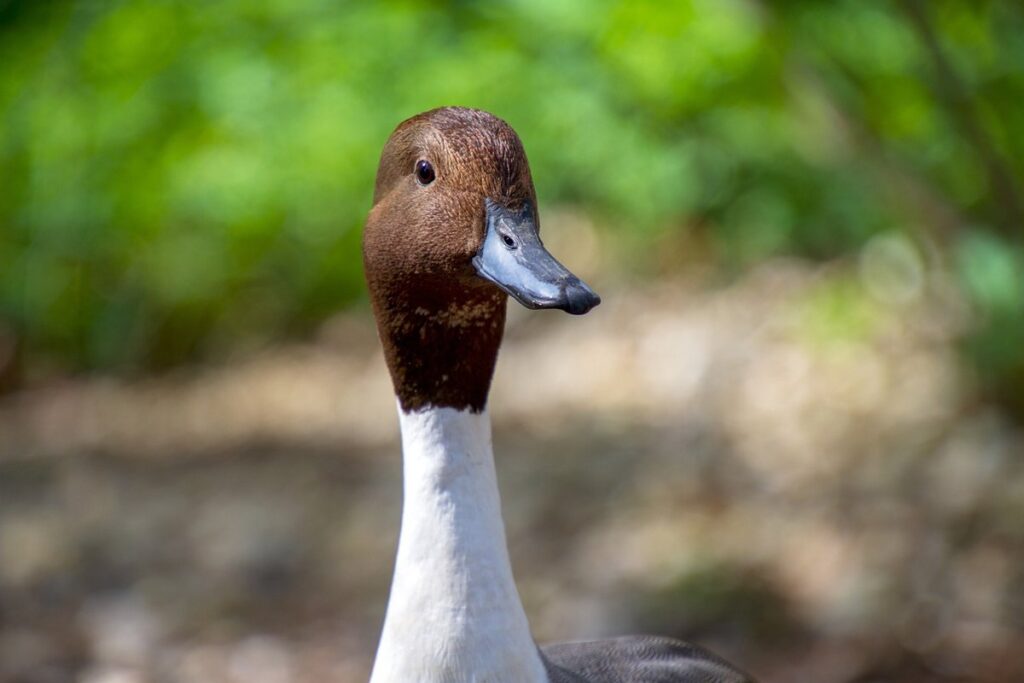
Understanding the Basics of Duck Breeds
Let’s start by exploring the fundamental characteristics that define duck breeds, such as size, egg-laying ability, and feather type. This understanding will be the foundation for identifying your perfect match among over 100 recognized breeds.
The Importance of Knowing Duck Types
Knowing the different types of ducks is essential for anyone looking to add these wonderful birds to their backyard flock. With over 100 recognized breeds worldwide, each with its unique characteristics and uses, understanding duck breeds can seem overwhelming at first. However, it’s crucial to know the basics of various duck breeds to make informed decisions when selecting your dream breed.
Different duck breeds are suited for specific purposes, such as egg production, meat production, or even companionship. For instance, Khaki Campbells and Golden 300s are popular choices for their high egg-laying abilities, while Muscovy ducks are prized for their flavorful meat. On the other hand, wood ducks and mergansers are often kept as pets due to their striking appearance and docile nature.
Knowing your duck’s breed can also help you predict its temperament, noise level, and space requirements. This information is invaluable when deciding on the ideal location for your coop or determining how many ducks you can comfortably care for. By understanding the characteristics of various breeds, you’ll be better equipped to create a harmonious and thriving flock that meets your needs and provides endless joy.
Duck Classification Systems
Duck breeds can be broadly categorized into three main types based on their intended use: meat, egg, and ornamental. Meat ducks are large and muscular birds bred specifically for their meat production. They have dense bodies and a higher feed conversion ratio, which means they require more food to produce the same amount of weight as other breeds.
On the other hand, egg-laying duck breeds are smaller in size with a lighter body structure. They lay more eggs per year than meat ducks but at a slower rate. Ornamental duck breeds come in various shapes and sizes and are primarily kept for their unique appearances or temperaments. Factors such as feathering, plumage color, and temperament also play significant roles in determining the classification of duck breeds.
Understanding these classifications can help you narrow down your search when looking for a specific breed to suit your needs. For example, if you’re interested in raising ducks for meat production, look for breeds like Pekin or Muscovy, while those seeking egg-laying capabilities may consider Khaki Campbell or Indian Runner.
Recognizing Waterfowl Families and Their Characteristics
To identify your dream duck breed, it’s essential to understand the characteristics of different waterfowl families. Let’s explore some key traits that will help you narrow down your search.
Anas Ducks: A Look at Migratory Ducks
Anas ducks are one of the most recognizable and widespread families of waterfowl. With over 30 species worldwide, they’re a popular choice for duck enthusiasts. So, what makes anas ducks so distinct? One of their defining characteristics is their physical appearance – most have brown or gray plumage with distinctive markings on their heads and necks.
In terms of behavior, anas ducks are known to be social birds that thrive in large flocks. You can often spot them foraging together in shallow water or migrating in massive groups across continents. When it comes to habitat, anas ducks prefer wetlands, marshes, and slow-moving rivers where they can feed on aquatic plants.
If you’re trying to identify an as duck in the wild, look for their distinctive calls – most make a loud quacking noise. Pay attention to their body size too – some species like the American Wigeon are relatively small, while others like the Merganser are quite large. By recognizing these characteristics and behaviors, you can confidently spot anas ducks in various environments and even begin to narrow down your dream duck breed selection.
Dabbling Ducks: Physical and Behavioral Traits
Dabbling ducks are one of the most common and easily recognizable types of waterfowl. They’re known for their distinctive feeding habits, where they wade into shallow water to graze on aquatic plants, insects, and small crustaceans. This behavior is often accompanied by a “dabbling” motion, as if they’re dipping their beaks in and out of the water with each bite.
In terms of physical characteristics, dabbling ducks typically have broad, flat beaks that are perfect for scooping up vegetation and small prey. Their bodies are usually streamlined and compact, allowing them to move quickly through the water with ease. They often sport distinctive markings on their feathers, such as bright colors or intricate patterns, which can help you identify specific breeds.
When it comes to nesting patterns, dabbling ducks tend to build their nests in sheltered areas, such as thick vegetation or underbrush. They’ll often lay 8-12 eggs per clutch and incubate them for about a month before the ducklings hatch. By recognizing these physical and behavioral traits, you can better identify dabbling ducks and distinguish them from other breeds.
Key Identification Features of Popular Duck Breeds
Let’s dive into the key identification features of popular duck breeds, helping you pinpoint which breed is right for your feathered family. From beak shape to plumage patterns, we’ll break it down.
Identifying Pekin Ducks
Pekin ducks are one of the most recognizable breeds due to their unique characteristics. To identify a Pekin duck, look for its size: they typically weigh between 8 and 11 pounds (3.6 to 5 kg) and measure around 18-20 inches (45-50 cm) in length.
Their coloration is another distinctive feature – Pekins are usually white with some minor red or yellow markings on the wings, tail, and head. However, it’s essential to note that their plumage can be affected by environmental factors, so don’t solely rely on visual inspection.
Another key characteristic of Pekin ducks is their featherless legs and feet, which can help distinguish them from other breeds. Their beak shape and size are also typical: broad and rounded at the base with a slight curve, roughly 1-2 inches (2.5-5 cm) long.
If you’re still unsure whether the duck in question is a Pekin, pay attention to its behavior – they tend to be friendly, docile, and relatively quiet compared to other breeds.
Muscovy Ducks: Unique Traits and Identification Tips
Muscovy ducks are one of the most recognizable breeds due to their distinctive physical characteristics. One of the most notable features is their bright red wattles, which hang from the base of the throat. These vibrant feathers not only add a pop of color but also serve as an important identifier for this breed. Muscovy ducks can be easily distinguished by their bare feet, which lack the webbing found in many other duck breeds.
When identifying muscovy ducks, look for these telltale signs: their large size, weighing between 8 and 12 pounds, and their broad, rounded heads with a distinctive casque or horn-like structure on top. The beak is typically orange-red in color, adding to the overall visual appeal of this breed.
To confidently identify muscovy ducks, observe their behaviors as well. They are known for being quite aggressive when defending their territory, so watch out for hissing and flapping wings if you’re trying to approach them. Despite their feisty nature, muscovy ducks make fascinating pets due to their unique characteristics and interesting personalities.
Factors Affecting Duck Behavior and Appearance
When it comes to identifying your dream duck breed, understanding how various factors can impact their behavior and appearance is crucial for making an informed decision. Genetics, environment, and diet all play a significant role in shaping your duck’s characteristics.
Environmental Influences on Duck Behavior
When it comes to duck behavior and appearance, environmental factors play a significant role. Climate, for instance, can greatly influence a duck’s feather development, growth rate, and overall health. Some breeds are better suited to hot climates than others, while some require a certain level of cold hardiness.
A duck’s habitat also has an impact on its behavior. A breed that thrives in open spaces may become anxious or stressed when confined to a small enclosure. Conversely, ducks that prefer close quarters may become aggressive if housed with dominant breeds. Social interactions are another crucial aspect to consider. Some ducks are flock-oriented and require the company of their own kind, while others can be kept alone.
Genetics also play a part in shaping a duck’s traits, but it’s not the only factor at play. Environmental influences can often amplify or suppress genetic predispositions, making it essential to understand how external factors interact with an individual breed’s inherent characteristics. By taking into account these environmental influences and your living situation, you’ll be better equipped to identify the ideal duck breed for your needs.
Health and Nutrition: How They Impact Duck Appearance and Behavior
When it comes to identifying your dream duck breed, understanding the factors that affect their behavior and appearance is crucial. One of the most significant contributors to a duck’s overall well-being is their health and nutrition.
A balanced diet rich in essential nutrients is vital for maintaining healthy plumage, skin, and weight. A duck that is malnourished or has poor dietary habits may exhibit visible signs such as dull feathers, brittle beak, and lethargy. Conversely, a well-fed duck with access to fresh water and a diverse diet will have lustrous feathers, strong immune system, and energetic behavior.
In addition to nutrition, health plays a significant role in determining a duck’s physical characteristics and behaviors. Regular veterinary check-ups can help identify underlying health issues that may affect appearance or behavior. For instance, ducks with respiratory problems may exhibit labored breathing or produce excessive mucus, while those suffering from parasites may display erratic behavior.
To ensure your dream duck breed is healthy and well-adjusted, provide a balanced diet, fresh water, and regular veterinary check-ups. This will not only enhance their physical appearance but also promote a happy and energetic demeanor.
Common Misidentifications and Tips for Avoiding Them
To ensure you’re confident in your duck breed identification, let’s explore some common misidentifications that even experienced enthusiasts might make. We’ll also share expert tips to help you avoid these mistakes.
Avoiding Mistaken Identities
When it comes to identifying duck breeds, mistakes can be costly – both financially and emotionally. To avoid mistaken identities, it’s essential to familiarize yourself with the key features of each breed. One common error is misjudging size: some breeds appear larger or smaller than they actually are due to feathering. For example, the Bantam Khaki Campbell may look similar in size to a standard Pekin duck, but upon closer inspection, its feathers are more compact and rounded.
Another mistake is confusing plumage patterns – different breeds can have strikingly similar markings that lead to misidentification. Take the Rouen and Wood Duck, for instance: both feature iridescent sheens on their feathers, making them easily mistaken at first glance. To avoid this, pay attention to the overall shape of the duck’s head, neck, and body.
To accurately identify a duck breed, examine its webbed feet – different breeds have distinct foot shapes and sizes. The Mandarin Duck, for example, has larger, more robust feet compared to the tiny, delicate feet of the Golden 300 Hybrid. By paying attention to these distinguishing features, you’ll be well on your way to confidently identifying your dream duck breed.
Advanced Identification Techniques
When you’ve exhausted basic identification methods and are still unsure about the duck breed in front of you, it’s time to take your skills to the next level with advanced techniques. One essential tool for any serious duck enthusiast is a comprehensive field guide. Look for one that includes detailed descriptions, high-quality photographs, and illustrations of various breeds.
In addition to field guides, online resources can also be a valuable asset in identifying ducks. Websites like the American Bantam Association or the Duck Breeders Association offer breed-specific information, including breeding standards, temperament profiles, and historical notes. Online forums and social media groups dedicated to duck enthusiasts are also great places to ask for expert advice or share photos of your bird.
Consulting with experienced breeders or taking a beginner’s course can also provide you with hands-on training in identifying ducks. By combining these resources with your own observations and experience, you’ll be well on your way to becoming a confident duck breed identifier.
Putting Your Knowledge into Practice: Tips for Beginners
Now that you’ve identified your dream duck breed, let’s get hands-on and explore some valuable tips to help you care for your new feathered friends. We’ll walk through essential knowledge to ensure a happy and healthy flock.
A Beginner’s Guide to Identifying Duck Breeds
When starting out on your duck breed identification journey, it can be overwhelming to know where to begin. The first step is to familiarize yourself with the different categories of ducks, which include Bantams, Runners, and Perdrix. Understanding these main groups will help you narrow down your search for a specific breed.
To get started, invest in a good field guide or reference book that features photographs and descriptions of various duck breeds. A portable magnifying glass can also come in handy when examining feather patterns and coloration up close. Additionally, join online forums or social media groups dedicated to waterfowl enthusiasts – these platforms are an excellent resource for connecting with experts and learning from their experiences.
Don’t be afraid to ask questions, whether it’s a fellow enthusiast or a veterinarian specializing in poultry care. They can provide valuable insights into the specific needs and characteristics of various breeds, helping you make an informed decision when selecting your dream duck breed.
Expert Insights: Advanced Identification Techniques and Best Practices
As you delve deeper into duck breed identification, it’s essential to learn from experienced duck breeders and enthusiasts who have honed their skills over time. One of the most critical aspects of advanced identification is recognizing subtle physical characteristics that distinguish one breed from another.
For instance, identifying a specific breed can be as simple as looking at the shape and color of the beak or the pattern of feathers on the head. Experienced duck breeders know to examine the bird’s profile, taking note of the slope of the forehead, the shape of the ears, and the overall symmetry of the features.
To apply this knowledge in real-life situations, start by studying images and videos of different breeds from various angles. Practice identifying physical characteristics such as feather patterns, beak shapes, and body proportions. As you become more confident, try to identify ducks at local breed clubs or events. This hands-on experience will help solidify your understanding of advanced identification techniques and best practices.
In addition to visual identification, experienced duckers also use other methods like observing behavior, hearing the distinctive calls of different breeds, and even smelling the unique scent of certain breeds. By incorporating these advanced techniques into your identification process, you’ll become more proficient in distinguishing between various duck breeds.
Frequently Asked Questions
How do I apply the knowledge of duck breed classification systems to real-life situations?
When identifying ducks, consider factors like habitat, climate, and intended use (e.g., eggs, meat, or companionship). This helps narrow down breeds that are suitable for your specific situation. Consult breeders, experts, or online resources for guidance on choosing breeds tailored to your needs.
What are some common mistakes people make when trying to identify duck breeds?
Newcomers often confuse similar-looking breeds or overlook distinctive features like head shape, bill size, or feather patterns. Familiarize yourself with key identification characteristics and consult reference materials to ensure accuracy. Practice identifying ducks in different settings and conditions to build your skills.
Can I use photographs alone to accurately identify a duck breed?
While photos can be helpful, they may not always reveal crucial details like plumage texture or temperament. Observing the bird’s behavior, size, and overall appearance in person is essential for confident identification. Consult multiple sources, including breeders, experts, and online forums, to cross-reference your findings.
How do environmental factors influence duck behavior and appearance?
Environmental influences like climate, diet, and living conditions can significantly impact a duck’s behavior and appearance. Be aware of these factors when observing ducks in different settings. Consider how they might affect the breed you’re trying to identify, and adjust your expectations accordingly.
Are there any specific tools or resources I should use for advanced duck identification?
For experienced enthusiasts, consider using reference guides like waterfowl encyclopedias or online databases. These resources often provide detailed information on breed characteristics, genetic lineage, and other advanced topics. Consult with experts or join specialized forums to learn about the latest techniques and best practices in duck identification.