
Raising healthy ducks requires attention to detail, especially when it comes to their development. One crucial aspect that often gets overlooked is the growth and care of duckling wings. As your feathered friends take their first wobbly steps out of the nest, it’s essential to monitor their wing development to prevent injuries or diseases later on. But how do you know if your ducklings are growing healthy wings? And what can you do to ensure they’re strong enough for flying and swimming?
In this article, we’ll explore the importance of duckling wing care and provide tips on identifying potential problems early on. We’ll cover signs of unhealthy wings, discuss preventative measures, and share expert advice on how to raise happy, healthy ducks with well-developed wings. By the end of this post, you’ll be better equipped to give your feathered friends the best possible start in life.
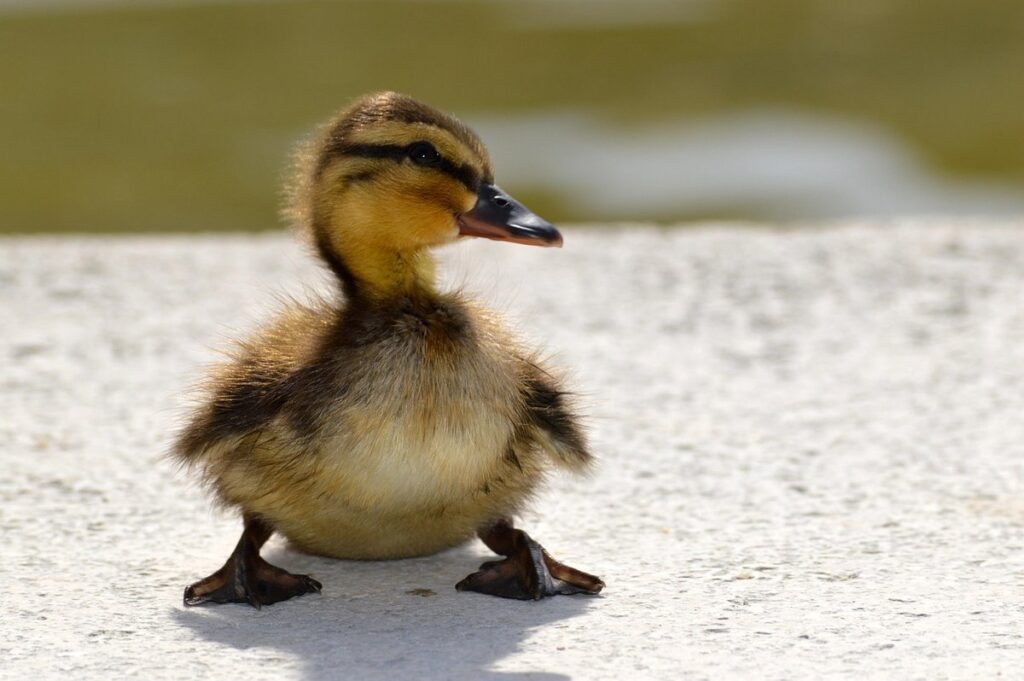
Understanding Duckling Development
Understanding how ducklings grow and develop their wings is crucial for recognizing potential issues that might affect their health and overall well-being later on. Let’s take a closer look at this critical stage of growth.
Anatomy and Function of Duckling Wings
A duckling’s wing is a remarkable feature that plays a vital role in its development and growth. At birth, ducklings have partially formed wings with 3 primary flight feathers and 10-12 secondary feathers. The wing consists of three bones: the humerus (upper arm), radius and ulna (forearm), and carpometacarpus (wing bones). These bones are connected by powerful muscles that enable flapping and movement.
As ducklings grow, their wings develop rapidly. By around 4-6 weeks, they have developed enough to support themselves when swimming or standing. However, it’s essential to note that ducklings need time to fully mature before they can fly effectively. A safe rule of thumb is to wait until they are at least 8-10 weeks old.
In addition to providing structure and support, the wing also plays a critical role in regulating body temperature. When cold, ducks will often use their wings to cover themselves, trapping warm air next to the skin. This behavior helps them conserve energy during harsh weather conditions.
Factors Influencing Wing Growth
Genetics play a significant role in wing growth, with some breeds naturally having larger wings than others. For instance, Muscovy ducklings tend to have longer wings compared to Khaki Campbell ducklings. As a breeder, understanding the genetic potential of your flock can help you anticipate and plan for wing development.
Nutrition also significantly impacts wing growth. A diet rich in protein and calcium is essential for feather and bone development. For example, adding crushed eggshells or oyster shells to their feed provides an extra boost of calcium. However, over-supplementation with calcium can lead to kidney stones, so moderation is key. It’s also important to ensure ducklings have access to fresh water at all times.
Environmental conditions such as light exposure and temperature play a crucial role in wing development. Adequate lighting is necessary for feather growth, while temperatures that are too cold or hot can hinder wing development. For instance, providing supplemental heat lamps during extremely cold weather can help ensure healthy wing growth.
Recognizing Signs of Healthy or Unhealthy Duckling Wings
When it comes to raising healthy ducks, being able to recognize signs of good or bad wing development is crucial for their overall well-being and mobility. Let’s take a closer look at what to expect in a developing duckling.
Normal Wing Development Milestones
At around 1-2 weeks old, you’ll start to notice your duckling’s wing buds forming underneath their feathers. These tiny protrusions will gradually grow and develop into wings over the next few weeks. By about 3-4 weeks of age, the primary flight feathers should begin to emerge, with the first visible sign being a small quill feather that pokes out from under the wing tip.
Keep in mind that ducklings typically reach their full wing span by around 6-8 weeks old. During this time, you’ll notice significant changes in the shape and structure of their wings as they begin to resemble adult ducks’. Be on the lookout for any deviations from these milestones, such as a delayed or uneven growth pattern.
By observing your ducklings’ wing development closely, you can identify potential health issues early on. For instance, if you notice any unusual feather alignment, excessive feather loss, or difficulty flapping their wings, it may be a sign that something is amiss. Regular monitoring and attention to these milestones will help you ensure your ducklings are developing strong, healthy wings essential for flying and navigating their surroundings effectively.
Identifying Common Wing-Related Issues
When it comes to raising healthy ducks, it’s essential to be aware of common issues that can affect their wing development. Deformities are one of the most critical problems you may encounter, where the wings grow at an abnormal angle or shape. This can cause difficulties for the duckling when flying, walking, and even perching.
Injuries are another significant concern during this period. Ducklings are naturally curious and love to explore their surroundings, which often puts them at risk of getting hurt while playing with their siblings or navigating obstacles in their enclosure. Diseases like mites, lice, or fungal infections can also cause wing damage or discomfort for your duckling.
Some signs that indicate a potential issue include uneven growth, swollen joints, or reluctance to move around. If you notice any of these symptoms, it’s crucial to inspect the affected area closely and consult with a veterinarian if necessary. By being proactive and vigilant, you can catch problems early on and provide proper care for your duckling’s wings to develop healthily and robustly.
Caring for Duckling Wings to Prevent Injury or Disease
Taking care of duckling wings is crucial to prevent injuries and diseases, so let’s dive into the essential steps for maintaining healthy wing development.
Nutritional Requirements for Strong Wings
To ensure strong and healthy wings for your ducklings, it’s essential to provide them with a balanced diet that meets their nutritional needs. Ducklings require a specific mix of proteins, carbohydrates, fats, vitamins, and minerals to support growth and development.
A diet rich in protein is crucial for wing growth and development. Offer ducklings high-quality commercial starter feed or a mix of grains such as oats, barley, and corn. Supplement with fruits and vegetables like leafy greens, carrots, and sweet potatoes to provide essential vitamins and minerals.
Calcium and phosphorus are also vital for strong bones and wings. Add crushed eggshells or oyster shells to their diet to boost calcium levels. Ensure access to fresh water at all times to maintain proper hydration.
Feed ducklings 18-20% protein starter feed until they reach 6-8 weeks of age, then transition them to 16-18% protein grower feed. Monitor growth and adjust feed accordingly. Provide a balanced diet that meets their nutritional needs for strong, healthy wings.
Environmental Factors Affecting Wing Health
When it comes to raising healthy ducklings, environmental factors play a significant role in wing health. Temperature fluctuations can cause discomfort and stress, leading to poor wing development. For example, if the temperature is too low (below 40°F or 4°C), ducklings may huddle together, causing their wings to be compressed and potentially leading to stunted growth. Conversely, temperatures above 90°F (32°C) can also pose a risk, as ducklings may become lethargic and less inclined to move around, hindering wing development.
Humidity levels are equally crucial, with extreme conditions affecting wing health. If the air is too dry, duckling skin can crack and become irritated, while excessively humid environments can lead to fungal growths on their wings. Providing adequate ventilation and maintaining a consistent humidity level between 40-60% can help mitigate these risks.
Space is also essential for healthy wing development. Ducklings need room to move around and exercise their wings, which helps strengthen muscles and promote proper wing alignment. Ensure that your brooder or enclosure provides sufficient space (around 2-3 square feet per duckling) for them to stretch out and flap their wings freely. By paying attention to these environmental factors, you can create a conducive environment for healthy wing development in your ducklings.
Managing Common Wing-Related Issues in Duckling Flocks
As you continue on your journey to raise healthy ducks, it’s essential to address common wing-related issues that can arise in duckling flocks and know how to prevent them effectively.
Prevention and Treatment Strategies
Preventing common wing-related issues is crucial to raising healthy ducks. One of the most effective ways to do this is by ensuring proper nutrition and hydration for your ducklings. A diet rich in protein and essential vitamins, along with access to clean water at all times, can significantly reduce the risk of wing problems.
However, even with optimal care, some issues may arise. To prevent wing injuries, it’s essential to monitor your ducklings’ environment closely, keeping an eye out for any potential hazards such as sharp objects or over-crowding. Also, ensure that your ducklings have enough space to fly and exercise safely.
In cases where wing problems do occur, treatment options are available. For minor issues like wing tips or feather loss, a balanced diet and regular grooming can help promote healing. For more severe conditions, such as broken bones or infections, consult with a veterinarian for proper guidance on treatment and care. Always keep your ducklings in a clean environment to prevent the spread of diseases.
Monitoring and Record Keeping for Effective Management
Monitoring and record keeping are crucial components of effective management when it comes to duckling flocks. Regular monitoring allows you to identify potential problems early on, while record keeping helps you track progress over time. This proactive approach enables you to make informed decisions about the care and well-being of your ducks.
Start by creating a habit of daily checks for signs of wing-related issues such as weakness, lethargy, or difficulty flying. Keep a close eye on your ducklings’ posture and movement, noting any changes in their behavior or physical condition. Record these observations to track patterns and identify potential causes. For example, if you notice a sudden increase in ducks with weak wings, it may indicate an underlying nutritional deficiency.
By keeping accurate records of vaccination schedules, feeding routines, and health checks, you’ll be better equipped to address emerging issues before they become major problems. This data will also help you pinpoint areas where your management practices are working well or need improvement, ultimately leading to healthier ducks and a more efficient operation.
Conclusion: Raising Healthy Ducks with Strong Wings
Raising healthy ducks with strong wings is crucial for their overall well-being and ability to thrive. By paying attention to your duckling’s wing development, you’re setting them up for a happy and healthy life. A robust set of wings will enable them to fly, if they choose to, but also protect themselves from predators and harsh weather conditions. When raising ducks, it’s essential to provide regular check-ups on their wing growth, ensuring that they are developing properly. You can also help by providing plenty of space for your ducklings to exercise and flap their wings freely.
In conclusion, investing time in your duckling’s wing development is a vital part of their care. By prioritizing this aspect, you’ll be rewarded with ducks that are confident, agile, and capable of taking on the world. With patience and dedication, you can raise healthy ducks with strong wings that will bring joy to your family for years to come.
Frequently Asked Questions
How often should I inspect my duckling’s wings for any signs of injury or disease?
Inspect your ducklings’ wings at least once a week, paying close attention to any changes in wing shape, color, or feather condition. Look out for redness, swelling, or discharge around the wing joints. If you notice anything unusual, consult with a veterinarian experienced in poultry care.
Can I use the same nutritional requirements for all ducklings, regardless of their breed or size?
While general guidelines are available, it’s essential to consider the specific needs of your duckling breed and age. Larger breeds may require more calories and protein, while smaller breeds need less. Consult with a veterinarian or poultry expert to determine the best nutritional plan for your flock.
How can I create an ideal environment that promotes healthy wing development in my ducklings?
Provide adequate space for your ducklings to move around (at least 2-3 square feet per bird) and ensure good ventilation. Keep the enclosure clean, with access to fresh water and a balanced diet. Consider adding enrichment activities like swimming pools or play areas to promote physical activity.
What should I do if I notice wing-related issues in my duckling flock?
If you identify any common wing-related issues, such as wing deformities or feather picking, address the problem promptly by separating affected birds from the rest of the flock. Consult with a veterinarian to develop a treatment plan and implement preventative measures to avoid future occurrences.
Can I use natural remedies to treat wing injuries or diseases in my ducklings?
While some natural remedies may be beneficial for minor issues, it’s crucial to consult with a veterinarian before treating more severe problems. Some natural treatments can interact with medications or exacerbate underlying conditions. Prioritize evidence-based, veterinary-recommended treatments for optimal health outcomes.