
If you’re fascinated by these majestic birds with their snowy feathers, you’re not alone. White geese are a popular choice for both farmers and pet owners alike, but have you ever wondered what makes them tick? From their unique habitats to their specific dietary needs, there’s more to these feathered friends than meets the eye. As a matter of fact, understanding the behavior, health issues, and care requirements of white geese can make all the difference in ensuring they thrive on your farm or in your backyard. In this article, we’ll take a closer look at the world of white geese, covering everything from their habitats and behaviors to their diet and health concerns, giving you a comprehensive guide to caring for these beautiful birds as pets or on farms.
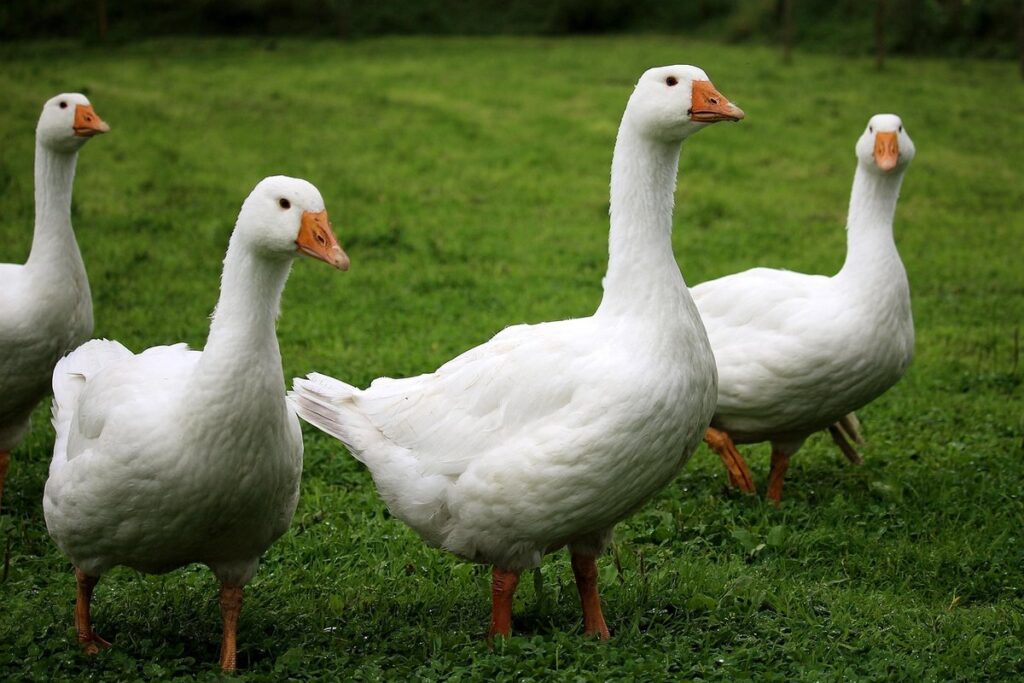
Physical Characteristics and Types of White Geese
Let’s take a closer look at what makes white geese so unique, from their striking physical characteristics to the various breeds that exist.
Anatomical Features of White Geese
White geese are easily recognizable due to their striking plumage. One of their most distinctive physical features is their snow-white feathers, which can vary in shade from pure white to a soft cream color. The white goose’s feathers are often dense and water-repellent, helping them to stay clean and dry in wet conditions.
In terms of beak shape and size, white geese typically have a short, broad beak that is orange or pink in color. This distinctive beak shape allows them to forage efficiently on grasses, aquatic plants, and other vegetation. Their legs are usually a bright pink color, which can help attract mates during the breeding season.
The plumage of white geese also has some unique characteristics worth noting. During molting, their feathers can take on a silvery sheen in certain lighting conditions. Additionally, the tips of their primary flight feathers often appear darker than the rest of the wing due to the way light reflects off the barbs. These small details highlight the intricate beauty and uniqueness of white geese.
Breeds of White Geese: Embden, Toulouse, and Chinese
White geese come in three popular breeds that are prized for their unique characteristics: Embden, Toulouse, and Chinese. Each of these breeds has its own distinct origins, temperaments, and uses on farms or homesteads.
The Embden goose is a classic European breed known for its gentle nature and impressive size. Originating from Germany, these geese are often used as guard animals due to their alertness and protective instincts. With their large, white feathers and distinctive honking call, they make excellent watchdogs. Farmers appreciate them for their ability to patrol the farm borders and warn of potential predators.
The Toulouse goose is another European breed that’s renowned for its exceptional egg-laying abilities and friendly disposition. They’re relatively smaller in size compared to Embden geese but still make great additions to small farms or homesteads. With proper care, a single Toulouse hen can produce up to 300 eggs per year, making them an excellent choice for families seeking fresh, homegrown eggs.
The Chinese white goose, on the other hand, is a smaller and more docile breed that’s commonly used in ornamental settings. Originating from Asia, they’re prized for their striking appearance and quiet demeanor. Their relatively small size makes them suitable for backyard flocks or homesteads with limited space.
If you’re considering introducing one of these breeds to your farm or homestead, remember to research their specific needs and temperaments before making a decision. With proper care and attention, any of these white geese breeds can become valued members of your family and valuable assets to your farm or homestead.
Habitat and Distribution of White Geese
White geese can be found in various habitats around the world, from parks to lakeshores, depending on their specific needs. Let’s explore where these beautiful birds call home.
Natural Habitats of White Geese
White geese are adaptable birds that can thrive in various natural habitats. In the wild, you’re likely to spot them in wetlands such as marshes, swamps, and lakeshores. These areas provide an abundance of food sources like aquatic plants, insects, and small invertebrates, which are staples in a white goose’s diet.
Grasslands and prairies are also suitable habitats for white geese. They roam freely in these open spaces, grazing on grasses and other vegetation. Their ability to exploit different environments has allowed them to coexist with human activities such as agriculture.
In fact, agricultural areas can be an essential part of a white goose’s habitat. These birds often inhabit fields, pastures, and even farmlands, feeding on crops like grains, fruits, and vegetables. However, it’s essential for farmers and landowners to maintain a balance between agricultural production and the needs of these birds.
By understanding where white geese live in the wild, you can better appreciate their behavior and adaptability, as well as take steps to support conservation efforts and ensure coexistence with these fascinating creatures.
Human-Modified Habitats: Farms, Parks, and Backyards
As humans, we’ve had a profound impact on the natural habitats of white geese. By modifying their environment to suit our needs, we’ve inadvertently created ideal spaces for these magnificent creatures to thrive. One such example is farm ponds, where waterfowl-friendly features like shallow areas and aquatic vegetation are intentionally designed to attract birds like white geese.
Parks and lakes are another habitat type that’s been adapted for white geese. Many urban parks feature artificial lakes or ponds with carefully maintained water levels and plant life, providing a welcoming environment for these birds. Even backyards can be transformed into mini-refuges for white geese! By installing bird-friendly features like birdbaths, small ponds, or rain gardens, homeowners can create their own little haven for these birds.
In fact, many backyard water features are designed with the specific needs of white geese in mind – providing shallow areas for landing and resting, as well as a reliable source of fresh water. By incorporating such features, we’re not only enhancing our outdoor spaces but also supporting the health and well-being of local white goose populations.
Behavior and Social Structure of White Geese
When it comes to their behavior, white geese are surprisingly complex creatures, exhibiting unique social structures that are worth exploring. Let’s dive into what makes them tick!
Migration Patterns and Traveling Groups
White geese are known for their impressive migratory feats, traveling thousands of miles each year with remarkable precision. These birds follow established routes that have been passed down through generations, often returning to the same habitats where they were born or spent their youth.
Some populations of white geese migrate in large groups, while others may travel alone or in smaller family units. V-formations are a common sight during migration periods, with up to several dozen birds flying together in perfect synchrony. This formation is not only aesthetically pleasing but also provides significant energy savings for the lead bird, which flies with its head held low and takes advantage of rising air currents.
During their epic journeys, white geese can reach speeds of up to 50 miles per hour when gliding or soaring, though their average speed is typically around 30-40 miles per hour. They may stop to rest and refuel at designated staging areas, often coinciding with major waterways or feeding grounds. By understanding these migration patterns, bird enthusiasts can better plan their own observations and appreciate the intricate social dynamics of white geese populations.
Communication Methods: Honking, Visual Displays, and More
White geese are highly social animals that thrive on interaction with their flock. They communicate with each other through various methods, which play a crucial role in establishing and maintaining their social hierarchy. One of the primary ways white geese convey messages is through vocalizations. They use a range of sounds, from soft honking to loud hissing, to express emotions such as alarm, aggression, or courtship.
In addition to vocal cues, body language also plays a significant role in white goose communication. Postures, facial expressions, and even preening can convey meaning. For instance, a raised head or alert posture may indicate caution or curiosity, while a lowered head and relaxed posture suggest contentment or submission.
Visual displays are another vital means of communication among white geese. They use specific postures, spreads of wings, and tail positions to signal dominance, courtship, or warning calls. For example, during courtship rituals, male geese will often engage in elaborate displays of strutting, neck-stretching, and head-flagging to impress potential mates.
When interacting with your white goose flock, it’s essential to recognize these communication methods to establish trust and understanding. By acknowledging their vocalizations, body language, and visual displays, you can better appreciate their behavior and create a harmonious living environment.
Diet and Foraging Habits of White Geese
When it comes to feeding your white geese, understanding their natural diet and foraging habits is crucial to providing a balanced and nutritious meal. Let’s take a closer look at what they typically eat in the wild.
Plant-Based Diets: Grasses, Grains, and Aquatic Plants
When it comes to foraging for food, white geese are opportunistic grazers that thrive on a diverse diet of plants. Grasses make up a significant portion of their diet, with various species providing essential nutrients and fiber. For example, bluegrasses and brome grasses are popular choices among white geese due to their accessibility and nutritional value.
Grains also play a vital role in the white goose’s diet, particularly during periods of scarcity or when other food sources are limited. Oats, barley, and wheat are often grazed upon by these birds, providing them with a much-needed energy boost. It’s not uncommon to see white geese foraging in fields of ripening grains, taking advantage of the bounty.
Aquatic vegetation is another crucial component of a white goose’s diet. Water plants like cattails, duckweed, and algae provide vital nutrients and help support the bird’s overall health. When exploring waterways with your white goose, be sure to identify these plant species and encourage them to graze on their leaves and stems. This will not only satisfy their nutritional needs but also promote a healthy digestive system.
Animal Protein Sources: Insects, Small Mammals, and Fish
White geese obtain animal protein through a variety of sources. Insects are an essential part of their diet, particularly during breeding and molting seasons when they require extra nutrients. White geese will forage on grasshoppers, crickets, and mealworms, often using their keen eyesight to spot these tasty morsels.
Small mammals like mice, voles, and even rabbits can fall prey to white geese. These birds are skilled hunters and have been known to stalk their prey with stealth and precision. They will also eat carrion if the opportunity arises, feeding on dead rodents or other small animals they come across during their foraging excursions.
Fish is another valuable source of animal protein for white geese. Many species of fish can be found in the wetlands and waterways where these birds live, including minnows, dace, and even small trout. White geese will wade into shallow waters or dive down to catch their fish prey, often using their powerful webbed feet to propel themselves through the water.
When feeding your white goose, consider supplementing its diet with high-quality animal protein sources like mealworms or crickets. This can help ensure it’s getting all the nutrients it needs to stay healthy and thrive. Just be sure to provide a balanced diet that includes a mix of grains, fruits, and vegetables as well.
Health and Disease Issues in White Geese
White geese, like any other domesticated bird, can be susceptible to various health issues and diseases that require attention from owners. Let’s explore some common problems you might encounter.
They are often related to respiratory infections, parasite infestations, and nutritional deficiencies, which can affect their overall well-being and lifespan.
Common Ailments: Respiratory Problems, Parasites, and Injuries
As a white goose owner, it’s essential to be aware of the common health issues that can affect these magnificent birds. Respiratory problems are one of the most prevalent issues faced by white geese. This is often due to poor ventilation or living conditions that expose them to dust and pollutants. Regular cleaning of their enclosure, providing adequate space for exercise, and offering fresh air through proper ventilation systems can help mitigate this issue.
Parasites such as mites, lice, and internal worms can also infest white geese, leading to discomfort, weight loss, and even anemia. Keeping the enclosure clean and free from debris, using diatomaceous earth or other non-toxic powders to repel parasites, and providing a balanced diet rich in nutrients can help prevent parasite infestations.
Injuries are another common issue affecting white geese. This can range from minor cuts and bruises to more severe injuries such as broken wings or legs. Keeping the enclosure safe by removing hazards, ensuring adequate fencing, and monitoring your geese’s behavior can help reduce the risk of injury. Regular veterinary check-ups can also detect potential health issues before they become severe.
Preventative Measures: Vaccinations, Sanitation, and Regular Check-Ups
Regular check-ups with a veterinarian are crucial to monitor the health of white geese and catch any potential issues early on. This is especially important for young birds that may be more susceptible to illness due to their developing immune systems.
Vaccinations are another essential preventative measure to consider, particularly during peak disease seasons or when introducing new birds to your flock. Consult with a veterinarian to determine the best vaccination schedule for your white geese based on factors such as age, health status, and environmental conditions.
Maintaining good sanitation practices is also vital in preventing disease among your white geese. Ensure that their living areas are clean and free of debris, regularly disinfect feeders and waterers, and remove soiled bedding materials promptly. This will not only reduce the risk of illness but also promote overall health and well-being.
Caring for White Geese as Pets or on Farms
When it comes to caring for your white geese, whether they’re pets or living on a farm, you’ll want to know how to provide them with the right environment and attention to thrive. Let’s dive into the details of their care.
Setting Up a Suitable Environment: Shelter, Water, and Space
When setting up a suitable environment for your white geese, it’s essential to provide them with adequate shelter, access to clean water, and sufficient space to roam. A sturdy shed or barn can serve as the perfect shelter for your feathered friends, protecting them from harsh weather conditions, predators, and unwanted visitors.
Make sure the shelter has proper ventilation and is well-drained to prevent moisture buildup and potential health issues. You should also provide enough nesting boxes, ideally one per 3-4 geese, to encourage comfortable roosting and breeding habits. Ensure that the shelter’s doors are secure to prevent escape attempts or intrusions.
In addition to adequate shelter, white geese require access to a reliable water source. A pond or pool with a minimum depth of 2-3 feet is ideal for swimming and bathing. Make sure the water is clear, clean, and free from contaminants, as your geese are likely to drink from it regularly. Consider adding plants, such as lily pads or cattails, to create hiding spots and habitat variety.
Lastly, provide a spacious area where your white geese can exercise and engage in natural behaviors like foraging and socializing. A minimum of 10 feet per bird is recommended, but more space is always better. Incorporate interesting features, such as sand pits or feeding areas, to keep your geese entertained and stimulated.
Feeding and Nutrition: Balanced Diets and Supplemental Foods
White geese have distinct nutritional needs that require careful consideration to ensure they stay healthy and thrive. A well-balanced diet should comprise a mix of nutrient-rich foods and supplements. For example, white geese need access to fresh grasses and leafy greens like alfalfa and clover to meet their protein requirements.
A general rule of thumb is to provide 1-2 pounds of food per goose per day, divided into two meals. You can use a ratio of 70% grains (such as oats or corn) to 30% proteins (like soybean meal). Supplement with vitamins and minerals like calcium and vitamin E to prevent deficiencies.
It’s essential to maintain a consistent feeding schedule to avoid overeating or under-eating. Consider dividing your flock into smaller groups based on age, sex, and production levels to tailor their diets accordingly. For instance, breeding geese may require additional protein to support egg production.
Frequently Asked Questions
What are some signs of respiratory problems in white geese, and how can I prevent them?
Respiratory issues can be a significant concern for white geese. Look out for symptoms such as labored breathing, wheezing, or coughing. To prevent respiratory problems, ensure your birds have access to clean air and water, maintain good ventilation in their enclosure, and avoid exposing them to extreme temperatures or pollutants.
Can I keep multiple breeds of white geese together on my farm or in my backyard?
While it’s possible to keep multiple breeds together, introducing different species can lead to conflicts. Consider the specific needs and temperaments of each breed before mixing them. For example, Embden geese are generally more docile than Toulouse geese.
How do I handle health issues in white geese when they’re on my farm or as pets?
When caring for your white geese, it’s essential to be proactive about their health. Monitor their behavior and physical condition regularly, and consult with a veterinarian experienced in caring for waterfowl if you notice any unusual signs of illness.
Can I provide a balanced diet for my white geese using only plant-based foods?
While plant-based diets can be nutritious for white geese, they may not provide all the necessary nutrients. Consider supplementing their diet with animal protein sources like insects or small mammals to ensure they receive a well-rounded and healthy meal.
How often should I clean and maintain the enclosure of my white geese, and what’s the best way to do it?
Regular cleaning is crucial for maintaining the health and well-being of your white geese. Clean their enclosure at least twice a week, removing soiled bedding, disinfecting surfaces, and ensuring adequate ventilation.