
Duck water may not be on your radar, but trust us, this liquid gold is worth getting to know. Not only does it offer a unique ecosystem that’s teeming with life, but it also packs a punch when it comes to nutritional value and health benefits. From its antioxidant properties to its potential in reducing inflammation, duck water is gaining attention from both health enthusiasts and environmentalists alike. But with great power comes great responsibility – using duck water sustainably and managing its impact on the environment are crucial considerations. In this article, we’ll delve into the world of duck water, exploring its benefits, uses, and eco-friendly management tips. Whether you’re a seasoned forager or just starting to explore the wonders of nature, read on to discover the magic of duck water.
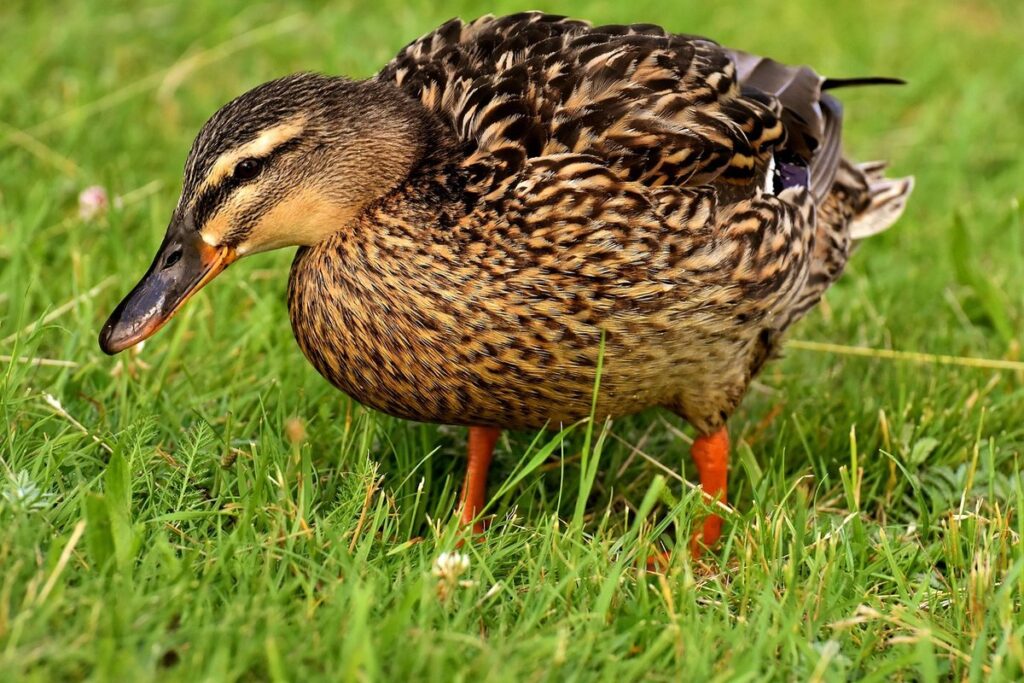
What is Duck Water?
Duck water is a simple, all-natural solution that’s made from, you guessed it – duck feathers! Let’s dive into what exactly makes up this unique liquid.
Definition and Composition
Duck water is more than just a source of hydration for these incredible birds. It’s a complex ecosystem that supports an entire community of plants and animals. The composition of duck water can vary greatly depending on the location, but it typically consists of mineral-rich waters from underground aquifers, rainwater runoff, and surface water from nearby lakes or rivers.
In its natural state, duck water is often murky with high levels of organic matter from decaying plant life. This unique composition allows for a thriving ecosystem where microorganisms break down nutrients, supporting the growth of aquatic plants like algae and water lilies. These plants in turn provide food and shelter for ducks, fish, and other wildlife that inhabit these wetlands.
When we talk about duck water, it’s essential to understand its dynamic nature. Water levels can fluctuate greatly depending on seasonal rainfall, making it a constantly changing environment. This adaptability allows the ecosystem to flourish, supporting an incredible array of plant and animal life.
Sources and Types
Duck water can be found in various forms, each with its unique characteristics and benefits for the ducks that inhabit them. Shallow ponds, for instance, are perfect for young ducklings as they provide a safe and easily accessible environment for swimming and foraging. The water is typically calm and clear, allowing ducklings to learn essential skills like diving and feeding without being overwhelmed.
Lakes, on the other hand, offer a more spacious and dynamic environment, often with varying depths and aquatic vegetation. This diversity creates an ideal setting for ducks of all ages to engage in social interactions, exercise, and exploratory behavior. Marshes, with their slow-moving waters and abundant vegetation, serve as crucial habitats for waterfowl during the breeding season.
When creating or choosing a duck water source, it’s essential to consider the specific needs of your feathered friends. For example, if you’re housing young ducks, a shallow pond might be the best option. In contrast, mature ducks can thrive in more extensive and dynamic environments like lakes.
Nutritional Value of Duck Water
When it comes to the nutritional value of duck water, many are curious about its potential benefits for humans and animals alike. Let’s dive into what makes duck water a unique source of nutrition.
Protein Content and Amino Acids
Duck water is an excellent source of protein and amino acids, making it a vital component of a duck’s diet. Protein is essential for growth and development, particularly during the critical stages of egg production and brood rearing. Amino acids, such as arginine and glutamine, are crucial building blocks that promote tissue repair and overall health.
Studies have shown that duck water contains a higher concentration of protein compared to other forms of poultry feed. In fact, one study found that duck water supplemented with 20% protein significantly improved egg production in ducks by 12%. This is likely due to the bioavailability of essential amino acids present in duck water.
To maximize the nutritional benefits of duck water for your flock, consider supplementing their diet with a mix of plant-based proteins and amino acids. For example, you can add spirulina or fish meal to enhance protein content while reducing reliance on commercial feed. By incorporating duck water into their daily routine, you can provide your ducks with a nutrient-rich diet that supports optimal health and productivity.
Micronutrients and Vitamins
In addition to being an excellent source of protein for ducks, duck water is also rich in various micronutrients and vitamins that are essential for their overall health. These micronutrients play a crucial role in maintaining the ducks’ immune system, energy levels, and feather quality.
Duck water contains several B-complex vitamins such as niacin, vitamin B6, and biotin, which help convert food into energy. Vitamin A, on the other hand, is vital for the development of strong bones, healthy skin, and a robust immune system. Other essential micronutrients like iron, zinc, and copper are also present in duck water, helping to prevent anemia, infections, and various metabolic disorders.
To maximize the nutritional benefits of duck water, it’s essential to maintain a clean and hygienic environment for your ducks. Ensure that their water is free from contaminants and pollutants by changing it regularly and providing a balanced diet rich in fruits, vegetables, and grains. By doing so, you can provide your ducks with a nutrient-rich water source that supports their optimal health and well-being.
Health Benefits for Ducks
While many people know that ducks can be wonderful pets, few realize just how good duck water is for their health. Let’s explore the benefits of giving your feathered friend a healthy dose of duck water.
Immune System Support
Duck water has been extensively researched for its incredible ability to support the immune system of ducks. This is particularly noteworthy as it allows ducks to fend off diseases and infections more effectively. A healthy immune system is crucial for maintaining the overall well-being of ducks, and duck water plays a significant role in this process.
For instance, studies have shown that duck water rich in antioxidants can help protect ducks from oxidative stress caused by environmental factors such as pollution and UV radiation. Moreover, certain minerals present in duck water can stimulate the production of white blood cells, which are essential for fighting off pathogens.
Incorporating duck water into your ducks’ daily routine is relatively simple. Start by providing fresh duck water that has been left to sit at room temperature overnight. This allows beneficial bacteria and other compounds to develop naturally. You can also add a pinch of Epsom salt or apple cider vinegar to enhance the immune-boosting properties of the duck water.
By making these small changes, you can significantly improve your ducks’ immune system and help them live healthier, more resilient lives.
Digestive Health
When it comes to maintaining good digestive health in ducks, many owners often overlook one crucial factor: their water. The unique composition of duck water can play a significant role in keeping their digestive system in top shape. For instance, some duck waters are rich in electrolytes such as potassium and sodium that help regulate the balance of fluids within the body. This is particularly important for ducks, as they tend to lose moisture through their skin and respiratory tract.
By drinking water with these essential electrolytes, ducks can maintain optimal hydration levels, reducing the risk of dehydration-related digestive issues like constipation or diarrhea. Moreover, some duck waters contain beneficial probiotics that support the growth of healthy gut bacteria in ducks. This is especially crucial as a strong gut microbiome helps to break down food efficiently and absorb essential nutrients.
To take advantage of these benefits, owners can choose duck water formulas specifically designed with digestive health in mind. Some products may also recommend adding supplements or probiotics directly to the water to enhance its effects. By incorporating high-quality duck water into their daily routine, duck owners can help maintain a healthy digestive system and prevent common issues associated with it.
Using Duck Water as a Resource
When it comes to utilizing duck water, one of the most practical applications is harnessing its potential for garden fertilization and irrigation. Let’s dive into how you can use duck water to support your plants’ growth.
Agriculture and Irrigation
Using duck water as a sustainable source for agriculture and irrigation is a game-changer for farmers. Not only does it provide a free alternative to traditional sources of water, but it also helps reduce the environmental impact of farming practices.
Duck water is rich in nutrients that can be beneficial for crops. The ducks’ waste contains nitrogen, phosphorus, and potassium – essential micronutrients that promote healthy plant growth. By using duck water as a fertilizer, farmers can significantly reduce their reliance on synthetic fertilizers, which can pollute soil and waterways.
To use duck water for irrigation, you’ll want to collect and store it in a separate container from the ducks’ living quarters. It’s essential to ensure that the water is free from any contaminants or bacteria before using it for crops. A simple way to do this is by allowing the duck water to sit for a few days before use, allowing any suspended particles to settle.
Implementing duck water as part of your irrigation system can have significant benefits for your farm, including cost savings and reduced environmental impact. Consider consulting with a local expert or conducting further research to determine the feasibility of using duck water on your specific property.
Ecosystem Services
When it comes to using duck water as a resource, many people are familiar with its agricultural applications. However, there’s another vital aspect of duck water that deserves attention: ecosystem services. These services refer to the benefits that ecosystems provide to both humans and wildlife, including water filtration and habitat creation.
Water filtration is one of the most crucial ecosystem services provided by duck water. As ducks swim through their enclosures, they stir up the sediment on the bottom of the pond, allowing beneficial bacteria to break down excess nutrients and pollutants in the water. This process helps maintain a healthy balance between nutrient levels and aquatic life, keeping the water clean and safe for both humans and animals.
By using duck water as a habitat creation tool, you can also provide a haven for local wildlife. Duck ponds often attract birds, amphibians, and even fish, which rely on the pond’s unique ecosystem to survive. By allowing these creatures to thrive in your duck enclosure, you’re not only creating a balanced ecosystem but also contributing to biodiversity.
One way to maximize the benefits of ecosystem services from your duck water is to create a diverse range of habitats within the enclosure. This can be achieved by incorporating different types of plants, such as aquatic vegetation or native species, which will attract various wildlife and help maintain a healthy balance in the ecosystem.
Environmental Considerations
When considering using duck water, it’s essential to think about its impact on the environment and how you can use it responsibly. Let’s explore some important environmental considerations.
Water Quality and Conservation
As we explore the benefits and uses of duck water, it’s essential to acknowledge the critical environmental concerns surrounding its quality and availability. The health of our water sources is closely tied to the well-being of our feathered friends, making conservation efforts crucial.
The quality of duck water can be impacted by various factors such as agricultural runoff, industrial waste, and climate change. For instance, excessive nitrogen and phosphorus from fertilizers can lead to eutrophication, causing algal blooms that deplete oxygen levels in waterways. This, in turn, affects the aquatic ecosystem and puts duck populations at risk.
To mitigate these issues, it’s essential to implement sustainable practices such as reducing fertilizer use, promoting efficient irrigation systems, and restoring wetlands. Additionally, individuals can contribute by choosing eco-friendly products, supporting local conservation efforts, and spreading awareness about the importance of water conservation.
By prioritizing the quality and availability of duck water, we not only protect our environment but also ensure a healthy and thriving ecosystem for these magnificent creatures to inhabit.
Human Impact on Duck Water
Duck water ecosystems are incredibly sensitive to human activities, which can have far-reaching consequences for these delicate environments. One of the most significant threats to duck water is pollution. Agricultural runoff, industrial waste, and sewage can all contaminate duck water sources, introducing toxic chemicals and bacteria that harm duck populations.
Over-extraction of groundwater is another pressing concern, as it can disrupt the natural flow of duck water and alter the surrounding ecosystem. This can lead to a decline in duck numbers, as they struggle to access reliable food and water sources. Land-use changes, such as deforestation and urbanization, also contribute to the degradation of duck water habitats.
To mitigate these impacts, it’s essential for us to adopt sustainable practices when interacting with duck water ecosystems. For example, farmers can implement best management practices to reduce agricultural runoff, while governments can establish protected areas to safeguard duck habitats. By taking small steps towards sustainability, we can help preserve the health and biodiversity of duck water ecosystems for generations to come.
Conclusion
In conclusion, duck water is a versatile liquid with numerous benefits and uses. Whether you’re looking for a natural remedy to soothe your skin or an eco-friendly alternative for cleaning, duck water has got you covered. As we’ve explored throughout this post, the unique properties of duck water make it an excellent addition to any household or personal care routine. So, what can you do with duck water? For starters, use it as a natural insect repellent by adding a few drops to your skin or clothing. You can also harness its antibacterial powers to clean wounds and minor cuts.
To get the most out of duck water, be sure to store it in an airtight container and use it within a week or two. Experiment with different uses and ratios to find what works best for you. By embracing the power of duck water, you’ll be taking a step towards a more sustainable and natural lifestyle.
Frequently Asked Questions
Can I collect duck water from my own backyard or a nearby park?
Yes, you can collect duck water from your own property or a nearby natural area, but be sure to follow local regulations and guidelines for water collection and usage. It’s essential to consider the source of the water and any potential environmental impacts.
How do I store and preserve duck water for future use?
Proper storage and preservation are crucial to maintain the quality and nutritional value of duck water. Store it in a clean, airtight container, away from direct sunlight and heat sources. Use glass or BPA-free containers, and consider adding preservatives like vitamin E oil or essential oils to extend shelf life.
Is duck water suitable for all types of plants, or are there specific requirements?
While duck water is rich in nutrients, it may not be suitable for all plant species. Some plants prefer more alkaline or acidic conditions, so it’s crucial to research the specific needs of your plants and adjust the pH levels accordingly. You can also mix duck water with other water sources to create a balanced solution.
Can I use duck water as a fertilizer substitute in my garden?
Yes, duck water can be used as a natural fertilizer, providing essential micronutrients and minerals for plant growth. However, it’s recommended to dilute the duck water with water (1:10 ratio) before applying it to your plants to avoid over-saturating the soil.
What are some common mistakes to avoid when using duck water in my garden or agricultural projects?
Some common pitfalls include inadequate storage and handling, which can lead to spoilage or contamination. Additionally, failing to research specific plant requirements may result in nutrient imbalances or toxicity. Always follow local regulations and guidelines for water usage, and consult with experts if you’re unsure about the best practices for your particular situation.