
When you look at a duck waddling along by the pond, have you ever stopped to think about its incredible flight capabilities? Those broad wings, with their unique feathers, allow ducks to soar through the skies and dive beneath the water’s surface with ease. But what makes these remarkable feathers so special? From their intricate structure to their remarkable adaptations, duck wing feathers are a marvel of nature that enable birds to thrive in both air and water.
In this article, we’ll delve into the fascinating world of duck wing feathers and explore how they contribute to the bird’s remarkable flight capabilities. We’ll examine the unique shape and texture of these feathers, as well as their exceptional water-repellency and ability to withstand diving pressures. Whether you’re a seasoned ornithologist or simply a nature enthusiast, join us as we uncover the secrets behind duck wing feathers’ incredible abilities.
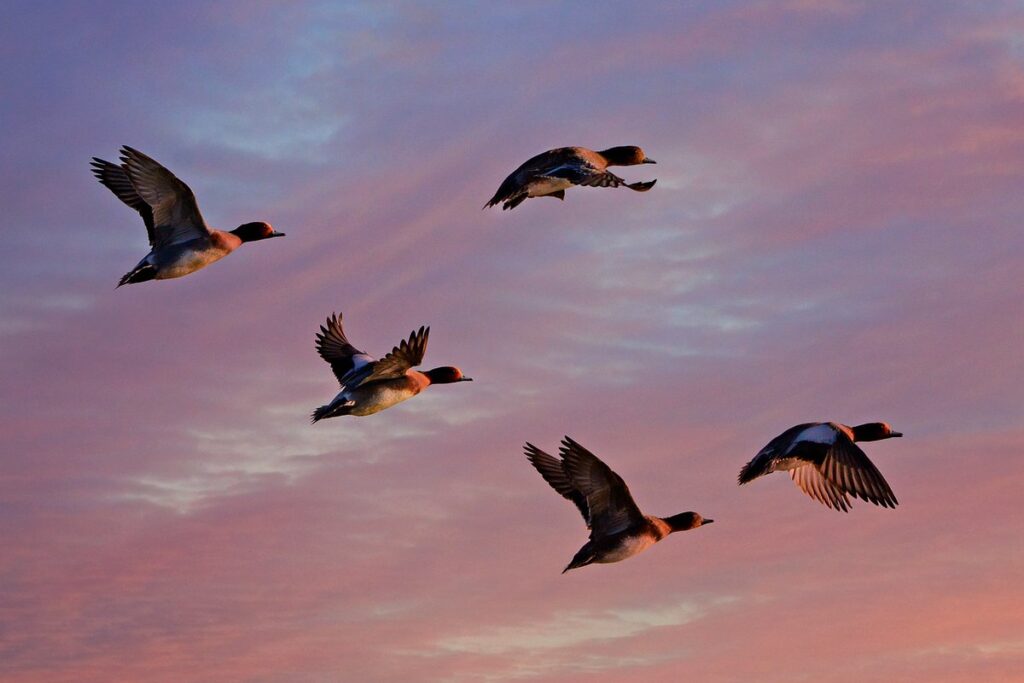
Unique Characteristics of Duck Wing Feathers
Let’s dive into what makes duck wing feathers truly one-of-a-kind, exploring their unique shape, texture, and color patterns that set them apart from other bird species.
Feather Morphology
Duck wing feathers have a unique morphology that sets them apart from other birds. The individual barbs and barbules are intricately arranged to form the shape of the feather. Each barbule is split into two branches, with the lower branch slightly longer than the upper one. This specialized arrangement allows for optimal lift and maneuverability during flight.
One distinctive feature of duck wing feathers is their asymmetrical shape. The leading edge of the feather is typically more rigid and straight, while the trailing edge is softer and more flexible. This variation in structure enables efficient airflow around the wing tip, allowing ducks to generate lift and thrust with ease.
The size and arrangement of barbs and barbules also contribute to the unique function of duck wing feathers. The barbs are densely packed near the base of the feather, creating a rigid support for the rest of the structure. As you move towards the tip, the barbs become more sparse, allowing for greater flexibility and movement during flight.
In comparison to other bird species, duck wing feathers have a higher ratio of barbules to barbs, resulting in an incredibly soft and flexible texture. This characteristic is essential for ducks’ aquatic lifestyle, as it enables them to propel themselves through the water with ease.
Feather Structure and Function
At its core, the unique function of duck wing feathers is rooted in their intricate internal structure. The primary component responsible for this structure is keratin, a type of protein that provides exceptional strength and rigidity. Keratin fibers are woven together to form the central shaft, or rachis, which gives the feather its overall shape and supports the vanes. These vanes, also made up of keratin, extend outward from the rachis and are crucial for lift generation during flight.
Interestingly, the keratin fibers in duck wing feathers exhibit a higher degree of crystallinity compared to those found in human hair or other bird species’ plumage. This increased structural integrity enables the feather to withstand significant stress while maintaining its shape. As a result, the aerodynamic performance of the wing is optimized. When designing prosthetic wings for flight, engineers can draw inspiration from this remarkable structure, striving to replicate the unique combination of strength and flexibility that allows duck wing feathers to perform so efficiently in flight.
Water-repellency and Preening
Duck wing feathers are marvels of nature when it comes to water-repellency. Their unique structure allows them to repel water with incredible efficiency, helping ducks stay buoyant and dry even in the most turbulent waters. The secret lies in the microstructure of the feather’s surface, which is covered in tiny, intricately arranged barbs that form a mesh-like pattern. This remarkable arrangement causes water droplets to bead up and roll off the surface of the feather, rather than penetrating it.
But how do ducks keep their feathers in top condition? The answer lies in preening – the deliberate and meticulous cleaning and conditioning of their plumage. By regularly working their beaks into their feathers, removing dirt and debris, and distributing oil from their preen glands, ducks maintain the integrity of their water-repellent coatings. In fact, research has shown that ducks spend up to 20% of their waking hours engaged in some form of preening behavior! If you’re a duck owner or enthusiast, take note: regular grooming sessions can go a long way in keeping your feathered friends healthy and happy.
Types of Feathers on Duck Wings
Duck wings are surprisingly diverse, and one of the most fascinating aspects is the variety of feathers that cover them. Let’s take a closer look at the main types of feathers found on duck wing.
Primary Flight Feathers
Primary flight feathers are the longest and stiffest feathers on a duck’s wing, responsible for providing lift during flight. These remarkable feathers are found along the leading edge of the wing, from the body to the tip, and play a crucial role in keeping the bird aloft.
Characterized by their exceptional length and robust shape, primary flight feathers can be up to 10 inches (25 cm) long on larger duck species. This impressive span enables them to cut through the air with minimal resistance, generating the lift needed for stable flight. The curved tip of these feathers allows for an efficient airflow separation, reducing drag and enhancing maneuverability.
When examining a duck’s wing, you’ll notice that primary flight feathers are more densely packed than secondary and tertiary feathers. This arrangement helps distribute pressure evenly across the wing, enabling the bird to generate consistent lift and maintain control during flight.
Coverts and Secondaries
When you take a closer look at a duck’s wing, you’ll notice two distinct sets of feathers: coverts and secondaries. While often overlooked, these feathers play a crucial role in maintaining a duck’s aerodynamics and stability during flight.
Coverts are the feathers that cover the primaries, or large flight feathers located on the leading edge of the wing. They act as a shield, protecting the primary feathers from wear and tear caused by wind resistance and turbulence. In essence, coverts help to maintain airflow around the wing, reducing drag and ensuring smooth gliding.
Secondaries are smaller flight feathers that are attached closer to the body than the primaries. Unlike primaries, which produce most of the lift during flight, secondaries contribute more to maintaining stability and control. They help distribute pressure evenly across the wing, enabling ducks to make sharp turns and quick changes in direction with ease.
Together, coverts and secondaries work in harmony to create a seamless flying experience for ducks. By understanding their unique functions and roles, we can appreciate the intricate complexity of duck wing anatomy.
Adaptations for Diving and Underwater Flight
When it comes to diving and underwater flight, ducks have evolved some amazing adaptations that allow them to thrive in their aquatic environment. Let’s take a closer look at these remarkable features.
Streamlined Feathers
When it comes to diving and underwater flight, duck wing feathers have evolved some remarkable adaptations that enable them to minimize drag and glide through the water with ease. One of the most striking features of these specialized feathers is their streamlined shape. Unlike the broad, flat wings of flying birds, duck wing feathers are narrower and more tapered, allowing for a significant reduction in air resistance when submerged.
This streamlined design enables ducks to dive at incredible depths, often reaching speeds of up to 25 kilometers per hour (15 miles per hour) through the water. But what’s even more impressive is how their feathers help to reduce drag underwater. The shape and structure of duck wing feathers minimize turbulence, allowing them to cut through the water with minimal resistance.
As a result, ducks can conserve energy while diving, enabling them to stay submerged for extended periods without getting tired. This remarkable adaptation has evolved over thousands of years, allowing ducks to thrive in aquatic environments where other birds would struggle to survive.
Specialized Feathers for Speed and Agility
When diving or swimming at high speeds, ducks rely on specialized feathers to maintain agility and speed. One such adaptation is the presence of stiff, elongated primary flight feathers along the leading edge of their wings. These feathers, also known as “leading-edge feathers,” play a crucial role in reducing drag and allowing for swift maneuverability.
In water, these stiff feathers act like airfoils, generating lift while minimizing resistance. This is particularly important when ducks need to quickly change direction or evade predators. For example, during a dive, the leading-edge feathers help reduce the impact of water resistance on the wing’s surface, enabling the duck to maintain speed and agility.
In addition to leading-edge feathers, some ducks possess specialized barbs near the tip of their primaries that are covered in tiny, hook-like projections. These hooks increase friction between adjacent feathers, allowing for more efficient energy transmission from the wing’s base to its tip. This adaptation helps improve power output during rapid wing movements, such as when a duck is pursuing prey or evading a predator.
Impact of Environmental Factors on Duck Wing Feathers
Let’s dive into how environmental factors affect duck wing feathers, including temperature, humidity, and exposure to pollutants. These conditions can significantly alter their shape, structure, and overall performance.
Weathering and Wear
When exposed to harsh weather conditions, duck wing feathers can suffer from wear and tear. Wind, for instance, can cause feathers to become ruffled and disheveled, while strong gusts may even dislodge some feathers entirely. Rain can lead to waterlogging, which compromises the feather’s insulating properties and makes it more susceptible to bacterial infections. Prolonged exposure to direct sunlight, on the other hand, can bleach or discolor the feathers, making them appear worn out.
The rate at which weather affects duck wing feathers also depends on their age and condition. Younger birds tend to be more resilient due to their higher fat content, but older birds may show signs of wear sooner. When handling ducks, it’s essential to monitor their feather health closely, especially after prolonged exposure to the elements.
To maintain your duck’s plumage, ensure they have access to a dry and sheltered area where they can escape harsh weather. Regular grooming sessions, including preening and brushing, can also help to keep their feathers in top condition by distributing oils evenly and preventing matting. By taking these precautions, you can minimize the impact of weather on your duck’s wing feathers and promote overall health and well-being.
Feather Molt and Replacement
As ducks grow and mature, their feathers naturally wear out and need to be replaced. This process is called molting, and it’s an essential part of a duck’s life cycle. Molting occurs when the old feather sheath separates from the underlying rachis, allowing new feathers to push through.
New feathers grow from tiny follicles in the skin, which are stimulated by hormonal changes. As the hormones prolactin and thyroid hormone increase, they trigger the growth of new feathers. This process can be triggered by various factors, including season, age, and nutrition. For example, young ducks may molt more frequently as they grow, while adult ducks may only molt once a year.
During molting, ducks may appear bare or patchy, but don’t worry – it’s a natural process! In fact, some breeders encourage ducklings to molt by providing a nutrient-rich diet that promotes healthy feather growth. To promote molting in your backyard ducks, make sure they have access to plenty of fresh water and a balanced diet rich in protein and calcium.
It’s essential to note that molting can be triggered by stress or nutritional deficiencies, so it’s crucial to provide a stress-free environment and ensure your ducks are getting the nutrients they need.
Conclusion
In conclusion, understanding the structure and function of duck wing feathers is truly fascinating. By breaking down the intricacies of these remarkable appendages, we’ve gained insight into the incredible adaptations that enable ducks to soar through the skies with ease. Whether you’re a bird enthusiast or simply someone who appreciates the intricate details of nature, this journey has likely sparked your curiosity and appreciation for the amazing duck wing feather. As you reflect on what you’ve learned, consider how it can be applied in your own life – perhaps you’ll find inspiration in the way these feathers work together to create lift and stability. By embracing a deeper understanding of the natural world, we can foster a greater sense of wonder and awe for the incredible diversity that surrounds us.
Frequently Asked Questions
Can duck wing feathers be found on other bird species?
Duck wing feathers are unique to waterfowl, but some landbirds, like geese and swans, also have similar adaptations. However, the specific arrangement of barbs and barbules is distinct in ducks. If you’re interested in studying these features further, look for bird species that share similar habitats or feeding behaviors.
How do duck wing feathers adapt to extreme weather conditions?
Yes, duck wing feathers are incredibly resilient. The water-repellency and streamlined shape help them withstand rain, wind, and even snow. However, during severe storms or prolonged exposure to harsh conditions, the feathers may become worn out. Regular preening and maintenance can help mitigate this issue.
Can I replicate the exact structure of duck wing feathers in my own experiments?
No, it’s challenging to exactly replicate the intricate arrangement of duck wing feathers due to their unique evolutionary adaptations. However, you can study the general morphology and use that knowledge to create models or simulations that mimic certain aspects of their structure.
Do duck wing feathers play a role in other bird behaviors beyond flight?
Yes, duck wing feathers also contribute to insulation, waterproofing, and display purposes during courtship or territorial behaviors. For example, drakes (male ducks) will often preen their feathers before mating rituals, showcasing their vibrant plumage.
How can I learn more about the science behind water-repellency in duck wing feathers?
The phenomenon of water-repellency in duck wing feathers is rooted in their microscopic structure and chemical composition. You can explore research papers or academic journals that focus on biomimicry and materials science for a deeper understanding of this fascinating topic.