
If you’re a backyard chicken enthusiast or simply fascinated by unique feathered friends, chances are you’ve come across the stunning muscovy duck. One of its most striking features? The magnificent angel wing, a long, flowing feather that’s both elegant and captivating. But what makes this feature so special, and how do you care for it to keep your muscovy looking its absolute best?
In this article, we’ll delve into the fascinating world of muscovy duck angel wings, exploring their unique characteristics, cultural significance, and expert caring tips. From understanding why these feathers grow in the first place to discovering how to prevent molting and promote healthy growth, we’ve got you covered. By the end of this read, you’ll be equipped with all the knowledge you need to appreciate and care for your muscovy’s angel wing – and perhaps even inspire a new appreciation for these beautiful birds themselves.
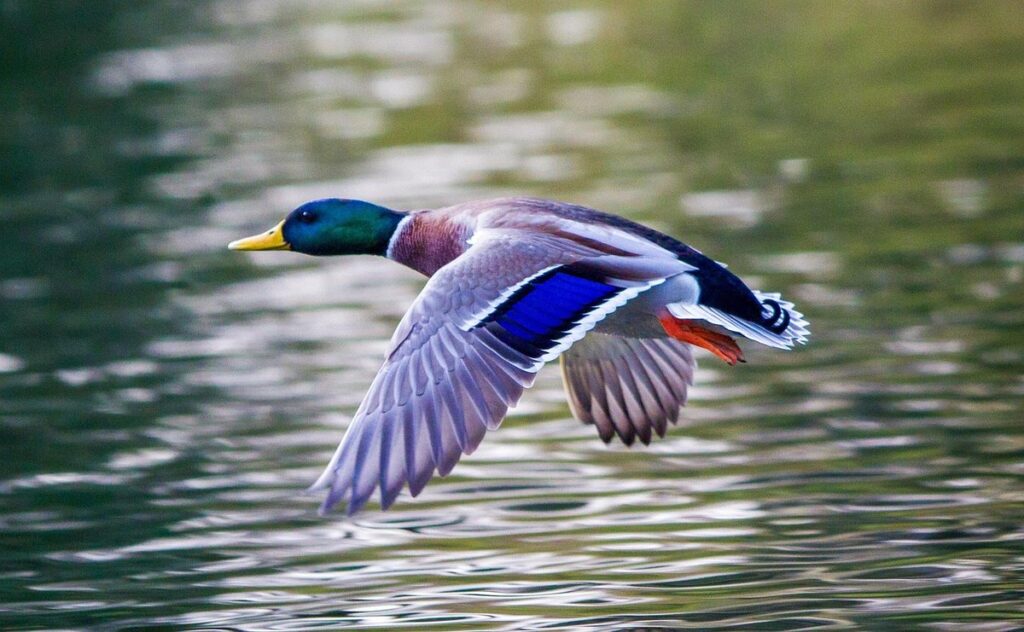
What is an Angel Wing Feather?
An angel wing feather refers to a specific trait found on some muscovy duck breeds, where their primary flight feathers grow abnormally long. This unique feature sets them apart from other ducks.
Characteristics of Muscovy Ducks’ Angel Wings
When it comes to identifying angel wing feathers on Muscovy ducks, there are several key characteristics to look out for. These feathers typically have a distinctive shape, with an elongated, pointed tip and a broad base that tapers into the body of the duck. The feather’s surface often has a ruffled or fringed appearance, which can give it a feathery or lacy texture.
One of the most striking features of angel wing feathers is their unique color pattern. On Muscovy ducks, these feathers are usually white or light-colored on the base and tips, with a darker, richer hue towards the center of the feather. This distinctive “piebald” effect can make the feathers stand out against the rest of the duck’s plumage.
When inspecting your Muscovy duck for angel wing feathers, look for those that exhibit this characteristic color pattern and ruffled texture. Keep in mind that these features can vary in intensity depending on factors such as breed, age, and individual characteristics of the bird.
Difference Between Muscovy and Domesticated Ducks’ Angel Wings
One of the most noticeable differences between Muscovy duck angel wings and those found on domesticated duck breeds is their size and shape. While domesticated ducks have a more rounded wing tip, Muscovy ducks’ angel wings are typically longer and narrower, often resembling feathers rather than actual wings.
Another key difference lies in the presence of blood vessels on the underside of the wing. Domesticated ducks do not typically develop this characteristic, whereas it’s quite common among Muscovies. This unique trait can be both a blessing and a curse – while it adds to the duck’s stunning appearance, it also makes them more susceptible to bacterial infections.
It’s worth noting that some domesticated breeds may have feathers resembling angel wings due to selective breeding or genetic predispositions. However, these are relatively rare occurrences and should not be confused with the distinct characteristics of Muscovy ducks’ angel wings. If you’re interested in raising a Muscovy duck for its unique feather trait, it’s essential to understand their specific needs and traits to provide them with proper care.
History and Origins of the Term ‘Angel Wing’
The term “angel wing” has a rich history, and understanding its origins can help us appreciate the uniqueness of the muscovy duck’s distinctive feathers. Let’s delve into where this phrase came from!
Ancient Civilizations and Their Association with Angel Wings
In ancient civilizations, feathers like those found on muscovy ducks were often associated with spiritual and divine powers. The Egyptians, for instance, revered feathers as a symbol of the gods’ presence, believing they held mystical properties that could bring protection and good fortune to their owners.
The Greeks also had a deep respect for feathers, particularly those of birds like the phoenix, which was said to have radiant plumage that shone like the sun. These cultures saw feathers not just as a physical attribute but as a conduit to higher realms, connecting mortals with the divine.
Similarly, in some indigenous cultures, feathers were believed to carry prayers and messages to the spirits, while others used them as talismans for healing and purification rituals. This association of feathers with spiritual powers has persisted across centuries, influencing modern-day perceptions of angel wings like those found on muscovy ducks.
These ancient civilizations’ reverence for feathers highlights their profound understanding of the symbolic language of nature, where every aspect – including plumage – carries hidden meanings and significance.
Evolution of the Term ‘Angel Wing’ in Modern Times
Over time, the term ‘angel wing’ has undergone significant evolution in its usage to describe the unique feathers of the Muscovy duck. Initially, this term was primarily associated with the distinctive shape and coloration of these feathers, often seen as a symbol of purity or innocence. However, in modern times, we’ve observed a shift in context.
In fashion, for instance, ‘angel wing’ sleeves have become a popular trend, often adorning evening gowns and wedding dresses. This stylistic adaptation takes inspiration from the bird’s majestic plumage, highlighting its beauty and uniqueness. Similarly, the term is now used to describe certain types of window treatments or decorative accents, where the feather’s shape and structure are emulated.
The widespread adoption of social media has further popularized the ‘angel wing’ concept, as designers and enthusiasts share creative interpretations of the bird’s feathers. This exchange of ideas has not only expanded the term’s application but also demonstrated its enduring appeal and versatility.
Purpose and Significance of Angel Wings on Muscovy Ducks
Now that you know what angel wings are, let’s dive into why they’re such an important and distinctive feature of the Muscovy duck breed.
Aesthetic Value and Beauty Standards
Muscovy ducks’ angel wings are undoubtedly one of their most striking features, and it’s no wonder they’re often prized for their beauty. The unique shape and color patterns found on these feathers are truly remarkable. One reason muscovy duck angel wings stand out is due to their iridescent sheen, which can shift from shades of purple to green in the right light. This breathtaking effect is especially noticeable when the feathers catch sunlight or artificial lighting, making them appear almost otherworldly.
The distinctive shape of these feathers also adds to their allure. Unlike the symmetrical, rounded wings found on many domesticated duck breeds, muscovy ducks’ angel wings are often longer and more pointed at the tip. This unusual silhouette gives the bird an ethereal quality that’s both captivating and endearing. Whether you’re a seasoned breeder or simply a fan of these beautiful birds, it’s hard not to be drawn in by the visual appeal of muscovy duck angel wings.
Cultural and Symbolic Meanings Associated with Angel Wings
Angel wings have been imbued with profound cultural and symbolic meanings across various societies. In many cultures, these majestic feathers are believed to possess spiritual significance, connecting the wearer or possessor to a higher power or divine realm. For instance, in some Native American tribes, angel wings are considered a symbol of protection and good fortune, often worn by shamans and healers to harness their spiritual powers.
Similarly, in some Eastern cultures, muscovy duck angel wings are associated with longevity and good health, believed to ward off evil spirits and misfortune. In many Western societies, these feathers have become a staple in fashion and decorative art, representing freedom, empowerment, and a connection to the divine.
When incorporating angel wings into your decor or attire, it’s essential to consider their symbolic meaning and intention. For example, if you’re looking to attract positive energy and good fortune, pair the angel wings with other protective charms or talismans. Conversely, if you aim to tap into the spiritual realm, focus on the feathers’ connection to higher powers and divine realms. By understanding the cultural significance of angel wings, you can harness their symbolic power to enhance your life’s journey.
Caring for Muscovy Ducks with Angel Wings
Caring for your Muscovy duck’s angel wing requires attention to its unique feather structure and potential health risks, including bacterial infections and feather plucking. Regular cleaning and monitoring can help prevent these issues from arising.
Nutrition and Diet Requirements
Muscovy ducks with angel wings require a balanced diet rich in nutrients to maintain healthy feathers. A proper nutrition plan should include a mix of commercial duck pellets as the main staple, supplemented with fruits and vegetables. Leafy greens such as kale, spinach, and collard greens provide essential vitamins and minerals like iron, calcium, and vitamin A.
Fresh fruits like berries, apples, and bananas add fiber, antioxidants, and flavor to their diet. Avoid giving them avocado, onions, or garlic as they can be toxic to ducks. Grains like oats, barley, and wheat should also be included in moderation. Ensure access to clean water at all times, and consider adding a calcium supplement if you live in an area with soft water.
A good rule of thumb is to feed your muscovy duck about 1/4 cup of pellets per pound of body weight per day. Treats like mealworms or crickets can be given sparingly as a reward or to provide additional protein. Monitor their dietary intake and adjust accordingly, taking into account factors like age, health, and activity level.
Health Issues Affecting Muscovy Ducks’ Feathers
Muscovy ducks with angel wings are prone to certain health issues that can affect the quality and growth of their unique feathers. One common issue is fungal infections, such as blackhead disease, which can cause discoloration, loss of feather shine, and even weight loss. These infections often arise from poor ventilation in enclosures or unsanitary living conditions.
Another concern is malnutrition, particularly a lack of essential vitamins and minerals like vitamin E and omega-3 fatty acids. A diet deficient in these nutrients can lead to brittle feathers, excessive molting, and skin problems. Ensure your muscovy duck’s diet includes a balanced mix of grains, proteins, and vegetables, and consider supplementing with nutrient-rich foods.
Additionally, stress can also impact feather quality. Frequent handling, changes in environment, or inadequate space can cause undue stress, leading to feather plucking, loss of luster, and other issues. Provide your muscovy duck with a safe, comfortable, and spacious environment to minimize stress and promote healthy feather growth. Regular veterinary check-ups are also crucial to detect any potential health problems early on.
Breeders and Conservation Efforts for Muscovy Ducks with Angel Wings
If you’re considering bringing a muscovy duck with angel wings into your life, it’s essential to learn about reputable breeders who prioritize conservation and responsible breeding practices. Let’s take a look at some of these dedicated organizations.
The Role of Responsible Breeding in Preserving Angel Wing Traits
Responsible breeding practices play a crucial role in preserving the genetic traits associated with angel wing feathers on Muscovy ducks. By carefully selecting and breeding individual ducks with desirable traits, breeders can help maintain the genetic diversity of this unique feature.
To ensure the long-term survival of angel wing traits, breeders must prioritize selective breeding over random selection. This involves identifying and isolating duck lines that possess the desired characteristics, such as feather coloration and texture, and then carefully breeding them together to produce offspring with the same traits.
Breeders should also consider the genetic principles behind angel wing development, including the interactions between multiple genes that influence feather growth and morphology. By understanding these mechanisms, breeders can make more informed decisions about their breeding programs and increase the chances of producing ducks with robust angel wing traits.
Through responsible breeding practices, Muscovy duck breeders can help preserve this unique feature for generations to come, ensuring that future flocks continue to display the striking angel wing feathers that have captivated waterfowl enthusiasts worldwide.
Conservation Status of Muscovy Duck Populations
Muscovy duck populations are facing several conservation concerns due to habitat loss and fragmentation. As their natural habitats shrink, they are forced to adapt to new environments, which can lead to the spread of disease and hybridization with other duck species. According to a study by the International Union for Conservation of Nature (IUCN), Muscovy ducks have been classified as “Least Concern” due to their ability to thrive in various habitats, but this status is not without its caveats.
Their populations are affected by human activities such as wetland drainage and agriculture expansion. In some regions, they have adapted to living in close proximity to humans, scavenging for food in agricultural areas. This can lead to conflicts with local communities, who may view them as pests. On the other hand, their adaptability has also allowed them to colonize new areas, which can be beneficial for ecosystem diversity.
To mitigate these concerns, it’s essential to establish and maintain natural habitats that cater to Muscovy duck needs. For breeders and conservationists, this means creating artificial wetlands with native vegetation and managing agricultural practices to minimize the spread of disease.
Frequently Asked Questions
How can I encourage healthy feather growth on my Muscovy duck’s angel wing?
Encourage healthy feather growth by providing a balanced diet rich in proteins, vitamins, and minerals. Ensure access to fresh water and a clean living environment. Regularly inspect your duck’s feathers for signs of damage or disease. Yes, maintaining good health is essential for optimal feather growth.
Can Muscovy ducks with angel wings be kept as pets in small backyards?
Yes, if you’re willing to provide the necessary space and care for your Muscovy ducks. Angel wing muscovies require a larger enclosure due to their active nature. Research local zoning regulations before bringing home these beautiful birds. Consider their noise level and potential for escape when choosing a backyard setup.
How do I prevent molting in my Muscovy duck with an angel wing?
Molting is a natural process, but it can be distressing for your bird. Provide a stress-free environment by maintaining a consistent routine, ensuring adequate nutrition, and minimizing changes in their living space. Consult with a veterinarian if you notice unusual molting patterns.
Are there specific health risks associated with Muscovy ducks’ angel wings?
Yes, muscovies with long feathers are more prone to feather pecking and related stress behaviors. Regular grooming and providing enough physical activity can help mitigate these issues. Monitor your bird’s behavior closely for signs of distress or injury.
Can I breed my own Muscovy duck with an angel wing, and what should I consider?
Breeding muscovies with angel wings requires careful consideration of genetics and breeding goals. Research the specific requirements for your region and seek guidance from experienced breeders to avoid unintentionally perpetuating undesirable traits.