
Are you getting ready to hatch some new chicks but not sure how to keep them at the right temperature? Maintaining optimal temperatures during egg incubation is crucial for the health and development of your chickens. A small variation in temperature can make all the difference between a successful hatch and a failed one. In this article, we’ll take a closer look at the importance of temperature control during egg incubation and provide you with expert advice on how to set up a brooder and troubleshoot common issues that may arise. From understanding the ideal temperature range for different stages of development to setting up a reliable temperature control system, we’ll cover it all in this comprehensive guide. With our help, you’ll be well-equipped to ensure the health and success of your chicks from day one.
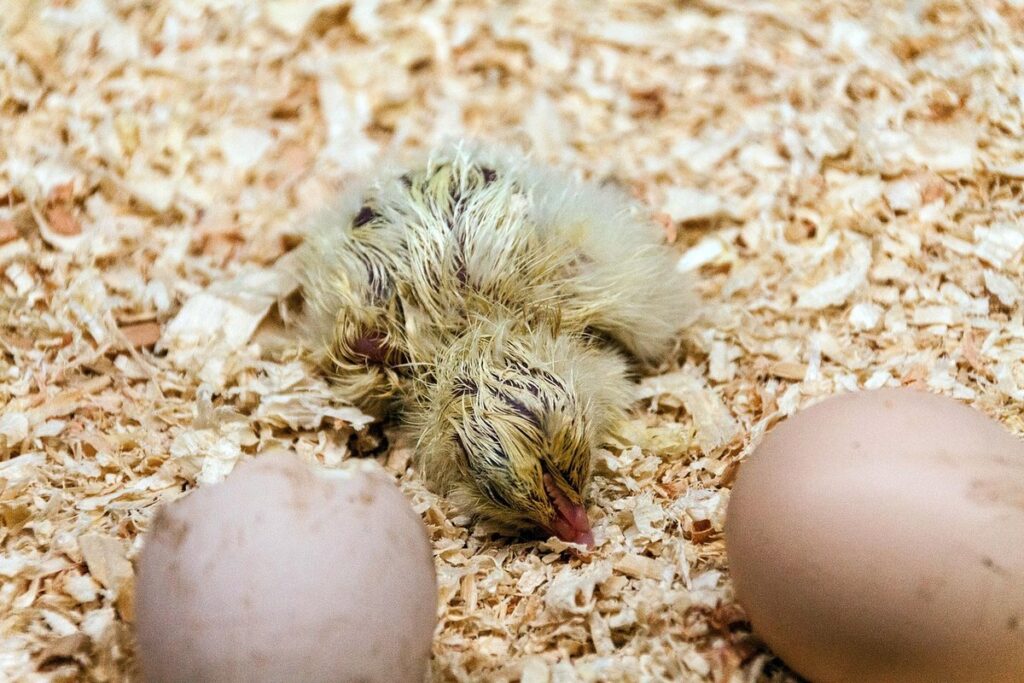
Understanding the Importance of Temperature in Egg Incubation
Understanding temperature control is crucial for successful egg incubation, and getting it right can be a challenge for even seasoned chicken keepers. Let’s break down why accurate temperature management matters.
Factors Affecting Embryo Development
Temperature plays a crucial role in embryo development, and even small fluctuations can impact growth rates and viability. During incubation, the temperature inside the egg determines the pace at which the embryo grows. Research suggests that optimal temperatures for chick embryo development range from 99°F to 100°F (37°C to 38°C), with slight variations affecting hatchability.
When temperatures rise above or fall below this range, it can cause developmental delays or even lead to embryonic death. For instance, a temperature of 104°F (40°C) can increase the risk of mortality by up to 50%. Conversely, temperatures as low as 98°F (36.7°C) can slow down growth, potentially resulting in chicks that are underdeveloped or weak.
Maintaining precise temperature control is essential to support healthy embryo development. To ensure optimal conditions, it’s crucial to monitor the incubator closely and adjust the temperature accordingly. Aim for a consistent temperature deviation of ±0.5°F (±0.3°C) within the ideal range to promote healthy growth and development.
Ideal Temperatures for Different Stages of Incubation
When it comes to incubating chicken eggs, maintaining the right temperature is crucial for ensuring successful hatching. The ideal temperatures vary depending on the stage of incubation, and failing to provide the correct conditions can lead to problems such as embryo death or chicks that are weak or deformed.
From fertilization to day 3, the egg needs a consistent temperature between 99°F (37°C) and 100°F (38°C). This is a critical period for cell division and development. During this time, it’s essential to maintain a stable temperature to avoid any sudden changes that might harm the embryo.
Between days 4-6, the temperature can be slightly reduced to 98-99°F (36-37°C), allowing the embryo to grow and develop further. It’s during this period that most embryos are vulnerable to temperature fluctuations.
As you approach day 18, the temperature should be adjusted again to a range of 100°F (38°C) to facilitate growth and prepare the chicks for hatching. By following these temperature guidelines and maintaining accurate records, you can significantly increase your chances of successful incubation and healthy chicks.
Setting Up Your Brooder: Essential Equipment for Temperature Control
To ensure your chicks grow healthy and strong, you’ll need to set up a brooder that maintains a precise temperature. This section covers the essential equipment you’ll need for effective temperature control.
Choosing the Right Brooder
When it comes to choosing the right brooder for your chicken eggs, there are several factors to consider. First and foremost, you want a brooder that can maintain precise temperatures within a narrow range of 99-100°F (37-38°C) during the first 24 hours after incubation. This is crucial for even sex determination in some breeds.
A good brooder should also provide adequate ventilation to prevent moisture buildup and promote healthy airflow. This is especially important when dealing with large quantities of chicks, as ammonia fumes can be hazardous to their health. Look for a brooder with a built-in ventilation system or consider adding an external fan for improved air circulation.
Some popular options include heat lamps, ceramic heat emitters, and infrared heaters. Heat lamps are often the most cost-effective option but may require more maintenance due to the need for frequent bulb replacements. Ceramic heat emitters, on the other hand, provide a safer, longer-lasting alternative that can be controlled precisely using a thermostat.
When selecting a brooder, consider factors such as space requirements, energy efficiency, and ease of cleaning. By choosing a well-ventilated, temperature-controlled brooder, you’ll be able to create an optimal environment for your chicks’ development.
Thermostats and Temperature Gauges: What You Need to Know
When it comes to maintaining a stable and healthy temperature in your brooder, thermostats and temperature gauges play a crucial role. A thermostat is essentially a device that monitors the temperature of the environment and adjusts the heat source accordingly. It’s like having a personal temperature manager for your chicks!
There are two main types of thermostats: mechanical and digital. Mechanical thermostats use a bimetallic coil to regulate temperature, while digital ones rely on computer chips to do the same job. Both types can be effective, but digital thermostats tend to be more accurate and easier to read.
When selecting a thermostat for your brooder, look for one with a clear and easy-to-read display, preferably in Fahrenheit or Celsius (whichever is more convenient for you). You should also consider a unit that allows for precise temperature control, such as ±0.1°F accuracy. This ensures that your chicks’ environment remains within the optimal temperature range.
Remember to position the thermostat away from drafts and extreme temperatures to ensure accurate readings.
Maintaining Optimal Temperatures During Incubation
Achieving the perfect temperature balance is crucial during incubation, and it’s essential to understand how to maintain optimal temperatures for healthy chick development. In this next part, we’ll cover some key tips to get you there.
Monitoring Temperature Fluctuations
Monitoring temperature fluctuations is crucial to ensure healthy hatch rates and prevent damage to embryos. Temperature swings can occur due to equipment malfunction, power outages, or other unforeseen circumstances. It’s essential to detect these issues before they become critical.
To monitor temperature fluctuations, you should install a reliable thermometer that provides real-time readings. Look for devices with high accuracy, such as digital thermometers, and ensure they are calibrated correctly. Place multiple thermometers within the incubation chamber to account for hotspots or cold spots. Regularly check temperatures at different times of day to identify any patterns or anomalies.
If you notice temperature fluctuations, investigate the cause immediately. Check the power supply, ventilation system, and cooling units to identify potential issues. Consider investing in a temperature controller that can automatically adjust settings to maintain a stable environment.
Adjusting Temperature as Needed: A Step-by-Step Guide
Adjusting temperature is crucial during incubation to ensure optimal hatching rates. To achieve this, you’ll need a thermometer and hygrometer that can be calibrated regularly to provide accurate readings.
Start by monitoring the temperature closely on day one, when it’s usually at its highest. If your setup experiences high temperatures, use your air conditioner or adjust ventilation to bring down the temperature gradually over 24-48 hours.
Conversely, if you notice temperatures dropping, increase the ambient temperature slightly without overheating the eggs. This step-by-step approach helps maintain a consistent temperature within 1/4°F of the set point throughout incubation.
Check your thermometer and hygrometer at least twice daily to ensure readings are accurate. Adjustments can be made by small increments (0.5-1°F) as necessary, always aiming for the ideal temperature range between 99.5°F to 100.5°F. Be cautious not to over-correct temperatures, which could have devastating effects on embryonic development.
A well-monitored and adjusted environment is essential for optimal hatching rates and healthy chicks.
Common Mistakes to Avoid When It Comes to Egg Incubation Temperature
When it comes to egg incubation temperature, even small errors can have a significant impact on your success. Let’s take a closer look at some common mistakes to watch out for.
Underheating or Overheating: Consequences for Embryos
When it comes to egg incubation temperature, maintaining the ideal range is crucial for the development of healthy embryos. However, if the temperature fluctuates or remains outside this optimal zone, the consequences can be severe.
Underheating, which occurs when the temperature drops below 99°F (37°C), can cause embryos to develop at a slower rate. This delay in growth can lead to increased mortality rates as the embryo’s energy reserves are depleted. In fact, studies have shown that even slight deviations from the optimal temperature range can result in up to 20% loss of embryos.
On the other hand, overheating, which occurs when the temperature exceeds 100°F (38°C), can be equally devastating. Embryos exposed to excessive heat may experience cellular damage, leading to increased mortality rates and a higher risk of birth defects. It’s essential to monitor the incubator closely and maintain a consistent temperature to avoid these risks.
To minimize the risk of underheating or overheating, it’s crucial to invest in a reliable thermometer and monitor the temperature regularly. Regular cleaning and maintenance of the incubator can also help prevent temperature fluctuations. By taking these precautions, you can create an optimal environment for your embryos to develop healthily.
Causes and Solutions for Unstable Temperatures
Unstable temperatures can be detrimental to developing embryos. One of the primary causes is improper temperature setting on the incubator. This might seem like an obvious mistake, but it’s surprisingly common. When the temperature fluctuates, it can lead to delayed development, decreased hatch rates, or even embryo death.
To mitigate this issue, ensure that your incubator has a precise thermometer and a stable heating system. Regularly check the temperature readings to identify any deviations from the optimal range (99.5°F for the first 24 hours, then gradually decrease to 99.0°F). Additionally, maintain a consistent humidity level between 45-55% to prevent moisture-related issues.
Monitor your incubator’s performance closely, and adjust as needed to maintain a stable environment. It’s also essential to choose an incubator with a robust design that can withstand temperature fluctuations. Some high-end models even come equipped with built-in thermostats and temperature sensors for added peace of mind.
Temperature-Related Health Issues in Chickens
If you’re incubating eggs, it’s crucial to know how temperature fluctuations can impact your chickens’ health and egg-laying abilities. Here, we’ll explore some common issues that arise when temperatures are off-target.
Effects of Temperature Extremes on Chicken Health
Temperature extremes can have a profound impact on chicken health, making them more susceptible to disease and reducing their overall well-being. When temperatures rise above 80°F (27°C) or drop below 40°F (4°C), chickens may experience heat stress or cold stress, respectively.
Heat stress occurs when chickens are exposed to high temperatures for an extended period, causing their body temperature to rise. This can lead to a range of problems, including reduced egg production, increased risk of disease, and even death. Chickens that are stressed due to heat will often stop laying eggs altogether, which can be devastating for breeders and farmers.
Cold stress is equally problematic, as chickens may experience respiratory issues, muscle weakness, and even death when exposed to prolonged periods of cold temperatures. To mitigate these risks, it’s essential to maintain a consistent temperature in the incubation environment between 99°F (37°C) and 100°F (38°C), depending on the breed and age of the chicken. This will help ensure that your chickens remain healthy and productive throughout the egg-laying cycle.
Managing Stress: Tips for Maintaining a Healthy Flock
Managing stress is crucial when it comes to maintaining a healthy flock. Chickens that are under stress can be more susceptible to temperature-related health issues. When incubating eggs, keeping the environment calm and relaxed is essential for optimal development.
To manage stress in your flock, ensure their basic needs are met: clean water, adequate food, and suitable living conditions. You can also try enriching their environment with toys and activities to stimulate their minds. For example, providing scratching posts or creating a dust bathing area can help reduce stress levels.
Maintain a regular routine for feeding, cleaning, and monitoring the flock’s health. This predictability can help alleviate anxiety and stress. Keep your flock indoors during extreme weather conditions, such as heatwaves or cold snaps, to protect them from temperature fluctuations.
Regularly inspect your birds for signs of stress, including changes in behavior, appetite, or egg production. Consult with a veterinarian if you notice any unusual symptoms. By prioritizing your flock’s well-being and addressing potential stressors, you can create a healthier environment for successful incubation and optimal chick development.
Advanced Techniques for Temperature Control in Large-Scale Operations
As you scale up your egg incubation operation, mastering temperature control becomes increasingly crucial to ensure healthy chick hatching rates and optimal growth. Let’s dive into advanced techniques for maintaining precise temperatures in large-scale settings.
Using Automated Systems for Temperature Control
Using automated systems for temperature control can be a game-changer for large-scale egg incubation operations. On one hand, these systems offer significant cost savings by reducing the need for manual intervention and minimizing energy consumption. For instance, an automated climate control system can adjust temperatures with precision, eliminating the risk of human error and ensuring that the ideal temperature range (around 99-100°F) is consistently maintained.
Another benefit of automated systems is increased efficiency. With automated monitoring and control, you can quickly identify any deviations from optimal temperature ranges, allowing for prompt corrective action to prevent heat stress or other issues that could compromise chick health. For example, if your system detects a sudden drop in temperature, it can automatically adjust the heating elements to bring the incubator back up to the desired range.
However, there are also potential drawbacks to consider. Automated systems require an initial investment and may need periodic software updates or calibration. Nevertheless, for large-scale operations, the benefits of automation often outweigh the costs. To get started with automated temperature control, research reputable manufacturers and carefully evaluate their products based on features such as precision, flexibility, and user-friendliness.
Integrating Temperature Control with Other Incubation Factors
When it comes to large-scale egg incubation operations, integrating temperature control with other critical factors is crucial for optimal results. Humidity levels, air circulation, and even the type of eggs being incubated can significantly impact the success of the process.
For instance, humidity levels must be carefully controlled within a narrow range (45-55%) to prevent excessive moisture loss from the eggs, which can lead to embryonic mortality or dehydration. This is particularly important during the initial stages of development when the embryo is most susceptible.
Air circulation also plays a vital role in maintaining a stable temperature throughout the incubation chamber. Proper air exchange helps distribute heat evenly and prevents hotspots that can lead to uneven development. You can achieve this through strategically placed vents or fans, ensuring optimal airflow while minimizing energy consumption.
Monitoring temperature alongside these factors allows you to make informed decisions about adjustments to the system as needed. By keeping a close eye on multiple variables, you can identify potential issues before they become major problems and maintain peak performance in your incubation operation.
Troubleshooting Common Issues with Egg Incubation Temperature
If you’re experiencing issues with your egg incubator, don’t worry – we’ve got you covered. This section will help you troubleshoot common temperature problems and get your eggs back on track.
Identifying Temperature-Related Problems in Your Brooder
When it comes to egg incubation temperature, ensuring that your brooder is functioning properly is crucial for healthy chick development. However, temperature-related problems can arise if you don’t monitor the temperature closely. So, how do you identify these issues before they cause damage?
Firstly, look out for erratic temperature fluctuations or a sudden drop in temperature. This could be due to a malfunctioning heating element or an incorrect thermostat setting. Another red flag is when chicks exhibit signs of distress, such as lethargy, huddling together, or excessive pecking at the brooder walls. These behaviors can indicate that the environment is too cold or too hot.
Causes for temperature-related problems in your brooder can be attributed to a range of factors, including poor ventilation, inadequate insulation, or a faulty thermostat. To troubleshoot these issues, ensure that your brooder has proper airflow and adequate insulation. Regularly check the temperature readings and calibrate your thermometer as needed. By being vigilant about temperature fluctuations and addressing potential causes promptly, you can help prevent chick health problems and promote successful incubation outcomes.
Solutions for Correcting Temperature Imbalances
When you notice temperature imbalances during egg incubation, it’s essential to take corrective action promptly. A small fluctuation can have a significant impact on embryo development.
To correct temperature imbalances, identify the source of the issue and address it accordingly. For example, if the problem is due to an incorrectly calibrated thermometer or a faulty temperature probe, replace these components with new ones. On the other hand, if the imbalance stems from an inconsistent environment, consider investing in a temperature control system for your incubator.
In cases where the temperature difference is more significant, such as during power outages or when the thermostat fails to respond correctly, you may need to manually adjust the setting on the incubator. This can be done by using a thermometer to monitor the actual temperature and adjusting the thermostat accordingly. It’s crucial to make these adjustments carefully to avoid making the imbalance worse.
To prevent future imbalances, ensure that your incubator is well-maintained, and all components are functioning correctly. Regularly calibrate your thermometers and probes to guarantee accurate readings. Additionally, monitor the incubation environment closely for any signs of temperature fluctuations, and be prepared to take corrective action as needed.
Frequently Asked Questions
How can I ensure consistent temperature readings with my thermometer?
To guarantee accurate temperature readings, make sure your thermometer is calibrated correctly and placed in a stable location within the brooder. Consider using multiple thermometers to double-check temperatures and account for any potential hot spots or cold areas.
What should I do if I notice significant fluctuations in temperature during incubation?
If you observe large temperature swings, first check that your temperature control system is functioning properly. If issues persist, consider investing in a more advanced temperature control system or seeking professional advice to troubleshoot the problem.
How often should I adjust the temperature during different stages of incubation?
Temperature adjustments are crucial during specific development stages. Generally, it’s recommended to maintain temperatures between 99°F and 100°F (37°C to 38°C) throughout most of the incubation period. However, slight adjustments may be necessary during critical periods like candling or hatching.
Can I use a fan to help regulate temperature in my brooder?
Yes, using fans can be an effective way to circulate air and maintain consistent temperatures within your brooder. Just ensure that you’re not creating drafts that might disturb the developing embryos. A well-placed fan can make a significant difference in maintaining optimal incubation conditions.
What’s the best approach for managing temperature extremes during power outages?
To avoid underheating or overheating during power failures, invest in a backup power source, such as a generator or UPS, that can maintain stable temperatures within your brooder. Additionally, consider using insulation materials and emergency heat sources to minimize temperature fluctuations.