
Are you considering bringing some feathered friends into your backyard? A duck house is a crucial investment for any duck owner, providing a safe and cozy home for your birds. But designing and building a dream duck house can be overwhelming, especially when you’re unsure what to include or how to stay within budget.
In this article, we’ll guide you through the essential aspects of ducks housing. From choosing the perfect location and size to incorporating ventilation, nesting boxes, and easy cleaning features, we’ve got you covered. Our expert tips will help you create a welcoming home for your ducks that meets their specific needs and fits your financial constraints. Whether you’re a seasoned duck owner or just starting out, our comprehensive guide will ensure your birds thrive in their new surroundings.
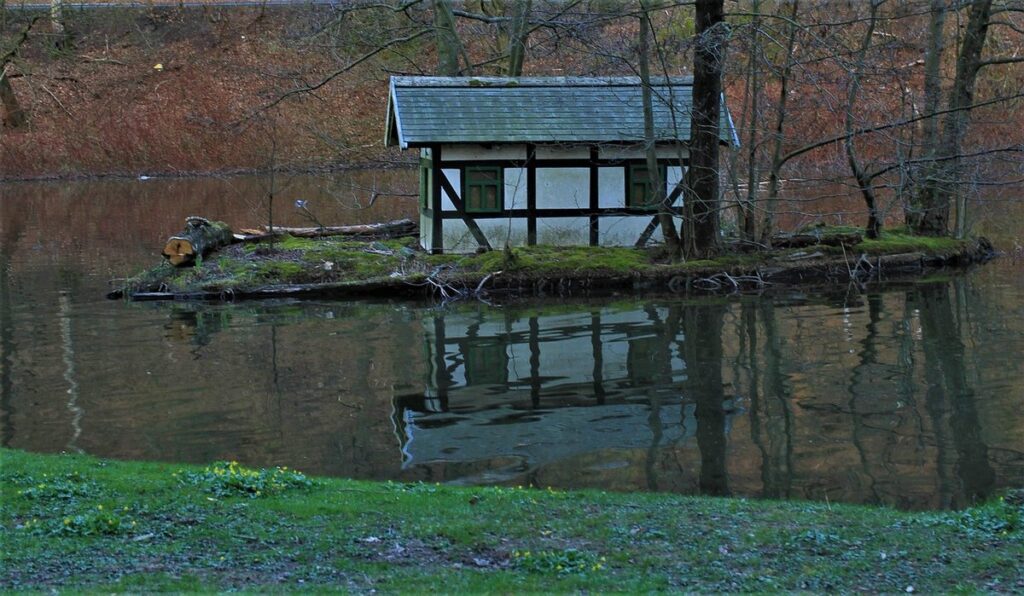
Choosing the Perfect Location
When it comes to building a dream duck house, choosing the right location is crucial for your feathered friends’ happiness and well-being. We’ll walk you through the key factors to consider when selecting a perfect spot.
Considering Climate and Sunlight
When choosing the perfect location for your duck house, it’s essential to consider the climate and sunlight your ducks will be exposed to. Ducks are sensitive to extreme temperatures, so a location that provides some protection from harsh weather conditions is crucial.
If you live in an area with hot summers or cold winters, look for a spot that offers shade during the hottest part of the day and some protection from strong winds. Consider building your duck house near a group of trees or under a sloping roof to create a natural shelter. Conversely, if you live in an area with mild temperatures year-round, you can opt for a more open location.
Another critical factor is sunlight. Ducks need adequate light to stay healthy and productive, but direct sunlight can be intense during peak hours. Aim for a spot that receives gentle morning or afternoon sun, rather than harsh midday rays. A good rule of thumb is to provide at least 6-8 hours of indirect sunlight per day.
Additionally, consider the microclimate of your property. Hills, valleys, and other topographical features can create unique weather patterns that may affect your ducks’ comfort. For example, a south-facing slope can receive intense sun during winter months, while a north-facing slope may remain cooler even in summer. By taking these factors into account, you can create an optimal environment for your feathered friends to thrive.
Assessing Water Access and Drainage
When it comes to building a duck house, ensuring that your feathered friends have access to clean water and proper drainage is crucial. A reliable water source nearby will not only make their lives easier but also promote healthy habits like regular drinking and bathing.
As for the location, consider the proximity of a pond, lake, or even a shallow dish filled with fresh water. Avoid areas prone to flooding or where water may become stagnant. You can also install a rainwater harvesting system to collect and store clean water for your ducks.
Proper drainage is equally important to prevent standing water that can attract pests and create unsanitary conditions. Design the duck house with a slight slope to ensure that any excess water flows away from the area. A French drain or a shallow trench filled with gravel can also help redirect water and maintain cleanliness.
Understanding Duck Behavior and Housing Needs
To build a duck house that truly meets your feathered friends’ needs, it’s essential to understand their unique behavior and housing requirements. This includes knowing how they live together in groups, forage for food, and stay safe from predators.
Social Structure and Space Requirements
Ducks are social creatures that live in groups, known as flocks. In the wild, these flocks can range from a few dozen to several hundred birds. Domesticated ducks also benefit from living with others of their kind, but it’s essential to provide them with adequate space per bird to thrive.
A duck’s social structure is complex, and they tend to form hierarchies within their flock. Dominant birds will often take on leadership roles, while subordinate birds may be relegated to secondary positions. To accommodate these social dynamics, you’ll want to consider the size of your duck house based on the number of birds it will hold.
A general rule of thumb is to provide at least 2-4 square feet of space per bird inside the duck house, with a minimum of 10-15 square feet per bird in the enclosed run or outdoor area. This allows for comfortable movement and social interaction without overcrowding. For example, if you have a flock of six ducks, your duck house should be at least 12-24 square feet in size to accommodate their needs.
When calculating the ideal amount of space needed for your flock, consider factors like breed, age, and activity level. Some breeds, such as Muscovy ducks, are naturally more aggressive and require more space to prevent stress and aggression.
Navigating Predator Protection and Escape Routes
When it comes to building a dream duck house, one of the most crucial considerations is ensuring the safety and security of your feathered friends. Predators such as foxes, coyotes, hawks, and owls can pose a significant threat to your ducks’ well-being. That’s why providing secure predator protection is essential.
A simple yet effective solution is to surround your duck house with netting or fencing that extends at least 3 feet underground to prevent burrowing predators from getting underneath. You can also use hardware cloth, which is a sturdy mesh material specifically designed for animal enclosures. Consider using a durable, weather-resistant material like plastic or metal for optimal protection.
Another crucial aspect of predator protection is ensuring your duck house has escape routes in case of emergencies. A well-designed duck house should have at least one main exit and one emergency exit to prevent ducks from getting trapped inside during an attack. Make sure the exits are large enough for your ducks to easily pass through, and consider adding a secondary door or gate that can be quickly opened from outside the enclosure.
When planning your duck house’s layout, prioritize escape routes and predator protection over aesthetics. By taking these precautions, you’ll be able to rest assured knowing your ducks are safe and secure in their new home.
Designing a Duck-Friendly Housing System
When it comes to designing a duck-friendly housing system, there are several key factors to consider, from layout and size to ventilation and nesting areas. Let’s explore these essentials in more detail.
Considering Size, Layout, and Aesthetics
When designing a duck house that meets your specific needs, it’s essential to consider three crucial elements: size, layout, and aesthetics. The right size will ensure your ducks have ample space to move around, while an efficient layout will keep their living area clean and easy to maintain.
As for size, aim for at least 2-4 square feet of floor space per duck. This might seem like a lot, but trust us – your feathered friends need room to stretch their wings! Consider the breed of ducks you have, too; larger breeds like Muscovy or Pekin will require more space than smaller ones like Khaki Campbell.
A well-thought-out layout is also vital. Think about how your ducks will move through the house and where they’ll rest, eat, and drink. You can create separate compartments for each activity to keep things organized. For instance, you might designate one area as a feeding zone, another as a nesting box, and a third as a playpen.
In terms of aesthetics, consider what style will blend seamlessly with your backyard or farm setting. Do you want a rustic woodsy look or something more modern and sleek? Maybe you have a vintage garden shed that can be repurposed into the perfect duck house! Whatever your vision, make sure it’s both functional and visually appealing – after all, your ducks deserve to live in a home they love, just like you would.
Incorporating Perches, Roosts, and Nesting Boxes
Providing perches, roosts, and nesting boxes is crucial when designing a duck-friendly housing system. These features not only add comfort to your ducks but also promote their health and well-being.
Perches allow ducks to exercise their legs and stretch while resting. They can be made from natural materials like branches or man-made materials like wooden planks. Consider installing multiple perches at different heights to cater to the needs of adult and juvenile ducks.
Roosts serve as a safe spot for ducks to roost during the night, providing protection from predators. You can design a dedicated roosting area within your duck house using nesting boxes or a large compartment with soft bedding. Make sure it’s elevated and dry to prevent moisture accumulation.
Nesting boxes are essential for breeding ducks. They should be spacious enough for an adult duck to comfortably fit inside, with a sloping roof to allow easy entry and exit. Install the nesting box at about 3-4 feet from the ground to ensure accessibility.
When choosing materials, prioritize durability and ease of cleaning. Consider using waterproof roofs and removable bedding trays to simplify maintenance tasks. Installing perches, roosts, and nesting boxes requires careful planning, but it’s a worthwhile investment for your ducks’ comfort and health.
Building a Duck House on a Budget
Building a duck house on a budget requires some creativity, but with a few smart strategies, you can create a safe and cozy home for your feathered friends without breaking the bank.
Affordable Materials and DIY Tips
Building a duck house on a budget requires some creativity and resourcefulness. One of the most significant expenses is often the materials themselves. However, there are plenty of affordable options to choose from.
Consider using reclaimed wood for your duck house’s frame and walls. Not only will this add character to your design, but it also reduces waste and can be sourced for free or at a low cost. For example, you could collect old pallets from local businesses or salvage discarded fencing materials from a nearby construction site.
Another affordable material is recycled plastic lumber (RPL), which is durable, rot-resistant, and easy to clean. You can find RPL at most hardware stores or online retailers for around $1-3 per board foot. To create a waterproof roof, simply attach asphalt shingles or corrugated metal sheets over a layer of roofing felt.
To make the most of your materials, get creative with repurposing old items. Use an old chicken coop or dog house as a starting point and customize it to fit your ducks’ needs. You can also upcycle old windows, doors, or even a vintage trailer into functional duck housing features like perches, nesting boxes, or feeding stations.
Prioritizing Durability and Maintenance
When it comes to building a duck house on a budget, prioritizing durability and maintenance is crucial. A well-built duck house not only saves you money in the long run but also ensures the health and happiness of your feathered friends.
Choose materials that can withstand harsh weather conditions, such as rot-resistant pine or cedar for the frame and walls. These types of wood are less prone to warping and cracking, making them an excellent choice for a duck house. You can also consider using recycled plastic lumber, which is durable, low-maintenance, and eco-friendly.
To simplify upkeep, install a waterproof roof and ensure proper drainage to prevent water accumulation. Consider adding a sloping roof or a slight overhang to allow water to run off easily. Regularly cleaning the duck house, especially after heavy rainfall or snowmelt, will help prevent mold and mildew growth. By following these tips, you can extend the life of your duck house and keep it in top condition for years to come.
Common Mistakes to Avoid When Building a Duck House
When building your dream duck house, it’s easy to overlook critical details that can lead to costly mistakes and unhappy feathered friends. Let’s cover some common pitfalls to avoid along the way.
Ignoring Ventilation and Insulation
When building or renovating a duck house, many owners make common mistakes that can lead to unhappy and unhealthy ducks. One of the most critical aspects often overlooked is ventilation. Ducks need air circulation to stay cool during hot summer months, just like we do. Without proper ventilation, ammonia from their droppings can build up quickly, causing respiratory problems and discomfort for your feathered friends.
A well-ventilated duck house should have openings that allow for airflow on all sides, especially in the coop area where the ducks roost at night. Consider adding windows or vents with a mesh screen to prevent predators and insects from getting inside while still allowing fresh air to circulate.
Insulation is another often-neglected aspect of duck house design. Ducks need protection from extreme temperatures, which can be life-threatening if their coop isn’t well-insulated. Aim for an R-value of at least 19 in the walls and 32 in the ceiling to keep your ducks warm during cold winter months. Use materials like foam board or fiberglass batts specifically designed for outdoor use.
Remember, a happy duck is a healthy one! By incorporating proper ventilation and insulation into your duck house design, you’ll be giving your flock the best chance at a long, happy life.
Failing to Plan for Future Expansion
When it comes to building a duck house, many owners underestimate the importance of planning ahead for future expansion or changes in their flock size. However, failing to do so can lead to costly renovations and an inadequate living space for your ducks.
To avoid this common mistake, consider designing your duck house with flexibility and scalability in mind. Start by planning for at least 2-3 square feet of floor space per duck, but also think about the potential need for additional rooms or sections as your flock grows. This might include a separate area for brooding or a dedicated room for older ducks.
Consider using modular designs or interchangeable components to make future expansions easier and more cost-effective. For example, you could use removable panels or easy-to-assemble modules that can be added as needed. This will not only save you money but also ensure your ducks have the space they need to thrive. By thinking ahead, you’ll create a duck house that’s both functional and adaptable, providing a happy home for your feathered friends for years to come.
Advanced Duck House Features and Innovations
As you’re building a duck house that’s truly special, it’s time to explore some exciting advanced features and innovations that will take your backyard retreat to the next level.
Solar-Powered Water Systems and Automation
When it comes to creating an efficient and enjoyable duck house, incorporating advanced features and innovations can make all the difference. One exciting aspect to consider is solar-powered water systems. Not only do they provide a reliable source of clean water for your feathered friends, but they also reduce energy costs and minimize environmental impact.
These systems typically consist of solar panels that harness sunlight to power a pump, which circulates water through a network of pipes to fountains, pools, or drinking troughs. You can even automate the watering process using smart sensors that detect temperature changes, humidity levels, or other factors to optimize water distribution. For instance, a solar-powered system might be programmed to provide more water during hot summer months when ducks need extra hydration.
To take it up a notch, integrate smart feeding mechanisms that ensure your ducks receive a balanced diet while minimizing waste. Automated feeders can be programmed to dispense food at specific times or triggered by sensors that detect duck activity. This not only streamlines feeding tasks but also helps prevent overfeeding and related health issues.
Creating a Regenerative and Sustainable Environment
Creating a regenerative and sustainable environment for your feathered friends is not only beneficial for their health and well-being but also for the planet. By incorporating eco-friendly features into your duck house design, you can reduce your carbon footprint, conserve resources, and promote biodiversity.
Start by harvesting rainwater to provide your ducks with clean drinking water and reduce the strain on municipal water supplies. You can install a rainwater collection system that stores the collected water in a tank or cistern. This will not only save you money on water bills but also help minimize stormwater runoff.
Composting toilets are another innovative feature you can integrate into your duck house design. These eco-friendly toilets convert human waste into nutrient-rich compost, reducing water consumption and minimizing wastewater generation. You can use the resulting compost to fertilize your garden or crops, creating a closed-loop system that promotes regenerative agriculture.
To keep pests at bay naturally, consider incorporating plants with pest-repellent properties around your duck house. Basil, mint, and lemongrass are excellent choices for repelling mosquitoes and flies. Regularly clean and disinfect the duck house to prevent diseases from spreading. By adopting these sustainable practices, you’ll not only create a healthy environment for your ducks but also contribute to a more environmentally conscious community.
Frequently Asked Questions
What are some essential safety features I should consider when building a duck house?
When building a duck house, it’s crucial to prioritize your ducks’ safety. Ensure that the enclosure is escape-proof, predator-resistant, and protected from harsh weather conditions. Consider incorporating features like secure doors, wire mesh, and a safe entry system.
How can I ensure proper ventilation in my duck house?
Ducks need fresh air to thrive! When designing your duck house, make sure to include adequate ventilation. This can be achieved by installing windows, vents, or using breathable materials for the roof and walls. Proper ventilation will help regulate temperature, reduce moisture buildup, and prevent respiratory issues.
What’s the ideal size and layout for a small backyard duck house?
For a small backyard, it’s essential to balance your ducks’ needs with space constraints. Consider building a compact duck house (around 4-6 square feet) with separate areas for nesting boxes, perches, and feeding/troughs. Ensure that the design allows for easy cleaning and maintenance.
How can I adapt my duck house design for extreme climates?
Ducks are sensitive to temperature extremes, so it’s essential to adapt your duck house design accordingly. For hot climates, consider incorporating shade-providing features like overhangs or awnings. In cold climates, ensure that the enclosure is well-insulated and protected from wind.
Can I use recycled materials for building a duck house?
Yes! Using recycled materials can be an eco-friendly and budget-friendly way to build your duck house. Consider repurposing old pallets, wooden crates, or using reclaimed wood for the structure. Just ensure that any materials you choose are safe and durable enough for outdoor use.