
If you’re looking for an alternative to traditional chicken eggs, you might want to consider quail eggs as a high-quality protein source. Quail eggs are not only a rich source of iron and zinc but also packed with vitamins and minerals that can boost your overall health. Whether you’re a health-conscious individual or a parent seeking nutritious food options for your family, quail egg nutrition is definitely worth exploring.
In this article, we’ll dive into the surprising health benefits of quail eggs and provide tips on how to incorporate them into your diet. You’ll learn about their high protein content, iron and zinc levels, as well as other essential nutrients that make them a great addition to any meal. We’ll also share some creative ways to cook and use quail eggs in your recipes, making it easy for you to start enjoying their benefits today!
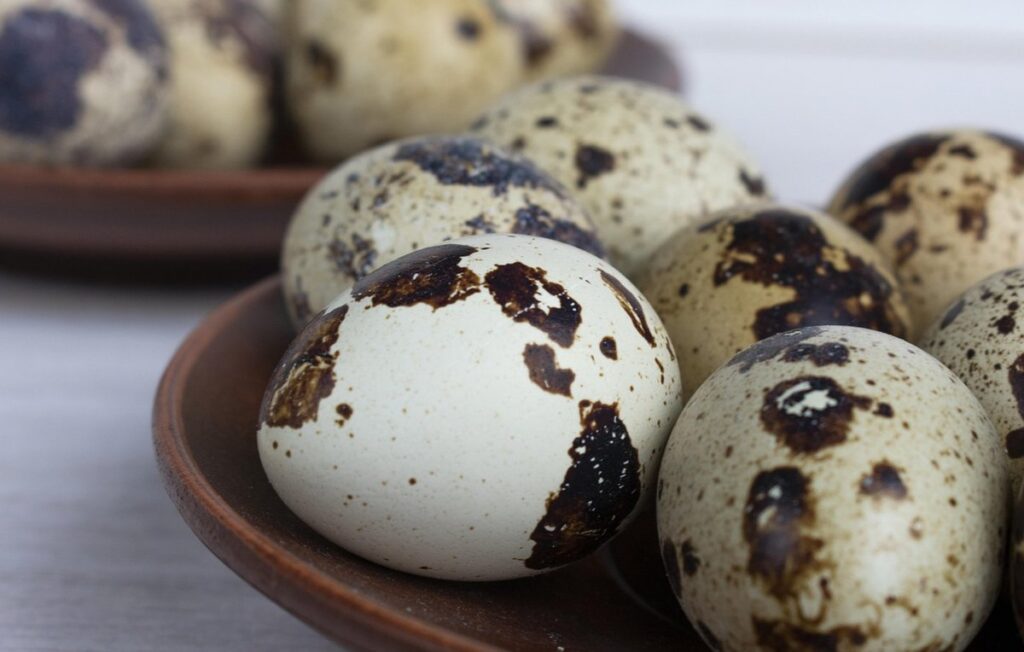
What are Quail Eggs and Their Nutritional Profile
Quail eggs, a staple in many global cuisines, offer an impressive nutritional profile that sets them apart from their chicken egg counterparts. Let’s dive into what makes quail eggs so nutritious.
Overview of Quail Eggs
Quails are small game birds native to Asia, and their eggs have gained popularity in recent years due to their distinct characteristics. One of the main advantages of quail eggs is their compact size, which makes them ideal for baking and cooking applications where space is limited. On average, a single quail egg weighs about 11-12 grams, with a length of around 30-32 millimeters.
Another notable aspect of quail eggs is their unique shell texture. Compared to chicken eggs, quail eggs have a thinner, more delicate shell that is easier to crack open. This also means they are less likely to contain salmonella bacteria, which can be present in chicken eggs. Furthermore, quails tend to lay eggs continuously throughout the year, unlike chickens, making them a more consistent source of fresh eggs.
As a result, many chefs and home cooks have started using quail eggs as a substitute for traditional egg ingredients in recipes. For instance, they can be used as an alternative to chicken eggs in omelets or frittatas, or as a topping for salads or pasta dishes. With their rich nutritional profile and versatility in the kitchen, it’s no wonder why quail eggs have become a sought-after ingredient in modern cuisine.
Comparison with Chicken Eggs
When it comes to quail eggs versus chicken eggs, there are several key differences that set them apart. One of the most notable differences is in terms of nutrition. Quail eggs have a higher protein content and a better fatty acid profile compared to chicken eggs. In fact, one large quail egg contains about 6-7 grams of protein, whereas a large chicken egg contains around 6-7 grams as well.
However, quail eggs are much smaller in size, which means you’ll need to consume more of them to get the same amount of nutrients as a single chicken egg. Taste-wise, quail eggs have a richer and creamier flavor compared to chicken eggs. When it comes to cooking methods, quail eggs can be cooked in a variety of ways, including boiling, frying, or scrambling.
To incorporate quail eggs into your diet, consider adding them to salads, pasta dishes, or using them as an egg substitute in baked goods. The smaller size and richer flavor make them a versatile ingredient that’s perfect for experimenting with new recipes.
Protein Content and Amino Acid Profile
Quail eggs are not only high in protein, but they also provide a unique amino acid profile that’s essential for maintaining overall health and well-being. Let’s take a closer look at what this means for you.
High-Quality Protein Source
Quail eggs are an exceptional source of protein, comprising approximately 12-14% of their total weight. This high protein content is essential for muscle growth and repair, making them a sought-after food item among athletes and bodybuilders. The amino acid profile of quail eggs is also noteworthy, with a balance of all nine essential amino acids (EAAs) required by the human body.
These EAAs are crucial building blocks for muscle tissue, and their presence in quail eggs facilitates efficient protein synthesis. In particular, the high levels of methionine and cysteine make quail eggs an excellent choice for athletes seeking to optimize their muscle growth and repair. To reap these benefits, aim to consume 2-3 quail eggs per day as a snack or add them to your meals.
For optimal results, pair quail eggs with other protein-rich foods like fish, lean meats, or plant-based options like legumes or nuts. This balanced approach will help ensure you’re meeting your daily amino acid requirements and supporting muscle growth and repair.
Quail Egg vs. Other Protein Sources
When it comes to protein content and amino acid profile, quail eggs often get compared to other popular sources like chicken eggs, fish, and plant-based options. While these alternatives have their own nutritional benefits, quail eggs stand out for their compact size and rich protein content.
One large quail egg contains approximately 3.6 grams of protein, which is about half the amount found in a large chicken egg (7-8 grams). However, considering the smaller size, quail eggs actually offer more concentrated protein per ounce than chicken eggs. For instance, a serving of 2 large quail eggs provides about 7-8 grams of protein.
Compared to fish like salmon and tilapia, which are also high in protein (around 20-25 grams per 3 oz serving), quail eggs have the advantage of being lower in fat and calories. As for plant-based options like beans and lentils, they are generally higher in fiber but often lower in essential amino acids than quail eggs.
If you’re looking to incorporate more protein into your diet, consider adding quail eggs to your meals or snacks. For a quick breakfast idea, try scrambling 2-3 quail eggs with spinach and whole wheat toast for a nutrient-packed start to the day.
Micronutrients and Vitamins Found in Quail Eggs
Quail eggs are packed with a surprising array of micronutrients, including vitamins that can have a significant impact on your overall health. Let’s dive into what these tiny eggs have to offer.
Rich in Iron and Zinc
Iron and zinc are two of the most crucial micronutrients that play vital roles in various bodily functions. Iron is essential for transporting oxygen to cells throughout the body, while zinc supports immune function, wound healing, and protein synthesis. Quail eggs are an excellent source of these minerals, making them a nutritious addition to your diet.
A single quail egg can provide up to 3 milligrams of iron, which accounts for about 15% of the daily recommended intake. Meanwhile, zinc content in quail eggs is relatively high, with approximately 0.5-1 milligram per large egg. To put this into perspective, consuming a couple of quail eggs daily can help meet your iron and zinc requirements.
To maximize the benefits of quail eggs, consider incorporating them into your breakfast or snacks. Try mixing chopped quail eggs with spinach for an iron-rich omelette or using quail eggs in place of chicken eggs in baked goods like muffins or cakes. Not only will you boost your iron and zinc levels but also indulge in a delicious and nutritious treat.
Other Essential Vitamins and Minerals
In addition to the essential vitamins and minerals we’ve discussed, quail eggs are also a rich source of other vital nutrients that play crucial roles in maintaining our overall health. Let’s take a closer look at some of these key players.
Vitamin D is an essential nutrient for bone health, immune function, and mood regulation. Quail eggs are one of the few animal-based foods that are naturally high in vitamin D, making them an excellent choice for those looking to boost their intake. In fact, one large quail egg provides a whopping 100 IU (International Units) of vitamin D, which is approximately 12-15% of the daily recommended value.
Quail eggs are also an excellent source of B vitamins, including folate, thiamine, and riboflavin. These vitamins play critical roles in energy production, nerve function, and heart health. Selenium, a powerful antioxidant, is another mineral found in quail eggs that helps protect cells from damage and supports immune function.
When it comes to incorporating quail eggs into your diet, consider adding them to salads, smoothies, or using them as an egg substitute in baked goods. Not only will you be getting a boost of vitamin D and B vitamins, but you’ll also be reducing the risk of nutrient deficiencies.
Health Benefits Associated with Quail Egg Consumption
When it comes to quail egg nutrition, many of us are unaware of its incredible health benefits. Let’s dive into some of the key advantages of incorporating quail eggs into your diet regularly.
Improved Eye Health
Consuming quail eggs has been linked to several potential health benefits for eye health, including a reduced risk of age-related macular degeneration (AMD). This condition is one of the leading causes of vision loss among older adults. Quail eggs are rich in antioxidants and omega-3 fatty acids, which play crucial roles in maintaining healthy vision.
The high levels of lutein and zeaxanthin in quail eggs help protect the eyes from damage caused by blue light, reducing the risk of AMD. These antioxidants also shield the retina from oxidative stress, a common factor contributing to age-related macular degeneration. Moreover, the omega-3 fatty acids present in quail eggs may reduce inflammation in the eyes, further lowering the risk of eye diseases.
To incorporate quail eggs into your diet and reap their benefits for eye health, consider adding them to omelets or frittatas. You can also use them as a substitute for chicken eggs in baked goods or pasta dishes.
Brain Function and Cognitive Development
Consuming quail eggs has been linked to improved brain function and potential cognitive development benefits. The high concentration of omega-3 fatty acids in quail eggs may contribute to enhanced cognitive abilities. Research suggests that individuals consuming a diet rich in omega-3s exhibit improved memory, attention span, and processing speed.
Quail eggs also contain choline, a nutrient essential for the production of acetylcholine, a neurotransmitter involved in memory formation and consolidation. Studies have shown that adequate choline intake supports cognitive development during critical periods of growth and maturation. For example, prenatal choline supplementation has been linked to improved cognitive function and academic performance in children.
To maximize the brain-boosting potential of quail eggs, it’s essential to consider your overall diet and lifestyle. Pairing quail eggs with other nutrient-dense foods, such as fatty fish and leafy greens, can amplify their cognitive benefits. Additionally, incorporating regular physical activity and adequate sleep into your routine can further support brain health.
Aim for 2-3 quail egg yolks per week to reap the rewards of improved brain function and potential cognitive development benefits. Consider adding them to salads, omelets, or smoothies as a nutritious and delicious way to enhance your cognitive abilities.
Cooking Methods and Preparation Tips
To get the most out of quail eggs, it’s essential to know how to cook them perfectly and prepare them safely. Let’s dive into some expert tips for cooking methods and preparation.
Boiling and Scrambling Quail Eggs
Cooking quail eggs can be a delicate process, but with some practice and patience, you’ll master the technique. When boiling quail eggs, it’s essential to use the right water ratio. Fill a pot with enough cold water to cover the eggs by about an inch. Bring the water to a boil, then reduce the heat to a simmer. Gently place the quail eggs into the water and cook for 6-7 minutes for large eggs or 5-6 minutes for small ones.
Now, onto scrambling quail eggs! Crack 2-3 eggs into a bowl and whisk them lightly with a fork. Add a pinch of salt and pepper to taste. Heat a non-stick pan over medium heat and add a small amount of oil or butter. Once the pan is hot, pour in the egg mixture and let it cook for about 10-15 seconds. Use a spatula to gently scramble the eggs, breaking them up into small curds.
When cooking quail eggs, it’s crucial to avoid overcooking, as this can make them rubbery or even tough. With practice, you’ll be able to achieve perfectly cooked quail eggs that are both delicious and nutritious.
Adding Quail Eggs to Recipes
Adding quail eggs to your recipes is a great way to boost their nutritional value. These tiny eggs are packed with protein, vitamins, and minerals that can add depth and richness to various dishes. Here’s how you can incorporate them into your favorite recipes.
Start by adding quail eggs to salads for an extra dose of protein and healthy fats. Try mixing diced quail eggs with avocado, cherry tomatoes, and a drizzle of balsamic glaze for a nutrient-packed salad. Quail eggs also pair well in stir-fries, especially those with vegetables like bell peppers and broccoli. Simply crack the eggs into the wok or skillet towards the end of cooking to avoid overcooking.
For breakfast enthusiasts, quail eggs make a great addition to omelets. Beat them lightly with salt and pepper before adding them to your fillings for added moisture and flavor. You can also use them as an egg substitute in recipes like quiches and frittatas. When using quail eggs in baked dishes, keep the baking time shorter due to their smaller size.
When experimenting with quail eggs, remember that they cook faster than regular chicken eggs. Keep an eye on them while cooking to avoid overcooking or undercooking. Also, be mindful of the quantity you use, as they can add a strong flavor to dishes if used excessively.
Cultural Significance and Availability
Quail eggs are a delicacy in many cultures, and their availability varies greatly depending on your location and personal connections. Let’s explore how cultural significance affects access to these tiny nutritional powerhouses.
Global Popularity
As we explore the world of quail egg nutrition, it’s fascinating to see the growing popularity of these tiny eggs across different regions. From Asia to South America, and from traditional kitchens to modern health food stores, quail eggs are increasingly being sought after for their nutritional benefits.
In many Asian cultures, quail eggs have been a staple in traditional medicine for centuries. In China, they’re prized for their ability to nourish the skin and promote healthy aging. In Japan, quail eggs are often served as a snack or used as an ingredient in sushi rolls due to their creamy texture and high protein content.
Interestingly, countries like South Korea and Taiwan have recently seen a surge in demand for quail eggs, with many consumers seeking them out as a natural remedy for improving eye health. Even in the West, quail eggs are gaining traction as a healthier alternative to chicken eggs, with some upscale restaurants incorporating them into their menus.
As you can see, the cultural significance of quail eggs varies widely depending on the region. Whether you’re looking to incorporate them into your diet or simply interested in trying something new, quail eggs offer an exciting opportunity to explore global cuisine and unlock their numerous health benefits.
Where to Buy Quail Eggs
When it comes to sourcing high-quality quail eggs, you have several options available. Online retailers have made it easier than ever to get your hands on these nutritious eggs without having to visit a local farm. Some popular online stores that sell quail eggs include Amazon, Walmart, and specialty food retailers like ButcherBox.
If you prefer to shop in-store, consider visiting local health food stores or farmers’ markets. These establishments often carry a variety of egg types, including quail eggs, from local farms. This option allows you to support your community while ensuring the freshest possible produce.
When purchasing quail eggs, look for stores that clearly label their eggs as “pasture-raised” or “free-range.” This indicates that the hens have been given access to outdoor space and a more natural diet, which can result in better egg quality. Always check the packaging for any visible cracks or damage before making a purchase. By choosing high-quality quail eggs, you’ll be able to reap the full nutritional benefits of these tiny powerhouses.
Conclusion: Embracing Quail Egg Nutrition
Now that we’ve explored the numerous health benefits of quail eggs, it’s time to summarize key takeaways and provide you with a clear plan for incorporating these nutritious eggs into your diet.
Recap of Key Findings
As we conclude our exploration of quail egg nutrition, let’s recap the key findings that highlight the numerous health benefits and potential uses of these tiny eggs. We’ve established that quail eggs are an excellent source of protein, vitamins, and minerals, making them a nutritious addition to a balanced diet.
From boosting energy levels with their high iron content to supporting eye health due to their rich lutein and zeaxanthin levels, quail eggs offer a wide range of nutritional advantages. We’ve also discussed how they can be used as a low-cholesterol alternative to traditional chicken eggs, making them an ideal choice for those managing heart health.
Incorporating quail eggs into your diet is easier than you think – simply substitute one or two quail eggs for a regular egg in your favorite recipes. You can also use them as a topping for salads or omelets, adding a burst of flavor and nutrition to your meals. With their versatility and nutritional profile, it’s no wonder quail eggs are gaining popularity among health-conscious individuals and chefs alike. By embracing quail egg nutrition, you’ll be unlocking a wealth of benefits that can transform the way you eat and live.
Final Thoughts and Recommendations
As we conclude our exploration of quail egg nutrition, it’s clear that these tiny eggs pack a big punch when it comes to providing essential nutrients. By incorporating quail eggs into your diet, you can experience improved energy levels, enhanced cognitive function, and even support weight management.
Incorporating quail eggs into your meals is easier than you think. Try adding them to omelets or frittatas for a protein-packed breakfast, or use them as a topping for salads or avocado toast. You can also blend them into smoothies or make quail egg scrambles with vegetables like spinach and mushrooms.
Remember, every little bit counts when it comes to nutrition. Even a small serving of quail eggs per day can have a significant impact on your overall well-being. So why not give quail eggs a try? Experiment with different recipes and find ways to incorporate them into your daily routine. Your body – and taste buds – will thank you!
Frequently Asked Questions
Can I substitute quail eggs for chicken eggs in all recipes?
While quail eggs can be used as a direct substitute in many recipes, their size and cooking time may vary due to differences in egg size and protein content. It’s best to start with small batches and adjust the recipe accordingly.
How do I store quail eggs to maintain their freshness?
Quail eggs are more fragile than chicken eggs and require special handling. Store them in a cool, dry place or refrigerate at 40°F (4°C) to preserve freshness. Avoid washing them before storing to prevent moisture from entering through the pores.
Are there any health risks associated with consuming quail eggs?
Like all animal products, quail eggs can pose a risk of salmonella contamination if not handled and cooked properly. Ensure that your quail eggs come from a reputable source, and cook them thoroughly (at least 165°F or 74°C) to minimize the risk.
Can I use quail eggs in baking recipes for people with gluten intolerance?
Quail eggs are naturally gluten-free and can be used as an excellent substitute in baked goods. However, ensure that your other ingredients and cooking methods comply with gluten-free standards to avoid cross-contamination.
How many quail eggs should I consume per day for optimal nutrition benefits?
The recommended daily intake of quail eggs is not established, but a few eggs (2-3) per week can provide the necessary nutrients without overloading on protein. Start with small amounts and adjust according to your individual needs and health goals.