
When it comes to successful chicken breeding, one crucial aspect is often overlooked: fertilized eggs. These tiny packages hold the key to healthy chicks, optimal egg quality, and ultimately, a thriving flock. But have you ever stopped to think about how important rooster selection and incubation are in ensuring those high fertility rates? In this article, we’ll delve into the world of fertilized eggs and explore why it’s essential to get them right. From selecting the perfect rooster to successfully incubating and hatching your precious eggs, we’ll cover it all. Whether you’re a seasoned farmer or just starting out, our guide will walk you through the process of achieving optimal fertility rates and egg quality. By the end, you’ll be well-equipped to take your chicken breeding to the next level.
Introduction to Fertilized Eggs
For those new to raising chickens, let’s start at the beginning and explore what makes a fertilized egg so crucial for their development. We’ll delve into its importance and process in this next section.
What are Fertilized Eggs?
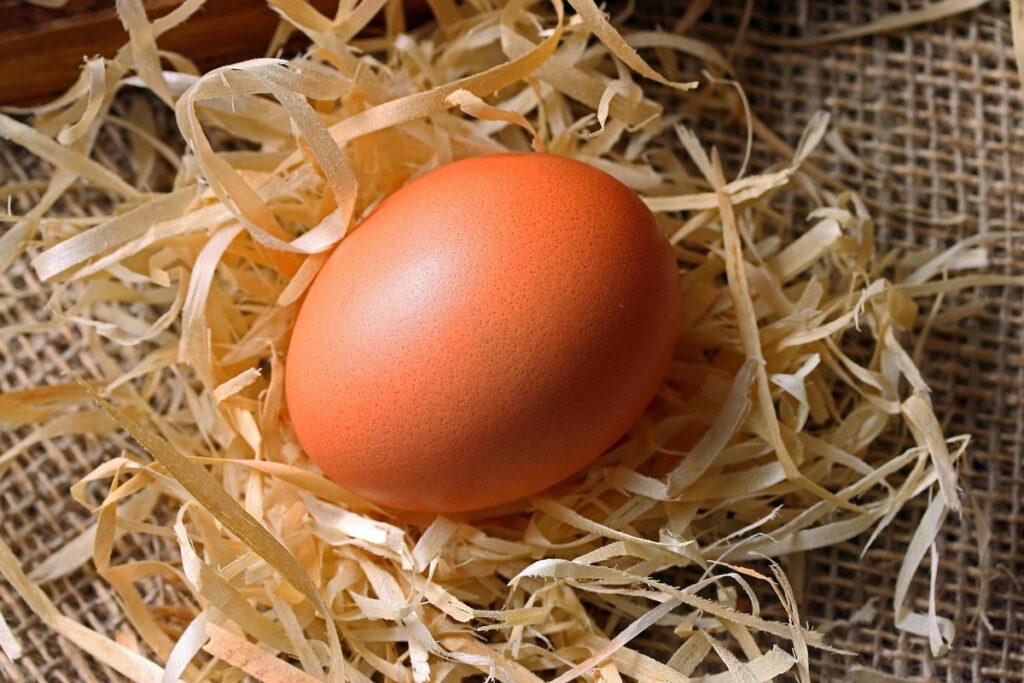
Fertilized eggs are a crucial aspect of chicken breeding and egg production. These eggs have been fertilized by a rooster, resulting in the development of an embryo that will eventually hatch into a chick. This process is essential for maintaining healthy and diverse chicken flocks.
When a rooster mates with a hen, he deposits sperm into the oviduct of the hen, allowing fertilization to take place. The fertilized egg then develops through several stages, including the formation of the embryo, the development of feathers, beak, and other essential features. This entire process typically takes around 21 days from fertilization.
As a chicken breeder or owner, it’s crucial to understand the fertilization process to make informed decisions about your flock’s health, productivity, and genetic diversity. Fertilized eggs are also an excellent choice for backyard chicken keepers who want to raise healthy chicks with specific traits, such as egg-laying ability, feather quality, or hardiness.
To ensure successful fertilization, it’s essential to provide a suitable environment for both the rooster and hen, including adequate space, nutrition, and social interaction. This will promote optimal fertility rates and reduce the likelihood of embryonic development issues.
Benefits of Fertilized Eggs
Using fertilized eggs can bring numerous benefits to your chicken-keeping experience. One of the most significant advantages is the increased fertility rate. Fertilized eggs have a higher chance of hatching successfully compared to unfertilized ones, which means you’re more likely to get chicks from each breeding attempt. This is especially important for backyard chicken keepers who want to raise healthy and robust birds.
Another benefit of using fertilized eggs is better egg quality. Fertilized eggs tend to have a longer shelf life due to their higher water content, resulting in fresher-tasting eggs for you. Moreover, the process of fertilization stimulates the reproductive cycle of the hen, leading to improved overall health and well-being.
When selecting fertilized eggs, look for suppliers who use reputable breeding programs and maintain high-quality standards. This ensures that your hatching eggs are not only fertile but also free from genetic disorders. By choosing fertilized eggs, you’re investing in a healthier and more sustainable approach to raising chickens.
The Role of Roosters in Fertilization
While it’s easy to assume that roosters only fertilize eggs by being present, their actual role is more complex and essential for successful reproduction. In this section, we’ll explore how they contribute to fertilization.
Rooster Selection and Breeding
When it comes to producing high-quality fertilized eggs, the selection and breeding of roosters play a vital role. The genetic traits of offspring are largely determined by the quality and characteristics of the rooster, making proper selection and breeding practices essential.
To select a suitable rooster for your flock, look for individuals with desirable traits such as strong health, good temperament, and high fertility rates. Consider factors like egg production, growth rate, and feather quality when choosing a breed that aligns with your needs. For example, if you’re raising chickens for meat production, a larger, faster-growing breed may be more suitable.
Proper breeding practices involve selecting roosters from reputable bloodlines, maintaining healthy breeding stock, and monitoring fertility rates to ensure the highest possible hatch rate. This not only ensures successful fertilization but also contributes to the overall health and well-being of your flock. By prioritizing rooster selection and breeding, you can significantly improve the quality and consistency of your fertilized eggs.
Rooster Behavior and Fertility
When it comes to fertility rates in chickens, rooster behavior plays a significant role. A healthy and well-cared-for rooster is essential for successful fertilization. Age is one critical factor: young roosters (less than 12 months) may not be mature enough to fertilize eggs effectively, while older birds (over 3 years) can begin to decline in fertility due to reduced sperm quality.
Good health and nutrition are also crucial for a rooster’s reproductive capabilities. A balanced diet that includes essential vitamins and minerals will support the rooster’s overall health and ensure he is producing healthy sperm. On the other hand, stress, disease, or parasites can impair fertility. Make sure your roosters have access to clean water, nutritious feed, and regular veterinary check-ups.
Additionally, consider factors like breed and individual temperament: some breeds are naturally more fertile than others, while certain personality traits may influence a rooster’s ability to mate successfully. By providing optimal care for your roosters and considering these factors, you can maximize fertility rates and increase the chances of successful hatching.
The Process of Fertilization
Let’s dive into the fascinating process that makes a fertilized egg possible. We’ll break down each step, from sperm and egg meeting to the formation of a tiny embryo inside the shell.
Ovulation and Egg Formation
As eggs are formed in chickens, it’s essential to understand the process of ovulation and fertilization. In hens, ovulation occurs approximately every 24-26 hours, with each egg requiring about a day and a half to two days to mature. During this time, the yolk is produced in the oviduct, the center of the hen’s reproductive system.
The formation of an egg involves several stages: the yolk is released from the ovary and passes through the oviduct, where it picks up layers of albumen (egg white) and shell membranes. As the egg progresses, it is covered with a hard, calcium carbonate-based shell that provides protection for the developing chick.
When a rooster mates with the hen, he deposits his sperm into the oviduct. If an egg is released at this time, fertilization can occur as the sperm meets the yolk in the oviduct. This process typically takes place within 10-12 hours after mating and requires precise timing for successful fertilization to take place. It’s essential to ensure that your flock has a balanced diet, adequate lighting, and suitable living conditions to promote optimal reproductive health.
Fertilization Techniques
Fertilization techniques play a crucial role in ensuring the fertility of eggs laid by chickens. Two primary methods used for fertilizing eggs are artificial insemination and natural mating.
Artificial insemination involves collecting semen from roosters and manually inserting it into the reproductive tract of hens. This method allows breeders to choose specific genetic traits they want to introduce, increasing the chances of getting high-quality offspring. For instance, if a breeder wants to enhance egg-laying capacity in their flock, they can select semen from a proven rooster with this trait.
Natural mating, on the other hand, occurs when hens are exposed to roosters during breeding season. Breeders often prefer natural mating as it allows for instinctual behavior and reduces stress on both sexes. However, natural mating requires a balanced ratio of males to females, and breeders must monitor fertility rates closely.
Some key considerations when choosing fertilization techniques include the breed’s specific requirements, available resources, and desired outcomes. By understanding these factors and selecting the most suitable method, breeders can improve the chances of obtaining fertile eggs and increasing their flock’s overall productivity.
Handling and Storage of Fertilized Eggs
When handling fertilized eggs, it’s essential to handle them gently and avoid jarring movements that can damage the embryo. Proper storage is also crucial for maintaining a healthy developing chick.
Collecting and Cleaning Fertilized Eggs
Collecting and cleaning fertilized eggs is a delicate process that requires attention to detail to prevent breakage and contamination. When collecting eggs from the incubator or breeder farm, it’s essential to handle them gently to avoid cracking the eggshells. You can do this by carefully scooping up the eggs with a gloved hand or using a specialized egg collector.
To clean the fertilized eggs, start by wiping them down with a soft, dry cloth to remove any loose debris. Then, gently scrub each egg with a mild detergent and warm water solution to remove any dirt or oils that may be present on the shell. Rinse the eggs thoroughly and let them air-dry before handling. This cleaning process should be done in a sanitized environment to prevent contamination.
It’s also crucial to note that fertilized eggs can be stored for an extended period if handled correctly. Store them in a controlled environment with a consistent temperature between 50-60°F (10-15°C) and relative humidity of 50-60%. This will help maintain the viability of the embryo and prevent any potential damage.
Refrigeration and Storage
Storing fertilized eggs requires attention to detail to ensure their viability and health. Fertilized eggs are sensitive to temperature fluctuations, humidity, and handling, which can affect the development of the embryo.
To maintain optimal storage conditions, it’s essential to keep fertilized eggs in a cool, dry place with consistent temperatures between 50°F to 60°F (10°C to 15°C). Avoid storing them near heat sources or direct sunlight. A refrigerator set at around 55°F (13°C) is ideal for short-term storage.
For longer-term storage, consider using a controlled environment agriculture (CEA) system or a low-temperature incubator specifically designed for egg storage. These systems maintain precise temperature and humidity levels, extending the storage duration to several months.
As a general rule of thumb, it’s best to consume fertilized eggs within 7 to 10 days from collection for optimal viability. However, with proper storage conditions, some breeds can be stored for up to 4 weeks without significant loss in hatchability rates.
When storing fertilized eggs, make sure the container is clean and dry, and handle them gently to prevent damage. Keep the eggs pointed end down to prevent moisture from entering through the air cell.
Incubation and Hatching of Fertilized Eggs
Let’s dive into the process of incubating fertilized eggs, where you’ll learn how to create a healthy environment for your chicks to grow and develop inside their eggshells. This is a crucial step in successfully raising new chickens.
Setting Up an Incubator
To set up an incubator, you’ll need some essential equipment. The basic components include an incubator cabinet, a temperature and humidity control system, a turning mechanism, and a ventilation system. You can choose from various types of incubators, such as digital or analog models, depending on your specific needs.
When setting up the incubator, start by placing it in a quiet, draft-free area away from direct sunlight. Next, follow these step-by-step instructions:
* Place the eggs in the egg cartons provided with the incubator.
* Set the temperature to 99-100°F (37-38°C) for the first 24 hours and then adjust to 98-99°F (36-37°C) for the remaining period.
* Maintain humidity levels between 50-60%.
* Turn the eggs gently every hour to prevent sticking.
* Monitor the incubator’s temperature and humidity readings regularly.
By following these guidelines, you’ll be able to create a suitable environment for your fertilized eggs to hatch successfully. Remember to keep the incubator clean and well-maintained throughout the hatching process. With proper setup and care, you can enjoy watching your chicks emerge from their eggs in a few weeks’ time.
Monitoring Temperature and Humidity
Maintaining optimal temperature and humidity levels is crucial during incubation to ensure the health and development of the embryo. The ideal temperature range for chicken eggs is between 99°F (37°C) and 100°F (38°C), with a slight decrease as the incubation period progresses.
It’s essential to monitor the temperature consistently, as deviations can lead to embryonic death or deformities. You can use an incubator thermometer or a hygrometer to track temperature fluctuations. Make sure to place the thermometer in the same area where the eggs are kept, avoiding drafts and direct sunlight.
Humidity levels also play a vital role, with an optimal range of 50-60%. This helps maintain the moisture balance within the egg, preventing dehydration of the embryo. You can increase humidity by misting the incubator with water or using a humidifier. Keep in mind that sudden changes can be detrimental to the developing embryo.
Regularly check and adjust the temperature and humidity levels as needed to ensure optimal conditions for your fertilized eggs. This may require frequent monitoring, especially during peak temperatures or extreme weather conditions outside.
Common Issues with Fertilized Eggs
While fertilized eggs offer numerous benefits, some issues may arise during storage and incubation that can affect their viability. We’ll explore common problems to watch out for in this section.
Embryonic Development Problems
During embryonic development, fertilized eggs can encounter various problems that may lead to infertility, poor quality eggs, or embryo death. One common issue is the presence of sperm abnormalities, which can result from factors such as inadequate breeding stock, poor egg handling practices, or environmental stressors.
Egg quality also plays a significant role in embryonic development. Eggs with imperfections, such as cracks, dirty exteriors, or improper candling, may not develop properly. These imperfections can lead to embryo death, failed hatch attempts, or chicks that are weak and undersized.
Additionally, factors like temperature fluctuations, humidity levels, and egg turning frequency can impact embryonic development. For example, temperatures above 75°F (24°C) can cause embryos to develop at an accelerated rate, leading to birth defects or stillbirths. Conversely, inadequate egg turning can cause the embryo to become stuck in one position, resulting in malformations.
To minimize these risks, breeders should maintain optimal incubation conditions and carefully monitor egg quality before setting them for hatching. Regular health checks on breeding stock and proper storage of eggs can also help prevent embryonic development problems.
Post-Hatching Care for Chicks
As you eagerly await the hatching of your fertilized eggs, it’s essential to prepare for the new arrivals. Proper post-hatch care is critical to ensure optimal health and growth of your chicks. When they emerge from their shells, they’re fragile and require special attention.
A clean and safe environment is crucial for the initial few weeks. Provide a brooder with adequate ventilation, warmth, and space for the chicks to move around. A temperature range of 90-100°F (32-38°C) is recommended during the first week. Make sure the brooder is draft-free and away from direct sunlight.
Maintain high humidity levels in the brooder by placing a shallow dish with water or misting the area lightly. This helps prevent dehydration and supports skin development. Offer starter feed specifically designed for young chicks, and ensure access to fresh water at all times. Monitor their health closely, looking out for signs of illness, such as labored breathing, lethargy, or wet droppings.
With attention to detail and a nurturing environment, your newly hatched chicks will grow strong and healthy, setting the stage for a thriving flock.
Conclusion and Future Directions
Now that we’ve explored the process of fertilized eggs in chickens, let’s wrap up our discussion by summarizing key points and looking ahead to potential advancements.
Recap of Key Points
In conclusion to our exploration of fertilized eggs in chickens, let’s recap the key takeaways. We’ve discussed the importance of fertilization in the reproductive process of hens, where roosters play a crucial role in fertilizing the eggs. Fertilized eggs are essential for maintaining genetic diversity and ensuring the continued health and well-being of chicken populations.
A critical point to note is that not all eggs are created equal. While unfertilized eggs may still be safe for human consumption, they lack the vital nutrients and characteristics of fertile eggs. Fertile eggs, on the other hand, contain a developing embryo and are more nutritious due to their higher protein content.
In practice, fertilized eggs can be used in various ways – from hatching chicks to being consumed as an egg food source rich in nutrients like vitamin D and iron. By understanding the process of fertilization, we can better appreciate the intricate mechanisms at play in chicken reproduction, ultimately contributing to more informed and responsible poultry farming practices.
Future Research Opportunities
As we conclude our exploration of fertilized eggs in chickens, it’s exciting to consider the vast opportunities for future research that can further enhance our understanding and utilization of this crucial biological process. Genetic studies are one area that holds tremendous potential, particularly in optimizing fertility rates and hatchability in chicken breeds. By examining genetic markers associated with reproductive success, researchers can identify specific traits that contribute to improved fertilization efficiency.
Advancements in fertilization techniques are another promising avenue for future research. For instance, researchers may investigate the efficacy of artificial insemination (AI) methods using advanced technologies such as ultrasound-guided AI or frozen-thawed semen storage. Such innovations could significantly increase fertility rates and reduce handling stress on birds, ultimately benefiting both producers and consumers.
Moreover, exploring the potential applications of fertilized eggs in areas like regenerative medicine or tissue engineering could lead to groundbreaking discoveries. Who knows what secrets these cells hold for human health and wellness? The possibilities are vast, and it’s our responsibility as a community to continue pushing the boundaries of knowledge in this field.
Frequently Asked Questions
What are the best rooster breeds for small farms or backyard flocks?
The best rooster breed for your farm will depend on several factors, including the size of your flock, climate, and desired egg production characteristics. Some popular breeds include Leghorns, Rhode Island Reds, and Barred Rocks. Consider breeds that are known for their high fertility rates and robust health.
How often should I collect and clean fertilized eggs?
Collecting fertilized eggs daily is crucial to prevent breakage and contamination. Clean the eggs gently with soap and water before storing them in a cool, dry place or refrigerating them at 40°F (4°C). Proper handling will ensure optimal fertility rates and reduce the risk of embryo development problems.
Can I use any type of incubator for fertilized eggs?
Not all incubators are created equal when it comes to achieving high fertility rates. Look for an incubator with precise temperature control, humidity management, and good air circulation. Automatic turners can also help prevent embryo positioning issues. Before investing in a specific incubator model, research its reviews and features.
How long does it take for fertilized eggs to hatch after incubation?
Incubation typically lasts around 21 days for chickens. However, factors like temperature fluctuations, humidity levels, and egg quality can affect the hatching process. Monitor your incubator’s settings closely during this time and ensure proper ventilation to promote healthy embryo development.
What should I do if an embryo development problem occurs during incubation?
If you notice any irregularities or issues with embryonic development during incubation, such as delayed pipping or weak chicks, stop the incubation process immediately. Consult a veterinarian specializing in poultry for guidance on handling and treatment options to prevent further complications.