
Are you thinking of raising adorable white runner ducklings? With their sleek feathers and energetic personalities, it’s no wonder these little ones have captured the hearts of many backyard farmers and homesteaders. As a responsible duck parent, you’ll want to ensure your new additions grow into healthy, happy adults. But with so many factors to consider – from breed characteristics and housing needs to nutrition and health considerations – it can be overwhelming for even the most seasoned poultry enthusiasts. In this expert guide, we’ll walk you through everything you need to know about raising white runner ducklings, covering the essential aspects of their care and providing valuable insights to help you get started on the right track.
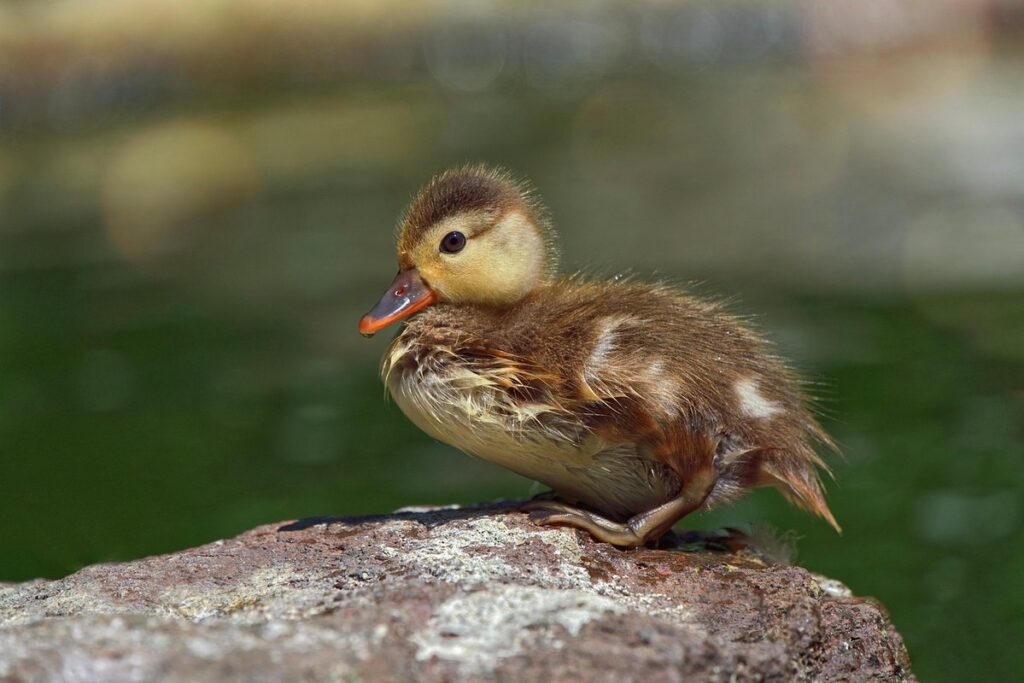
Introduction to White Runner Ducklings
Let’s start with the basics: what is a White Runner duckling, and how do you care for these adorable little birds during their first few weeks of life. We’ll cover the essentials next.
Understanding the Breed Characteristics
White Runner ducklings have a rich history that dates back to Europe in the 19th century. Originating from England and France, these birds were bred specifically for their speed, agility, and distinctive white plumage. Their ancestors were used in pheasant hunting, where they would flush out game for hunters.
Today, White Runners are popular among backyard farmers and enthusiasts due to their unique characteristics. For one, they are incredibly fast, with the ability to reach speeds of up to 30 miles per hour. This makes them ideal for anyone looking to raise birds that can keep pace with active lifestyles. Additionally, White Runners are known for their friendly, outgoing personalities, making them a great choice for families or those who want social birds.
One reason why White Runners stand out is their striking appearance. Their white feathers, combined with their dark eyes and beaks, create a stunning visual effect. But it’s not just about looks – these birds are also highly intelligent and curious, requiring regular exercise and mental stimulation to prevent boredom and stress.
Importance of Researching Before Buying
When bringing home your adorable white runner ducklings, it’s essential to do your research before making that purchase. This includes finding a reputable breeder or seller who prioritizes the health and well-being of their animals. Look for reviews, ask for references, and inspect the breeding facility to ensure you’re getting top-notch ducklings.
It’s also crucial to understand the specific needs of white runner ducklings. They require plenty of space to roam and exercise, as well as a diet rich in protein to support their rapid growth. A good breeder or seller will be able to provide you with detailed information on caring for your new flock, including feeding, vaccination, and health checks.
Before making a purchase, take the time to learn about the duckling’s breed history, temperament, and potential health issues. This knowledge will help you prepare for any challenges that may arise and ensure you’re providing the best possible care for your feathered friends. By doing your research, you’ll be better equipped to provide a happy, healthy home for your white runner ducklings.
Choosing Healthy White Runner Ducklings
When selecting healthy white runner ducklings, it’s essential to look for a reputable breeder and inspect the birds’ overall health and vitality. A healthy duckling should be active, alert, and free of visible defects.
Signs of Good Health and Hygiene in Ducklings
When it comes to raising healthy white runner ducklings, one of the most important aspects is identifying signs of good health and hygiene. Healthy ducklings will exhibit certain physical characteristics that you should look out for.
Their feathers should be clean, fluffy, and free of mites or lice. Check their downy covering for any visible sores or patches. If you notice any irritation or excessive molting, it could indicate a parasite infestation or underlying health issue. On the other hand, healthy ducklings will have bright, inquisitive eyes with no signs of discharge.
Their beaks should also be free from any damage or deformity. Healthy ducklings will have pinkish-red combs on their heads, which are indicators of good health. If you notice any unusual colors or growths on their legs or feet, it could be a sign of metabolic bone disease.
In terms of cleanliness and proper sanitation, it’s essential to maintain a clean brooder with adequate ventilation. Clean the brooder regularly by removing waste and replacing bedding material. This will help prevent the spread of diseases among your ducklings.
For example, if you’re keeping a group of ducklings in a shared brooder, make sure each one has enough space to move around comfortably. You can also separate them into smaller groups as they grow older to reduce stress and promote better hygiene.
What to Expect from a Reputable Breeder or Seller
When selecting a breeder or seller for your white runner ducklings, it’s essential to do your research and find someone with experience and a good reputation. A reputable breeder or seller will prioritize the health and well-being of their ducks, ensuring that they are raised in clean and safe environments.
Look for breeders who have years of experience raising waterfowl and can provide documentation on their breeding stock’s lineage and health records. Check online reviews, ask for referrals from other duck keepers, and visit the breeder’s farm or facility to get a sense of how the ducks are being raised. A reputable seller will be transparent about the health and temperament of their birds, and be willing to share information on feeding, vaccinations, and any specific needs of the ducklings.
Before making a purchase, ask plenty of questions and take notes on the breeder’s or seller’s answers. What kind of care and attention have the ducklings received so far? How are they being fed and cared for during transport? What kind of support can you expect after bringing the ducklings home? By doing your research and choosing a reputable breeder or seller, you’ll be off to a great start with raising healthy and happy white runner ducklings.
Housing and Enclosure Requirements
When it comes to raising healthy white runner ducklings, providing a safe and suitable environment is crucial. Let’s explore the specific housing and enclosure requirements you’ll need to consider.
Essential Features of a Duckling-Friendly Environment
When creating a duckling-friendly environment, it’s essential to prioritize their safety and comfort. Start by fencing off the area where you’ll be keeping the white runner ducklings. A sturdy fence that stands at least 3 feet tall is recommended to prevent escape attempts and predators from entering. You can use chicken wire or hardware cloth for this purpose, but make sure it’s securely attached to the ground to prevent digging.
Next, provide a shelter for your ducklings to protect them from extreme weather conditions. A simple wooden shed or a covered area with a roof will suffice. Ensure that the entrance is small enough for the ducklings to fit through comfortably. You can also use a tarp or a canopy as a temporary solution until you set up a more permanent structure.
Lastly, ensure access to clean water at all times. White runner ducklings need access to water for drinking and swimming. A shallow pool or a kiddie pool is perfect for this purpose. Change the water frequently to maintain cleanliness and prevent bacterial growth. Remember to add some rocks or a small ramp to allow the ducklings to easily get in and out of the pool.
Tips for Building or Buying an Enclosure
When it comes to housing your white runner ducklings, providing them with a safe and secure enclosure is of utmost importance. The size of the enclosure will largely depend on the number of ducklings you have, as well as the space available in your backyard or yard. A good rule of thumb is to provide at least 2-3 square feet of space per duckling inside the enclosure.
In terms of material, you’ll want to choose something that’s durable and can withstand the elements. Chicken wire or hardware cloth are excellent options, as they allow for airflow and visibility while keeping predators out. Make sure to bury the fencing at least 12 inches underground to prevent digging and escape attempts.
It’s also essential to consider the durability of your enclosure, especially if you live in an area with harsh weather conditions. You may want to invest in a sturdier material or add additional supports to ensure the structure can withstand strong winds or heavy rainfall.
When purchasing an enclosure, don’t be afraid to ask about customization options. Some manufacturers offer add-ons such as roofs, doors, and vents that can enhance your ducklings’ living space. If you’re designing your own enclosure, consider using recycled materials or repurposed items to make it more eco-friendly and budget-friendly.
Ultimately, the goal is to create a safe haven for your white runner ducklings that meets their unique needs and provides them with plenty of room to grow and thrive.
Nutrition and Feeding Habits
When it comes to raising healthy white runner ducklings, proper nutrition is essential for their growth and development. Providing them with a balanced diet will set them up for a happy and thriving life.
Understanding the Dietary Needs of White Runner Ducklings
When it comes to providing the right nutrition for your white runner ducklings, understanding their dietary needs is crucial from day one. These young birds require a balanced diet that includes adequate protein, calcium, and essential vitamins.
Protein is essential for growth and development, and ducklings need about 20-25% of their daily calories to come from protein sources such as commercial duck starter or game bird feed. A good quality layer mash can also be used, but make sure it’s not too high in calcium as this can cause kidney problems.
Calcium is another critical component of a white runner duckling’s diet, especially during the first few weeks when they’re building their bones and beaks. A supplement or crushed eggshells can provide an adequate amount of calcium without overloading them.
As for vitamins, ensure that your ducklings have access to a balanced starter feed that contains all the necessary nutrients, including vitamin D3 which is essential for proper bone growth.
Supplementing Their Diet with Fresh Foods and Treats
As your white runner ducklings grow, it’s essential to provide them with a balanced and varied diet that includes fresh foods and treats. This will not only satisfy their natural foraging instincts but also ensure they receive all the necessary nutrients for optimal growth and health.
One of the best ways to supplement their diet is by offering fresh fruits, such as berries, melons, and apples. You can also introduce leafy greens like kale, spinach, and collard greens, which are rich in vitamins and minerals. Grains, including oats, barley, and millet, provide essential fiber and energy.
When introducing new foods, remember to start with small amounts and gradually increase the quantity to prevent digestive upset. Some ducklings may have specific preferences or sensitivities, so be sure to observe their reactions and adjust accordingly. For example, if your ducklings love eating lettuce, consider incorporating it into their diet 2-3 times a week.
Some popular treats for white runner ducklings include mealworms, sunflower seeds, and shredded carrots. These can be offered in moderation, about 1-2 tablespoons per duckling per day. By incorporating these fresh foods and treats into their diet, you’ll not only keep your ducklings happy but also ensure they receive the nutrients they need to thrive.
Health Considerations and Vaccinations
When caring for your adorable white runner ducklings, it’s crucial to understand their specific health needs and vaccination requirements to keep them thriving. This includes knowing what diseases they’re prone to and how to protect them from illness.
Common Health Issues in Ducklings and Prevention Strategies
As a new duckling parent, it’s essential to be aware of the common health issues that can affect your white runner ducklings. Respiratory problems are one of the most prevalent issues, caused by bacteria and viruses that can spread quickly among the flock. To prevent this, ensure good ventilation in their enclosure, provide plenty of space for exercise, and maintain a clean environment.
Parasites such as mites, lice, and fleas can also infest your ducklings, causing discomfort and stress. Regular checks and prompt treatment are crucial to control these pests. Administering a broad-spectrum dewormer at the age of 4-5 weeks is recommended to tackle internal parasites.
Other diseases like Avian Chlamydophila, Pasteurella, and E. coli can be devastating if not detected early. Vaccination programs may not always be available for ducklings, so it’s crucial to take preventative measures seriously. Keep your ducklings’ living quarters clean, remove waste daily, and disinfect their feeders and waterers regularly. Monitor their behavior and seek veterinary advice at the first sign of illness.
Importance of Regular Check-Ups and Veterinary Care
Regular check-ups with a veterinarian are crucial for the health and well-being of your white runner ducklings. Just like humans, waterfowl can fall ill from diseases that can be easily preventable or managed if caught early. A seasoned veterinarian experienced in caring for waterfowl will conduct a thorough examination to identify any potential issues, ensuring your feathered friends receive necessary vaccinations and preventative care.
During these visits, the vet may recommend specific vaccinations based on your ducklings’ age, health status, and environmental conditions. For example, young ducklings are vulnerable to diseases like Newcastle disease and avian influenza. Regular check-ups also provide an opportunity for parasite control measures, such as deworming medications or external treatments for mites and lice.
To maintain optimal health, schedule check-ups at least bi-annually during the first year of your duckling’s life. Keep in mind that this frequency may change depending on environmental conditions and individual bird needs.
Socialization and Handling
As you watch your white runner ducklings grow, it’s essential to teach them basic social skills and gentle handling techniques for a harmonious relationship between you and your feathered friends. This section will guide you through the process.
Benefits of Early Socialization for White Runner Ducklings
Socialization from an early age is crucial for white runner ducklings to grow into confident and docile adults. By introducing them to humans and other animals when they’re just a few days old, you’ll help prevent fear-based behaviors that can develop later on.
When ducklings are around 3-4 days old, begin gentle handling by picking them up carefully and placing them back in the nesting box or brooder. Repeat this process several times a day to get them accustomed to human touch. As they grow, you can gradually increase interaction time, letting them explore their surroundings while keeping an eye on their safety.
It’s also essential to socialize your ducklings with other birds, especially if you plan to raise them together. Introduce new feathered friends in small groups, monitoring behavior and separating them if signs of aggression arise. Regular handling and exposure to various environments will help white runner ducklings become well-adjusted, friendly companions, even among larger waterfowl populations.
Tips for Handling Ducklings Safely and Gently
When it comes to handling ducklings, especially fragile and adorable white runner ducklings, it’s essential to do so gently and safely to prevent stress and injury. When picking up ducklings, make sure to support their body weight by placing one hand under the abdomen and the other under the chest, keeping them securely in your arms.
To avoid causing unnecessary stress, handle ducklings when they’re most active and alert, typically after a meal or bath when they’re feeling most energetic. Be mindful of their small size and delicate bones; a sudden movement can be detrimental to their well-being.
When holding multiple ducklings at once, ensure each one has adequate space to breathe and move around comfortably. Release them gently back into the brooder or enclosure by placing your hands under their bodies and allowing them to slide out slowly. Practice makes perfect, so take some time to get familiar with handling white runner ducklings before introducing new ones to your care routine.
Conclusion: Enjoying Your White Runner Ducklings
As you’ve reached the end of our guide, it’s time to focus on the fun part – enjoying your adorable white runner ducklings and making their transition from duckling to adult a smooth one.
Summary of Key Takeaways
Raising white runner ducklings requires careful consideration of their specific needs and characteristics. To ensure they grow into healthy and happy adults, remember to provide a balanced diet rich in protein, vitamins, and minerals from an early age. This includes a starter feed with at least 18% protein, supplemented with fruits, vegetables, and grains.
Proper housing is also crucial, with adequate space for exercise and social interaction. White runner ducklings need access to clean water and a sheltered area to protect them from the elements. The introduction of new waterfowl can be stressful for your ducklings, so introduce them gradually and under close supervision.
To promote healthy development, keep an eye out for signs of disease or illness, such as lethargy, diarrhea, or changes in appetite or behavior. Establish a routine for vaccinations and parasite control to prevent common health issues. With patience, attention to detail, and proper care, your white runner ducklings will thrive under your guidance.
Maintain accurate records of feeding schedules, vaccination dates, and any health issues to ensure you’re providing the best possible care.
Final Tips for Success with Your Flock
As you near the end of this comprehensive guide to raising white runner ducklings, we hope you’re as excited as we are about the adventures that lie ahead. Raising these charming waterfowl can be a truly rewarding experience, offering countless hours of entertainment and companionship.
Here’s your final chance to get everything right: remember that patience is key when it comes to your feathered friends. Young ducklings need plenty of time to grow, develop, and mature, so don’t rush the process. Be prepared for messy cleanups – those adorable little quacks can leave behind quite a mess!
To make the most out of this journey, establish clear boundaries and routines from an early stage. Regular feeding times, adequate space for exercise and exploration, and regular veterinary check-ups will ensure your ducklings stay healthy and happy.
Lastly, don’t be afraid to reach out to fellow poultry enthusiasts or expert advice when you need it – there’s a community out there waiting to share their experiences and insights. With dedication and care, you’ll create an environment where your white runner ducklings thrive, bringing endless joy to your life and the lives of those around them.
Frequently Asked Questions
How often should I clean the enclosure of my White Runner ducklings?
Regular cleaning is crucial to maintain a healthy environment for your ducklings. Aim to clean their enclosure at least twice a week, removing soiled bedding and replacing it with fresh material. This will help prevent disease and keep your ducklings happy and healthy.
What happens if I notice signs of illness in my White Runner ducklings?
If you suspect that your ducklings are ill, don’t hesitate to seek veterinary care immediately. Monitor their behavior and watch for signs of disease such as labored breathing, lethargy, or changes in appetite. Consult with a veterinarian experienced in poultry care to determine the best course of action.
How can I ensure my White Runner ducklings get enough exercise?
Providing regular opportunities for exercise is essential for the health and well-being of your ducklings. Consider setting up a dedicated exercise area or creating a “duck agility course” using natural materials like logs and branches. This will help burn off excess energy and prevent behavioral problems.
Can I raise White Runner ducklings on pasture?
Yes, raising White Runners on pasture is an excellent option for providing them with a nutritious diet and promoting their overall health. However, be sure to introduce them to the pasture gradually, starting with small areas and monitoring their behavior. This will help prevent stress and ensure a smooth transition.
What are some common mistakes to avoid when building or buying an enclosure for my White Runner ducklings?
When constructing or purchasing an enclosure for your ducklings, watch out for common pitfalls like inadequate ventilation, poor drainage, and insufficient predator protection. Ensure that the enclosure is specifically designed with ducklings in mind and provides a safe and healthy environment for them to grow and thrive.