
Hatching chicken eggs requires careful attention to detail, especially when it comes to maintaining the perfect balance of temperature and humidity. You’ve probably heard that hens have an uncanny ability to incubate their own eggs, but when you’re trying to hatch eggs in your home or backyard, things can get a little more complicated.
The ideal temperature range for incubating chicken eggs is between 99°F and 100°F, with a consistent humidity level of around 50-60%. But did you know that some breeds have specific requirements? For example, Heritage chickens thrive at slightly cooler temperatures than commercial breeds. It’s not just about getting the temperature right; maintaining optimal humidity levels can make all the difference between successful hatching and disappointing results.
In this article, we’ll break down the essential guidelines for hatching chicken eggs, including breed-specific needs and tips for achieving the perfect balance of temperature and humidity.
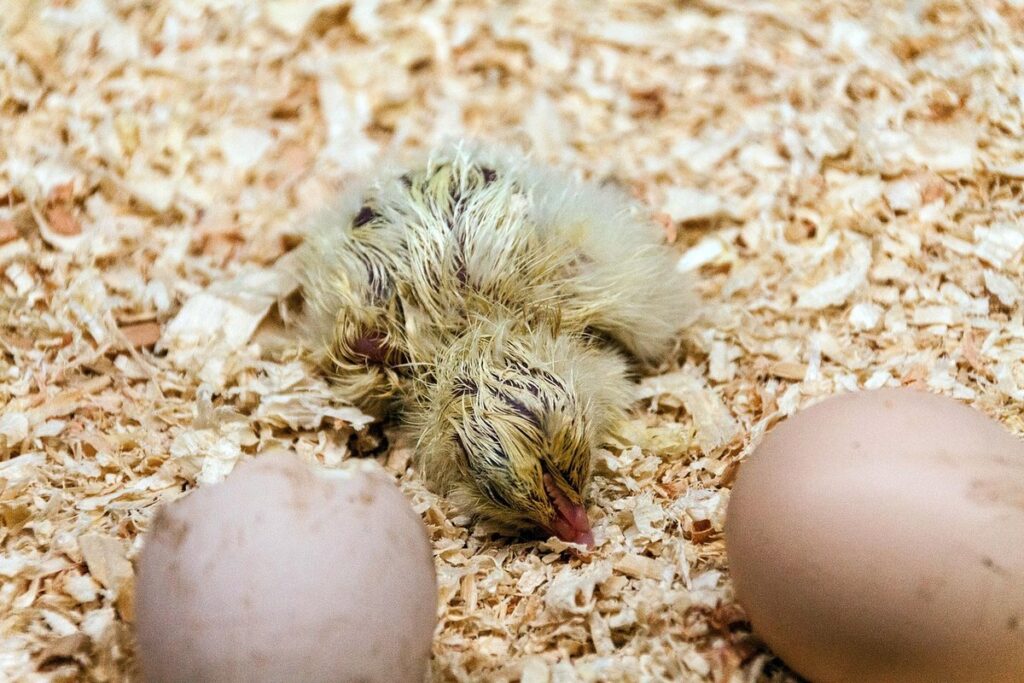
Understanding Chicken Egg Incubation Basics
To successfully hatch chicken eggs, it’s crucial to understand the basics of incubation, including ideal temperature and humidity levels for healthy development. This process starts with a solid grasp of these fundamental elements.
Why Temperature Control is Crucial in Egg Incubation
Temperature control plays a vital role in egg incubation, as it significantly impacts embryonic development. A narrow temperature range of 99-100°F (37.2-37.8°C) is ideal for hatching chicken eggs, with slight variations between the different stages of development.
During the first week, temperatures slightly above or below this optimal range can lead to developmental delays or even failure. For instance, a study on embryonic development found that incubation at 98°F (36.7°C) resulted in delayed growth and lower hatch rates compared to eggs incubated at 99-100°F.
As the embryo grows, it becomes increasingly sensitive to temperature fluctuations. A difference of just 1-2°F (0.5-1°C) can cause developmental anomalies or reduce viability. To achieve optimal results, it’s essential to maintain a consistent temperature and ensure that the incubator is calibrated accurately.
Ideal Temperature Range for Chickens
Maintaining an ideal temperature range is crucial for successful hatching. Chickens require specific temperatures at different stages of incubation to ensure healthy development. The optimal temperature range for chickens is between 99.5°F and 100.5°F, but this can vary slightly depending on the breed.
During the first 18 days of incubation, the temperature should be kept consistent within a narrower range of 100°F ±0.2°F. This precise control helps prevent temperature fluctuations that can cause embryo deaths or irregular development. For example, if you’re using an electric incubator, ensure it’s calibrated accurately and set to the correct temperature.
After day 18, the temperature can be slightly increased by 1-2°F to promote drying of the egg contents and prepare for hatching. It’s essential to monitor the temperature closely during these stages to avoid overheating or underheating, which can impact hatch rates and chick health.
Understanding Humidity Requirements in Egg Incubation
When incubating chicken eggs, maintaining optimal humidity levels is just as crucial as temperature control to ensure a healthy and successful hatch. Let’s dive into the specifics of humidity requirements for egg incubation.
Maintaining Optimal Humidity Levels
Maintaining optimal humidity levels is crucial during egg incubation to promote healthy embryo development and successful hatching. The ideal relative humidity (RH) for chicken eggs varies throughout the incubation period: 50-60% RH from days 1-18, increasing to 70-80% from days 19-21.
To measure humidity accurately, you’ll need a hygrometer specifically designed for egg incubation. These devices can be attached directly to the incubator or placed near it. It’s essential to calibrate your hygrometer regularly to ensure accurate readings. When adjusting humidity levels, do so gradually to prevent sudden changes that might stress the embryos.
A common mistake is not increasing humidity sufficiently during the final stages of incubation. As the embryo grows and dries out the egg membrane, extra moisture helps prevent drying out or sticking to the shell. To achieve this balance, you can use a spray bottle with distilled water to gently mist the eggs when necessary. Keep in mind that excessive misting can lead to mold growth or over-moisture issues. Monitor your hygrometer closely and adjust humidity levels accordingly to create an optimal environment for healthy hatching results.
Importance of Consistent Humidity Levels
Maintaining consistent humidity levels throughout the incubation period is crucial for successful embryo development. A stable and optimal level of humidity prevents moisture loss from the egg, which can lead to desiccation and ultimately, embryonic death.
The ideal range for humidity during incubation varies slightly between 30-40% relative humidity for the first week, increasing gradually to around 50-60% for the next three weeks. Consistency in maintaining these levels ensures that the embryo doesn’t experience sudden changes, which can lead to developmental issues.
During the critical period of organogenesis, when major organs begin to develop (around days 5-7), consistent humidity is vital to prevent disruptions in this process. A study conducted by a renowned poultry scientist found that even slight variations in humidity levels during this phase resulted in a significant decrease in hatch rates.
To maintain optimal humidity levels, use a hygrometer to monitor the incubator’s RH and adjust as necessary. Keep the egg turning machine well-maintained to prevent moisture loss from the eggs’ surfaces. Regularly cleaning and sanitizing the incubator also helps maintain a stable environment for consistent embryo development.
Temperature Gradients in the Incubator
When it comes to hatching chicken eggs, maintaining a stable temperature is crucial, and that’s where understanding temperature gradients in your incubator comes into play. Let’s explore this essential aspect of successful hatching.
Understanding Temperature Gradients
When it comes to hatching chicken eggs, maintaining an optimal temperature is crucial for successful incubation. But have you ever wondered what happens when there’s a difference in temperature within the incubator? This is where temperature gradients come into play.
A temperature gradient occurs when there’s a variation in temperature across different areas of the incubator. Imagine having one side of the incubator at 99°F (37°C) and the other side at 98.5°F (36.9°C). This may not seem like much, but it can have significant effects on your eggs.
To create a smooth temperature gradient within the incubator, it’s essential to ensure there are no hot spots or cold areas. A good rule of thumb is to aim for a temperature difference of no more than 0.5°F (0.3°C) between different areas of the incubator. You can achieve this by placing the eggs in a way that allows air to circulate freely, such as on egg turners or in a mesh basket.
Some incubators also come with built-in temperature control systems, which can help maintain a consistent temperature gradient. It’s also important to place the incubator away from direct sunlight and heat sources to prevent external influences from affecting the temperature inside the incubator.
Maintaining Consistent Temperature Gradients
Maintaining consistent temperature gradients throughout the incubation period is crucial for successful hatching. Temperature fluctuations can stress the embryos, leading to poor hatch rates and weakened chicks. So, what methods can you use to maintain these essential temperature gradients?
One way to ensure a stable temperature gradient is by using a temperature control system specifically designed for incubators. These systems typically consist of thermistors or thermocouples that monitor temperature readings and adjust heating elements accordingly. For example, the Brinsea Octagon 2 AutoTurner comes equipped with an automatic temperature control system, ensuring that temperatures remain consistent between 99°F to 100°F (37°C to 38°C) throughout the incubation period.
Another method is to use a combination of insulation and ventilation to regulate temperature. For instance, you can line your incubator with thermal foam or bubble wrap to reduce heat loss, while also providing adequate airflow through vents or windows to maintain humidity levels.
Regular monitoring of temperature readings using thermometers or dataloggers will help you identify any fluctuations and make necessary adjustments to the temperature control system. By implementing these methods, you’ll be well on your way to maintaining a stable temperature gradient that supports healthy embryo development and successful hatching.
Monitoring and Adjusting Temperature and Humidity Levels
Now that you’ve set up your perfect hatching environment, it’s time to learn how to monitor and adjust temperature and humidity levels for optimal results. This crucial step ensures healthy development of your chicks.
Using Thermometers and Hygrometers Effectively
Using thermometers and hygrometers is crucial to monitor temperature and humidity levels accurately. You can’t rely on guessing or relying on intuition when it comes to the delicate process of hatching chicken eggs. Thermometers are available in various types, including digital, analog, and infrared models. Choose one that suits your needs, and make sure to place it close to the egg but not directly under a heat lamp.
When using thermometers, consider the temperature zone where you’re keeping the incubator or brooder. Different zones have different ideal temperatures for optimal hatching success. For example, the recommended temperature range is around 99-100°F (37-38°C) in the first week of incubation and drops to 98-99°F (36-37°C) by the end of it.
Hygrometers are equally essential in maintaining a stable humidity level between 45% to 55%. You can use hygrometers with remote sensors, allowing you to monitor humidity levels from different locations. It’s also crucial to ensure that your thermometer and hygrometer are calibrated correctly to provide accurate readings. Regularly check and calibrate them to guarantee optimal temperature and humidity control for a healthy hatching process.
Troubleshooting Common Issues with Temperature and Humidity Control
Sudden changes in temperature or humidity can be stressful for both you and your incubator. Temperature fluctuations of more than 1-2°F (0.5-1°C) per hour can significantly impact egg development, leading to delayed or failed hatchings. Similarly, rapid swings in humidity levels can cause eggs to dry out prematurely.
To troubleshoot these issues, it’s essential to identify the root cause. Check your incubator’s temperature and humidity controls for any malfunctioning parts. Verify that the thermometer and hygrometer are accurately calibrated. If using an automatic temperature control system, ensure it’s functioning correctly and not triggering unnecessary temperature adjustments.
Monitor your incubator’s performance closely, taking note of any sudden changes in temperature or humidity. Keep a record of your observations to identify patterns or correlations between these fluctuations and hatch rates. By pinpointing the issue and making necessary adjustments, you can minimize the risks associated with temperature and humidity control. Regular maintenance and monitoring will help prevent similar problems from arising in the future.
The Role of Breeds in Temperature and Humidity Sensitivity
Understanding your flock’s specific breed characteristics is crucial when it comes to setting optimal temperature and humidity levels for successful hatching. Certain breeds are naturally more sensitive than others.
Understanding Breed-Specific Requirements
When choosing which breed of chicken to hatch, it’s essential to consider their specific temperature and humidity requirements. Different breeds have evolved to thrive in various climates and conditions, making some more adaptable than others.
For instance, tropical breeds like the Silkie and Brahma require a more humid environment, typically above 50% relative humidity (RH), to keep their feathers healthy and prevent moisture loss. Conversely, desert-dwelling breeds such as the Leghorn and Cornish excel in dry environments with low RH levels.
If you’re planning to hatch eggs from these breeds, it’s crucial to replicate their natural habitats within your incubator or brooder. This means adjusting temperature settings and maintaining optimal humidity levels accordingly.
Here are a few breed-specific requirements to keep in mind:
* Silkie: 50-60% RH, 90-100°F (32-38°C)
* Brahma: 55-65% RH, 85-95°F (29-35°C)
* Leghorn: 30-40% RH, 70-80°F (21-27°C)
By understanding and accommodating your breed’s unique needs, you’ll be better equipped to provide the optimal conditions for successful hatching.
Managing Different Breeds’ Temperature and Humidity Needs
As you’re preparing to hatch chicken eggs, it’s essential to consider the unique temperature and humidity needs of different breeds. Some breeds, like Leghorns and Cornish, are relatively hardy and can thrive in a standard incubation environment. However, other breeds such as Silkies, Polish, and some Bantam varieties require more specific conditions.
For example, Silkies need a slightly higher temperature range (around 99-100°F) and higher humidity levels (60-70%) than most breeds. On the other hand, Leghorns can tolerate slightly cooler temperatures (98-99°F) and lower humidity levels (50-60%). To manage these differences, you may need to adjust incubation times or environmental conditions.
When incubating eggs for different breeds, it’s crucial to research their specific needs beforehand. Some breeders even use separate incubators for sensitive breeds to ensure optimal conditions. You can also experiment with adjusting the temperature and humidity levels in your existing incubator to accommodate multiple breeds.
Tips for Successful Incubation and Hatching
To ensure a successful hatch, it’s essential to provide your eggs with optimal temperature and humidity conditions from the beginning of incubation until they crack open. This section covers crucial tips for achieving those perfect conditions.
Final Checklists Before Starting Incubation
As you prepare to start the incubation process, it’s essential to review all the crucial steps and factors that will influence a successful hatching. Let’s summarize key takeaways from previous sections.
Make sure you’ve set up your incubator correctly, with precise temperature control between 99°F (37°C) and 100°F (38°C), depending on the breed. Ensure accurate humidity levels are maintained throughout the process, gradually increasing from 50% to 70% as embryos develop.
Double-check that your eggs are clean, dry, and free of cracks before introducing them into the incubator. It’s also crucial to record detailed information about each egg, including weight, date laid, and any relevant health notes.
Develop a routine for monitoring temperature, humidity, and turning frequency to avoid mistakes or missed steps. Create a checklist with all essential tasks, such as daily temperature readings, incubator cleaning, and embryo transfer (if applicable).
Before starting the incubation process, confirm that your equipment is in good working condition, and you have a plan in place for emergency situations, such as power outages or unexpected changes in environmental conditions.
Common Mistakes to Avoid in Temperature and Humidity Control
When managing temperature and humidity levels during egg incubation, it’s easy to fall into common pitfalls that can negatively impact hatch rates. One mistake is failing to properly calibrate the thermometer and hygrometer. Make sure these devices are accurate by placing them next to each other and checking their readings against a third device.
Another error is not maintaining consistent temperature and humidity levels throughout the incubation period. Sudden changes can stress eggs, reducing chances of successful hatching. Keep temperatures between 99-100°F (37-38°C) for the first 18 days and slightly lower (98-99°F or 36-37°C) in the last three days.
Inadequate humidity control is another common mistake. While a humid environment helps prevent egg desiccation, excessively high humidity can lead to fungal growth and contamination. Ensure that you’re maintaining the optimal humidity level of around 50-60% during incubation, increasing it slightly before hatching.
Lastly, neglecting regular checks on temperature and humidity levels can also be detrimental. Set reminders or establish a routine to check these factors daily to ensure they remain within the recommended range.
Frequently Asked Questions
How do I know if my incubator has a stable temperature gradient?
A stable temperature gradient is crucial for even heating and preventing hotspots that can harm developing chicks. You should check your incubator’s manufacturer instructions to see how they recommend setting up the temperature gradient. Typically, this involves adjusting the distance between heating elements or using thermal curtains to distribute heat evenly.
Can I use a humidifier with my incubator if it doesn’t have built-in humidity control?
Yes, you can definitely use an external humidifier in conjunction with your incubator’s built-in temperature control. Just be sure to monitor both the temperature and humidity levels closely to avoid over- or under-humidification, which can impact hatching success.
How often should I check and adjust temperature and humidity levels during incubation?
It’s essential to monitor temperature and humidity levels at least twice a day, adjusting as needed to maintain optimal conditions. You may need to make more frequent checks if you notice fluctuations in temperature or humidity, especially when using external devices like humidifiers.
What are some common issues I might encounter with maintaining consistent temperature gradients, and how can I troubleshoot them?
Some common issues with temperature gradients include uneven heating, hotspots, or cold spots. If you experience any of these problems, check your incubator’s setup and ensure that the heating elements are properly positioned. You may also need to adjust the distance between heating elements or use thermal curtains to improve temperature distribution.
How do I choose the right thermometers and hygrometers for my incubation setup?
When selecting thermometers and hygrometers, look for devices that are specifically designed for incubation purposes and can accurately measure both temperature and humidity levels. Some popular options include digital thermometers with probes and electronic hygrometers with wireless connectivity for easy monitoring and recording of data.