
Have you ever wondered how those adorable eggs in your backyard coop get fertilized? It’s not just magic, but rather a fascinating process that involves science, biology, and a few crucial factors. As a chicken keeper, understanding egg fertilization is essential to ensure your flock’s reproductive health and productivity. But did you know that fertility rates can be affected by various factors, including nutrition, environment, and even breed? In this article, we’ll dive into the world of egg fertilization in chickens, exploring the different types, biology behind it, and expert tips on how to improve your flock’s fertility rates. From improving your laying hens‘ diet to creating an optimal breeding environment, you’ll learn everything you need to know to boost your flocks reproductive health.
What is Egg Fertilization?
Let’s dive into the basics of egg fertilization and explore what it means for a chicken egg to be fertile. We’ll look at the process behind fertilization in more detail.
Definition and Importance
Egg fertilization is the process by which a chicken egg becomes fertile and contains all the necessary genetic material to develop into a healthy chick. This crucial step occurs when a rooster’s sperm fertilizes the yolk of an egg laid by a hen, resulting in a zygote that will eventually hatch.
As it turns out, not all eggs are created equal – only those that have been fertilized can develop into chicks. For chicken breeders, this is significant because they need to ensure that their birds are producing fertile eggs if they want to achieve successful hatching rates. Fertilization rate can vary depending on factors such as the age and health of the rooster, as well as the quality of care provided to the flock.
Understanding egg fertilization is vital for breeders looking to preserve genetic lines or create new breeds. By knowing how to promote a high fertilization rate, they can increase their chances of producing healthy chicks that meet specific breeding standards.
Types of Egg Fertilization
Egg fertilization in chickens can be achieved through various methods, each with its own advantages and requirements. One of the most natural ways is through natural mating, where a rooster mates with hens to transfer sperm to the eggs. This method allows for genetic diversity and selection but requires careful monitoring to prevent stress and disease transmission.
Artificial insemination (AI) is another popular method used in commercial chicken farms. AI involves collecting semen from a rooster and inserting it into the hen’s reproductive tract using a specialized instrument. This method minimizes stress and disease risks while allowing for precise control over genetic selection. It’s essential to follow proper sanitation and handling procedures to ensure success.
Embryo transfer (ET) is a more advanced technique that involves removing embryos from donor hens and transferring them to recipient hens. ET can increase fertility rates, reduce hatchability issues, and allow for the introduction of new genetic traits. However, it requires specialized equipment and expertise, making it less accessible to small-scale farmers.
Choosing the right method depends on factors like farm size, resources, and breeding goals. Small-scale farmers may prefer natural mating or AI due to ease of implementation and lower costs. Commercial farms often opt for AI or ET to optimize production efficiency.
The Biology of Egg Fertilization
Let’s dive into the fascinating process of egg fertilization, where a chicken egg is actually fertilized by a rooster’s sperm, resulting in viable chicks. This crucial step sets the stage for chick development.
Reproductive Anatomy in Chickens
In female chickens, the reproductive system is designed for egg production. The ovaries, located near the kidneys, produce yolks that will eventually become eggs. The oviducts, a pair of tubes extending from the ovaries to the cloaca, play a crucial role in egg formation. The right oviduct is responsible for forming the yolk and albumen (egg white), while the left oviduct creates the shell membranes and adds minerals to the egg.
The cloaca, a shared opening for the reproductive, urinary, and digestive systems, is where the egg passes through before being laid. As the egg moves through the oviducts, it picks up additional layers of protein, calcium, and other nutrients that will support embryo development if fertilization occurs. Understanding the reproductive anatomy in chickens can help us appreciate the intricate process involved in egg production.
For example, some chicken breeds are bred for specific traits related to their reproductive systems. Leghorns, for instance, have larger ovaries and more developed oviducts, allowing them to produce an average of 300 eggs per year. By recognizing these variations, farmers can optimize breeding programs to increase egg productivity.
Sperm Function and Movement
When it comes to fertilizing an egg, sperm play a crucial role. But have you ever wondered what makes chicken sperm tick? These tiny cells are responsible for delivering half of the genetic material needed for fertilization.
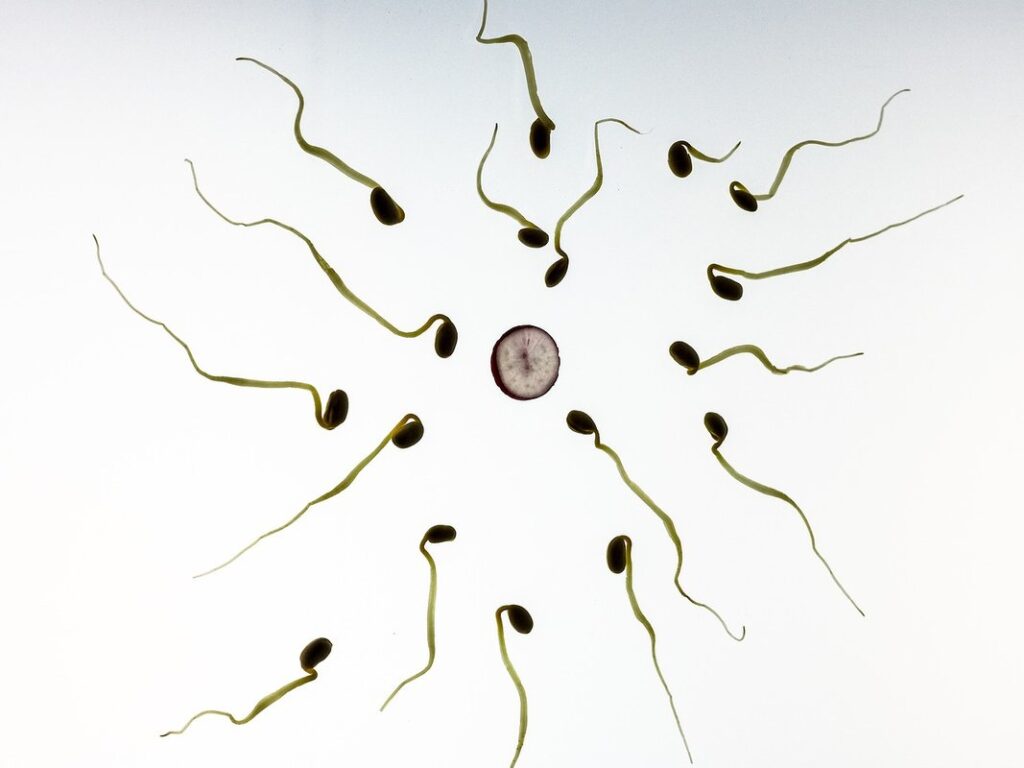
Structurally, chicken sperm resemble those found in other birds and mammals. They consist of three main parts: the head, midpiece, and tail. The head contains the nucleus, which houses the DNA; the midpiece is packed with mitochondria to provide energy; and the long, whip-like tail helps propel the sperm forward.
One key characteristic that enables chicken sperm to fertilize eggs is their unique ability to swim through mucus. Unlike mammals, where sperm navigate through a watery environment, chicken sperm must push through thick cervical mucus to reach the egg yolk. This adaptation allows them to overcome the obstacles of the reproductive tract and successfully fertilize an egg.
Interestingly, research has shown that certain characteristics, such as tail length and shape, can influence a rooster’s fertility. For example, studies have found that longer-tailed roosters tend to sire more offspring than their shorter-tailed counterparts. Understanding these intricacies can provide valuable insights for breeders looking to optimize their flock’s reproductive success.
The Process of Fertilization
Now that we’ve discussed how eggs are formed, let’s dive into the fascinating process of fertilization, where a rooster’s sperm meets an egg’s waiting cells. This is where genetics come into play.
Mating and Insemination
In chickens, mating is an essential process for fertilization to occur. Before copulation takes place, you’ll often see courtship behaviors such as pecking at the ground, strutting, and making sounds. These actions signal interest and help strengthen the bond between the rooster and hen.
Copulation typically occurs in a quiet, private area where the rooster mounts the hen from behind. This process usually lasts around 2-5 seconds, after which the rooster dismounts and leaves the hen to continue laying eggs as usual.
Artificial insemination (AI) is an alternative method used by some breeders to fertilize eggs. AI involves collecting semen from a rooster through a procedure called avian semination or capillary transfer, followed by inserting it into the reproductive tract of the hen using a special instrument.
During AI, the breeder must ensure proper hygiene and handling of the equipment to prevent contamination. Successful AI requires precise timing and technique to mimic natural mating conditions as closely as possible.
Fertilization Mechanics
When it comes to fertilization in chickens, the process is a complex and highly specialized event. The actual moment of fertilization occurs when a single sperm penetrates the outermost layer of the egg, known as the zona pellucida.
As the rooster mates with the hen, millions of sperm are released into the cloaca. Only one or two of these sperm will successfully navigate through the reproductive tract and reach the waiting egg. The zona pellucida acts as a selective filter, allowing only the healthiest, most viable sperm to pass through.
Once inside, the sperm fuses with the outer membrane of the egg, initiating a series of complex cellular interactions that ultimately lead to fertilization. This fusion process is crucial, as it triggers the development of the embryo and sets in motion the intricate series of events that will ultimately result in the formation of a healthy chick. It’s a remarkable example of the intricate biology at play in the natural world.
Note: In chickens, sperm penetration occurs within 24-48 hours after mating. This brief window highlights the importance of proper breeding and timing to increase chances of successful fertilization.
Factors Affecting Egg Fertilization
Egg fertilization can be influenced by several factors, including genetics, nutrition, and environmental conditions. Let’s take a closer look at these variables to understand their impact on successful fertilization.
Environmental Factors
Environmental factors play a significant role in egg fertilization rates. Temperature, for instance, can either stimulate or suppress reproductive functions in chickens. Ideal temperatures range from 15°C to 22°C (59°F to 72°F), with 18°C (64°F) being the optimal temperature for breeding. Temperatures above 25°C (77°F) can lead to stress and decreased fertility.
Humidity levels also impact egg fertilization, as chickens need a certain level of moisture in their environment to regulate their reproductive cycle. A relative humidity range of 50% to 60% is recommended. Extreme humidity fluctuations can disrupt ovulation cycles, affecting the likelihood of successful fertilization.
Light exposure affects breeding performance by stimulating or suppressing pituitary release hormones responsible for egg yolk production and ovulation. Breeders should provide a photoperiod of 14 hours of light and 10 hours of darkness to optimize reproductive functions. By understanding and optimizing these environmental conditions, breeders can enhance the chances of successful fertilization and improve their flock’s overall productivity.
Genetic Factors
Genetic factors play a significant role in determining the fertility of chickens. This is especially evident when considering sex-linked inheritance, where certain genes are linked to specific traits such as sex. For instance, male chicks inherit one sex chromosome from their mother (X) and one from their father (Y), while female chicks inherit two X chromosomes. This sex determination system affects fertility, with roosters being fertile regardless of their genetic makeup.
However, the genetics of hens is more complex. Research suggests that certain breeds are more prone to infertility due to genetic mutations affecting reproductive organs or egg production. In fact, a study found that 20% of Leghorn hens exhibited reduced fertility due to genetic factors.
To ensure optimal fertility in your flock, it’s essential to understand the genetic makeup of your chickens. This knowledge can help you identify potential breeding issues early on and make informed decisions about selecting breeding stock. By recognizing the interplay between genetics and fertility, you can take proactive steps to improve reproductive success within your flock.
Techniques for Improving Fertility Rates
Now that we’ve explored the science behind egg fertilization, let’s dive into some practical techniques to boost fertility rates and optimize your flock’s reproductive health.
Artificial Insemination Techniques
Artificial insemination (AI) is a crucial technique for improving fertility rates in chickens. There are several advanced techniques used in AI, including AI guns and frozen semen. These methods have both benefits and drawbacks that poultry farmers should be aware of.
AI guns, also known as artificial insemination syringes or straws, allow breeders to deposit a precise amount of semen into the oviduct of the hen. This technique has improved significantly over the years, with modern AI guns featuring ergonomic designs and adjustable dosing systems. The benefits of using an AI gun include reduced waste and increased accuracy, resulting in higher fertilization rates.
Frozen semen, on the other hand, offers breeders a way to preserve high-quality sperm for future use. This method involves collecting semen from the rooster and freezing it using liquid nitrogen. Frozen semen can be stored for extended periods, allowing breeders to select the best males for mating without having to worry about availability. However, frozen semen requires specialized equipment for thawing and handling, which can be a significant investment.
When choosing between AI guns and frozen semen, consider your farm’s specific needs and resources. If you have limited experience with AI or need to inseminate large numbers of hens, an AI gun may be the better choice. However, if you’re looking to preserve genetic material for future use or have access to a small number of high-quality roosters, frozen semen could be the more cost-effective option.
It’s essential to note that proper handling and storage of frozen semen are crucial to maintaining its viability. This includes keeping it at -196°C using liquid nitrogen and following strict protocols for thawing and insemination.
Nutrition and Health Considerations
Maintaining high fertility rates in chickens requires careful attention to their nutrition and health. A balanced diet rich in essential nutrients is crucial for optimal reproductive function. For example, calcium is vital for eggshell production, while protein supports the development of healthy sperm and eggs. Phosphorus, on the other hand, plays a key role in energy metabolism.
In addition to a well-rounded diet, it’s equally important to ensure that your flock has access to clean water at all times. Dehydration can lead to reduced fertility rates, so make sure to monitor water intake regularly. Managing stress is also crucial, as chronic stress can disrupt hormone balances and negatively impact reproductive health.
By providing a nutritious diet and maintaining a healthy environment, you can significantly boost fertility rates in your flock. For instance, studies have shown that hens fed a balanced layer feed with adequate calcium content produced eggs with higher fertility rates compared to those on an imbalanced diet.
Common Issues Affecting Egg Fertilization
When it comes to egg fertilization, several factors can impact a chicken’s ability to conceive. This section explores common issues that may affect fertility in your flock.
Infertility Causes
Chickens experiencing infertility issues can be a challenging problem for farmers and breeders. One of the primary causes is reproductive tract disorders, which can arise due to various factors such as genetic predisposition, bacterial infections like Salmonella or E. coli, or even environmental stressors like high temperatures or poor ventilation. In some cases, these conditions may cause an abnormal development of the oviducts, leading to a blockage that prevents fertilization from occurring.
Another common issue is sperm abnormalities, which can result in reduced fertility rates. This might be due to factors such as age-related decline, inadequate nutrition, or exposure to toxins like pesticides or heavy metals. For instance, research has shown that exposure to certain chemicals like endosulfan can significantly impair sperm quality and quantity.
Egg quality issues are also a significant contributor to infertility in chickens. Poor nutrition, stress, or genetic factors can all impact the quality of eggs produced by hens. This may result in a reduced ability for fertilization to occur, even when sperm is present.
Solutions to Improve Fertility Rates
Improving fertility rates requires attention to several key factors. Firstly, maintaining optimal egg storage conditions is crucial. Ensure that eggs are kept at a consistent temperature between 55°F and 60°F (13°C and 15°C) and handled minimally to prevent damage. This simple step can make a significant difference in fertilization success.
Nutritional balance also plays a vital role in fertility. A diet rich in energy, protein, and essential vitamins and minerals supports reproductive health. Provide layers with adequate access to clean water and incorporate feed supplements as needed. For example, adding omega-3 fatty acids can enhance sperm quality and motility.
Additionally, breeding stock selection is critical for improving fertility rates. Choose roosters that exhibit high fertility traits, such as strong sperm count and proper sperm morphology. Regular veterinary check-ups can help identify potential health issues that may impact fertility.
Lastly, maintaining a clean and hygienic environment is essential to prevent disease and stress on the birds, both of which can negatively impact fertility. Regular cleaning and disinfection of the coop and surrounding areas are necessary to create an optimal breeding environment.
Frequently Asked Questions
Can I use artificial insemination techniques for every breed of chicken?
No, not all breeds are suitable for artificial insemination (AI). Some breeds require specialized handling or equipment due to their size, temperament, or reproductive anatomy. Before attempting AI with a specific breed, research the recommended methods and consult with an experienced breeder or veterinarian.
How long after mating can I expect to see fertilization in the eggs?
Fertilization occurs shortly after mating, but the resulting embryo won’t be visible on the egg until about 7-10 days post-insemination. Keep in mind that even if the egg is fertile, it may not develop into a chick due to factors like nutritional deficiencies or environmental stressors.
What are some common mistakes that can affect my flock’s fertility rates?
Common errors include improper nutrition, inadequate light exposure, and unsanitary living conditions. Make sure your hens receive balanced feed, sufficient protein, and adequate vitamin D3, as well as maintain a clean coop with proper ventilation to promote optimal health.
How do I determine if an egg is fertile without using specialized equipment?
While specialized tools can detect fertility more accurately, you can also try the “water float test” or “candling” method. For water floating, crack the egg into a cup of water – if it sinks, it’s infertile. Candling involves shining a bright light through the egg to observe any signs of development.
Can nutrition alone improve my flock’s fertility rates?
While proper nutrition is essential for reproductive health, it’s not the sole solution. Environmental factors like temperature, humidity, and stress also play significant roles in determining fertility. A balanced diet should be paired with attention to environmental conditions and overall animal welfare for optimal results.