
As you watch a brood of adorable ducklings waddle along the water’s edge, it’s easy to get caught up in their playful antics. But have you ever stopped to think about which species these little cuties belong to? Identifying duckling species can be a fun and rewarding challenge for bird enthusiasts and nature lovers alike. With so many different species to choose from – including Mallard, Wood, and Merganser ducklings – it’s essential to know the key signs of each type to get an accurate identification. In this article, we’ll break down the crucial clues that will help you identify these duckling species using morphology, behavior, and habitat characteristics. By the end of this guide, you’ll be a pro at spotting Mallard, Wood, and Merganser ducklings in no time!
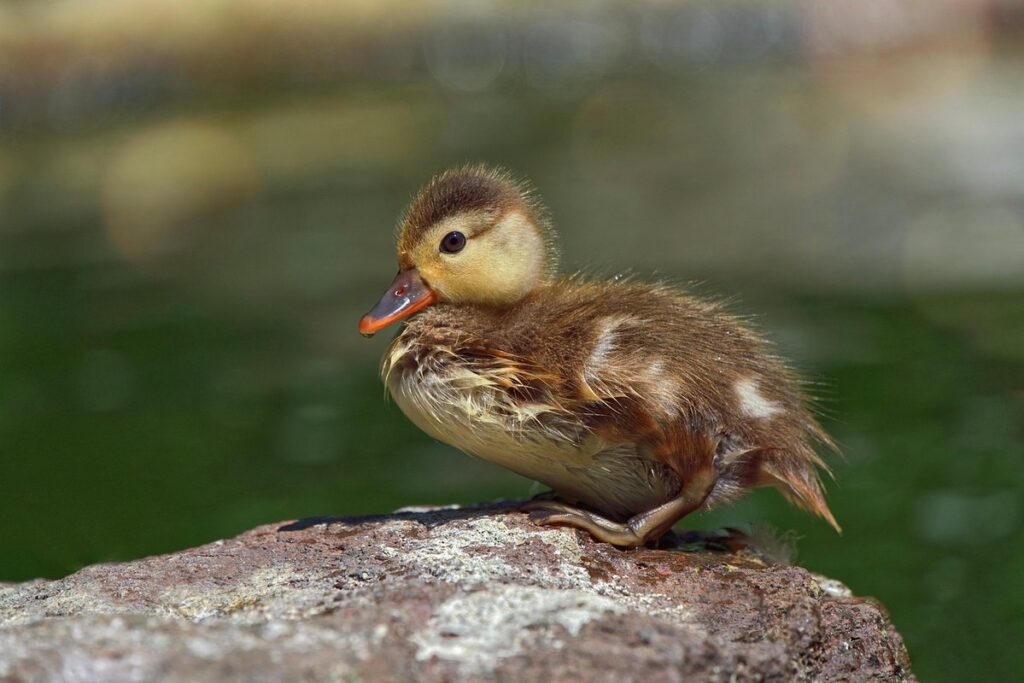
Understanding Duckling Morphology
Ducklings develop distinct physical characteristics that vary depending on breed and age, making identification more complex. Let’s dive into these differences to improve your duckling identification skills.
Body Shape and Size
When examining a duckling’s overall body shape and size, it’s essential to consider several key factors. Start by measuring its length from beak to tail, as different species have distinct body lengths. For instance, Muscovy ducks typically grow to around 20-24 inches in length, while Wood Ducks reach approximately 15-18 inches.
Next, pay attention to the duckling’s weight, which can range significantly between species. A Mallard duckling, for example, can weigh anywhere from 2.5 to 4 ounces at birth, whereas a Merganser duckling might be closer to 1 ounce. Also, take note of the proportion of body parts, such as the length of the neck or bill in relation to the rest of its body. A larger bill or longer neck can often indicate a specific species.
To get a better sense of your duckling’s size and shape, compare it with images from reputable sources or consult with an experienced breeder. Remember that these measurements are only guidelines, and some ducklings may exhibit variations due to factors such as genetics or environmental conditions.
Plumage Patterns and Colors
When it comes to identifying ducklings, their plumage patterns and colors play a crucial role. Each species has its unique characteristics, making it essential to examine these features closely. Start by looking at the head, neck, back, and belly of the duckling.
Notice the distinctive markings on the head, such as stripes, spots, or patches. For example, Muscovy ducklings have black and yellow markings on their heads, while Wood Ducklings have a striking black and white striped pattern. The beak color can also provide clues; some species, like the Mandarin duckling, have a distinctive orange beak.
Next, observe the plumage patterns on the back and belly. Some ducklings may have intricate designs or colors that help distinguish them from others. For instance, the Goldeneye duckling has a golden-brown back with dark spots, while the Harlequin duckling sports a mottled brown and white pattern. Take note of any color transitions or gradations on the belly; these can be particularly distinctive.
By paying attention to these details, you’ll improve your chances of accurately identifying a duckling species.
Recognizing Duckling Feathers and Quills
When identifying ducklings, it’s essential to know how to recognize their distinctive feathers and quills, which can be a mix of soft down and stiff flight feathers. Let’s take a closer look at these unique characteristics together.
Downy Feathers and Down
Downy feathers are one of the most distinctive characteristics of ducklings, and identifying them is crucial for determining age and species. Newborn ducklings emerge from their eggs covered in soft, fluffy down. This down serves as insulation to keep them warm until they develop their first flight feathers.
To identify downy feathers, look for a soft, fluffy texture that’s typically white or pale yellowish in color. Down is usually shorter than quills and has a more even distribution across the duckling’s body. As ducklings grow, their down becomes less noticeable as quill feathers begin to emerge.
By observing the development of down, you can estimate the age of your duckling. Generally, ducklings are covered with down for about two weeks after hatching, at which point they start to develop small, pointed quills. Note that some species, like Muscovy ducks, retain their down longer than others, such as Mallards.
Keep in mind that downy feathers may not be easily visible on larger ducklings or those covered with thick plumage. However, by paying attention to the texture and color of your duckling’s feathers, you can get an idea of its age and species.
Feather Growth and Emergence
As ducklings grow and develop, their feathers emerge from tiny quills on their bodies. This process begins around 2-3 weeks of age, but can vary depending on factors such as breed, sex, and nutrition. The first feathers to appear are usually small, soft, and fluffy, providing insulation and protection for the young duckling.
As they grow, new feathers emerge, gradually replacing the downy covering. You’ll notice a distinctive pattern: the centers of the feathers will be darker or more vibrant in color than the tips, which can appear lighter or less intense. This gradation is a natural characteristic of most feather growth and can provide valuable clues for identification.
To determine the age and sex of your duckling based on feather development, observe the following:
* Younger ducklings tend to have predominantly gray or brown feathers, with occasional white patches.
* As they mature, you’ll notice more vibrant colors, such as yellow, orange, or red, particularly around the face, neck, and wings.
* The shape and size of the feathers also change over time; for example, wing feathers tend to grow longer and more robust with age.
Behavior and Habitat Considerations
When identifying ducklings, understanding their behavior and habitat preferences is crucial for accurate identification. Let’s dive into how these factors can help you narrow down your options.
Habitat and Environment
When attempting to identify a duckling, it’s essential to consider its habitat and environment. This may seem obvious, but it’s surprising how often these factors are overlooked. The location where you find the duckling can be a significant clue in determining its species.
For instance, if you’re in a coastal area with mangrove forests or salt marshes, you might encounter ducklings from species that thrive in those environments, such as the Black Duck or the Merganser. In contrast, if you’re in a grassland or prairie region, you may see ducklings of species like the Mallard or the Pintail.
The climate and vegetation in an area can also provide valuable information about the duckling’s identity. For example, ducklings that live in areas with dense vegetation tend to be more secretive and shy, whereas those in open habitats are often more confident and easy to approach. Consider factors like water depth, vegetation density, and surrounding land use when trying to identify a duckling – these can all provide important clues about its species.
Behavioral Characteristics
When it comes to identifying ducklings, understanding their behavioral characteristics is just as important as recognizing their physical features. Different species exhibit unique behaviors that can be telling signs of their identity.
For example, Mallard ducklings are known for their bold and curious nature, often wandering away from their mother’s sight in search of food. In contrast, Wood Duck ducklings tend to stick close to their parents, following them closely as they forage for aquatic plants and insects. If you observe a group of ducklings feeding together, note the species’ typical foraging habits. For instance, Blue-winged Teal ducklings are likely to feed on small invertebrates in shallow water, while Merganser ducklings will dive deep into the water to catch fish.
Observe how ducklings interact with each other and their environment as well. Some species are more social than others, often swimming and playing together in groups. Watch for signs of predator avoidance behaviors, such as sudden stops or changes in direction when a perceived threat is nearby. By paying attention to these behavioral characteristics, you can develop your skills in duckling identification and become a more confident birdwatcher.
Species-Specific Identification Guides
To help you confidently identify different duckling species, we’ve put together a series of detailed guides covering key characteristics and distinguishing features.
Mallard Ducklings
Mallard ducklings are one of the most recognizable and common duck species found worldwide. To identify Mallard ducklings, look for their distinctive plumage pattern. Newborn Mallard ducklings have a mix of gray and white feathers with a yellow beak and orange legs. As they mature, their bodies will gradually turn greenish-yellow on top and white underneath.
Mallard ducklings are relatively large compared to other species, typically measuring between 4-6 inches (10-15 cm) in length at birth. They grow rapidly and can reach up to 8-9 inches (20-23 cm) in just a few weeks. Keep an eye out for their curious behavior – Mallard ducklings are known to be quite adventurous and energetic, often exploring their surroundings within the first few hours of hatching.
When observing Mallard ducklings, note that they tend to stay close to their mother, following her lead as she searches for food and protects them from predators. If you’re trying to identify a group of ducklings in the wild, look for the distinctive quack calls – Mallard ducklings are known to produce a high-pitched, almost comical “peep-peep” sound that’s easy to recognize.
Wood Ducklings
When it comes to identifying ducklings, it’s essential to know the characteristics of each species. One of the most recognizable species is the Wood Duckling. As a parent, you’ll want to learn how to spot these adorable creatures.
Wood ducklings are relatively small, with most measuring between 6-8 inches in length and weighing around 4 ounces. They have a distinctive appearance, with a mottled brown and yellow feathers on their back and wings, while their underside is a creamy white. One of the easiest ways to identify Wood ducklings is by looking at their beak – it’s short and wide, perfect for filtering small aquatic plants.
When searching for Wood ducklings in the wild, look for areas with slow-moving water and dense vegetation. These ducklings prefer shallow waters, often found near ponds, lakes, or marshes. Keep an eye out for their unique calls, which are a series of high-pitched squeaks and chirps. With practice, you’ll be able to spot these charming creatures in no time!
Merganser Ducklings
When it comes to identifying Merganser ducklings, their unique physical characteristics make them stand out from other species. One of the most distinctive features is their beak shape and size. Merganser ducklings have a slender, tapering beak that’s perfectly suited for catching fish in the water. This specialized feature helps you identify them easily.
Notice how sleek and streamlined these little birds appear compared to other ducklings. Their feathers are smooth, with a subtle sheen, giving them an almost metallic appearance. When viewed from above, their profile is quite elongated, which is another identifying characteristic. If you’re lucky enough to catch a glimpse of Merganser ducklings in the wild, look for this distinctive beak shape and streamlined body.
To confirm your identification, examine the young bird’s plumage closely. Their feathers are typically dark brown or gray with white patches on their head and neck. This coloration helps distinguish them from other species. With practice and patience, you should be able to spot Merganser ducklings in no time.
Advanced Identification Techniques
Now that you’ve mastered basic duckling identification, it’s time to take your skills to the next level with advanced techniques for distinguishing between similar species. Let’s dive into some expert-level strategies to help you become a duckling-identification master.
Microscopic Examination
Microscopic examination is a highly effective technique for identifying duckling species based on their feather structure and other characteristics. This method involves using a microscope to closely examine the microscopic features of feathers, beaks, and legs. Experienced bird enthusiasts or professionals can use this technique to determine the age, sex, and species of a duckling.
To conduct a microscopic examination, start by collecting a small sample of feathers from the duckling’s body. Then, place the sample under a microscope with a 10-40x magnification power. Look for distinctive features such as feather structure, beak shape and size, and leg coloration. For example, some duckling species have black or dark brown beaks that are covered with fine white or yellowish markings.
When examining the feathers, note their shape, arrangement, and microscopic details like barbs and quill knobs. These characteristics can vary significantly between different duckling species. By carefully observing these microscopic features and comparing them to reference images or known specimens, you can accurately identify the species of your duckling.
Genetic Analysis
Genetic analysis is an advanced technique that can be used to determine the identity of ducklings with unique or unknown parentage. This method involves analyzing the genetic makeup of the duckling using DNA testing, which can provide information about its ancestry and parentage.
In situations where the parents are not known or cannot be identified through physical characteristics, genetic analysis can be a game-changer for breeders and conservationists. For instance, if you have a rare breed of duckling that has been orphaned, genetic analysis can help identify its species and potential parental matches.
To conduct genetic analysis on a duckling, a DNA sample is collected from the bird’s blood or tissue using a sterile swab. The DNA is then extracted and analyzed for specific genetic markers, such as mitochondrial DNA (mtDNA) or microsatellite DNA (msDNA). These markers can provide information about the duckling’s ancestry and help identify its parentage.
Results from genetic analysis are typically provided in a report that outlines the likelihood of different parental matches. Breeders can then use this information to make informed decisions about the duckling’s care and potential breeding program. It’s essential to note that genetic analysis should be performed by a qualified professional or laboratory to ensure accurate results.
Conclusion and Best Practices
Now that you’ve mastered duckling identification, let’s summarize key takeaways and offer expert advice for a successful observation experience. Here are some best practices to keep in mind.
Recap of Key Identification Features
To ensure accurate duckling identification, it’s essential to consider multiple factors. Throughout this comprehensive guide, we’ve discussed several key features that will help you confidently identify these young waterfowl.
Pay attention to plumage patterns, coloration, and overall appearance, as each species has distinctive markings. Be mindful of the shape and size of the bill, as well as the beak’s color and texture. Note any distinguishing characteristics such as eye color, leg length, or body shape. Also, consider the duckling’s behavior and habitat preferences, as these can provide valuable clues.
Remember that no single feature is decisive; it’s often the combination of multiple factors that leads to a correct identification. Practice makes perfect, so don’t be discouraged if you’re unsure at first – with time and experience, your skills will improve.
Tips for Improving Your Skills
To take your duckling identification skills to the next level, it’s essential to continue learning and practicing. One of the most effective ways to improve is through hands-on experience. Join a local waterfowl-watching group or attend a guided birding tour to get up close and personal with different duckling species. This will not only help you develop your observation skills but also provide opportunities to ask experienced birders for advice.
In addition to gaining practical experience, it’s crucial to stay updated on the latest research and findings in the field of waterfowl identification. Regularly visit reputable websites, such as the Cornell Lab of Ornithology or the Audubon Society, for the most current information on duckling plumage patterns, behavioral habits, and habitat preferences.
As you continue to develop your skills, consider consulting field guides, such as the National Geographic Field Guide to Birds or the Sibley Guide to Birds. These resources will provide you with detailed descriptions of duckling species, including their distinguishing characteristics, habitats, and migration patterns.
Frequently Asked Questions
How do I confirm a duckling’s age when considering its morphology?
When determining a duckling’s age, look for the development of plumage patterns and colors. At around 4-6 weeks old, ducklings typically start to show adult-like feathers, such as mallard drake feathers on males or more subdued coloration on females. Additionally, inspect their beak shape and size, which changes as they mature.
What if I’m still unsure about a duckling’s species after considering its body shape and size?
In cases where morphology alone is not sufficient for identification, consider behavioral characteristics such as quacking patterns, swimming style, or feeding habits. Observing these traits can help you narrow down the possible species.
Can I use habitat and environment to identify ducklings if I’m unsure of their age or physical characteristics?
Yes, taking note of the surrounding environment and water conditions can provide valuable clues about a duckling’s species. For example, Wood Ducks prefer freshwater habitats with dense vegetation, while Merganser ducklings are often found in fast-moving rivers and streams.
How do I handle challenging situations where multiple duckling species coexist?
When encountering multiple species together, focus on identifying key features that distinguish one group from another. Observe the overall flock’s behavior, plumage patterns, and body size to make an educated guess about each species’ presence.
Are there any specialized tools or equipment I can use for more accurate identification?
Yes, you can consider using binoculars or a spotting scope for distant observations, as well as a field guide that includes detailed illustrations of duckling morphology. Additionally, consulting with experienced bird enthusiasts or naturalists can provide valuable insights and guidance for improving your identification skills.