
If you’re raising ducks for eggs or meat, then knowing how to create an optimal nest is crucial for their success. But selecting the perfect spot and preparing the nest isn’t always easy. With so many variables at play, it’s no wonder that even experienced duck farmers struggle to get it right. In this article, we’ll break down the essential tips and strategies you need to know about duck nesting, from choosing a suitable site to breeding strategies and managing behavior. We’ll delve into what makes for an ideal nest, how to prepare it, and provide expert advice on optimizing your ducks’ chances of laying healthy eggs or producing offspring. Whether you’re new to duck farming or looking to take your operation to the next level, this guide has got you covered.
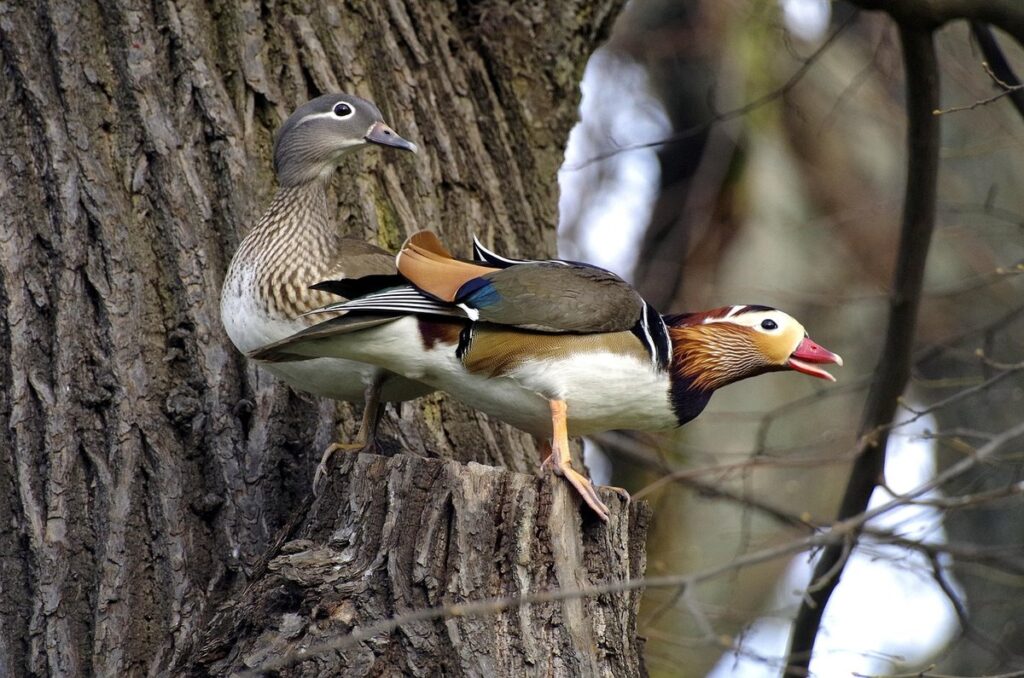
Understanding Duck Behavior and Habitat
To create a safe and welcoming nesting environment, it’s essential to understand how ducks behave naturally, including their habitat preferences and social needs. This affects every step of your duck-keeping journey.
The Importance of Nesting in Duck Development
Ducks require a safe and secure nesting site to lay their eggs and raise their young. This essential element of duck development plays a crucial role in determining the success of their reproductive cycle. A suitable nesting site not only protects the eggs from predators but also regulates the incubation temperature, ensuring proper development of the embryos.
Adequate nesting is directly linked to increased egg production. Ducks that have access to a secure and comfortable nesting area are more likely to lay eggs regularly, leading to higher productivity. For instance, studies have shown that ducks kept in enclosures with adequate nesting boxes exhibit a 25% increase in egg production compared to those without.
Furthermore, proper nesting affects chick survival rates significantly. A safe and warm environment during incubation and brooding stages is vital for the development of strong and healthy ducklings. If the chicks are exposed to harsh weather conditions or predators, their chances of survival drop drastically.
Identifying Suitable Nesting Sites for Ducks
When identifying suitable nesting sites for ducks, it’s essential to consider their natural behavior and habitat preferences. Ducks typically choose areas with proximity to water, as they need access to swimming and feeding grounds. A nearby pond, lake, or even a large pool can serve as an ideal location.
Vegetation cover is another crucial aspect to consider. Dense vegetation provides shelter from predators, helps regulate temperature, and offers concealment for the ducklings during their vulnerable early stages. Consider planting native vegetation or using existing trees and shrubs to create a safe haven.
Common mistakes made by duck owners include choosing sites with poor visibility, inadequate space, or insufficient protection from harsh weather conditions. To avoid these errors, observe your ducks’ behavior and preferences, and ensure the nesting site meets their needs. For example, if your duck tends to fly away at dawn, choose a site that receives morning sunlight. By understanding and replicating the natural environment, you can create an optimal nesting site for your feathered friends.
Aim to provide a mix of open space and sheltered areas, allowing your ducks to move freely while remaining protected from predators. Consider incorporating features like brush piles or native plants with berries, which will attract beneficial insects and other wildlife that help maintain the ecosystem balance.
Preparing the Nesting Site
Before your ducklings arrive, it’s essential to prepare a safe and inviting nesting site that meets their specific needs. Let’s walk through the process of creating an ideal nesting area together.
Creating a Safe and Inviting Environment
When it comes to creating a safe and inviting environment for your duck to nest, cleanliness is key. The nesting site should be thoroughly cleaned and disinfected to prevent the spread of diseases and parasites that can harm both your duck and her eggs. Remove any debris, old bedding, or droppings from the previous nesting cycle, and scrub the area with a mild detergent and warm water.
Next, inspect the nesting site for potential hazards or obstacles that could deter your female duck from laying her eggs. Make sure there are no sharp edges, exposed wires, or other objects that could cause injury. Also, consider removing any perches or roosts near the nesting box to prevent your duck from jumping in and out while she’s incubating.
To create a comfortable space for your duck, provide a soft, dry bed of nesting material such as straw or grasses. You can also add some decorative elements like twigs or dried flowers to make the area more inviting. Finally, ensure that the nesting box is well-ventilated and not too cramped, allowing your duck to move freely while she’s laying her eggs.
Building or Modifying a Duck House or Nest Box
When it comes to building or modifying a duck house or nest box, there are several essential design features to consider. First and foremost, ventilation is crucial to keep the air inside fresh and dry. A good rule of thumb is to provide about 2-3 square inches of ventilation per duck, which can be achieved through small openings under the eaves or on the roof. This will help prevent ammonia buildup from droppings and maintain a healthy environment.
Insulation is also vital to regulate temperature extremes, as ducks prefer a consistent temperature between 40°F and 80°F (4°C and 27°C). You can use materials like straw bales, shredded newspaper, or even recycled denim insulation to achieve this. Predator protection is another key aspect, as foxes, raccoons, and hawks are known to target duck nests. Consider adding a secure roof or overhang, and place the nest box at least 3-4 feet off the ground to deter predators.
It’s also essential to keep the interior clean and dry by installing a sloping floor that allows droppings to roll out easily. This can be achieved through a slight incline or a removable tray for easy cleaning. When designing your duck house or nest box, remember to cater to the specific needs of your feathered friends, and don’t hesitate to consult online resources or local experts for guidance.
Breeding and Mating Strategies for Optimal Nesting
To successfully raise a thriving family of ducks, understanding their breeding and mating habits is crucial. This involves recognizing individual temperaments to pair the right birds together.
Choosing the Right Breed for Your Needs
When it comes to choosing the right breed for your needs, it’s essential to consider the unique characteristics of each duck breed. Not all breeds are created equal when it comes to nesting behavior, and selecting a breed that suits your circumstances will make a significant difference in the success of your nesting endeavors.
For example, Muscovy ducks are known for their high fertility rate and robust eggs, making them an excellent choice for large-scale duck farming operations. On the other hand, Wood Ducks are prized for their exceptional mothering abilities and strong broodiness, making them ideal for small-scale backyard breeding programs.
If you’re a beginning breeder, consider starting with a breed known for its ease of care and handling, such as Khaki Campbells or Pekin ducks. These breeds are relatively low-maintenance and can thrive in smaller enclosures, perfect for those new to duck breeding.
Ultimately, the right breed will depend on your specific needs, resources, and goals. Research different breeds and their unique characteristics to make an informed decision that suits your circumstances.
Establishing a Breeding Program for Backyard Duck Owners
Establishing a successful breeding program is a crucial aspect of backyard duck ownership. When selecting males for breeding, it’s essential to consider temperament, fertility, and overall health. A good rule of thumb is to choose males that are at least six months old and have been tested for fertility. You’ll also want to ensure the male-to-female ratio is suitable, typically around 1:5.
Monitoring egg production is critical in a breeding program. Keep track of the number of eggs laid per day, as well as any changes in pattern or quality. This will help you identify potential issues with nutrition, health, or environmental factors affecting your ducks. Regular health checks for both parents and offspring are also vital to prevent the spread of diseases.
To ensure the health and well-being of your breeding stock, provide a balanced diet that meets their nutritional needs. A clean, spacious enclosure is also essential, with adequate shelter from predators and harsh weather conditions. By following these guidelines and prioritizing the health and welfare of your ducks, you’ll be well on your way to establishing a thriving breeding program.
Some key indicators of a healthy breeding stock include regular molting cycles, strong egg production, and minimal signs of stress or disease. Keep an eye out for any changes in behavior or appearance, as these can often signal underlying issues that need attention.
Managing Nesting Behavior in Domestic Ducks
When it comes to domestic ducks, managing nesting behavior is crucial for a successful brood. In this next part of our guide, we’ll explore specific strategies for encouraging and regulating their natural instinct.
Recognizing Signs of Nesting Instinct in Female Ducks
As you observe your female duck’s behavior, it’s crucial to identify the signs of nesting instinct. One of the most obvious indicators is egg-laying behavior. Female ducks will often start laying eggs in a specific location, which can be a designated nesting box or even a hidden spot in the yard. If you notice your duck laying eggs frequently, it may be a sign that she’s preparing for motherhood.
Territorial marking is another common indicator of nesting instinct. Ducks are known to be fiercely protective of their territory and will often scratch and peck at surfaces to mark their claim. If you see your female duck engaging in this behavior, especially around the nesting area, it could be a sign that she’s getting ready to settle down.
Broodiness is perhaps the most distinctive sign of nesting instinct in ducks. This phenomenon occurs when a female duck becomes fixated on sitting on eggs or chicks, refusing to leave her nest even when hungry or thirsty. If you notice your duck exhibiting broody behavior, such as puffing out her feathers, hissing at predators, and refusing to eat, it’s likely that she’s nesting instinct is in full swing.
Addressing Common Issues Related to Nesting Behavior
When managing nesting behavior in domestic ducks, it’s not uncommon for backyard owners to encounter issues such as aggression towards humans, excessive broodiness, or failure to lay eggs. Aggression towards humans can be a significant problem if left unaddressed, as it may lead to injury or stress for both the duck and its owner.
To address aggression, try separating your nesting duck from other ducks in the flock during breeding season. Provide a safe and quiet space for her to nest, reducing potential conflicts with other birds. If aggression persists, consider consulting with a veterinarian or poultry expert to rule out any underlying health issues.
Another common issue is excessive broodiness, where a duck becomes obsessed with incubating eggs even when there are none present. This can be due to various factors such as lack of adequate nesting materials, insufficient space, or genetic predisposition. To prevent this behavior, provide multiple nesting boxes and ensure they’re well-ventilated, dry, and free from drafts. By addressing these underlying causes, you can minimize the likelihood of broodiness.
In some cases, failure to lay eggs might be due to stress caused by aggression, lack of adequate nutrition, or poor environmental conditions. Consider incorporating stress-reducing measures such as providing a varied diet rich in omega-3 fatty acids and maintaining a clean, well-maintained coop with ample space for movement.
Navigating Challenges Associated with Duck Nesting
As you’re working on creating a safe and healthy environment for your ducks, you may encounter obstacles related to nesting. Let’s tackle some common challenges that can arise during this process together.
Managing Predator Threats and Disease Outbreaks
As a duck owner, you’re likely aware that predators and diseases can pose significant threats to your feathered friends’ health and well-being. To mitigate these risks, it’s essential to stay vigilant about local wildlife populations and implement effective biosecurity measures.
Start by monitoring local reports of predator activity, such as coyote or fox sightings, and take note of any patterns or trends. This information will help you anticipate potential threats to your ducks’ nesting sites. For instance, if you live in an area with a high concentration of coyotes, consider using secure fencing around your duck enclosure.
Regular veterinary check-ups are also crucial for maintaining the health of your flock. A veterinarian can perform routine examinations, administer vaccinations, and provide guidance on parasite control. This proactive approach will help prevent disease outbreaks and identify any potential issues before they escalate. By staying informed about local wildlife populations and prioritizing biosecurity and veterinary care, you’ll be better equipped to safeguard your ducks’ health and protect their nesting behavior.
Mitigating Stress Factors that Affect Duck Nesting Behavior
When it comes to duck nesting, stress can be a major contributor to reduced egg production or abandoned nests. Backyard ducks are just as sensitive to their environment as we are, and certain stressors can cause them significant distress.
Common environmental changes that can trigger stress include extreme weather conditions such as torrential rains or scorching heatwaves. Sudden changes in temperature, humidity, or light exposure can also impact duck nesting behavior. Even a drastic change in the yard’s layout or introduction of new plants can disrupt their routine and cause tension.
Other factors like predator sightings or human interaction can also trigger stress responses in ducks. A sudden appearance of predators such as foxes, coyotes, or hawks can send them into panic mode, causing them to abandon their nests. Similarly, excessive human interaction, loud noises, or unexpected visits from children or pets can make them feel uneasy and impact their nesting behavior.
To mitigate these stressors and create a low-stress environment for your backyard ducks, consider providing a sheltered area with adequate ventilation, offering shade during hot weather, and introducing plants that provide natural camouflage. Regular monitoring of the surroundings to identify potential threats and taking steps to prevent them is also essential.
Conclusion: Optimizing Duck Nesting for Success
As you’ve made it through this comprehensive guide on duck nesting, you’re now equipped with the knowledge and skills to create a safe and inviting environment for your feathered friends. To optimize duck nesting for success, remember that location is everything. Place the nest in a quiet area with minimal disturbance, ideally near a food source and water. A brooder or incubator can also help regulate temperature and humidity levels.
By following these simple yet crucial steps, you’ll be well on your way to successfully raising a healthy duckling flock. Don’t forget to provide adequate ventilation and maintenance for the nesting box to prevent ammonia buildup and disease. With proper planning and attention to detail, you’ll be rewarded with thriving ducks that will bring joy to your backyard or farm.
Frequently Asked Questions
Can I use a pre-existing shed or coop for my duck’s nesting site?
Yes, you can repurpose an existing shed or coop to serve as your duck’s nesting site. However, make sure it’s safe and secure by adding appropriate ventilation, insulation, and predator-proofing measures. Keep in mind that ducks prefer a dark, enclosed space for laying eggs, so consider adding some form of shading or covering.
How often should I clean the nest box?
Cleaning the nest box regularly is essential to maintaining your duck’s health and hygiene. Aim to clean it at least once a week, removing any droppings, debris, or uneaten feed that may accumulate. This will also help prevent diseases from spreading among your flock.
What if my ducks are laying eggs in an unwanted location?
If you notice your ducks are consistently laying eggs in an area other than the designated nesting site, it’s essential to address this issue promptly. Check for any possible reasons why they’re favoring that spot and try to redirect them to the intended nesting site. This may involve modifying their environment or providing additional nesting structures.
Can I use a different type of material for building the nest box?
While wood is a popular choice for building nest boxes, you can also consider using alternative materials like plastic, metal, or even repurposed containers. Just ensure that whatever material you choose is durable, easy to clean, and won’t pose any health risks to your ducks.
What if I have multiple duck breeds with different nesting preferences?
When managing a flock consisting of various duck breeds, it’s crucial to consider their individual nesting needs and preferences. Some breeds might require larger or more specific nesting structures than others. Research the unique requirements of each breed in your care and provide accommodations accordingly to ensure they all feel comfortable and secure.