
If you’ve ever been curious about how eggs are made, you’re in for a fascinating journey. The process of egg fertilization in hens is more complex than you might think, involving multiple stages from ovarian follicles to successful incubation. But what influences fertility rates? As it turns out, environmental factors like light, temperature, and even the hen’s overall health play a significant role. Breeding programs and genetics selection also come into play, with careful selection of breeding stock aimed at optimizing fertility and egg production.
In this article, we’ll delve into the intricacies of egg fertilization in hens, exploring how breeding programs and genetics selection can help optimize fertility rates. We’ll examine the key factors that influence success, from environmental conditions to individual hen health. By understanding these dynamics, you’ll gain a deeper appreciation for the intricate process behind egg production – and maybe even pick up some valuable insights for your own backyard flock.
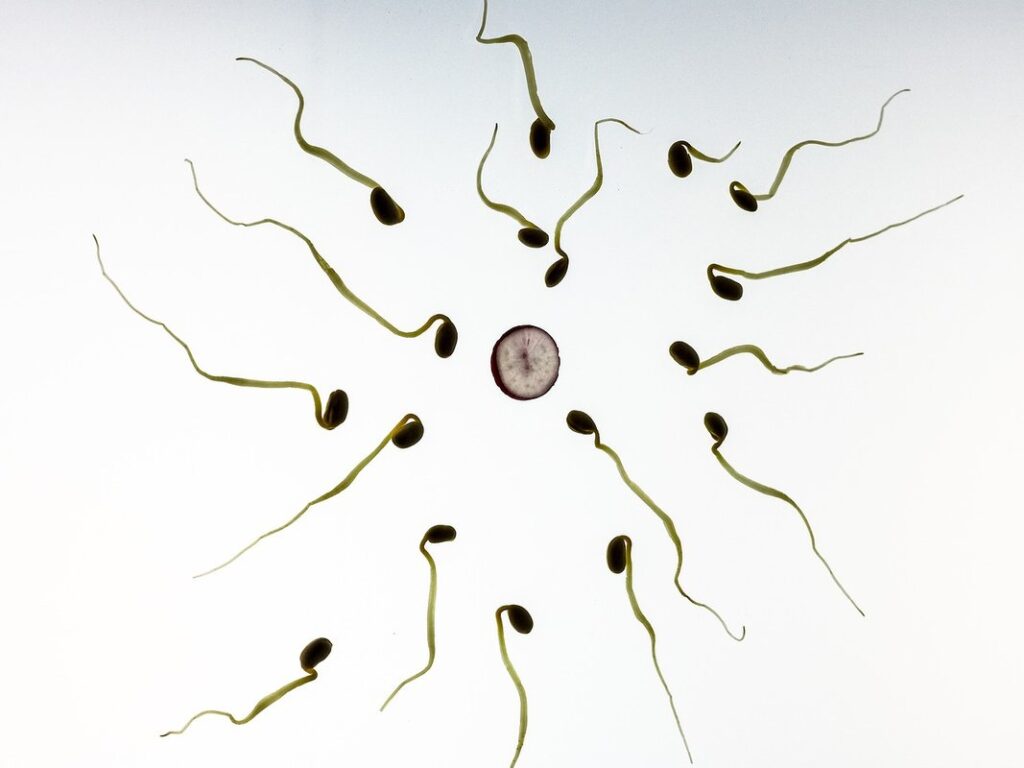
Understanding Egg Formation and Fertilization
Let’s dive into the fascinating process of egg fertilization, where a complex series of events combines to form a developing chick. This crucial stage is essential for hens’ reproductive cycles.
The Basics of Ovarian Follicles and Yolks
In order to understand the miracle of egg fertilization in hens, it’s essential to grasp the basics of ovarian follicles and yolks. Located within the ovaries, these tiny structures are responsible for producing eggs. An ovarian follicle consists of a single layer of cells surrounding a yolk, which is essentially a sac filled with nutrients and proteins.
As the hen matures, several follicles develop in the ovaries, but only one will be released each month during ovulation. This process is triggered by hormones, such as luteinizing hormone (LH), which stimulates the release of the mature follicle. The yolk is produced through a combination of genetic and nutritional factors.
The formation of the egg white, or albumen, occurs concurrently with yolk development. It’s secreted by the hen’s ovaries and oviducts, comprising about 90% water and several essential proteins that nourish the developing embryo if fertilization were to occur. This complex process is a testament to the intricate mechanisms governing egg production in hens, making it possible for them to lay eggs on a regular basis.
Hormonal Regulation of Ovulation and Mating
Hormones play a crucial role in regulating ovulation and mating behaviors in hens. Estrogen, specifically 17β-estradiol, is responsible for inducing the growth of follicles in the hen’s ovaries, which eventually leads to ovulation. As the follicle matures, it releases estrogen, causing a surge that triggers ovulation. This process typically occurs every 24 to 26 hours.
Progesterone, on the other hand, prepares the uterus for fertilization by maintaining the uterine lining. After ovulation, progesterone levels increase, promoting the release of yolk from the ovary into the oviduct. The combination of estrogen and progesterone ensures that a fertile egg is released.
Mating behaviors in hens are also influenced by hormones. A rooster’s presence stimulates the hen’s reproductive system, causing an increase in estrogen levels, which in turn increases her receptivity to mating. This natural process allows for successful fertilization, resulting in the development of healthy embryos and eventually fertile eggs.
The Fertilization Process: Sperm and Egg Interaction
Let’s dive into the fascinating world of fertilization, where sperm and egg meet to create a new life. We’ll explore how this vital process occurs in hens.
Male Reproductive Anatomy and Sperm Quality
In order for egg fertilization to occur in hens, it’s essential to understand the male reproductive system’s role in producing high-quality sperm. The testes are responsible for producing sperm through a process called spermatogenesis. This complex process involves the transformation of immature cells into mature sperm, which is facilitated by the presence of hormones such as testosterone.
The epididymis acts as a storage facility for the sperm, allowing them to mature and develop motility before being released. During this time, the sperm are nurtured and conditioned for optimal fertility. The seminal vesicles contribute to the seminal fluid that accompanies the sperm during ejaculation, providing essential nutrients and protection.
It’s interesting to note that even though egg fertilization in hens is a unique process, the principles of male reproductive anatomy remain largely the same as those found in mammals. By understanding how the testes produce high-quality sperm and the role of the epididymis in storing and maturing them, we can gain valuable insights into the intricate mechanisms that govern fertility.
The quality of the sperm directly impacts the chances of successful fertilization. A healthy diet rich in essential nutrients, regular exercise, and stress management can all contribute to optimal sperm production and motility. By taking care of one’s overall health, individuals can increase their chances of producing high-quality sperm for fertilization.
Female Reproductive Anatomy and Egg Receptivity
In hens, the female reproductive tract is responsible for producing eggs that are capable of being fertilized. The process begins with the development of a yolk in the ovary, which is then surrounded by two layers: the albumen (egg white) and the vitelline membrane. The egg white, or albumen, is composed primarily of water and proteins, while the yolk contains most of the nutrients needed for embryonic growth.
The receptivity of eggs to sperm penetration varies depending on their age and stage of development. Eggs are generally most receptive to fertilization when they are between 12-18 hours old, as this allows the yolk to be fully formed and the egg white to provide sufficient nourishment. If an egg is not fertilized within this window, its receptivity decreases significantly.
Interestingly, some breeds of hens produce eggs that have a higher rate of fertility than others. For example, Leghorns are known for their high reproductive efficiency, which means they tend to lay more fertile eggs than other breeds.
Environmental Factors Influencing Fertilization Success
When it comes to egg fertilization, environmental factors play a crucial role in determining its success, and understanding these influences can be key to improving fertility rates. Let’s explore how temperature, humidity, and light exposure affect hen fertility.
Temperature and Humidity Effects on Breeding Performance
Temperature and humidity play significant roles in determining fertilization success rates. Sudden temperature fluctuations can negatively impact breeding performance. When temperatures drop below 32°F (0°C) or rise above 100°F (38°C), egg production decreases, and fertility rates decline. For optimal breeding, hen housing should be maintained between 40°F (4°C) and 80°F (27°C). Conversely, high humidity can lead to fungal growth, causing hens’ reproductive systems to become infected.
Air quality is also crucial for successful fertilization. Poor ventilation can result in the buildup of carbon dioxide, ammonia, and other gases that compromise a hen’s respiratory health. This can be particularly problematic during peak breeding seasons. To mitigate this issue, consider investing in air filtration systems or ensuring adequate ventilation through window placement or strategic roof installation.
In addition to these environmental factors, maintaining a stable humidity level between 50-70% can support healthy embryo development. Extreme humidity fluctuations can lead to dehydration and reduced fertility rates. Monitoring temperature and humidity levels closely will help ensure optimal breeding conditions for your hens, promoting overall health and successful fertilization rates. Regularly inspect the hen house for potential issues and adjust environmental settings as needed to create a thriving reproductive ecosystem.
Nutrition and Health Considerations for Hens
When it comes to egg production and fertilization success in hens, nutrition plays a crucial role. Hens require essential nutrients to produce healthy eggs, which is vital for successful fertilization. These nutrients include protein, calcium, vitamin D3, and omega-3 fatty acids.
Protein is essential for the growth of the embryo, while calcium helps build strong eggshells. Vitamin D3 promotes calcium absorption, ensuring that the hen’s body can effectively utilize this nutrient. Omega-3 fatty acids support the health of the reproductive system. A balanced diet rich in these nutrients will help ensure optimal egg production and fertility.
A hen’s diet should also be free from toxins and pollutants, which can negatively impact reproductive health. For example, pesticide residues have been linked to decreased fertility rates in hens. Additionally, a lack of access to fresh water and adequate lighting can also affect egg quality and fertilization success. By providing your hens with a nutritious diet and a healthy environment, you’ll be taking the first steps towards successful egg fertilization.
Techniques to Enhance Fertilization Rates
To boost your chances of successful fertilization, we’ll share some effective techniques that can improve egg fertility and increase the likelihood of developing chicks. From nutrition to breeding strategies.
Breeding Programs and Genetics Selection
Breeding programs aimed at improving fertility rates have been essential in optimizing egg fertilization. Linebreeding and inbreeding strategies involve selecting individuals with desirable traits to produce offspring that combine the best characteristics of their parents. This can lead to improved fertility, as the selected birds are more likely to possess the genetic predispositions necessary for successful fertilization.
Cross-breeding programs also play a significant role in enhancing fertility rates. By combining the genetic strengths of different breeds, farmers can create hybrids with increased reproductive potential. For instance, crossing a breed known for its high fertility with another that excels in egg production can result in offspring that exhibit both desirable traits.
Genetics selection is also critical in optimizing fertilization. Farmers should select birds with proven fertility records and breed them to identify the genetic markers associated with successful fertilization. By doing so, they can refine their breeding programs to produce birds that are more likely to fertilize eggs successfully.
In reality, some farms have reported significant increases in fertility rates following the implementation of these strategies.
Artificial Insemination (AI) and Fertility Treatments
Artificial insemination (AI) is a technique used to enhance fertilization rates in hens. It involves depositing semen from a male rooster into the hen’s reproductive tract. AI procedures typically involve selecting a suitable rooster, collecting and processing his semen, and then carefully inserting it into the hen.
While fertility treatments can improve egg fertilization rates, they also come with potential risks. Hormonal supplementation, for example, can stimulate egg production but may lead to reproductive problems in hens if used excessively. Antibiotic use is another concern, as it can disrupt the balance of gut bacteria and contribute to antibiotic resistance.
To minimize risks, farmers should carefully monitor their flocks’ response to fertility treatments and adjust protocols accordingly. One way to do this is by implementing a gradual introduction of treatment doses to assess tolerance levels in individual hens. By striking a balance between treatment effectiveness and animal welfare, farmers can maximize egg fertilization rates while maintaining healthy flocks.
Research suggests that moderate use of hormonal supplements can increase fertility by up to 20% in some cases. However, this must be weighed against potential long-term consequences for the hen’s reproductive health.
Common Challenges to Egg Fertilization and Their Solutions
When it comes to egg fertilization, several obstacles can prevent successful breeding. Let’s explore these common challenges together and discover their easy-to-implement solutions.
Identifying Causes of Low Fertility Rates
Low fertility rates can be a frustrating issue for farmers and backyard chicken keepers alike. Identifying the underlying causes is crucial to implementing effective solutions. Let’s examine some common culprits: age-related decline, disease, nutritional deficiencies, and environmental stressors.
Age can play a significant role in fertility decline. Hens typically reach their peak egg-laying years between 18-24 months of age. However, around the age of 3-5 years, fertility rates often decrease due to declining ovarian function. It’s essential to consider culling older hens or separating them from younger ones to ensure optimal breeding.
Disease and parasites can also significantly impact fertility. Respiratory infections, such as avian influenza, can lead to reduced fertility in infected hens. Nutritional deficiencies, particularly a lack of essential vitamins and minerals like vitamin E and selenium, can impair reproductive function. For example, hens with inadequate selenium intake may experience reduced fertility due to oxidative stress.
Environmental factors, including temperature fluctuations, humidity levels, and poor ventilation, can also affect fertility. Stress caused by overcrowding or inadequate lighting can lead to hormonal imbalances, further reducing fertility rates.
Strategies for Overcoming Fertility Issues
When it comes to overcoming fertility issues in hens, several strategies can be employed. Firstly, adjusting feeding programs is crucial as certain nutrients play a vital role in reproductive health. Providing adequate calcium and phosphorus in the diet supports strong eggshell production, while vitamin E helps maintain healthy sperm function. Implementing a nutrient-rich feed supplement or modifying existing feed formulations can help address these needs.
Improving breeding conditions also plays a significant role in overcoming fertility issues. This includes maintaining a clean and well-ventilated environment to reduce stress on hens. Providing adequate lighting, water, and shelter is essential for overall health and reproductive success. Regular cleaning of the coop and equipment helps prevent disease that can negatively impact fertility.
Implementing health management practices such as monitoring hen behavior, body condition scoring, and regular vaccinations can also aid in addressing fertility issues. Identifying any potential health concerns early on allows for prompt treatment, reducing the risk of infertility.
Frequently Asked Questions
How do I know if my breeding program is effective?
If you’re unsure whether your breeding program is optimizing fertility rates, track key metrics such as egg production, hatch rate, and mortality rates over time. Consult with a poultry expert or veterinarian to help identify areas for improvement.
Can temperature fluctuations really impact fertilization success?
Yes. Temperature extremes can significantly affect sperm quality and egg receptivity in hens. Aim to maintain consistent temperatures between 65°F to 75°F (18°C to 24°C) for optimal breeding performance.
What role do nutritional factors play in maintaining high fertility rates?
A balanced diet that meets the nutritional needs of your flock is crucial. Ensure adequate protein, calcium, and vitamin D intake, as deficiencies can impact egg production, sperm quality, and overall reproductive health.
How often should I monitor my hens’ health for signs of low fertility?
Regularly inspect your flock’s overall health, looking out for signs like decreased egg laying, weight loss, or changes in behavior. Consult a veterinarian to address any health concerns that may be impacting fertility rates.
Can I use artificial insemination (AI) techniques without professional training?
While AI can enhance fertilization rates, it requires proper training and equipment to ensure safe and effective procedures. Consider consulting with an experienced poultry specialist or seeking hands-on instruction before attempting AI on your own.