
If you’re looking to add an extra layer of richness and flavor to your pastries, breads, or even empanadas, then you’ve come to the right place. Using duck egg wash can be a game-changer in the kitchen, but it’s not just about substituting eggs – it’s about understanding how to use them effectively. A simple duck egg wash can make all the difference in the texture and presentation of your baked goods, but where things get really exciting is when you start experimenting with flavorings and customizing the wash to suit your needs.
In this article, we’ll explore the benefits of using duck eggs for cooking and share techniques for making a basic egg wash, as well as some creative ways to add extra flavors. Whether you’re a seasoned baker or just starting out, you’ll learn how to choose the right eggs, what type of recipes are best suited to duck egg wash, and how to incorporate this versatile ingredient into your cooking repertoire.
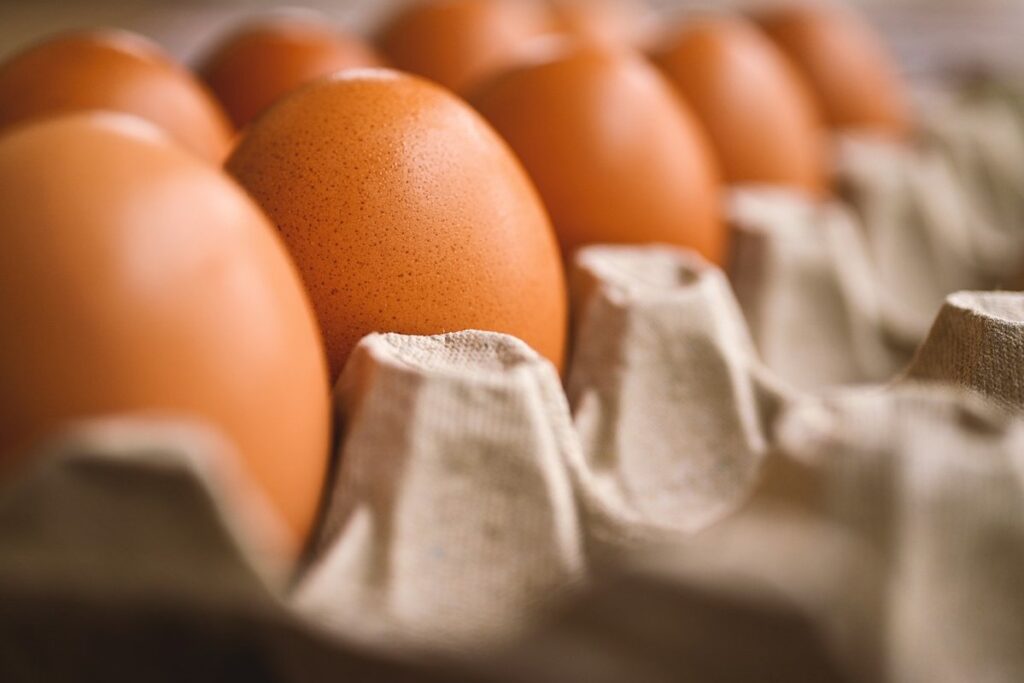
What is Duck Egg Wash?
Duck egg wash is a versatile and essential cooking technique that involves using a mixture of duck eggs and water to create a rich, golden glaze for breads, pastries, and other baked goods. Let’s dive into what makes it so special.
Definition and History of Duck Eggs
Duck eggs have been a staple ingredient in many cultures for centuries, particularly in baking. These large, rich eggs are laid by ducks and are prized for their creamy whites and dark, almost black yolks. The unique flavor and texture of duck eggs make them an ideal substitute for traditional chicken eggs in many recipes.
In Asian cuisine, especially in countries like China, Japan, and Korea, duck eggs have been a popular ingredient in baking and cooking for thousands of years. They are used to add richness and moisture to cakes, pastries, and breads. The high fat content of duck eggs makes them ideal for creating tender and flaky textures.
In European bakeries, particularly in France and Italy, duck eggs are also highly valued for their unique characteristics. Bakers use them to create delicate yet rich cakes and pastries that are perfect for special occasions. The versatility of duck eggs has made them a favorite among chefs and home bakers alike, who appreciate the added depth and complexity they bring to recipes.
When working with duck eggs, it’s essential to note that their higher fat content can affect the texture and consistency of baked goods. To achieve the best results, it’s recommended to use a combination of duck eggs and other liquid ingredients to maintain the right balance.
How to Use Duck Eggs in Baking
Duck eggs can be a game-changer in baked goods, adding richness and depth to cakes, pastries, and breads. In terms of using duck egg wash, the key is to know when to substitute duck eggs for chicken eggs.
When it comes to cakes, duck eggs provide an incredibly tender crumb and a moist texture that’s hard to achieve with traditional eggs. This makes them perfect for delicate sponge cakes or rich fruitcakes. To incorporate duck eggs into your cake recipe, start by substituting one duck egg for every two chicken eggs called for in the recipe.
For pastries, duck eggs can add a beautiful shine and flaky texture when used in combination with other ingredients like cream cheese or butter. Try using them to make a classic quiche Lorraine or a rustic tart crust.
In bread-making, duck eggs help create a more complex flavor profile and a better browning. Use them to make artisanal breads like ciabatta or focaccia for a truly distinctive taste experience.
Differences Between Duck Eggs and Chicken Eggs
When it comes to cooking with duck eggs, it’s essential to understand the differences between these eggs and their more commonly used counterparts – chicken eggs. One of the most noticeable distinctions is size: duck eggs are typically larger than chicken eggs, with some varieties weighing up to 50% more. This increased volume affects the overall nutritional content as well; duck eggs contain around 10-15% more fat and protein compared to chicken eggs.
In terms of shell color, duck eggs often have a thicker, bluish-green or brownish hue due to the presence of pigments called porphyrins. On the other hand, chicken eggshells are usually white with occasional speckles of brown or tan. While these differences might seem minor, they impact not only appearance but also texture and flavor – duck eggs tend to have a richer, creamier taste.
It’s worth noting that duck eggs can be used as a direct substitute for chicken eggs in most recipes. However, their higher fat content may affect the final product’s consistency; when substituting with duck eggs, you might need to adjust cooking times or liquid ratios accordingly.
Techniques for Making a Good Duck Egg Wash
To create a smooth, golden duck egg wash, you’ll want to master a few essential techniques that ensure even application and a rich, egg-y flavor in your baked goods.
What is Egg Wash?
An egg wash is a mixture of beaten eggs and water used to brush the surface of pastries, bread, and other baked goods before baking. The primary purpose of an egg wash is to add a golden-brown color and a shiny finish to the final product. However, when using duck eggs instead of chicken eggs, the result can be even more impressive due to their higher fat content.
When you mix duck eggs with water, the proteins in the egg help create a smooth, even coat on the surface of your baked goods. This is especially useful for creating an attractive glaze or sheen on items like puff pastry, pie crusts, and bread rolls. To make an effective duck egg wash, it’s essential to beat the eggs until they’re well-mixed with water and have a smooth consistency.
Using duck eggs instead of chicken eggs can also enhance the flavor and texture of your baked goods due to their richer nutritional content.
How to Make a Simple Egg Wash with Duck Eggs
To make a simple egg wash using duck eggs, you’ll need just two ingredients: duck egg yolks and water. Start by cracking 1-2 duck egg yolks into a small bowl, depending on the size of the project and how much sheen you want to achieve. Whisk these until they’re smooth and well combined.
Next, add a tablespoon or two of cold water to the bowl, and whisk again until the mixture is silky and free of lumps. Be cautious not to over-whisk, as this can create foam that will be difficult to brush onto your pastry without creating a mess. Stop when the egg wash has reached a consistency similar to thin honey.
Now you’re ready to use your homemade duck egg wash. Dip a clean cloth or brush into the mixture and gently apply it to your pastry, being careful not to apply too much pressure which could cause it to tear. A light coat of egg wash will create a beautiful sheen on finished pastries without weighing them down with excess moisture.
Customizing Your Duck Egg Wash: Additives and Flavorings
When it comes to duck egg wash, one of the most exciting aspects is the ability to customize it with various flavorings and ingredients. This allows you to tailor the taste and texture to suit your recipe’s needs.
One popular option for adding flavor is to use herbs and spices directly in the wash. For example, you can try mixing a pinch of dried thyme or rosemary into the egg yolks for a savory twist on traditional pastry glazes. Alternatively, you could add a teaspoon of grated ginger or onion powder for an Asian-inspired flavor.
Other ingredients like lemon juice, vinegar, or even beer can also be incorporated to create unique flavors. The key is to experiment and find combinations that work well with your specific recipes. You can also use this opportunity to incorporate umami flavors by adding a dash of soy sauce or miso paste.
Remember to balance your additives according to the dish’s overall flavor profile, as too much can overpower the other ingredients.
Choosing the Right Duck Eggs for Your Egg Wash
When selecting duck eggs for your egg wash, it’s essential to choose fresh, high-quality eggs that will yield the best results in your recipes. Opting for farm-fresh eggs is a good starting point.
Factors Affecting Egg Quality
When it comes to using duck egg wash in cooking, it’s essential to understand that not all eggs are created equal. The quality of duck eggs can vary significantly depending on several factors.
First and foremost, the breed of duck plays a crucial role in determining the quality of its eggs. Some popular breeds like Khaki Campbell and Muscovy ducks are known for producing high-quality eggs with rich, creamy yolks and thick, firm whites. On the other hand, less desirable breeds may produce eggs with watery yolks or thin, fragile whites.
Diet is another critical factor affecting egg quality. Ducks that are fed a balanced diet rich in omega-3 fatty acids, vitamins, and minerals will produce eggs with better nutritional profiles and more appealing textures. Look for farms that use sustainable practices and provide ducks with access to fresh water and green pastures.
Proper storage conditions are also vital in maintaining the quality of duck eggs. Refrigeration at 40°F (4°C) or below is essential to prevent bacterial growth and spoilage. Always store duck eggs pointy-end down to prevent moisture from entering the egg through the air cell, which can cause the yolk to become discolored or develop an off smell.
Lastly, consider the storage time before buying duck eggs. Freshness matters when it comes to using duck egg wash in cooking. Opt for eggs with clean, dry shells and no visible cracks or odors. These factors will not only ensure better taste but also a higher nutritional value of your final dish.
How to Store and Handle Duck Eggs Properly
Proper storage and handling of duck eggs are crucial to maintaining their freshness and safety for consumption. When you bring home a carton of duck eggs from the store, it’s essential to inspect them first for any visible cracks or damage that may compromise their integrity.
Store duck eggs in a cool, dry place away from direct sunlight. A cupboard or pantry is ideal, as long as it maintains a consistent temperature between 40°F and 70°F (4°C and 21°C). You can also store them in the refrigerator, but make sure to keep them in their original carton to prevent moisture from accumulating.
When handling duck eggs, wash your hands thoroughly with soap and water before touching them. Gently place the eggs in a container or basket to avoid jostling them around, which may cause damage to the shells. If you notice any cracks or signs of aging, such as a white or greenish discoloration around the air sac, it’s best to err on the side of caution and discard those eggs.
When storing duck eggs for an extended period, consider the “first-in, first-out” rule: use the oldest eggs before they expire. Regularly check your stored duck eggs for any signs of spoilage or damage, and always refrigerate them once you’ve cracked one open to prevent bacterial growth.
Using Duck Egg Wash in Specific Dishes
Now that you’re familiar with the basics of duck egg wash, let’s dive into some specific dishes where it truly shines. We’ll explore how to elevate classic recipes like pasta carbonara and croissants.
Baked Goods: Cakes, Pastries, and Bread
When it comes to using duck egg wash in baked goods, the results are truly exceptional. The rich flavor and creamy texture of duck eggs make them an ideal addition to cakes, pastries, and bread. For a perfect glaze or crust, try brushing a mixture of 1-2 tablespoons of duck egg yolk with water onto your baked goods before baking.
This technique is particularly effective in achieving a golden-brown crust on artisanal breads like baguettes or ciabatta. Simply brush the duck egg wash onto the dough before baking for a crispy, caramelized crust that’s sure to impress. When it comes to cakes and pastries, a lighter application of duck egg wash can add a delicate sheen and subtle richness to the finished product.
To take your baked goods to the next level, consider experimenting with different flavor combinations in your duck egg wash. For example, adding a pinch of salt or a drizzle of honey can enhance the overall flavor profile of your baked goods. Remember to adjust the amount of liquid in your duck egg wash accordingly to achieve the perfect consistency for brushing onto your dough or pastry.
Savory Dishes: How to Use Duck Egg Wash as a Glaze
When it comes to using duck egg wash as a glaze for savory dishes, the possibilities are endless. Roasted meats and vegetables can benefit greatly from this rich and flavorful condiment. To get started, begin by brushing a thin layer of duck egg wash over your protein or vegetable about 10-15 minutes before the end of cooking time.
This will allow the wash to caramelize and create a sticky glaze that’s both savory and slightly sweet. For example, try using duck egg wash on roasted chicken thighs or Brussels sprouts for an added layer of flavor. You can also experiment with different seasoning combinations in your duck egg wash to suit your taste preferences.
Some key tips to keep in mind when using duck egg wash as a glaze include making sure the ingredients are at room temperature and not overmixing the wash, which can cause it to become too thick and difficult to apply. With these simple techniques, you’ll be able to create mouth-watering savory dishes that showcase the unique benefits of duck egg wash in a whole new light.
Troubleshooting Common Issues with Duck Egg Wash
We’ve all been there: your duck egg wash just isn’t turning out right. Don’t worry, we’ll walk you through common problems and solutions to get it perfect every time.
What Can Go Wrong?
When using duck egg wash, several common issues may arise that can affect the final result. One of the most noticeable problems is uneven color or texture. This can occur if the wash is applied too heavily or unevenly, causing some areas to be over- or under-coated.
Another issue is the risk of streaks or lines forming on the surface of the food being washed. These can be particularly unsightly and may require additional effort to correct. To minimize this risk, it’s essential to apply a thin, even layer of duck egg wash using a brush or pastry brush, working in one direction only.
In some cases, the wash may not set properly, resulting in an uneven finish or texture. This can be caused by inadequate temperature control during cooking or overmixing the ingredients before application. To avoid this, ensure that you mix the duck egg wash just until the ingredients are combined and cook your food at a consistent, moderate heat.
By being aware of these potential issues and taking steps to prevent them, you’ll be able to achieve professional-looking results with your duck egg wash.
Solutions to Common Problems
When working with duck egg wash, you may encounter issues such as uneven coverage, drips, or an excessive amount of liquid. To tackle these problems, it’s essential to have a few troubleshooting solutions up your sleeve.
One common issue is applying too much duck egg wash at once. This can lead to uneven coverage and excess drips on the surface. A simple solution to this problem is to brush the wash in thin layers, allowing each layer to dry before adding more. This will ensure that the wash penetrates evenly into the crust without pooling.
Another common issue is using room-temperature duck egg wash instead of cold water. Room temperature can cause the wash to become too runny and difficult to control. To avoid this, keep your duck egg wash chilled in the refrigerator until you’re ready to use it. This will give you better control over the consistency and application.
If you’ve already applied the duck egg wash and notice it’s becoming too runny or separating, don’t worry. In most cases, a little patience and some gentle stirring can restore its original consistency.
Conclusion: The Value of Using Duck Egg Wash in Cooking
In conclusion, incorporating duck egg wash into your cooking repertoire can bring about a multitude of benefits. Not only does it add moisture and richness to baked goods, but it also enhances the overall texture and flavor profile of dishes like pasta and pizza crusts. By experimenting with different ratios of eggs to water and adding flavorings such as herbs or spices, you can create unique and delicious variations that set your culinary creations apart from the rest.
Don’t be afraid to get creative with duck egg wash – it’s a versatile ingredient that can elevate even the simplest recipes into something truly special. With practice and patience, you’ll discover new ways to incorporate this game-changing ingredient into your cooking routine.
Frequently Asked Questions
How do I know if my duck egg wash is done?
To check if your duck egg wash is ready, gently brush a small amount onto a piece of parchment paper or a clean plate. If it forms a smooth, shiny glaze that’s evenly spread and not too runny or thick, it’s likely done. This technique also helps you adjust the consistency of your wash as needed.
Can I use duck egg wash on gluten-free baked goods?
Yes, duck egg wash can be an excellent choice for gluten-free baked goods because it adds richness and flavor without adding extra ingredients that might affect their texture or nutritional content. Just ensure you’re using a good quality duck egg wash recipe to avoid any potential issues.
How do I store leftover duck egg wash safely?
To store leftover duck egg wash, transfer it to an airtight container and refrigerate at 40°F (4°C) or below within two hours of preparation. When ready to use, let the wash sit at room temperature for about 30 minutes before reusing – this allows it to return to its original consistency.
Can I substitute duck eggs with chicken eggs in my egg wash recipes?
While you can technically substitute duck eggs with chicken eggs, keep in mind that using duck eggs specifically is what gives your baked goods their unique richness and flavor. If you choose to use chicken eggs instead, the taste and texture might not be as rich or satisfying.
How do I troubleshoot a too-thin egg wash?
If your duck egg wash turns out too thin, don’t worry! To fix it, whisk in a small amount of all-purpose flour (about 1-2 teaspoons per tablespoon of liquid) until well combined. This will thicken the wash without affecting its flavor or texture – just be sure not to add too much flour to avoid an unpleasant taste.