
If you’re a poultry farmer or owner, chances are you’ve encountered the devastating effects of chicken respiratory infections on your flock. These infections can lead to significant losses in productivity and revenue, making it essential to understand how to identify, treat, and prevent them. Chicken respiratory infections can manifest in various ways, from labored breathing to reduced egg production, and if left unchecked, can spread rapidly through the flock. In this comprehensive guide, we’ll delve into the symptoms, diagnosis, treatment options, and prevention strategies for chicken respiratory infections. We’ll cover everything you need to know to keep your birds healthy and thriving, including identifying warning signs, administering effective treatments, and implementing preventive measures to minimize the risk of these costly and stressful diseases.
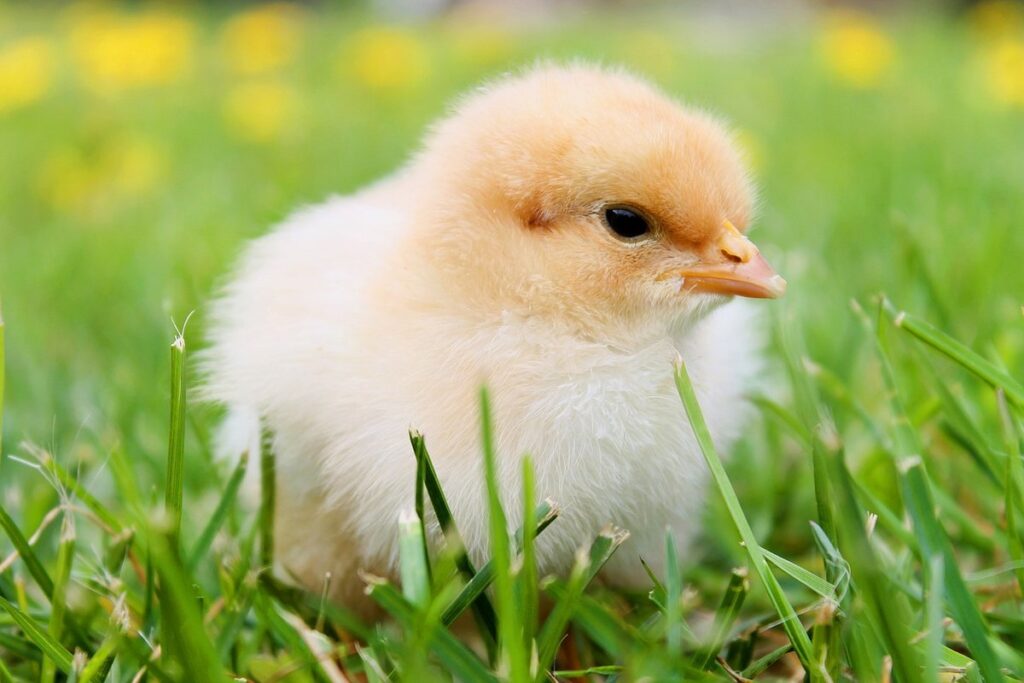
Understanding Chicken Respiratory Infections
Let’s dive into understanding chicken respiratory infections, a crucial step in choosing the right treatment for your flock. Here, we’ll break down the causes and symptoms of these common bird illnesses.
Causes and Types of Respiratory Infections in Chickens
Respiratory infections are one of the most common health issues affecting chickens worldwide. These infections can be caused by various pathogens, including bacteria, viruses, and mycoplasma. Mycoplasma gallisepticum is a common cause of respiratory problems in chickens. This bacterium attacks the bird’s respiratory tract, leading to symptoms such as coughing, sneezing, and labored breathing.
Infectious Bronchitis is another prevalent type of respiratory infection affecting chickens. It’s highly contagious and spreads through direct contact with infected birds or contaminated objects. Avian Influenza, also known as Bird Flu, is a viral disease that can cause severe respiratory symptoms in chickens, including difficulty breathing, labored breathing, and even death.
It’s worth noting that these infections are often triggered by stressors such as changes in weather, inadequate ventilation, or poor nutritional management. To prevent respiratory infections, it’s essential to maintain good biosecurity practices on the farm, ensure proper ventilation, and provide a balanced diet for your flock. Regular vaccination programs can also help protect against common respiratory pathogens.
Risk Factors for Respiratory Infections in Chickens
Respiratory infections are a major concern for chicken keepers, and understanding the risk factors that contribute to their development is crucial for prevention and treatment. Poor ventilation is one of the primary causes of respiratory problems in chickens. When air circulation is inadequate, ammonia from droppings can build up, leading to irritation of the lungs and airways.
Overcrowding is another significant risk factor for respiratory infections in chickens. Packed living quarters mean that birds are more likely to come into close contact with each other, increasing the transmission of pathogens. It’s estimated that a density of at least 1 square foot per bird can help reduce the spread of disease.
Stress also plays a critical role in making chickens more susceptible to respiratory infections. A sudden change in environment or social structure can trigger stress, weakening the immune system and making birds more vulnerable to infection. Keep your coop well-maintained, provide adequate space for each bird, and minimize changes to reduce the risk of respiratory problems in your flock.
Symptoms and Diagnosis
Identifying the symptoms of chicken respiratory infection is crucial for prompt treatment, so let’s start by looking at the common signs to watch out for. We’ll also cover how to diagnose the issue accurately.
Identifying Common Symptoms of Respiratory Infections in Chickens
When identifying respiratory infections in chickens, it’s essential to be aware of the common symptoms they exhibit. Chickens with respiratory issues often display a range of behavioral and physical changes that can indicate an underlying infection.
One of the most noticeable symptoms is a persistent cough or labored breathing. You may notice your chicken wheezing, gasping for air, or making unusual sounds while trying to breathe. A sneeze can also be a sign of a respiratory issue, especially if it’s accompanied by a runny nose or eyes.
Other signs include lethargy, loss of appetite, and discolored droppings. Chickens with respiratory infections may also exhibit rapid breathing rates, puffiness around the eyes or nostrils, and an open-mouthed appearance when at rest. Keep in mind that these symptoms can be indicative of other conditions as well, so a proper diagnosis by a veterinarian is crucial to determine the best course of treatment.
If you suspect your chicken has a respiratory infection, monitor its behavior closely for any changes or worsening of symptoms over time. Consult with a poultry expert or a veterinarian for guidance on how to proceed and ensure your bird receives the necessary care.
Diagnostic Methods for Chicken Respiratory Infections
Accurate diagnosis is essential for effective treatment of chicken respiratory infections. Veterinary professionals use a combination of physical examination, clinical signs, and laboratory tests to identify the underlying cause of the infection.
During a physical examination, veterinarians look for signs such as labored breathing, coughing, sneezing, or nasal discharge in infected birds. They also check the bird’s temperature, which can be elevated if it has an infection. Clinical signs like decreased appetite, weight loss, or lethargy may indicate respiratory distress.
Laboratory tests are crucial in confirming the diagnosis of chicken respiratory infections. These tests include:
• Tracheal swab cultures: to identify bacteria present in the trachea
• Blood samples: to check for systemic infections and inflammatory responses
• Post-mortem examination: to examine the lungs, air sacs, and other organs for signs of infection
These diagnostic methods help veterinarians determine the type and severity of the respiratory infection, enabling them to develop an effective treatment plan.
Treatment Options
Now that you know what causes and symptoms of chicken respiratory infection, it’s time to explore your treatment options for a speedy recovery. Here are some effective ways to nurse your flock back to health.
Antibiotic Therapy for Chicken Respiratory Infections
When treating chicken respiratory infections with antibiotics, it’s essential to use them judiciously and follow proper guidelines. The most commonly used antibiotics for this purpose are Tetracycline (oxytetracycline), Enrofloxacin (Baytril), and Amoxicillin.
Dosage and administration methods vary depending on the antibiotic and the severity of the infection. For example, a common dosage for Tetracycline is 20-30 mg/kg body weight per day, given in two divided doses via drinking water or feed. It’s crucial to follow the recommended dosage schedule to avoid resistance development.
Enrofloxacin, another popular choice, typically requires 5-10 mg/kg body weight per day, administered through drinking water or injectable routes. Amoxicillin dosages range from 20-30 mg/kg body weight per day, given in two divided doses via feed or water.
When administering antibiotics, it’s vital to ensure proper mixing with feed or water to avoid settling or particle formation. Regular monitoring of the flock’s health and adjusting treatment plans accordingly will help minimize antibiotic resistance and optimize infection control strategies.
Supportive Care for Chickens with Respiratory Infections
When it comes to supporting your chickens as they recover from respiratory infections, there are several key measures you can take to help them get back on their feet. Hydration is crucial during this time, so make sure your flock has access to clean, fresh water at all times. You may also need to adjust the type of feed or add supplements to ensure they’re getting the nutrients they need to recover.
In addition to hydration and nutrition, environmental adjustments can play a significant role in supporting recovery. This might involve providing a quiet, draft-free space for your chickens to rest and recover, or adding humidity to their environment to help soothe dry airways. Some chicken owners also find it helpful to increase the temperature in the coop by a few degrees to promote relaxation.
To support your flock’s immune system during this time, consider adding probiotics or prebiotics to their feed, which can help maintain gut health and reduce inflammation.
Prevention and Control
To prevent the spread of chicken respiratory infection, it’s essential to understand how to maintain a clean environment and minimize the risk of infection. We’ll explore practical ways to keep your flock safe.
Biosecurity Measures to Prevent Chicken Respiratory Infections
Implementing biosecurity measures is crucial to preventing the introduction and spread of chicken respiratory infections on your farm or backyard flock. To start, ensure that all visitors to the farm wear proper attire, including gloves, boots, and coveralls, to prevent the transfer of pathogens from other farms or environments.
Additionally, establish a strict cleaning and disinfection protocol for all equipment, vehicles, and personnel entering the farm. This includes regular washing and sanitizing of feeders, waterers, and nesting boxes. Implement a closed-herd policy by only introducing new birds through quarantine periods to minimize disease transmission risks.
It’s also essential to maintain good ventilation in your coop, especially during hot or humid weather when respiratory issues can exacerbate. Regularly inspect your flock for signs of illness and implement vaccination programs as necessary, depending on local disease prevalence and regional guidelines. By implementing these measures, you’ll significantly reduce the risk of chicken respiratory infections affecting your flock.
Vaccination Programs for Chickens Against Respiratory Infections
Vaccination programs are an essential tool for preventing respiratory infections in chickens. Several vaccines are available to protect against common pathogens such as Infectious Bronchitis Virus (IBV), Newcastle Disease Virus (NDV), and Avian Influenza Virus (AIV). The benefits of vaccination include reduced morbidity, mortality, and economic losses due to decreased productivity.
However, it’s crucial to consider the risks associated with vaccination. Live attenuated vaccines can pose a risk of introducing virulent virus strains into the flock, while inactivated vaccines may not provide long-term protection. Contraindications for vaccination include young chicks (less than 14 days old), pregnant hens, and birds with weakened immune systems.
To implement an effective vaccination program, it’s essential to work closely with a veterinarian who can assess the flock’s specific needs and recommend the most suitable vaccine. Regular monitoring of vaccination efficacy and reporting any adverse reactions is also critical. By weighing the benefits against potential risks, poultry farmers can make informed decisions about vaccinating their flocks and reduce the incidence of respiratory infections.
Recovery and Management
Now that we’ve discussed treatment options, let’s talk about how to help your chickens recover from respiratory infection and manage their symptoms effectively.
Managing Flocks with Chronic Respiratory Infections
Managing flocks with chronic respiratory infections requires a multi-faceted approach to reduce stress, improve ventilation, and promote overall health. When dealing with persistent respiratory issues, it’s essential to identify the underlying causes and address them accordingly.
Firstly, improving ventilation is crucial in reducing the concentration of pathogens and airborne particles that can exacerbate respiratory conditions. Consider installing or upgrading your coop’s ventilation system, ensuring adequate airflow and circulation. Regular cleaning and disinfection of air ducts and vents will also help minimize bacterial and viral loads.
To reduce stress on your flock, provide a balanced diet rich in essential nutrients, vitamins, and minerals. Include probiotics to support immune function and maintain gut health. Make sure your chickens have access to fresh water, shelter, and adequate space for exercise.
It’s also vital to identify and separate sick birds from the rest of the flock to prevent further transmission. Implementing a quarantine area will allow you to monitor their progress, administer treatment as needed, and reintroduce healthy birds once the infection has been controlled.
Post-Treatment Care and Monitoring for Chickens
After completing the treatment for chicken respiratory infection, it’s crucial to implement post-treatment care measures that ensure the health and well-being of your flock. This includes monitoring for potential complications, readmission rates, and implementing strategies to prevent future infections.
Start by gradually reintroducing your chickens to their normal environment, including feed, water, and exercise. Monitor their appetite, energy levels, and stool quality closely. Watch for signs of stress or discomfort, such as panting, coughing, or labored breathing. Ensure they have access to clean drinking water at all times.
Regular monitoring is essential to catch any potential complications early on. Check your flock daily for signs of infection recurrence, such as a sudden increase in respiratory distress, lethargy, or loss of appetite. If you notice any unusual behavior or symptoms, consult with your veterinarian immediately. Regular cleaning and disinfection of the coop and surrounding areas will also help prevent the spread of disease.
Keep records of your flock’s post-treatment progress to track their recovery and identify potential issues early on. By taking these proactive steps, you can minimize the risk of complications and ensure a smooth transition back to normalcy for your chickens.
Frequently Asked Questions
Can antibiotics be used to treat all types of respiratory infections in chickens?
No, antibiotics are not the primary treatment for all types of respiratory infections in chickens. They can help control secondary bacterial infections but may not effectively target the underlying cause of the infection.
What is the role of vaccination in preventing chicken respiratory infections?
Vaccination plays a crucial role in preventing chicken respiratory infections by boosting the bird’s immune system and reducing the risk of disease outbreaks. However, it’s essential to choose the right vaccine for your flock and follow proper administration guidelines.
How can I minimize the spread of respiratory infections within my flock after treatment has started?
To minimize the spread of respiratory infections, ensure good biosecurity practices, such as isolating infected birds, disinfecting equipment and living areas, and enforcing strict hygiene rules among farm staff. Regularly monitoring your flock’s health and adjusting treatment plans as needed can also help.
Can I use home remedies or alternative treatments to manage chicken respiratory infections?
While some home remedies may offer temporary relief, they are not a substitute for proper veterinary care and may even exacerbate the condition. It’s essential to work with a veterinarian to develop an effective treatment plan tailored to your flock’s specific needs.
How long does it take for chickens to recover from respiratory infections?
The recovery time for chickens with respiratory infections can vary depending on the severity of the infection, the effectiveness of treatment, and the overall health of the bird. With proper care and management, most birds can make a full recovery within 2-4 weeks, but some may take longer.